
Disclosure: Some of the links you’ll encounter are affiliate links. If you click and buy something, I’ll get a commission. If you’re reading a review of some precious metals company, please understand that some of the links are affiliate links that help me pay my bills and write about what I love with no extra cost to you. Thank you!
Balancing debt and saving for retirement can feel like an impossible task.
Prioritizing both can be overwhelming — especially when your financial situation demands your attention in multiple areas.
But what if you could tackle both goals at once?
It’s possible to manage credit card debt, student loans, and other financial obligations while also growing your retirement savings. You just need smart strategies that make the most of your resources (and take advantage of employer programs, creative financial tools, and disciplined planning).
In this article, we’ll explore the best ways to pay off debt and save for retirement, even when the two seem at odds.
Table of Contents
1. Use Employer-Backed Student Loan Repayment Programs to Build Retirement Savings
Many employers offer assistance with student loan repayment. Instead of focusing only on paying off debt, contribute to your 401(k) simultaneously by using the extra money from your employer.
This helps you pay off your debt while you’re building wealth. Some employers even match retirement contributions. So you’ll maximize your savings potential by adding more money to your retirement fund as you pay down debt.
2. Leverage Your Mortgage Interest to Fuel Retirement Accounts
Refinancing your mortgage to a lower interest rate can free up extra cash. Instead of spending this on lifestyle inflation, direct it toward retirement savings.
(Some people aren’t aware that you can use these savings to invest more in tax-advantaged accounts like IRAs or Roth IRAs, even while paying off your mortgage or other debts. It’s a calculated strategy to use “extra” cash to make long-term gains without sacrificing debt reduction.)
For parents struggling with student loan debt and needing exterior remodeling services for their home, while trying to save for retirement, refinancing Parent Plus loans can help. When you have more manageable payments, you can ease financial pressure and allocate more toward your retirement savings goals.
3. Invest in an HSA as a Dual-Purpose Fund (Debt and Retirement)
Health Savings Accounts (HSAs) have tax advantages and can be a great tool for both covering medical expenses and retirement savings.
Even if you’re in debt, you can use an HSA to invest in low-cost index funds. And the best part is that once you reach retirement age, you can use these funds for retirement without penalty.
(Prioritize maxing out your HSA and use it for health costs in retirement, so you don’t need to tap into your retirement accounts.)

4. Turn Extra Car Payments Into Investment Contributions
If you’re working on paying off a car loan, once the car is paid off, don’t just pocket the money you were spending on payments. Instead, invest the same monthly car payment into a retirement account.
The key is to create the mental habit of allocating the money you would’ve spent toward an asset that grows for your future. This is a form of “forced saving.” Since you have already earmarked the money in your budget for a large expense.
5. Use The Debt Avalanche Method with Retirement Contributions
Most advice on paying off debt focuses on either the snowball or avalanche method.
Take it one step further by combining them.
Apply the avalanche method to high-interest debt, but with a twist. For each debt you eliminate, move a portion of what you are paying into your retirement accounts.
This principle of reinvestment can also be seen in fields like insurance, particularly with insurance mobile applications, where allocating resources to improve customer experience can yield long-term benefits. Just as your debt shrinks, your retirement savings grow – similar to how a well-planned app can enhance user engagement and drive growth.
6. Use a Side Business to Fund Retirement Contributions
Consider starting a side online business where you can use the revenue to fund both your debt payments and your retirement contributions.
For instance, if you freelance or sell products online using a sales API, dedicate a percentage of your revenue toward paying down debt — and another toward investing for retirement.
If you don’t have a lot of time, consider more passive side hustles. Find used RVs for sale and rent them out to travelers. Or renovate them and resell them at a higher price. You could also rent out a room on Airbnb if you have the space. Find what works for you!
*Pro-Tip: Set up an automated system that directs a percentage of your side hustle income directly to your 401(k) or IRA.
7. Try P2P Lending or Crowdfunding for Additional Income Streams
Speaking of passive income …
If you’re comfortable with a bit of risk, you could invest in peer-to-peer lending or crowdfunded real estate platforms. Then, use the returns from your investments to build your retirement savings and pay off debt.
8. Use Debt for Retirement Strategy (Using Low-Interest Debt for Investment)
In some cases, taking on low-interest debt (like a home equity line of credit or low-rate business credit cards with EIN only) to invest in retirement accounts could be beneficial.
For example, if you can borrow at a 3% rate and invest in a 7% average-return asset (like a diversified portfolio), you could scale your retirement fund growth.
→ The crucial part here is to keep the borrowing costs below your investment returns. And make sure you have a clear plan to pay off the debt quickly.
9. Trade Skills or Services for Retirement Contributions
This may seem unusual, but if you have a skill — like web design, writing, or consulting — you could barter your services in exchange for retirement contributions. For instance, offer your service to a small business owner and ask them to contribute to your retirement account instead of paying you directly.
Or, you could set up monthly service payments that automatically deduct from their checking accounts. Then, deposit it into your debt savings accounts and retirement accounts.
10. Use Employer Wellness Programs to Save on Health Costs
Many companies offer wellness programs that incentivize healthy habits with cash or gift card rewards.
Instead of spending this extra money, use it wisely. For example, if your employer offers a health initiative that rewards you for hitting certain fitness goals, funnel the cash into a retirement account. Or pay off a small credit account.
This helps you save for retirement and manage debt with minimal additional effort.
(And you get to maintain your physical health as a long-term asset!)
11. Use Tax Refunds for Retirement Contributions (Debt-Free)
When tax season rolls around, it’s tempting to spend your refund on short-term pleasures. However, redirecting it to retirement accounts can have a significant and exponential impact.
If you’re actively working on paying down debt, consider using the refund to wipe out a small debt — and then invest the rest into a retirement fund, like an IRA or Roth IRA. It’s a simple but effective way to jumpstart your retirement without compromising debt repayment.
12. Automate Debt Payments With Round-Up Apps and Save the Remainder for Retirement
Apps like Acorns or Digit can round up your everyday purchases and use that spare change to pay off debt or invest in retirement accounts.
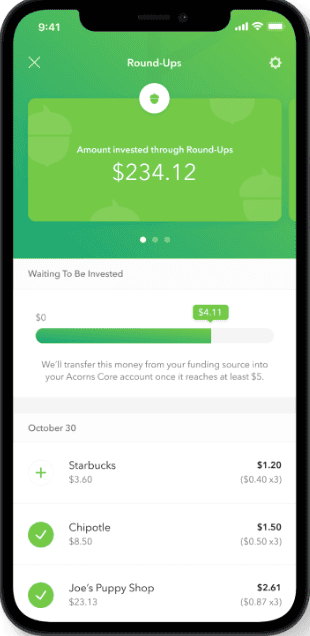
By automating this, you can use your regular spending habits to both reduce your debt and grow your retirement fund.
These tools require little mental effort. (You might be surprised how much small round-ups can add up over time.)
13. Use Cash Flow Surpluses to Pay Debt, Then Reinvest in Tax-Advantaged Accounts
If you’re seeing an increase in cash flow — through a salary raise, bonus, or new income stream — split it between paying down high-interest debt and maxing out tax-advantaged accounts.
For example, if you get a bonus, use a percentage of it toward retirement contributions. The rest is to pay down high-interest credit cards. This way, you’re making your money work in multiple areas at once. And you don’t have to choose between saving for the future and reducing debt.
14. Convert Unused Gift Cards or Rewards Points Into Retirement Savings
Many of us end up with gift cards or loyalty points from various retailers at some point.
If you have a stack of unused gift cards, consider selling them for cash and directing that money to a retirement account.
Also, some credit cards let you redeem points for cash or direct them toward an investment fund. While this might not be a huge amount of money, it’s a small, creative way to build up retirement savings over time, often without any additional effort.
15. Use a 0% Interest Credit Card for Big Expenses and Invest the Cash Flow
If you’re confident in your ability to pay off the debt before the 0% interest rate expires, using a 0% interest credit card for large purchases (like home repairs or big-ticket items) can free up cash flow.
But instead of using that extra cash to simply maintain your lifestyle, direct it to a tax-deferred retirement account. The key here is to make sure that the 0% interest period is used wisely and paid off before any interest starts accruing. This turns your debt repayment into a strategy for building wealth.
16. Use Debt Consolidation Loans to Create a Fixed Debt Repayment Schedule and Allocate Savings to Retirement
If you have multiple debts at varying interest rates, consolidate them into one fixed-rate loan to reduce stress and free up cash flow.
Once your debts are consolidated, take the monthly savings you would’ve paid in interest and use it to fund your retirement accounts. The fixed schedule and predictable repayment will help you budget more effectively — creating space for retirement savings even as you work through your debt.
17. Sell Unused Assets and Invest in Retirement
Most people accumulate belongings they don’t use, such as old electronics, furniture, or vehicles.
Instead of letting these items gather dust, sell them and use the proceeds to pay off high-interest debt or invest in retirement accounts.
A one-time garage sale or auction could provide a meaningful contribution to your retirement fund, help reduce clutter, and pay off debt.
18. Invest in High-Interest Debt While Building Long-Term Passive Income Streams
Some types of passive income — like dividends or rental income — can be used to pay down debt while simultaneously funding your retirement savings.
For example, if you invest in dividend-paying stocks or real estate, use the passive income generated to cover monthly debt payments. Reinvest the surplus in retirement accounts to balance debt management with wealth-building over time.
19. Use Crowdsourcing for Emergency Debt Payments
If you find yourself in a situation with unexpected debt, such as a medical emergency or a costly repair, consider using crowdsourcing platforms. Options like GoFundMe or Patreon can help you raise funds for that specific debt so you don’t have to dip into your savings.
Be transparent about your goal and offer small incentives for contributions (like an entry to win a prize or a graphic tee).
Use the money solely for paying off the debt.
Once that burden is gone, allocate your freed-up funds toward retirement savings.
20. Start an Investment Fund Through a Small Business (And Pay Yourself First)
If you’re entrepreneurial, consider using a small business as a vehicle for retirement savings.
For example, you can operate a local coffee shop or an online store, and set up an automatic payment system where a portion of each sale goes directly into a retirement account. By paying yourself first, you make sure that both debt reduction and long-term wealth-building happen simultaneously.
21. Use Personal Loans for Debt Consolidation and Invest in Tax-Deferred Accounts
Personal loans, if used responsibly, can offer lower interest rates than credit cards.
Once you consolidate high-interest debt into a personal loan, use the freed-up funds (the money you would’ve paid in high-interest rates) to max out contributions to tax-advantaged retirement accounts.
Wrap up
Saving for retirement while managing debt is a challenging balancing act. But with the strategies we covered in this guide, you can effectively work toward both goals simultaneously.
The best part?
You’re not only paying down debt but also building wealth for the future.
Take charge of your financial situation today — start planning for retirement while managing debt, and see how quickly your financial goals can become a reality.
Here’s to your success!
Author Bio:

Ioana Wilkinson
Ioana is a business strategist and content writer for B2B tech and SaaS brands. She also helps aspiring entrepreneurs build remote businesses. Born in Transylvania and raised in Texas, Ioana has been living the digital nomad life since 2016. When she’s not writing, you can catch her snorkeling, exploring, or enjoying a café con leche in Barcelona!

Nikola Roza
Nikola Roza is a blogger behind Nikola Roza- SEO for the Poor and Determined. He writes for bloggers who don't have huge marketing budget but still want to succeed. Nikola is passionate about precious metals IRAs and how to invest in gold and silver for a safer financial future. Learn about Nikola here.