
Disclosure: Some of the links you’ll encounter are unique links. Click and buy something and I’ll earn some money, at zero expense to you. Thank you!
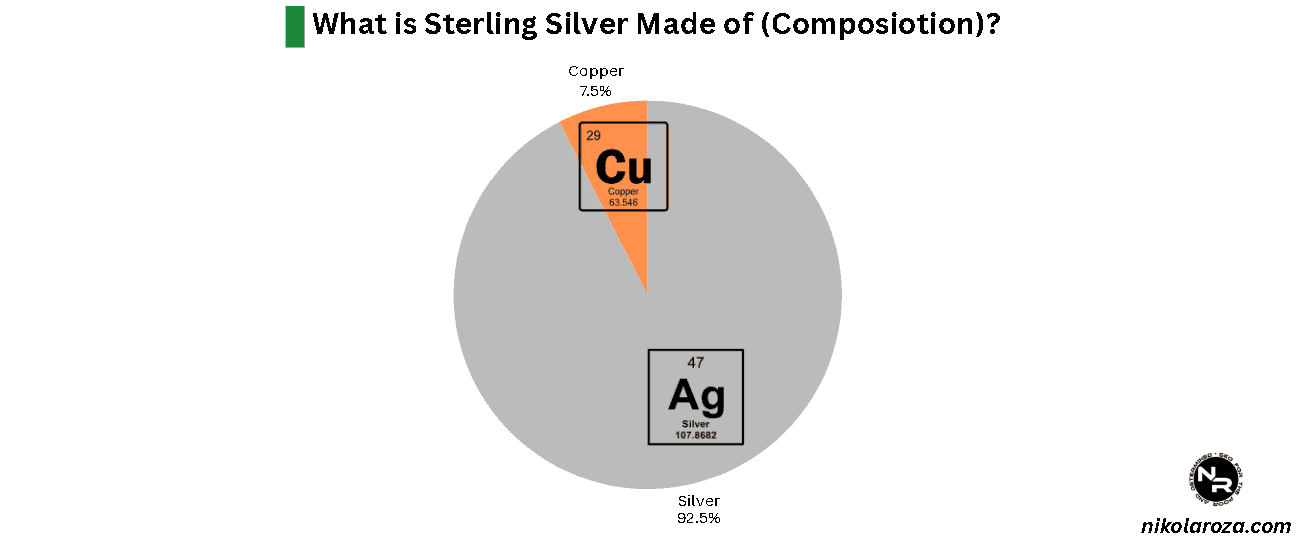
Sterling silver is a real silver alloy containing 92.5% pure silver and 7.5% other metals, typically copper.
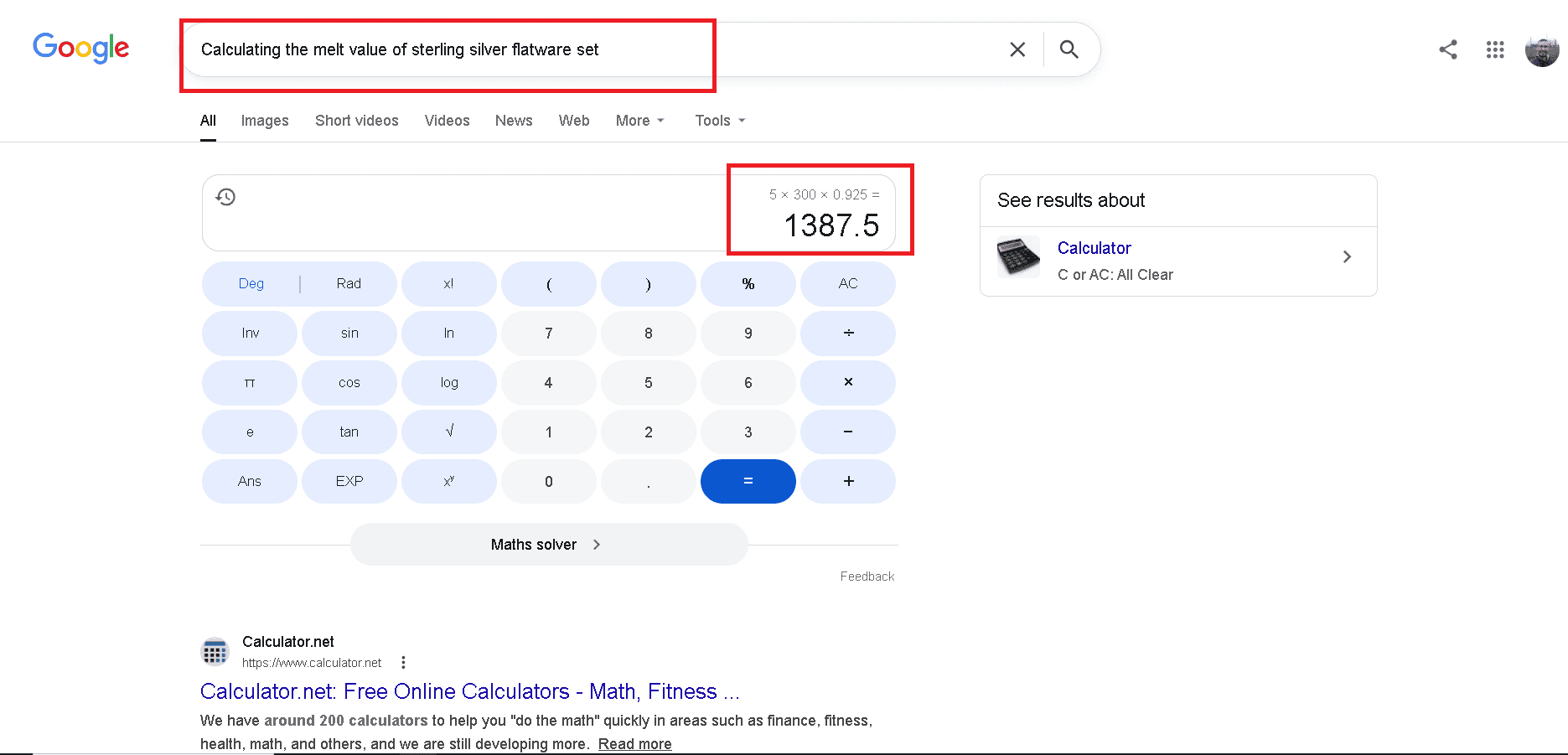
The term “sterling” originated from 12th-century England’s “Easterling” silver coins valued for their durability. To calculate sterling silver’s melt value, multiply the item’s weight by the current silver spot price, then by 0.925.
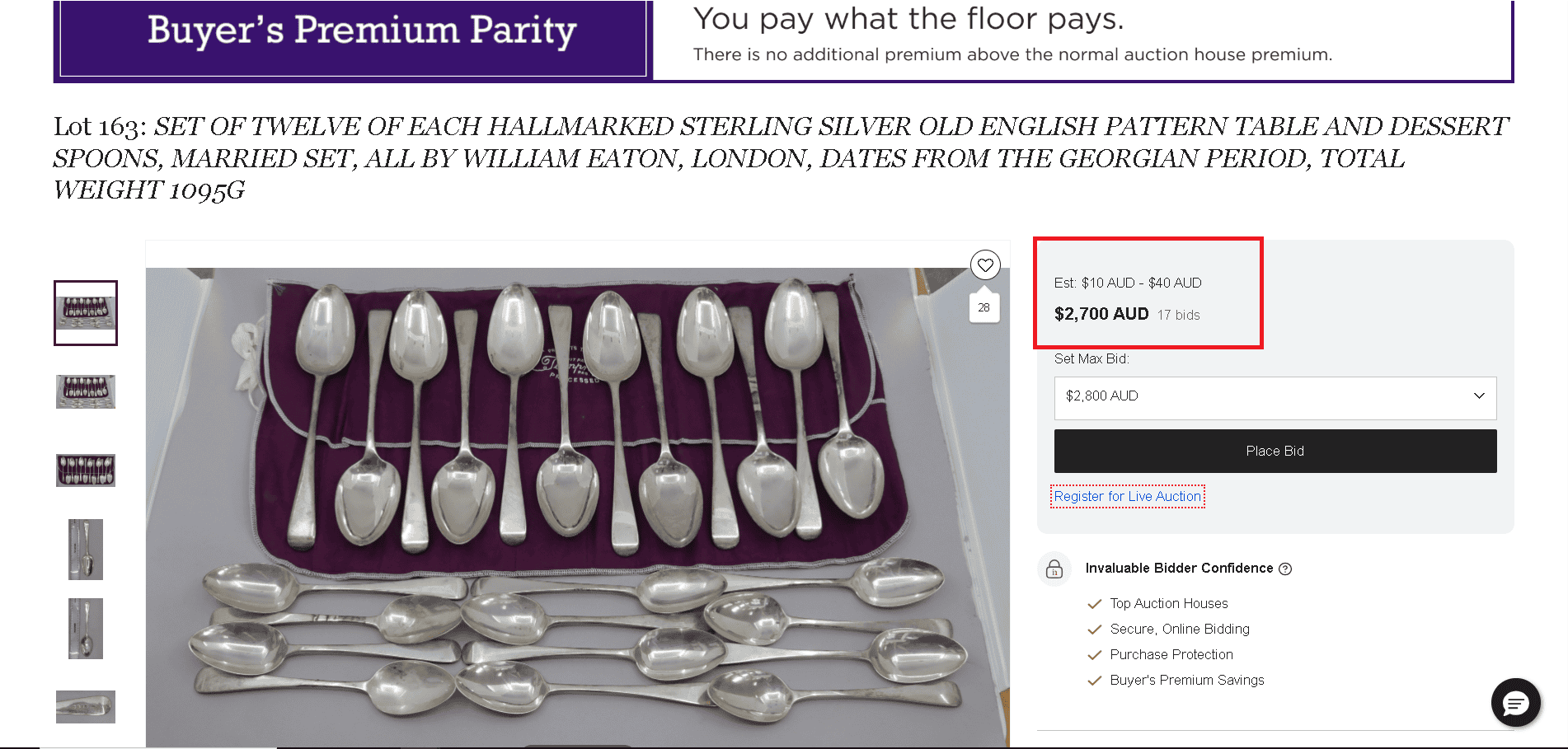
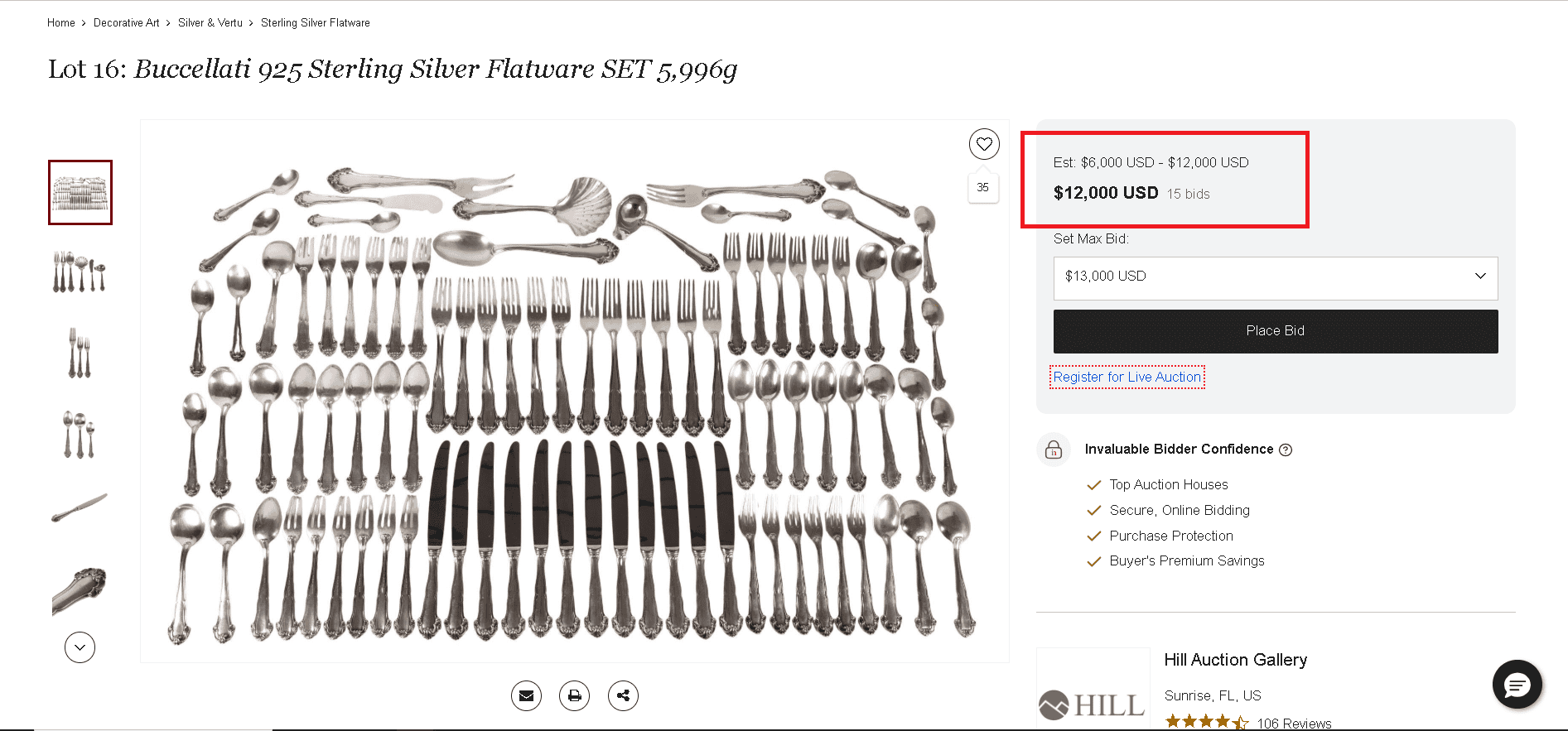
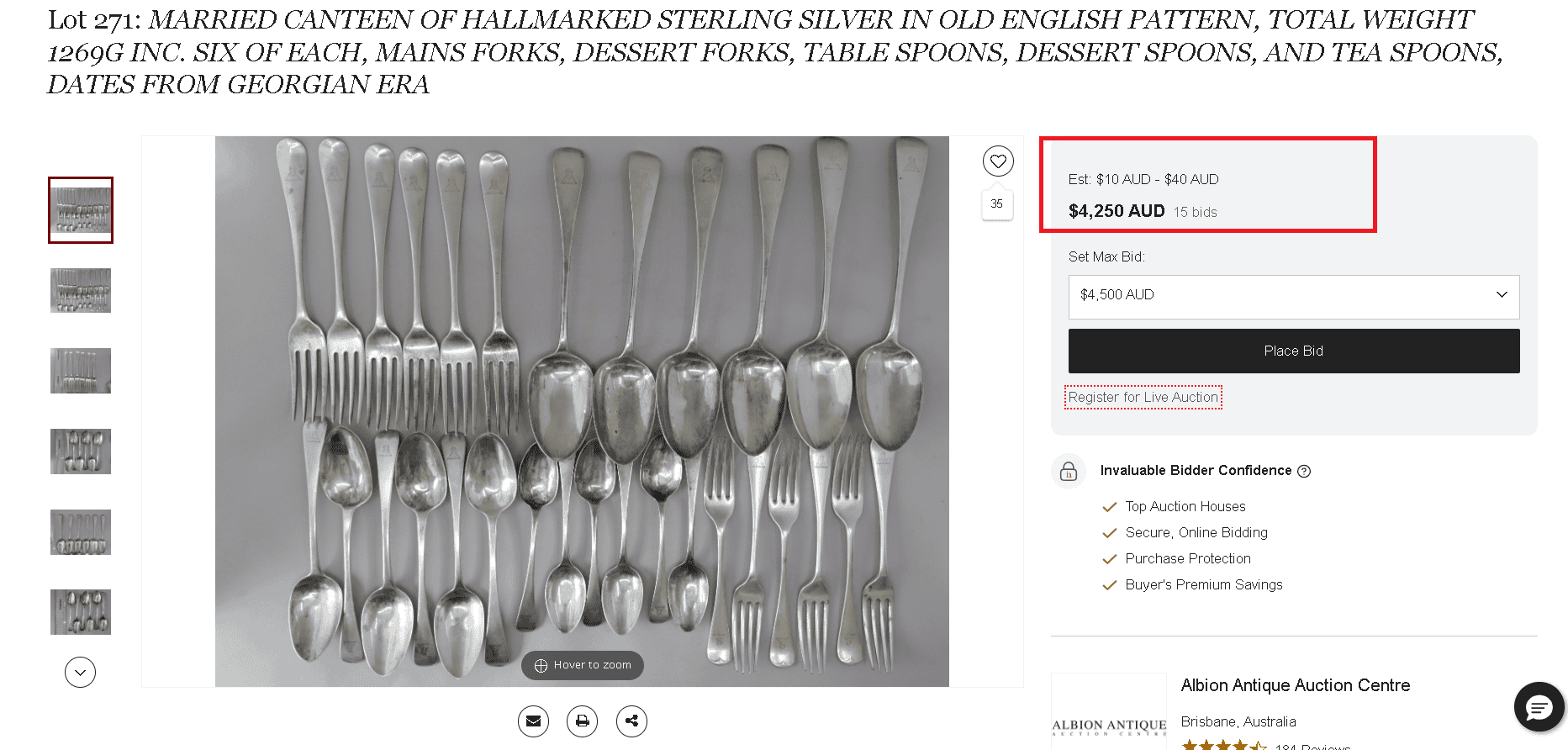
However, sterling silver collectibles often sell for much more than their melt value at auctions, with some flatware sets fetching thousands of dollars.
Over 95% of modern silver jewelry is made from sterling silver due to its beauty, durability, and affordability. While fine silver bullion (.999 purity) is more common for investment, sterling silver bullion exists but is rarer.
Sterling silver is generally hypoallergenic, non-magnetic (diamagnetic), and tarnishes over time due to its copper content. The copper also causes harmless green skin discoloration from oxidation.
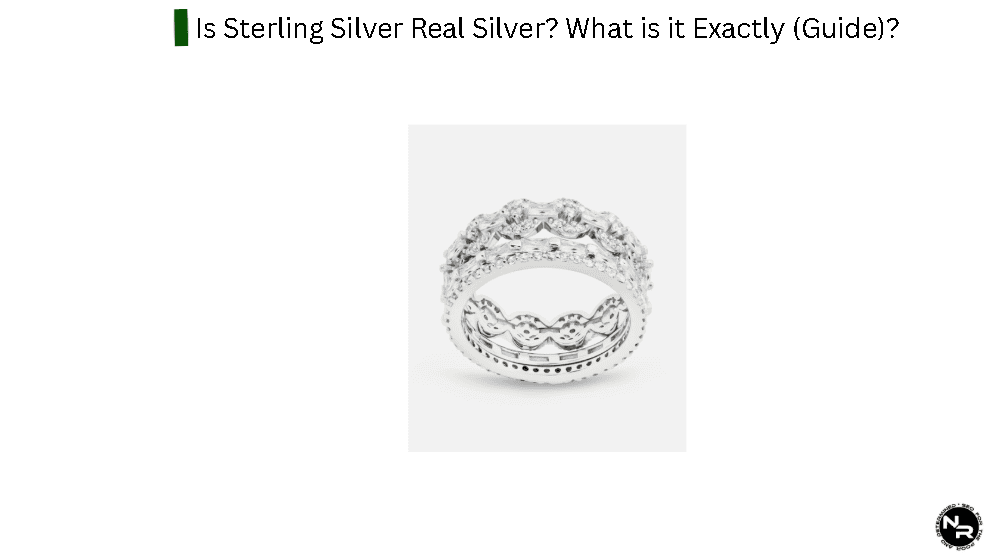
What is Sterling Silver (Definition and Meaning)? Is it a Real Silver Alloy?
Sterling silver is a silver alloy that’s 92.5% pure silver and 7.5% other metals, usually copper. It’s a real silver type and high-quality, durable, and malleable metal that’s often used to make jewelry and other accessories.
Sterling silver alloy originates from12th-century England where it was perfected during the reign of King Henry II. The term “sterling” originated from “Easterling” silver coins, which were favored for their durability.
What is the Melt Value of Sterling Silver? Is it Worth Anything?
The melt value of sterling silver depends on the current silver market price which fluctuates from moment to moment based on the demand/supply interplay.
To determine the worth of your .925 silver item first you need to measure its weight. Next, multiply the weight by the silver spot price and then by 0.925 (for 92.5% purity) to get the melt value.
For example, let’s say the current price of silver is $2.5 per gram. And your .925 silver object weighs 28 grams. The exact worth of that .925 silver item would be $2.5 x 28 x 0.928=$64.75.
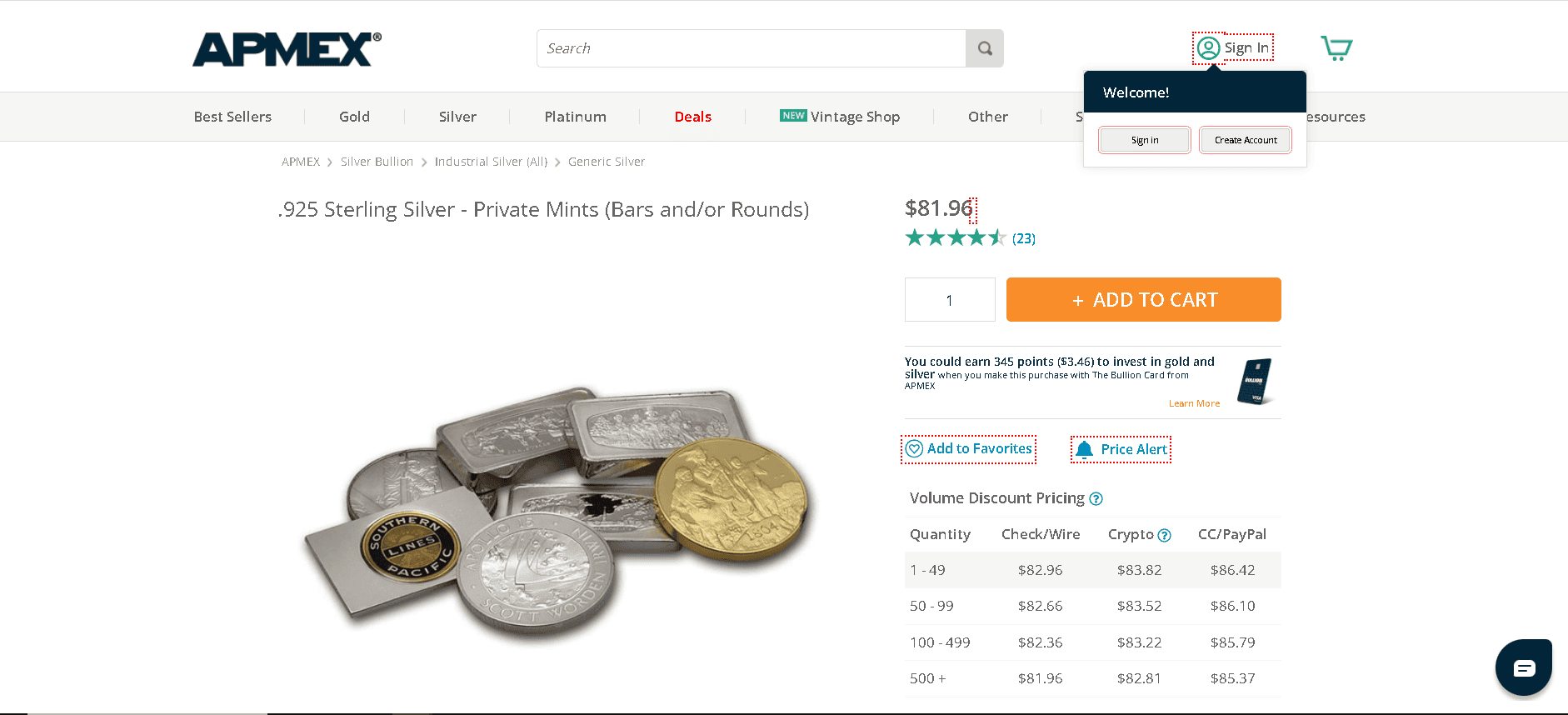
Sterling silver is worth much more when sold as collectible items. Some .925 items sell for hundreds of dollars at auctions when their melt value is several time less.
The value there isn’t in the silver content, but in the perceived value of the sterling silver piece as a whole.
This is easily noticeable with valuable sterling silver flatware sets where some of them have fetched thousand of dollars at auctions.
Take a look at the examples below.
Is There Jewelry Made From Sterling Silver?
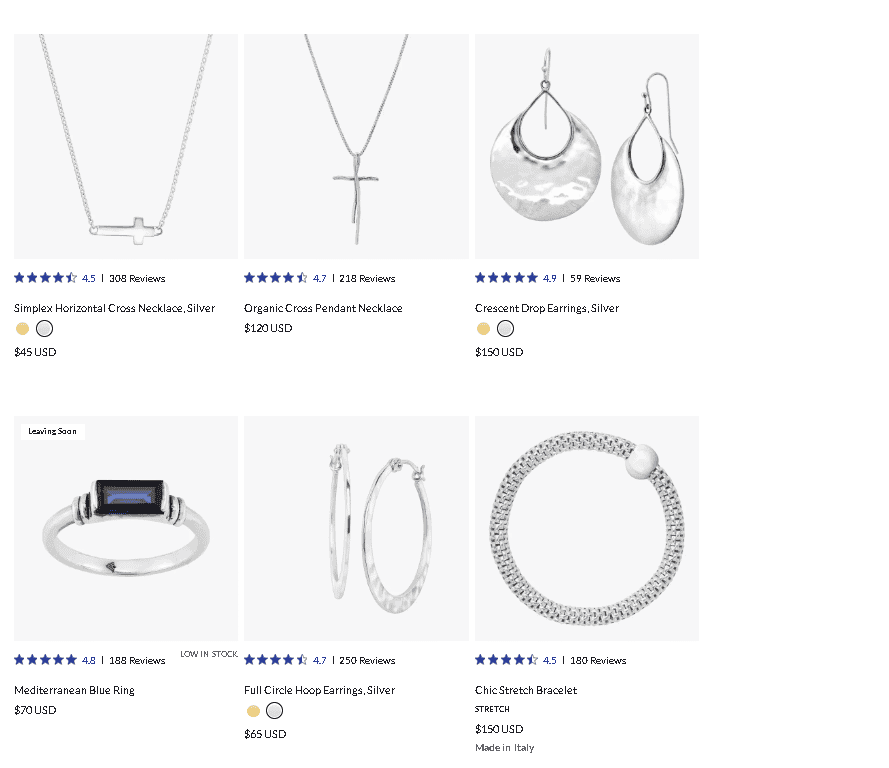
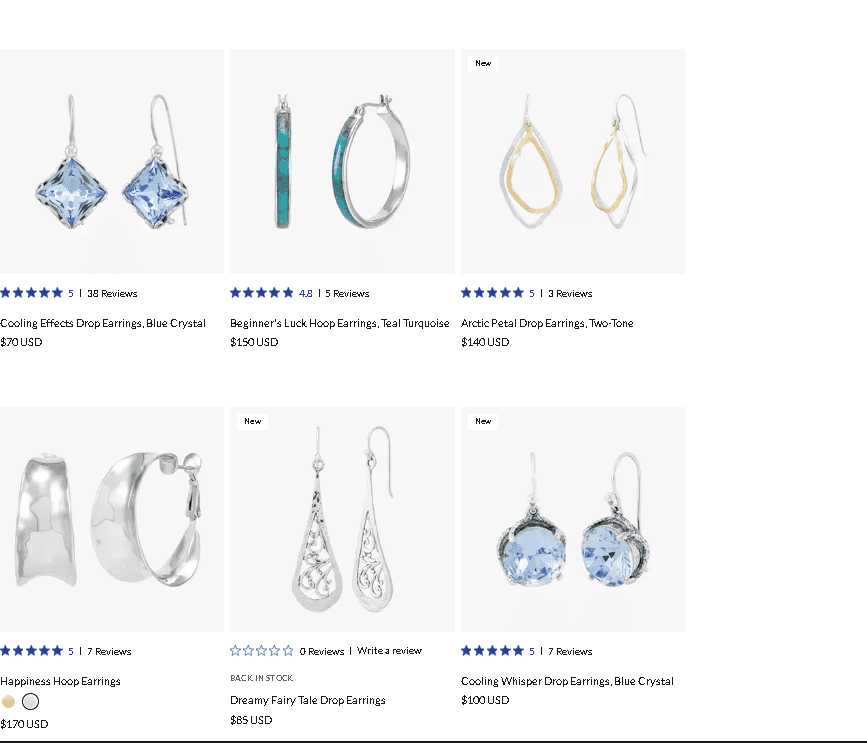
Yes, there’s jewelry made from sterling silver. In fact, nowadays >95% of all silver jewelry is made from sterling silver, and only 5% is made from all other silver alloys combined.
Sterling silver is a popular choice for jewelry due to its blend of beauty, durability, and affordability. 92.5% pure silver makes the alloy almost entirely made of silver and 7.5% copper gives the alloy strength and durability without impacting silver’s inherent shine.
Here’re some examples of sterling silver jewelry.
Is There Bullion Made from Sterling Silver?
Yes, there’s bullion made from sterling silver.
However, it’s relatively uncommon compared to bullion made from .999 silver (fine silver).
Most silver bullion is made from highest purity silver possible (.999) and this is the type of silver someone like you can buy and store it in their home or as part of their silver IRA.
.925 silver bullion is mostly made as per order for investor and collectors who like to own something unique.
Are you interested in purchasing genuine silver bullion? You need to work with a reputable U.S. gold investment company so you don’t fall for one of the many gold IRA scams.
I recommend you get in touch with Augusta Precious Metals. They’re a legit company with pristine online customer reviews that helps Americans open gold IRAs and purchase gold and silver as physical assets.

Is Sterling Silver Hypoallergenic or Allergenic?
Sterling silver is hypoallergenic and safe for most people to wear. It’s not allergenic.
However, copper within the sterling silver alloy reacts with the skin of humans who’re sensitive to this metal.
Cheap and especially fake sterling silver are often contaminated with zinc and nickel particles. These two base metals are known metal allergens that prevent many people from fully enjoying their jewelry.
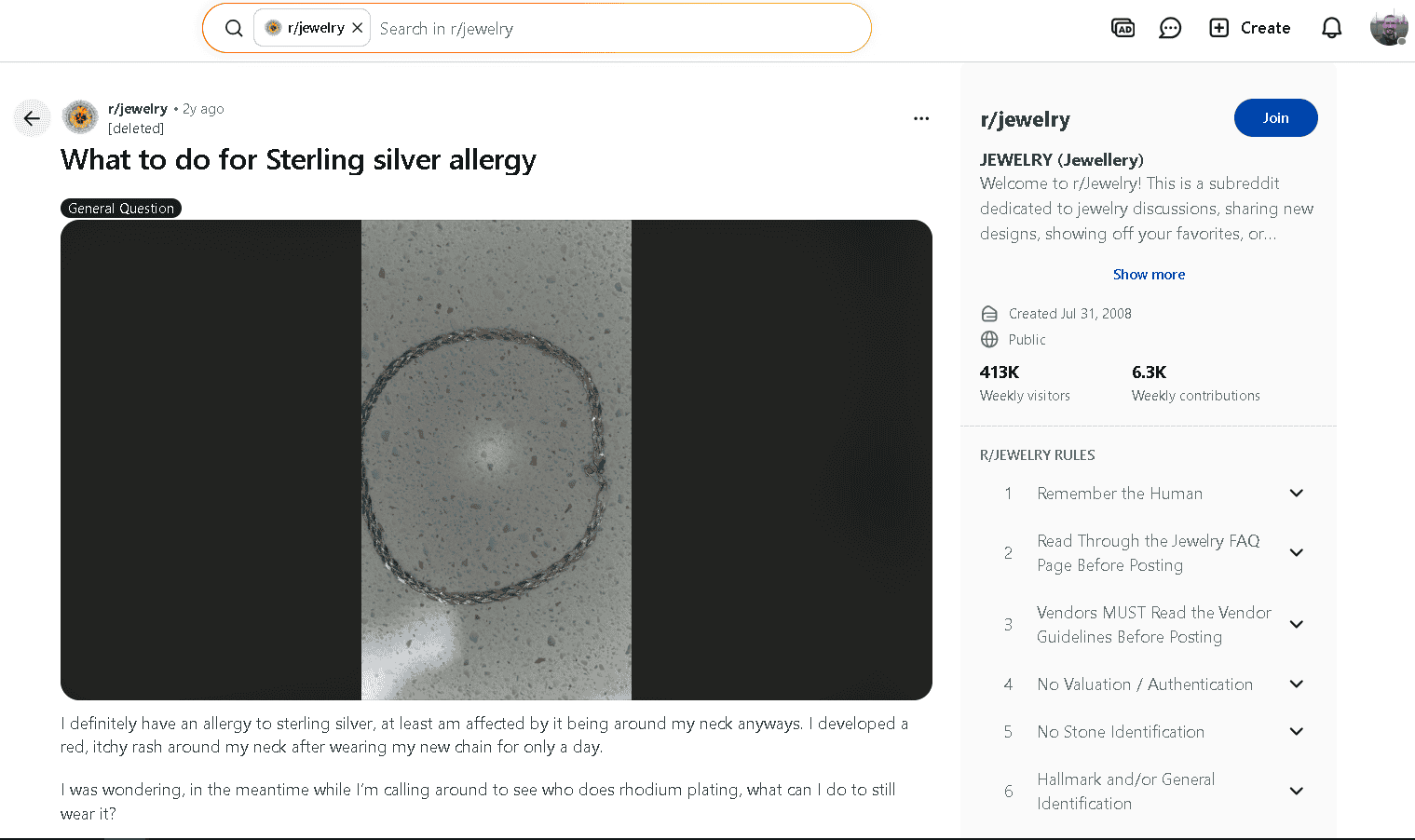
For example, here’s someone who bought a supposedly high quality sterling silver necklace. However, their new jewelry immediately stated giving them skin rashes and burns. The person had the jewelry tested and found it’s contaminated with microscopic nickel particles. And of course this person has a life long nickel allergy.
Is Sterling Silver Magnetic?
Yes, sterling silver is non-magnetic. Silver is a diamagnetic metal and won’t respond to a strong magnet even when said magnet is pressed against it.
Testing silver with magnets is an easy way to tell if something is real silver or not. It’s not genuine sterling silver if the silver item attaches to your magnet.
Does Sterling Silver Tarnish?
Yes, sterling silver tarnishes over time.
Sterling silver tarnishes because of the 7.5% copper within its alloy. Copper is alloyed with silver to make sterling silver more durable, but it also makes it more susceptible to tarnishing.
| Substance | Tarnish (Yes/No) |
|---|---|
| Water | Water doesn't tarnish sterling silver, but it accelerates the tarnishing process by reacting with sulfur compounds in the air to form silver sulfide. |
| Fire | Fire and heat don't tarnish sterling silver in the traditional sense, but extreme temperatures cause oxidation, discoloration, and even melting (silver melts at 1,763°F/962°C). Brief exposure to flame leaves dark marks or a rainbow-like oxidation layer on the sterling silver item's surface. This is different from the black sulfide tarnish caused by air exposure. |
| Chlorine | Chlorine is highly damaging to sterling silver, causing chemical reactions that lead to corrosion, discoloration, and permanent pitting or erosion of the metal. Pool water, hot tubs, and bleach should be avoided when wearing sterling silver jewelry, as chlorine creates irreversible damage rather than simple tarnish that can be polished away. |
| Bleach | Bleach (sodium hypochlorite) is extremely harmful to sterling silver, causing rapid and severe chemical reactions that corrode, discolor, and permanently damage the metal. |
| Baking soda | Baking soda doesn't tarnish sterling silver and is commonly used to clean it. Baking soda helps remove tarnish through a gentle chemical reaction when combined with aluminum foil and hot water. |
| Toothpaste | Toothpaste doesn't tarnish sterling silver and is sometimes used as a makeshift polish to remove tarnish. But, it's not recommended by jewelry professionals. Most toothpastes contain abrasive particles that scratch and dull the finish and cause more harm than good over time. |
| Vinegar | Vinegar (acetic acid) doesn't tarnish sterling silver and can be used to clean light tarnish. Prolonged exposure or high concentrations can corrode and damage the metal. |
| Hydrogen peroxide | Hydrogen peroxide tarnishes and discolors sterling silver because it's an oxidizing agent that reacts with the metal's surface, causing darkening and accelerated oxidation. |
| Lemon juice | Lemon juice (citric acid) doesn't tarnish sterling silver but corrodes and damages it with prolonged exposure, causing pitting, discoloration and erosion of the metal's surface. |
| Makeup | Makeup doesn't directly tarnish sterling silver, but many cosmetics contain oils, chemicals, and sulfur compounds that accelerate tarnishing and leave residue buildup on silver jewelry. Products like foundation, hairspray, perfume, and lotions create a film on silver surfaces that attracts tarnish-causing agents and dull the metal's shine over time. |
| Nitric acid | Nitric acid is extremely corrosive to sterling silver and rapidly dissolves, pit, and destroy the metal through a vigorous chemical reaction that produces toxic fumes. This powerful oxidizing acid is sometimes used in professional silver testing or refining processes, but it causes severe and irreversible damage that completely ruins jewelry or decorative items. |
| Alcohol | Alcohol (isopropyl or ethanol) doesn't tarnish sterling silver and is safe to use for cleaning, as it evaporates quickly without leaving residue or causing chemical reactions. Pure alcohol doesn't damage silver, though some alcohol-based products like perfumes or hand sanitizers may contain additives that could contribute to tarnishing over time. |
Read here my detailed guide on sterling silver’s tarnishing properties (+ how to prevent tarnish from creeping in on your sterling silver jewelry).
Sterling silver turns human skin green. It’s a curious effect on human skin that happens because of the 7.5% copper content in its alloy.
Copper oxidizes and forms harmless skin-staining copper salts when it reacts with moisture, sweat, oils, and various chemicals. This natural reaction isn’t harmful and you can wash it off easily with soap and warm water.
- Sterling silver- https://en.wikipedia.org/wiki/Sterling_silver
- The Low Down on Sterling Silver: What is Sterling Silver .925 and How to Care for it- https://rellery.com/blogs/news/the-low-down-on-sterling-silver-what-is-sterling-silver-925-and-how-to-care-for-it
- Regular Silver vs. 925 Sterling Silver–What’s the Difference?- https://www.qevon.com/blogs/q-lifestyle/regular-silver-vs-925-sterling-silver-what-s-the-difference
- Sterling Silver v Silver Plated:
What’s the difference?- https://www.monicavinader.com/us/our-blog/silver-plated-vs-sterling-silver - What is Sterling Silver Jewelry? How is it Different to Silver?- https://simonewalsh.com/blogs/handmade-jewellery/all-about-sterling-silver
- Is sterling silver the same as 925 silver?- https://www.reddit.com/r/jewelry/comments/19ev1bk/is_sterling_silver_the_same_as_925_silver/
- What is sterling silver?- https://www.usgs.gov/faqs/what-sterling-silver

Nikola Roza
Nikola Roza is the owner of Nikola Roza- Everything You Can Learn About Precious Metals. He writes for people who love precious metals and jewelry and who're interested in adding gold, silver platinum and palladium to their Gold IRAs and retirement portfolios.
