Disclosure: Some of the links you’ll encounter are unique links. Click and buy something and I’ll earn some money, at zero expense to you. Thank you!
Black gold is a real, human-made gold alloy that doesn’t occur naturally. It’s created through electroplating yellow gold with black rhodium or ruthenium, alloying gold with metals like cobalt (75% gold, 25% cobalt), laser treatment and purposeful oxidation processes.
Black gold is generally hypoallergenic and non-magnetic, except when alloyed with cobalt, which creates magnetic properties for the alloy.
Black gold is used exclusively for jewelry applications and is available primarily in 14k and 18k variants.
The plated varieties of black gold tarnish and fade over time, with black coatings typically lasting 6 months to 2 years before requiring re-plating. Avoid exposure to chlorine and bleach, which accelerate degradation.

What is Black Gold (Meaning and Definition)? Is it Real? What is it Made of?
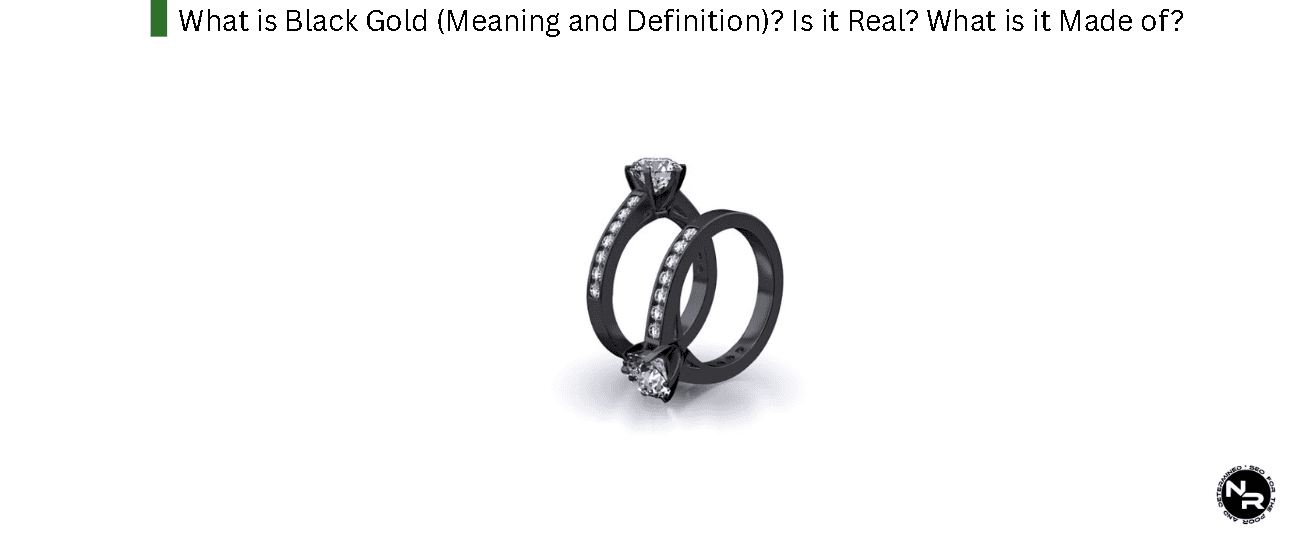
Black gold is gold type that’s been treated or alloyed to achieve a dark, blackish color through techniques like electroplating or mixing with other metals. Black gold is real, human-made gold alloy that doesn’t naturally occur in the world.
The most popular ways of making black gold are electroplating, alloying and laser treating. There’s also gold oxidizing as a method.
- Electroplating. Yellow gold is coated with a thin layer of a dark metal like rhodium or ruthenium. This is a common and affordable method, but the plating wears off over time, requiring re-plating.
- Alloying. Yellow gold is mixed with other metals like cobalt, palladium, or ruthenium to create a black alloy. The ratio of gold to the alloying metal is crucial for achieving the desired black color. For example, an alloy of 75% yellow gold and 25% cobalt form a black oxide layer with heat treatment at 700–950 °C.
- Laser treatment. Advanced laser technology alters the surface structure of gold to create a permanent black finish. This method is highly durable but more energy-intensive and expensive. This reflects on the final price of black gold jewelry.
- Oxidation. Some jewelers oxidize gold alloys to produce a dark patina. This process structurally weakens black gold.
>124 million ounces of gold are produced in a calendar year and only a negligible part of that amount goes towards production of black gold. Raw black gold isn’t real and there’re no black gold ores. Instead, yellow gold is mined and then later turned into black gold.
You like black gold which means you probably like real, yellow gold as well, right? Check this out next if you answered yes! Especially important if you’re an American citizen with a keen interest in the US economy and precious metal investing.
Is Black Gold Magnetic or Not?
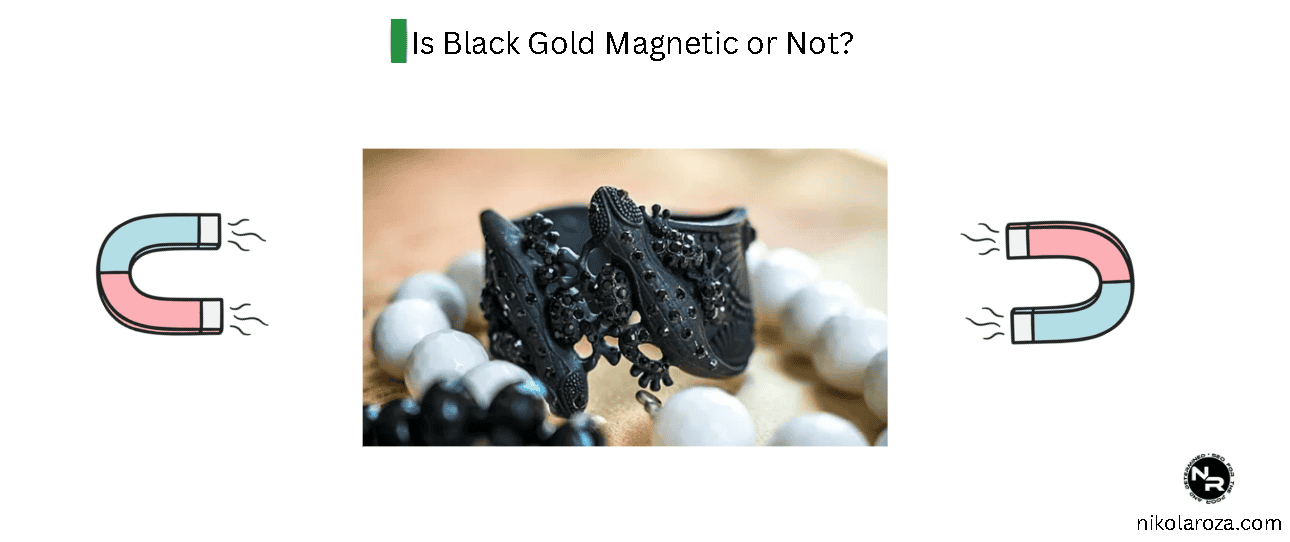
No, black gold isn’t magnetic.
Black gold doesn’t magnetize if it was created by electroplating black ruthenium and rhodium onto a yellow gold base. It’s because rhodium isn’t magnetic and ruthenium doesn’t magnetize too.
Black gold under certain circumstance becomes magnetic. Pure (yellow) gold is diamagnetic, meaning it’s weakly repelled by magnets. But yellow gold alloys, including black gold, introduce other metals that magnetize.
For example, cobalt is a ferromagnetic metal and black gold as an alloy of 75% yellow gold and 25% cobalt is magnetic. You can use a strong magnet to determine if a piece of black gold is magnetic. Black gold jewelry item was made with cobalt if the piece is attracted to the magnet.
You like black gold which means you probably like real, yellow gold as well, right? Check this out next if you answered yes! Especially important if you’re an American citizen with a keen interest in the US economy and precious metal investing.
Does Black Gold Tarnish and Fade? Does it Corrode, Rust and Oxidize?

Yes, black gold tarnishes and fades.
Black gold created by plating yellow gold (yellow gold fades and tarnishes) with a black coating of rhodium or ruthenium is initially resistant to tarnishing and fading. This is because rhodium doesn’t tarnish. And ruthenium doesn’t tarnish as well.
However, black gold starts to tarnish and fade once the plating is damaged or worn (thinned) out.
Here’s info about various substances and their effect on black gold.
- Fire. Fire and strong flames don’t tarnish black gold. However, extreme heat damages the black surface treatment (whether it’s PVD coating, oxidation, or other plating methods) and causes it to degrade and peel off, exposing the underlying gold alloy.
- Water. Black gold doesn’t tarnish in water. Water has minimal effect on properly treated black gold. However, prolonged exposure to saltwater gradually degrades certain black gold types, particularly if the coating is already compromised.
- Chlorine. Chlorine damages black gold. It weakens the bonds in black surface treatments and causes discoloration and degradation of the black finish. Regular exposure to chlorinated pools or hot tubs while wearing black gold jewelry accelerates deterioration of the black coating.
- Hydrogen peroxide. Hydrogen peroxide doesn’t tarnish black gold. It gradually affects certain types of black surface treatments. Avoid using hydrogen peroxide to clean black gold jewelry as it lightens and damages the black finish over time.
- Bleach. Bleach damages black gold. Bleach rapidly degrades the black surface treatment, causing discoloration, lightening and complete removal of the black finish. Even brief exposure should be avoided.
- Toothpaste. Toothpaste doesn’t tarnish black gold, but the abrasive particles in toothpaste scratch and wear away the black surface treatment. Over time, this abrasion thins the coating and exposes the underlying gold color.
- Lemon juice. Lemon juice doesn’t tarnish black gold in the short term. The acids in lemon juice generally can’t penetrate intact black surface treatments. However, repeated or prolonged exposure gradually degrade certain types of black coatings.
- Makeup. Makeup has minimal effect on black gold, though certain cosmetic products containing harsh chemicals or abrasives gradually affect the black finish with repeated contact.
- Vinegar. Vinegar doesn’t immediately tarnish intact black gold. However, vinegar’s acetic acid accelerates degradation of already damaged or worn black surface treatments, causing the coating to break down faster.
- Alcohol. Alcohol doesn’t tarnish and damage black gold. You can safely use rubbing alcohol (isopropyl alcohol) to clean black gold jewelry without harming the black finish.
- Nitric acid. Nitric acid damages black gold surface treatments and degrades most types of black coatings. Aqua Regia, a mixture of nitric acid and hydrochloric acid, dissolves the gold alloy beneath the black treatment.
You like black gold which means you probably like real, yellow gold as well, right? Check this out next if you answered yes! Especially important if you’re an American citizen with a keen interest in the US economy and precious metal investing.
Is Black Gold Hypoallergenic or Allergenic?
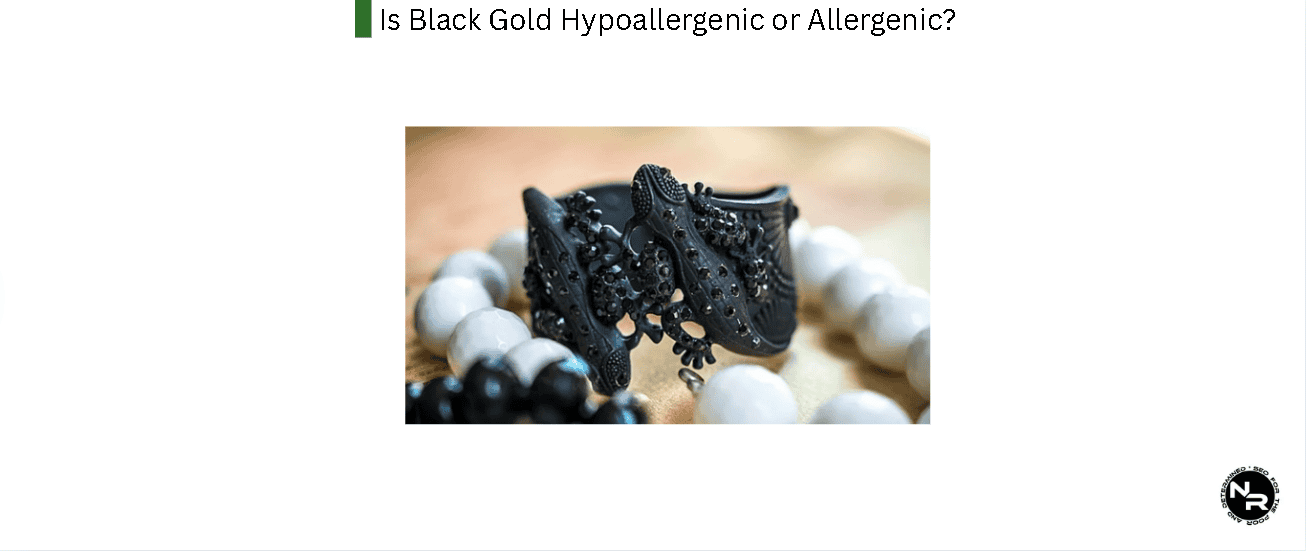
Yes, black gold is hypoallergenic. Yellow gold as base is hypoallergenic and both rhodium and ruthenium as coating are non-allergenic. You can read my ruthenium allergenic properties and rhodium allergenic properties guides by clicking on the links.
As mentioned, yellow gold is hypoallergenic, but different gold karats react differently when in contact with human skin. For example, 24k gold is hypoallergenic while 18k gold is probably ok for people with metal allergies. I say “probably” because 18k gold contains 75% pure gold and 25% other metals and these other metals cause problems in people with sensitive skin.
Nickel is a common culprit as it’s a very allergenic metal. Copper is another common trouble maker.
Lower karat golds are bigger offenders than 18k gold with 5k, 6k, 8k, 9k and 10k gold alloys having more allergenic metals than pure gold in them.
Bottom line is you need to know the purity of gold hiding under that shiny black coating. Black gold made by alloying pure gold and cobalt isn’t allergenic, except to rare people allergic to cobalt.

You like black gold which means you probably like real, yellow gold as well, right? Check this out next if you answered yes! Especially important if you’re an American citizen with a keen interest in the US economy and precious metal investing.
Is There Black Gold Jewelry? Does it Exist?
Yes, there’s black gold jewelry, though it’s very rare on the market especially compared to the more common colored gold jewelry like rose gold and white gold.
Black gold is available in 14k and 18k gold. 14k and 18k gold offer a good balance between gold content and durability, making them suitable for everyday wear.
Here’re some examples of black gold jewelry I found online. There’s more of it online, but still very rare.



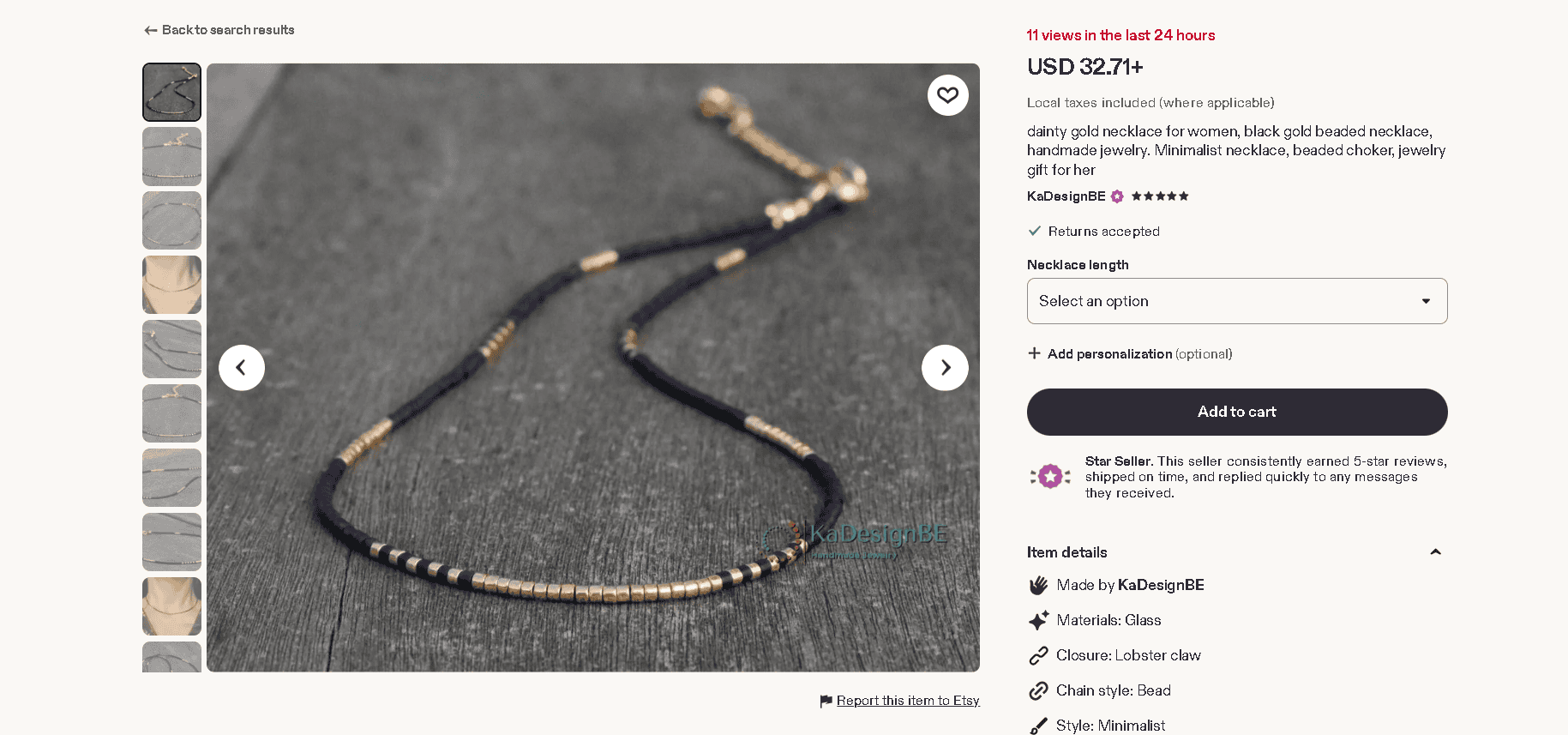

Before you purchase any black gold jewelry, make sure you check whether you’re purchasing real black gold or not. You don’t want to pay a lot of money for a scammy, worthless product.
The best way to ensure the authenticity of your black gold is to buy from a reputable store, look for the necessary gold hallmarks and demand a certificate of authenticity.
And once you go home you can perform one of the easy home gold testing methods to learn the truth and have piece of mind.
A typical scam is selling jewelry that’s black in color but not made of black gold. In this case black gold is replaced with a cheaper metal.
Common black gold replacement metals are black tungsten, black titanium, black ceramic and black carbon fiber.
- Black carbon fiber. Gold is a soft metal that scratches easily and can lose its shape, particularly in rings. Black carbon fiber offers a stronger, more durable alternative that resists heat and is lightweight. Carbon fiber is affordable and is combined with materials like wood grain and resin to create distinctive jewelry pieces.
- Black ceramic. Black gold is durable and won’t break if dropped, though it may scratch or bend. In contrast, black ceramic jewelry has an attractive sheen but is fragile and can shatter if dropped on hard surfaces like cement or tile. Black gold is malleable and its ability to be repaired makes it more practical than ceramic for everyday wear.
- Black titanium. Titanium is a popular jewelry material due to its lightweight, durable, and scratch-resistant properties. Titanium has a shiny, smooth appearance and is cheaper than black gold. However, the difficulty of working with titanium’s hardness increases costs and raises the overall price.
- Black tungsten. Tungsten is fragile like ceramic and shatters under hard impact. Like titanium, it can’t be resized or remade once formed. The material is scratch-resistant and maintains its shine over time, but has less flexibility than black gold.
You like black gold which means you probably like real, yellow gold as well, right? Check this out next if you answered yes! Especially important if you’re an American citizen with a keen interest in the US economy and precious metal investing.
Is There Black Gold Vermeil? Does it Exist?
No, black gold vermeil doesn’t exist. Yellow gold vermeil is common, but black gold vermeil isn’t because black gold is a novelty and rarity on the market, and very hard to buy, even online.
Other gold vermeil options are rose gold vermeil and white gold vermeil.
You can make a custom order to a jeweler and have them make you a unique, black gold vermeil jewelry piece.
But it’s going to cost you a lot.
You like black gold which means you probably like real, yellow gold as well, right? Check this out next if you answered yes! Especially important if you’re an American citizen with a keen interest in the US economy and precious metal investing.
How Long Does Black Gold Last?
Black gold plating typically lasts from 6 months to 2 years, depending on the quality of the plating and how well the item is cared for.
Black rhodium and ruthenium plating inevitably wear away over time due to friction, wear and tear, but the underlying gold remains intact.
Avoiding harsh chemicals and removing black gold jewelry during certain activities extends the life of the black finish leading to you needing to spend less money on replating.
Black gold made as an alloy of gold and cobalt lasts much longer than plated black gold as there’s no plating to fall of.
Is Black Gold Valuable? What’s the Worth of it? How to Measure the Value of Black Gold?
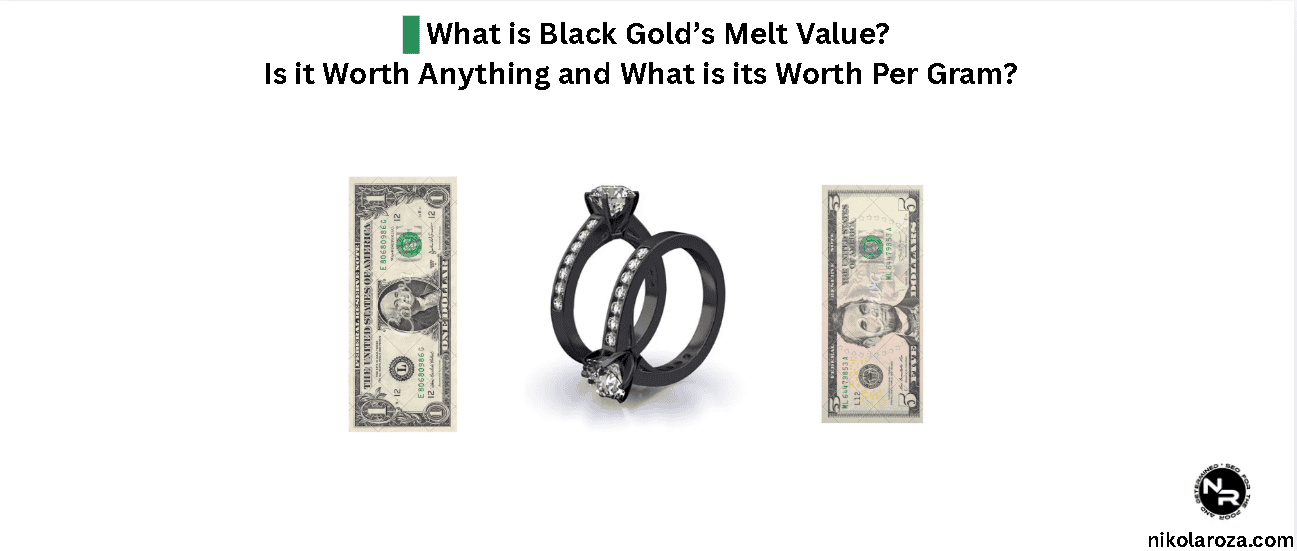
The worth of black gold depends on the current gold market price which fluctuates from moment to moment based on supply and demand interplay.
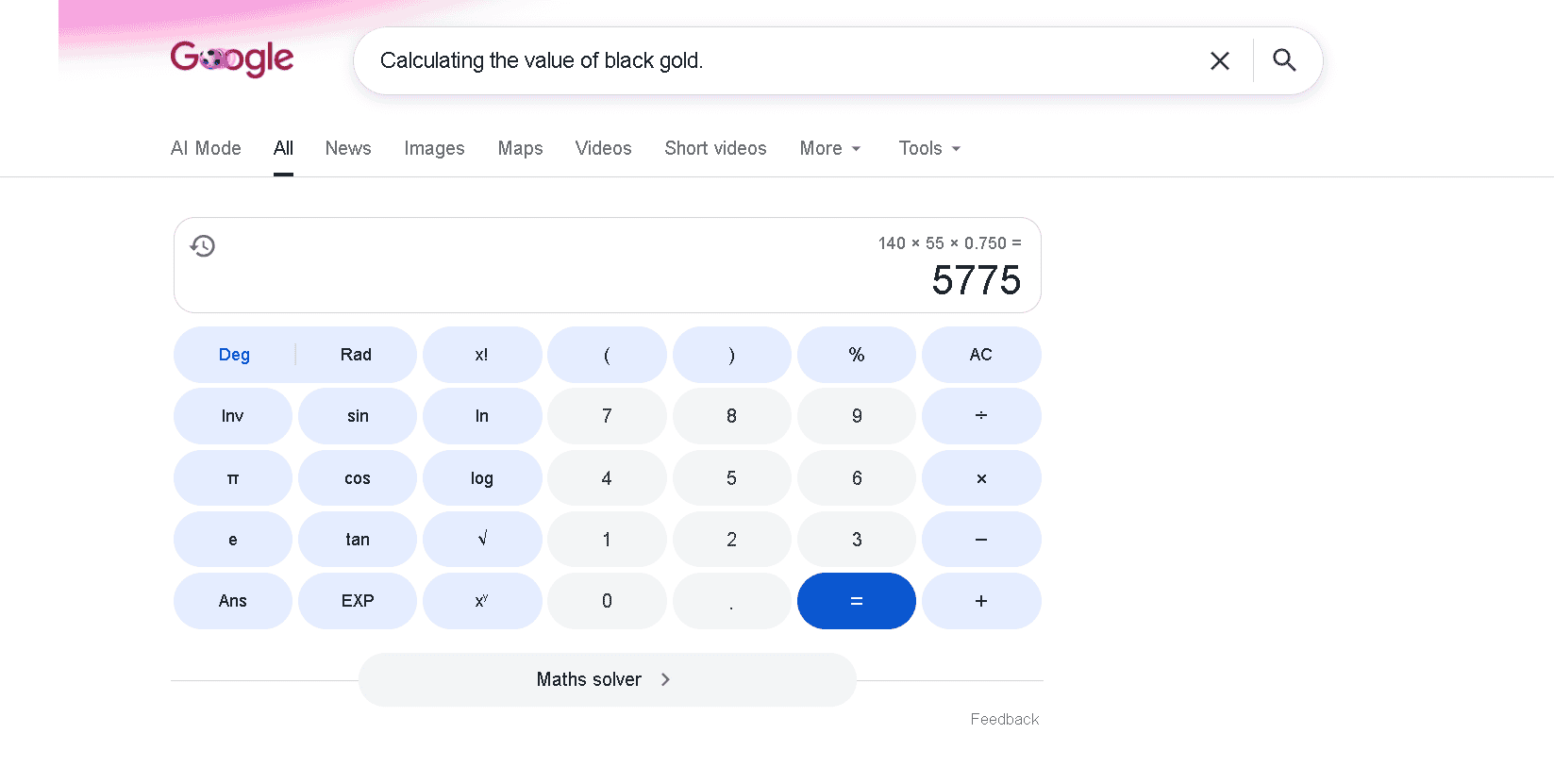
To determine the worth of a black gold item first you need to measure its weight. Next, multiply the item’s weight in grams with the current gold price per gram, and then multiply that by 0.750 (the amount of gold in black gold, with cobalt making up the remaining 25%).
For example, let’s say the current gold price is $140 per gram, and you have a black gold object that weighs 55 grams. The exact worth of that black gold item would be $140 x 55 x 0.750=$1575.
Is Black Gold as Precious as Yellow Gold?
Black gold is more valuable and precious than yellow gold in the right circumstances.
For example, black gold that was created by electroplating ruthenium and rhodium onto solid yellow gold is more valuable than most yellow gold alloys.
Lower karatage gold alloys like 5k, 6k, 8k, 9k and 10k gold have relatively little yellow gold and a lot of other inexpensive metals in them. For example, copper is very cheap compared to expensive precious metals that are ruthenium and rhodium.
Black gold made by alloying yellow gold and cobalt in ratio 75:25% is less valuable than 24k, 22k, and 20k gold alloys. It’s because all the above mentioned gold alloys have more than 75% pure gold in them. And cobalt is nearly worthless compared to pure gold.
You like black gold which means you probably like real, yellow gold as well, right? Check this out next if you answered yes! Especially important if you’re an American citizen with a keen interest in the US economy and precious metal investing.
Is it Possible to Include Black Gold as Part of a Gold IRA Account?
No, it isn’t possible to include black gold as part of a gold IRA account.
Gold IRA accounts can only contain gold IRA-eligible bars and coins and bullion made from other IRA-approved precious metals like silver, platinum and palladium.
Augusta Precious Metals is the place where you can buy genuine IRA-approved gold without worrying about gold IRA scams. Augusta is the best, safest gold IRA company in the USA and working with them is safe, secure and fast.
They also waive all fees for 10 years for all new customers, including for you if you decide to purchase.

Do Black Gold Coins and Bars Exist? Is That Bullion Real?
No, black gold coins and bars don’t exist and black gold bullion isn’t real. Black gold is a novelty gold alloy and only jewelry made from black gold currently exists.
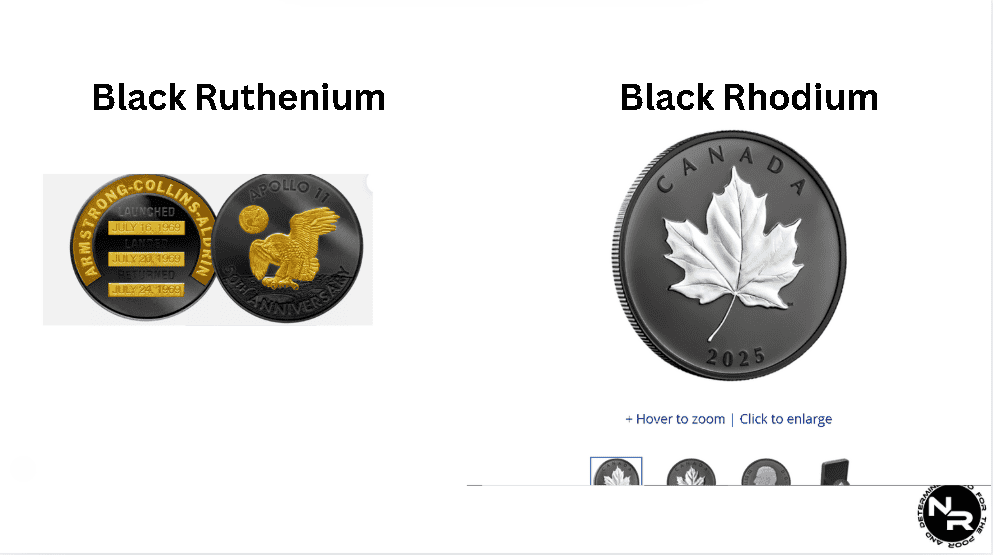
The only things on the market that resemble black gold coins are black ruthenium and black rhodium coins. These are made of ruthenium and rhodium, and not from yellow gold and definitely not from black gold
You like black gold which means you probably like real, yellow gold as well, right? Check this out next if you answered yes! Especially important if you’re an American citizen with a keen interest in the US economy and precious metal investing.
- What is Black Gold Jewelry and Should You Buy It?- https://jewelryinformer.com/gold/black-gold/
- Black Gold Jewelry Guide- https://diamondexchangehouston.com/black-gold-jewelry/
- What Is Black Gold: Your Ultimate Guide- https://www.nobbier.com/blogs/editorial/what-is-black-gold/
- Black Gold- https://www.reddit.com/r/jewelrymaking/comments/15lg330/black_gold/
- 18K Black gold- https://www.gemmyo.com/en/guidance/precious-metals/black-gold.html
- Vitamin B12 (hydroxocobalamin, cyanocobalamin): advise patients with known cobalt allergy to be vigilant for sensitivity reactions- https://www.gov.uk/drug-safety-update/vitamin-b12-hydroxocobalamin-cyanocobalamin-advise-patients-with-known-cobalt-allergy-to-be-vigilant-for-sensitivity-reactions
- Apollo 11 50th Anniversary NASA Space 32MM Robbins Medal 24K & BLACK RUTHENIUM- https://www.ebay.com/itm/312301908437
- Elegant Maple – 1 oz. Fine Silver Coin- https://www.mint.ca/en-us/shopping/archives/2025/elegant-maple-1-oz-fine-silver-coin-
- Black Gold- https://www.oomiay.com/en-at/collections/black-gold
- Black Gold Jewelry for Her- https://www.mareinewyork.com/collections/black-gold-jewelry-collection
- What Is Black Gold? Everything You Should Know- https://lexiejordanjewelry.com/blogs/posts/what-is-black-gold
- What is Black Gold?- https://watcher.guru/news/what-is-black-gold
- Black Gold: Everything You Need to Know About This Metal- https://www.jewelryshoppingguide.com/what-is-black-gold/

Nikola Roza
Nikola Roza is the owner of Nikola Roza- Everything You Can Learn About Precious Metals. He writes for people who love precious metals and jewelry and who're interested in adding gold, silver platinum and palladium to their retirement portfolios. Nikola is passionate about gold IRAs and investing in multiple asset types for a safer financial future. He also runs a successful online jewelry store where you can buy precious metal jewelry and various replicas of famous coins and bars. Learn about Nikola here.