Disclosure: Some of the links you’ll encounter are unique links. Click and buy something and I’ll earn some money, at zero expense to you. Thank you!
Ruthenium is hypoallergenic and one of the least likely jewelry metals to cause allergic reactions. This means ruthenium isn’t toxic in its solid form as used in jewelry.
However, while ruthenium is hypoallergenic, it’s often alloyed with allergenic metals which then make it allergenic. Ruthenium is also used to thinly coat allergenic base metals (like copper or nickel or even sterling silver) in jewelry design, and allergic reactions occur when this coating is damaged or severely thinned out.
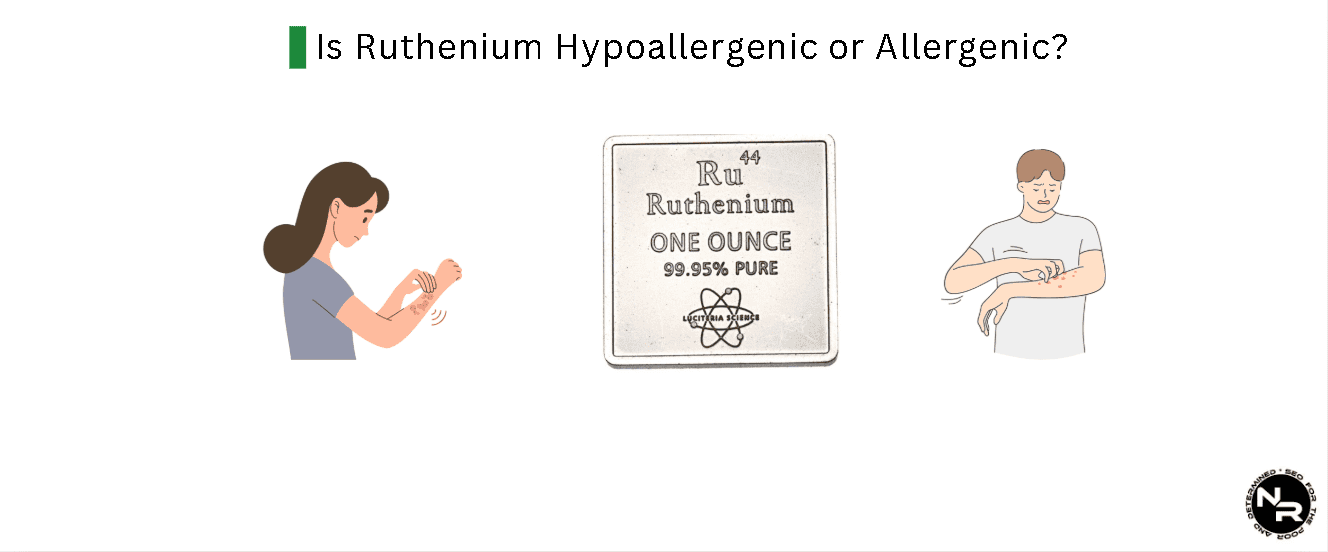
Can You Be Allergic to Ruthenium?
Yes, it’s possible to be allergic to ruthenium.
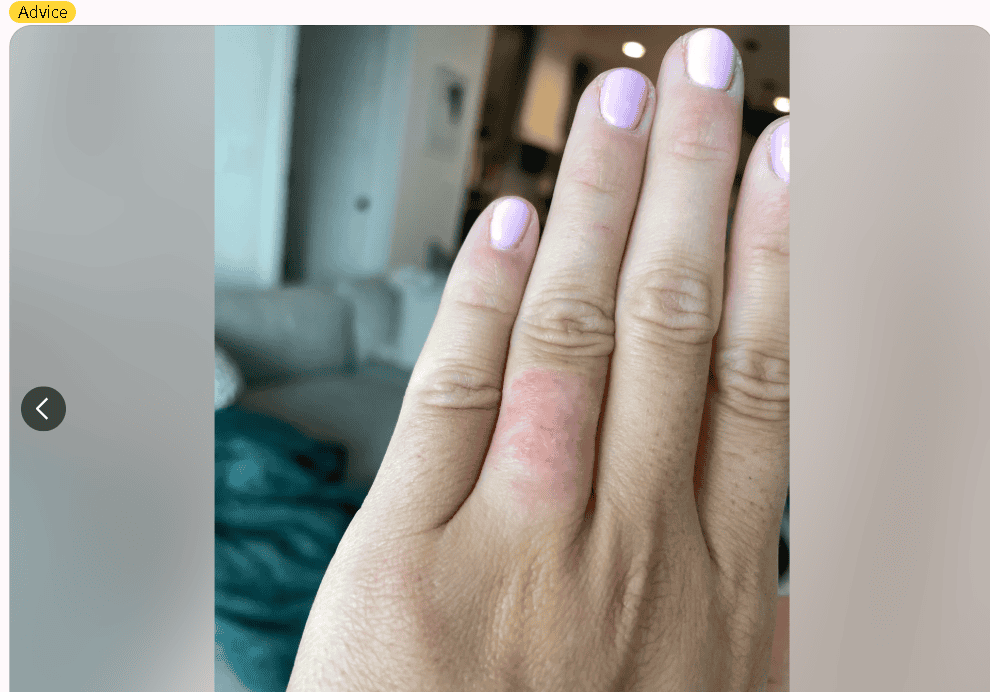
Ruthenium allergies manifest as contact dermatitis. This means skin irritation, redness, itching, or rashes when the metal touches your skin. This is similar to allergic reactions seen with metals like nickel or chromium.
What are the Symptoms of Ruthenium Allergy?
The symptoms of a ruthenium allergy are itchy, red skin with possible swelling, blisters, and dryness.
A rash appears where the skin has been in touch with ruthenium. Ruthenium allergy symptoms typically appear 12 to 48 hours after contact and last for several weeks if exposure isn’t stopped.
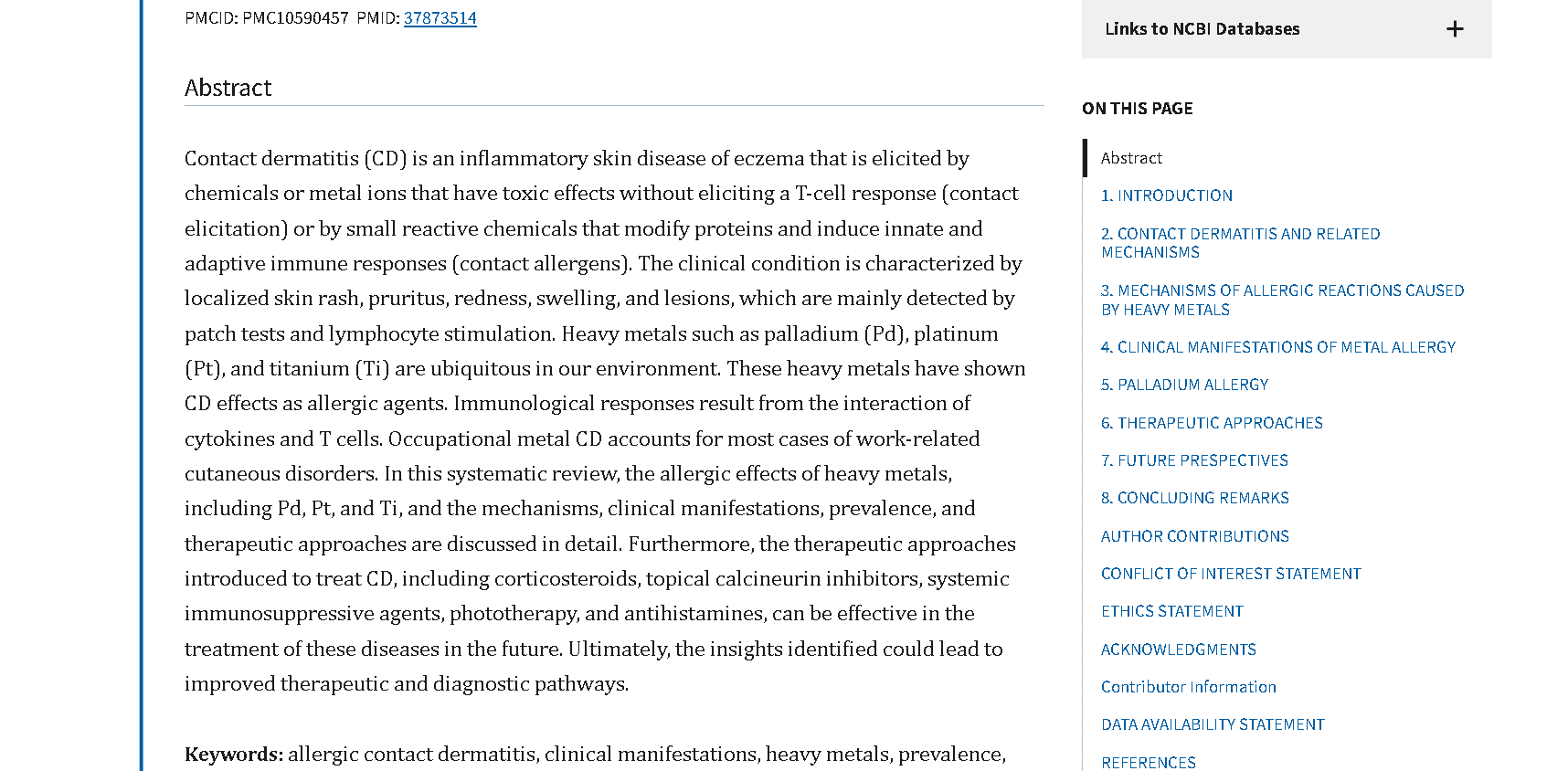
Ruthenium belongs to the platinum group metals (PGMs). People with allergies to other metals in this group (platinum, palladium, iridium…) have an increased likelihood of reacting to ruthenium.
Ruthenium isn’t allergenic, it’s hypoallergenic. Check this out once you’re done reading, especially if you’re an American with a worry about the economy and an interest in precious metal investing and inflation hedges.
Is Ruthenium-Plated Jewelry Hypoallergenic?
Yes, ruthenium-plated jewelry is hypoallergenic if ruthenium plate is intact and isn’t damaged or severely thinned out.
Damaged ruthenium plate over allergenic base metal gives rashes to people with specific metal sensitivities.
Is Ruthenium Bullion Hypoallergenic?
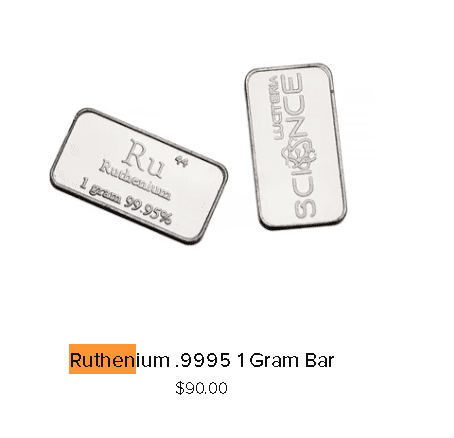
Yes, pure ruthenium bullion is hypoallergenic.
You won’t get dermatitis handling your pure ruthenium bullion provided you’re not one of rare people who’s allergic to ruthenium.
Is Solid Ruthenium Toxic to Humans?
No, solid ruthenium isn’t toxic to humans.
However, ruthenium’s compounds and radioactive forms are highly toxic and carcinogenic, making it hazardous in many chemical and biological contexts.
The risks depend entirely on the specific chemical form of the ruthenium.
The bottom line is that ruthenium used in jewelry production is always 100% safe and non-toxic.
Ruthenium isn’t allergenic, it’s hypoallergenic. Check this out once you’re done reading, especially if you’re an American with a worry about the economy and an interest in precious metal investing and inflation hedges.
Ruthenium vs Gold- Which Precious Metal is More Allergenic?
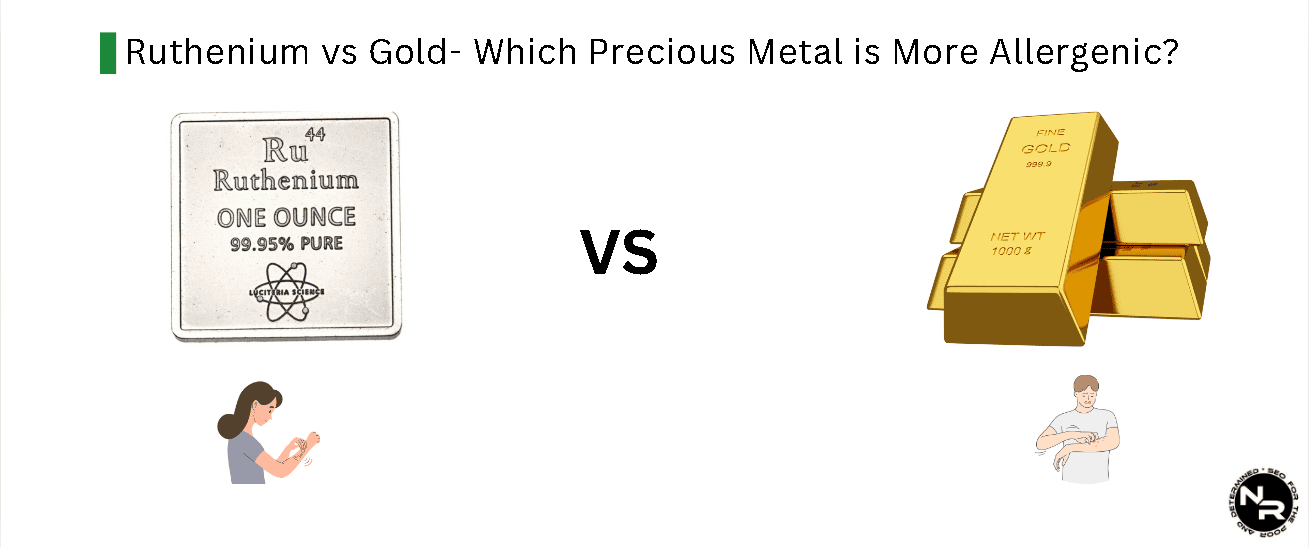
Ruthenium is significantly less allergenic than gold.
In jewelry, gold is frequently alloyed with allergenic metals like nickel and copper to boost its durability and hardness. Meaning only 24k gold is truly hypoallergenic and all other gold alloys are allergenic to a certain degree.
Ruthenium is almost never alloyed with any other metal (because it’s so scarce) and it belongs to the platinum group metal family whose members are all hypoallergenic by nature.
Ruthenium vs Silver- Which Precious Metal is More Allergenic?
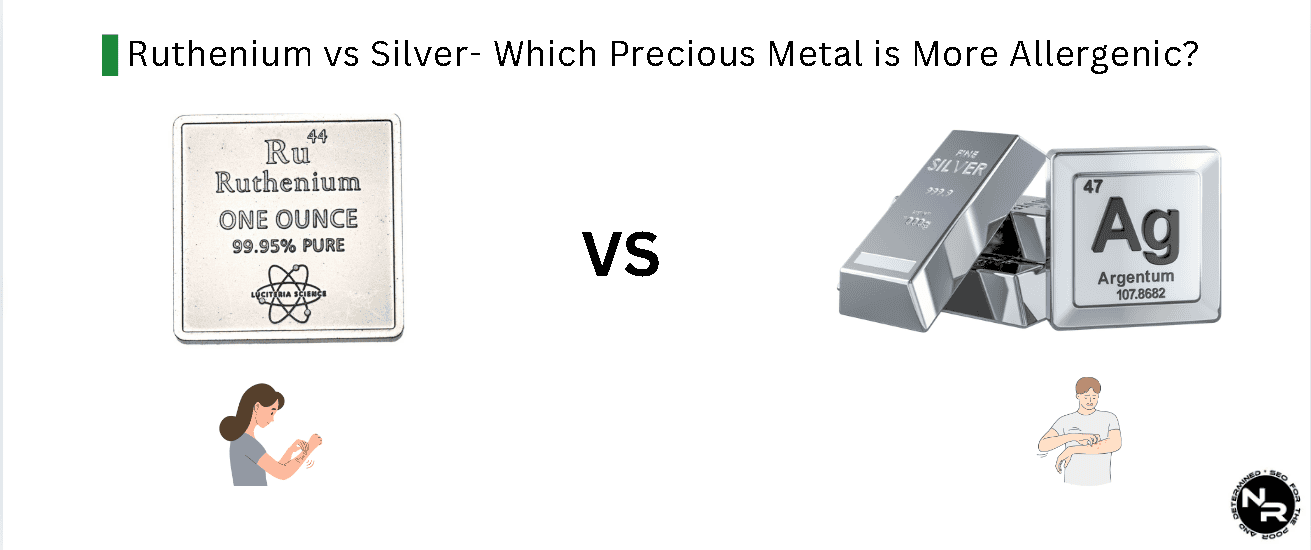
Ruthenium is less allergenic than silver because it belongs to the non-reactive platinum family of metals.
Pure silver is hypoallergenic, but pure silver is almost never used for jewelry design. Instead, silver is alloyed with other metals to increase its strength and durability and it’s these metals that make silver more allergenic than ruthenium.
The biggest usage for pure silver is the creation of IRA-approved silver. These are the silver coins and bars you can own as part of your silver IRA.
Ruthenium isn’t allergenic, it’s hypoallergenic. Check this out once you’re done reading, especially if you’re an American with a worry about the economy and an interest in precious metal investing and inflation hedges.
Ruthenium vs Platinum- Which Precious Metal is More Allergenic?
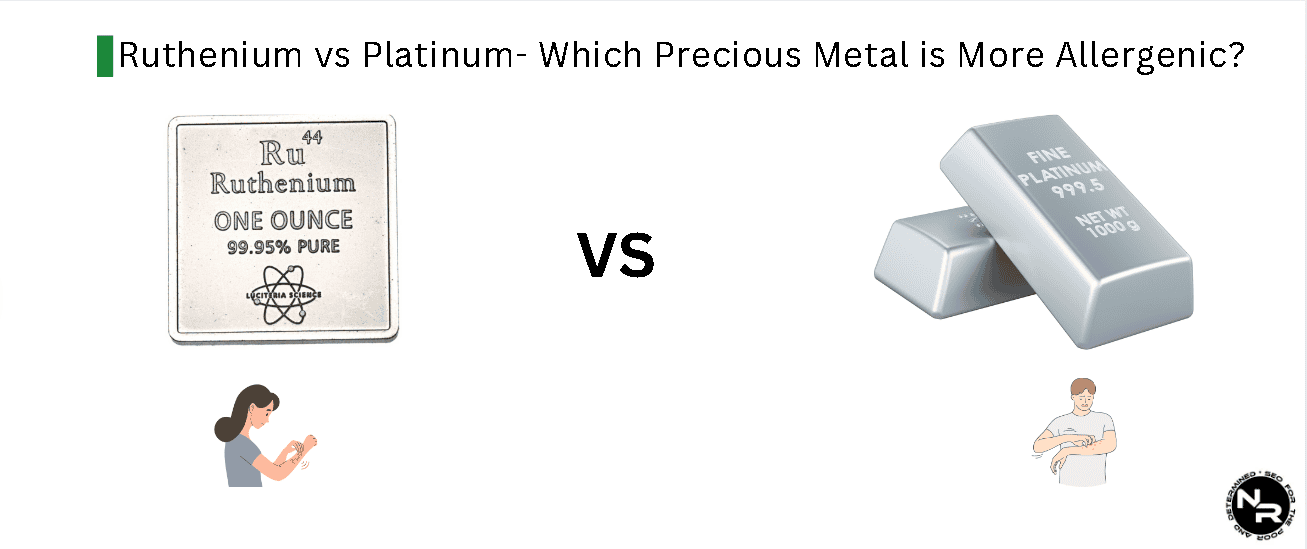
Ruthenium is significantly less allergenic than platinum.
In jewelry design platinum is alloyed with allergenic metals like nickel and copper to boost its durability and hardness. Meaning only 24k, pure platinum is truly hypoallergenic and all other platinum alloys are allergenic to a certain degree.
Ruthenium is scarce and almost never alloyed with any other metal. Plus, it belongs to the platinum group metal family whose members are all hypoallergenic by nature.
Ruthenium vs Palladium- Which Precious Metal is More Allergenic?

Ruthenium is significantly less allergenic than palladium.
In jewelry design palladium is frequently alloyed with allergenic metals like nickel and copper to boost its durability and hardness. Meaning only 24k, pure palladium is truly hypoallergenic and all other palladium alloys are allergenic to a certain degree.
Because of its scarcity ruthenium is almost never alloyed with any other metal and it belongs to the platinum group metal family whose members are all hypoallergenic by nature.
Palladium is more likely to cause an allergic reaction than ruthenium due to its higher rate of sensitization and cross-reactivity with nickel.
- Love my stack but I’ve developed ring rash the last two years- https://www.reddit.com/r/EngagementRings/comments/z3o67e/love_my_stack_but_ive_developed_ring_rash_the/
- Systemic allergic contact dermatitis to palladium, platinum, and titanium: mechanisms, clinical manifestations, prevalence, and therapeutic approaches- https://pmc.ncbi.nlm.nih.gov/articles/PMC10590457/

Nikola Roza
Nikola Roza is the owner of Nikola Roza- Everything You Can Learn About Precious Metals. He writes for people who love precious metals and jewelry and who're interested in adding gold, silver platinum and palladium to their Gold IRAs and retirement portfolios.