Disclosure: Some of the links you’ll encounter are unique links. Click and buy something and I’ll earn some money, at zero expense to you. Thank you!
Platinum vermeil is sterling silver electroplated with a thick platinum layer of at least 2.5 microns, often with added rhodium coating for extra brilliance. It’s an affordable alternative to solid platinum, offering a luxurious platinum-like appearance at lower cost.
Platinum vermeil is hypoallergenic and non-magnetic, combining diamagnetic silver with paramagnetic platinum. Platinum never tarnishes, but the underlying sterling silver can tarnish if the coating is damaged. Platinum vermeil also isn’t waterproof, meaning constant moisture dulls the finish over time.
Platinum vermeil jewelry can lasts several years to over a decade depending on how well you take care of it. It’s suitable for everyday wear, especially in low-friction items like necklaces and earrings.
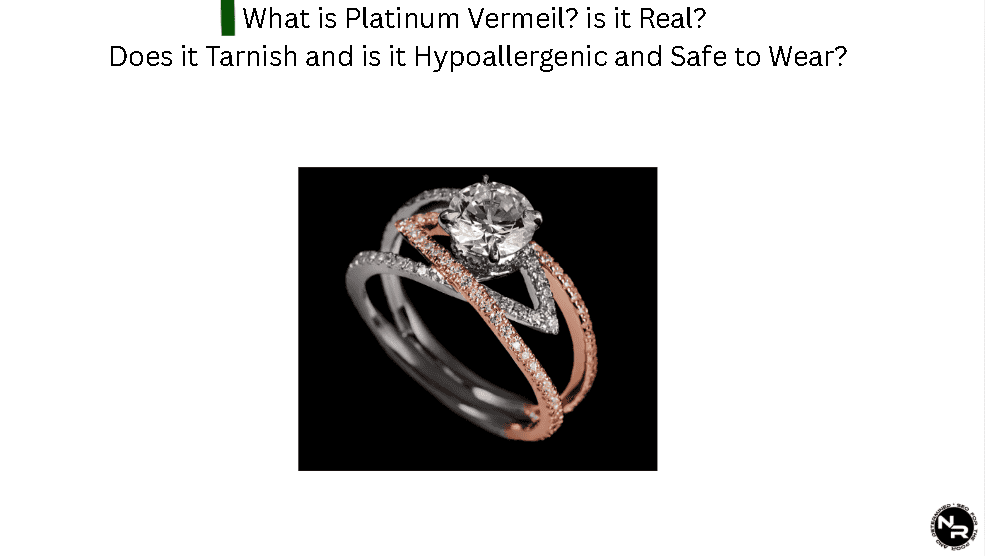
What is Platinum Vermeil (Definition and Meaning)?
Platinum vermeil is high-quality, durable jewelry featuring a solid 92.5% sterling silver base electroplated with a thick layer of platinum, often along with rhodium for added brilliance and protection.
Platinum vermeil is an affordable alternative to solid platinum as it provides the luxurious look and feel of solid platinum without the hefty price tag.
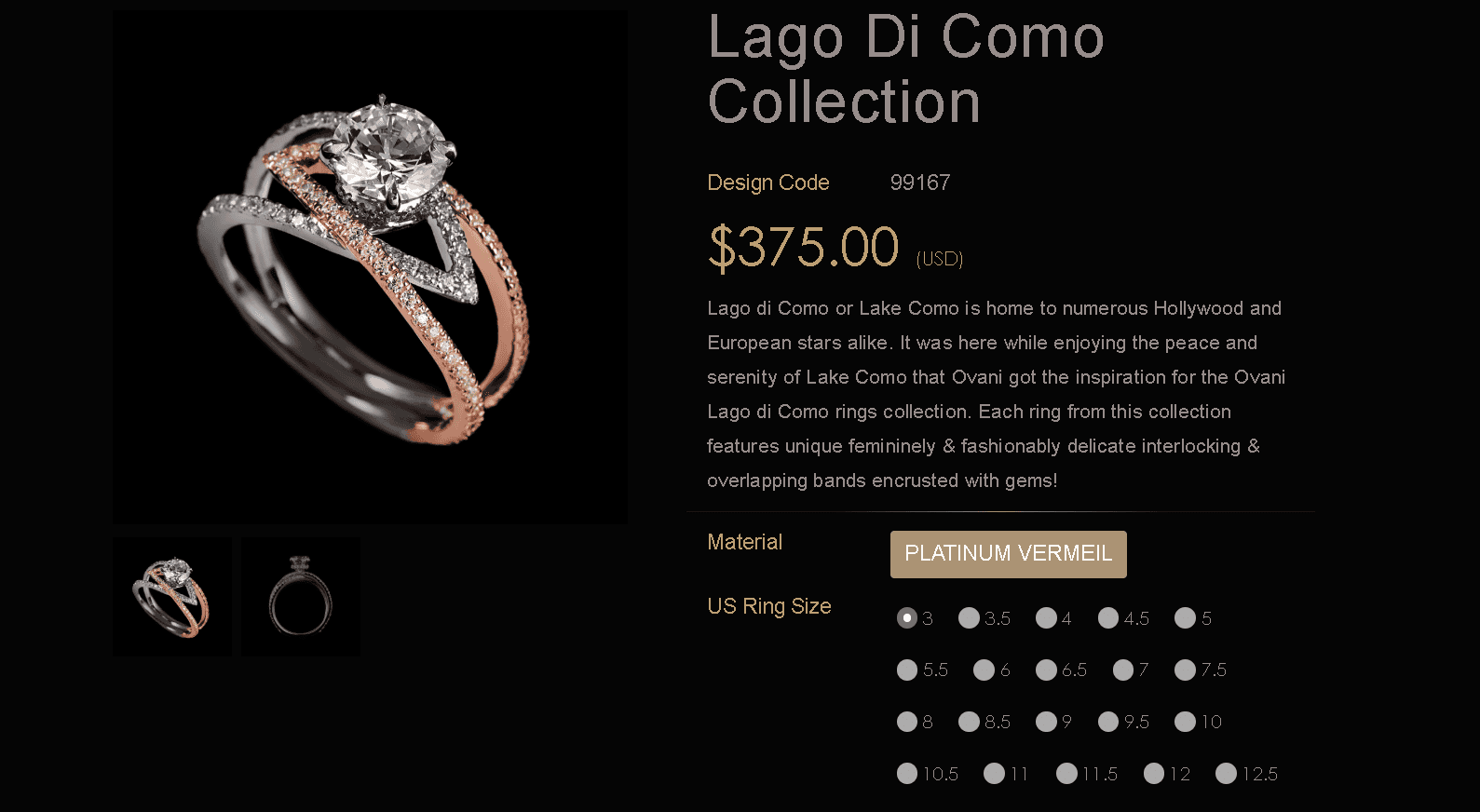
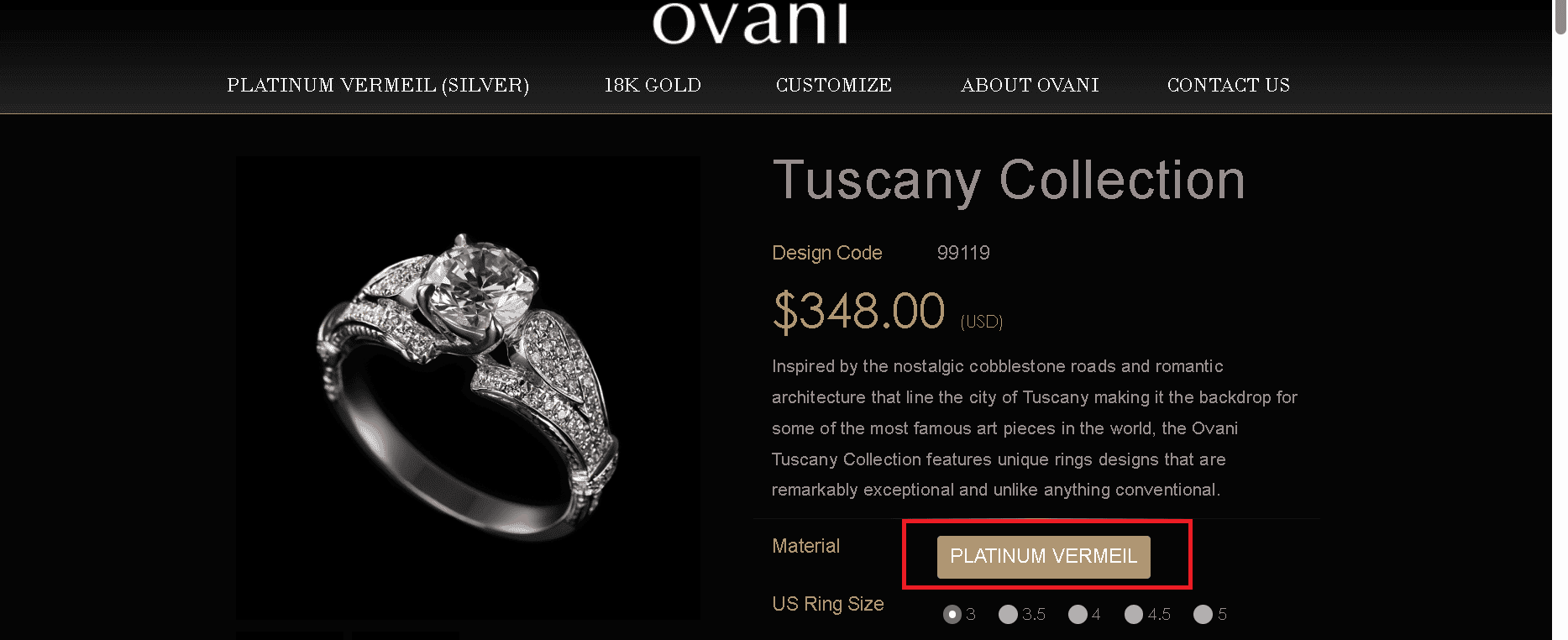
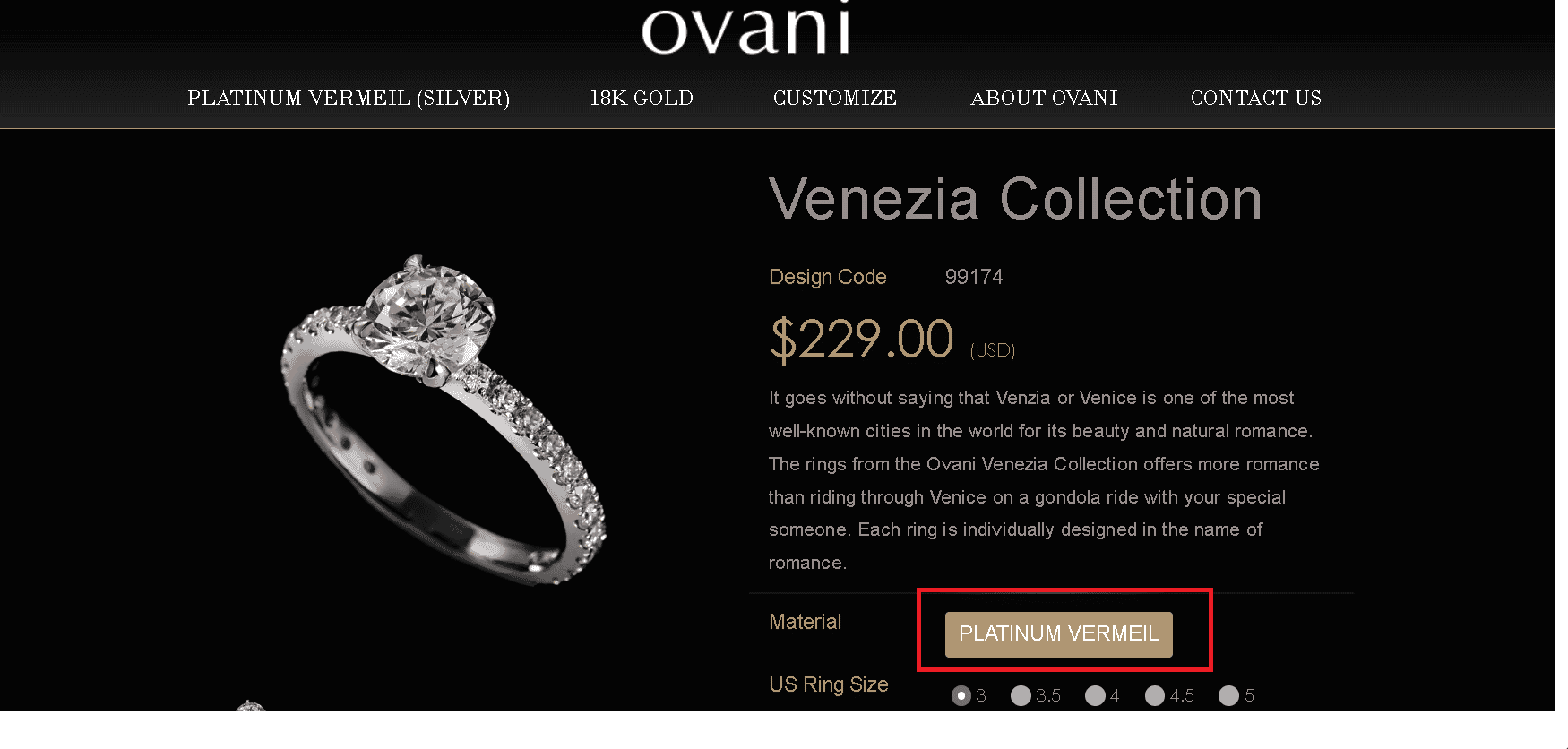
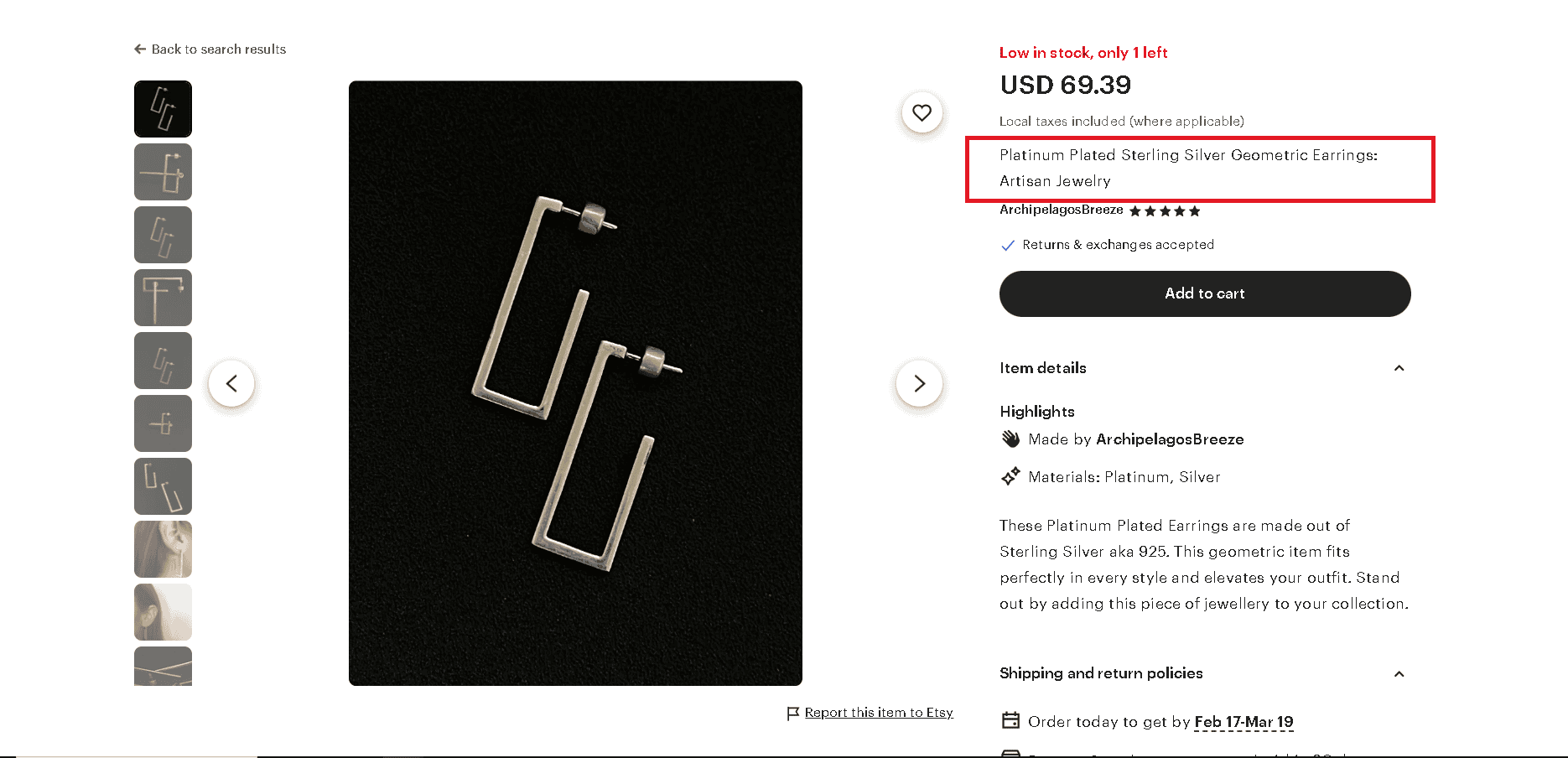
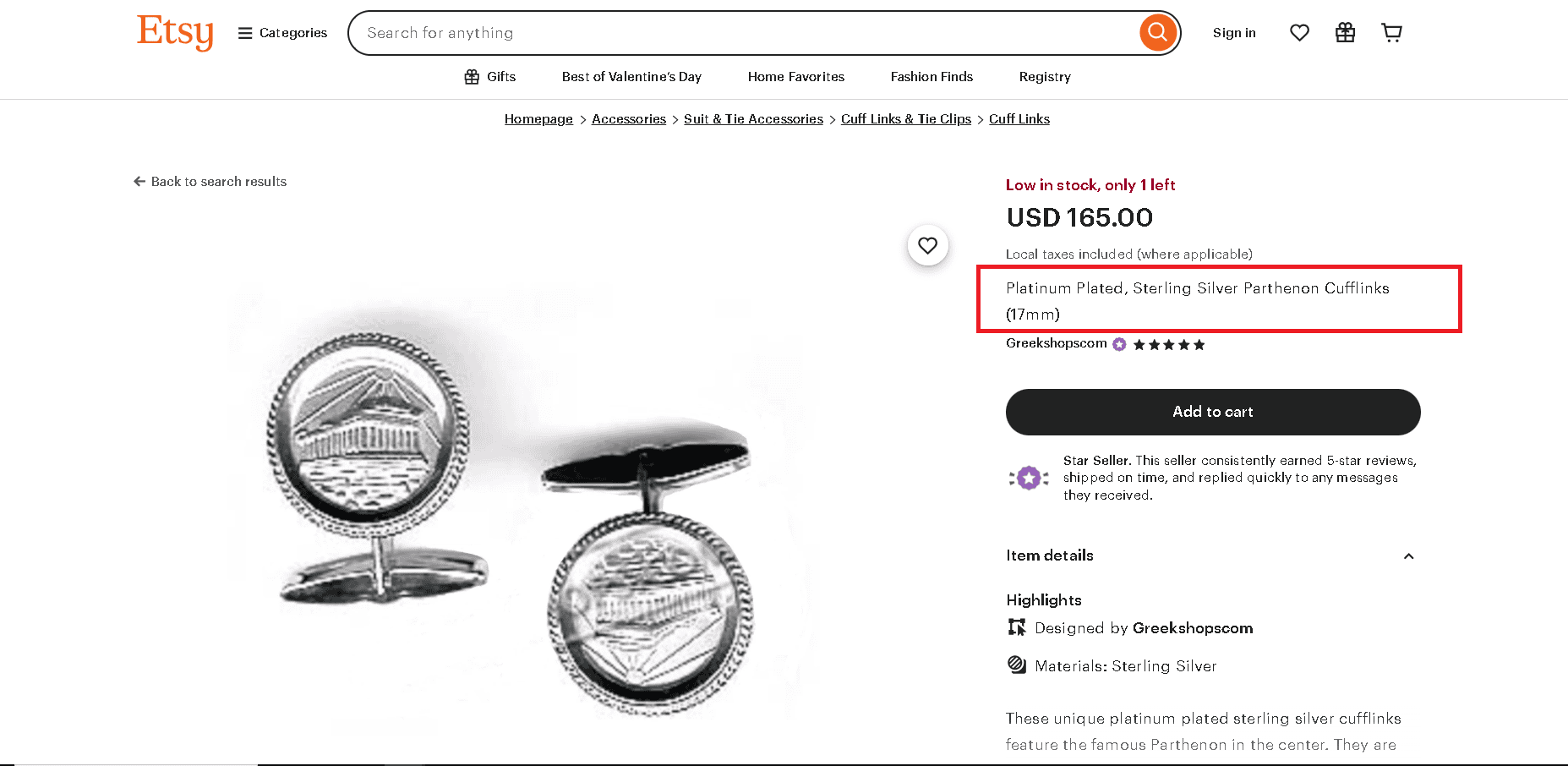
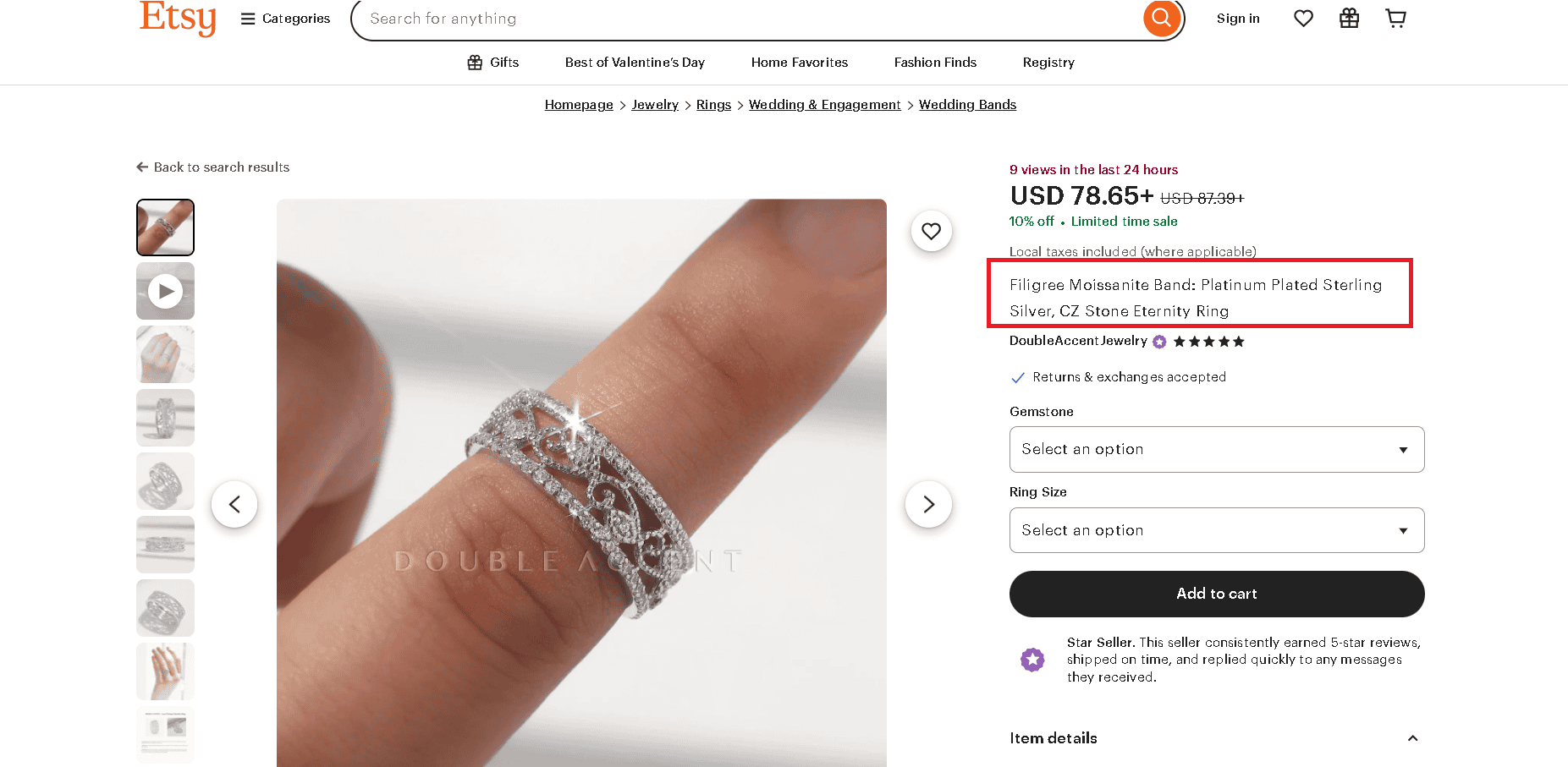
See what it looks like below.
Is Platinum Vermeil the Same as Platinum-Plated Sterling Silver?
No, platinum vermeil isn’t the same as platinum-plated sterling silver.
Platinum-plated sterling silver is any sterling silver plated with platinum where the coating is thinner than 2.5 microns. And platinum vermeil is sterling silver coated with 2.5 micron thick (or thicker) platinum.
There’s even platinum-filled jewelry where a thick layer of platinum is electroplated (mechanically bonded) to a base metal core. Platinum represents >5% of total weight of that jewelry item in that case.
Is Platinum Vermeil Hypoallergenic or Allergenic?
Platinum vermeil is hypoallergenic. It’s not allergenic. Platinum vermeil is hypoallergenic because both platinum and silver are hypoallergenic noble metals.
Sterling silver also contains 7.5% copper and according to a recent study done by Simon W Fage, Annesofie Faurschou and Jacob P Thyssen this base metal is allergenic to ~3.8% people globally.
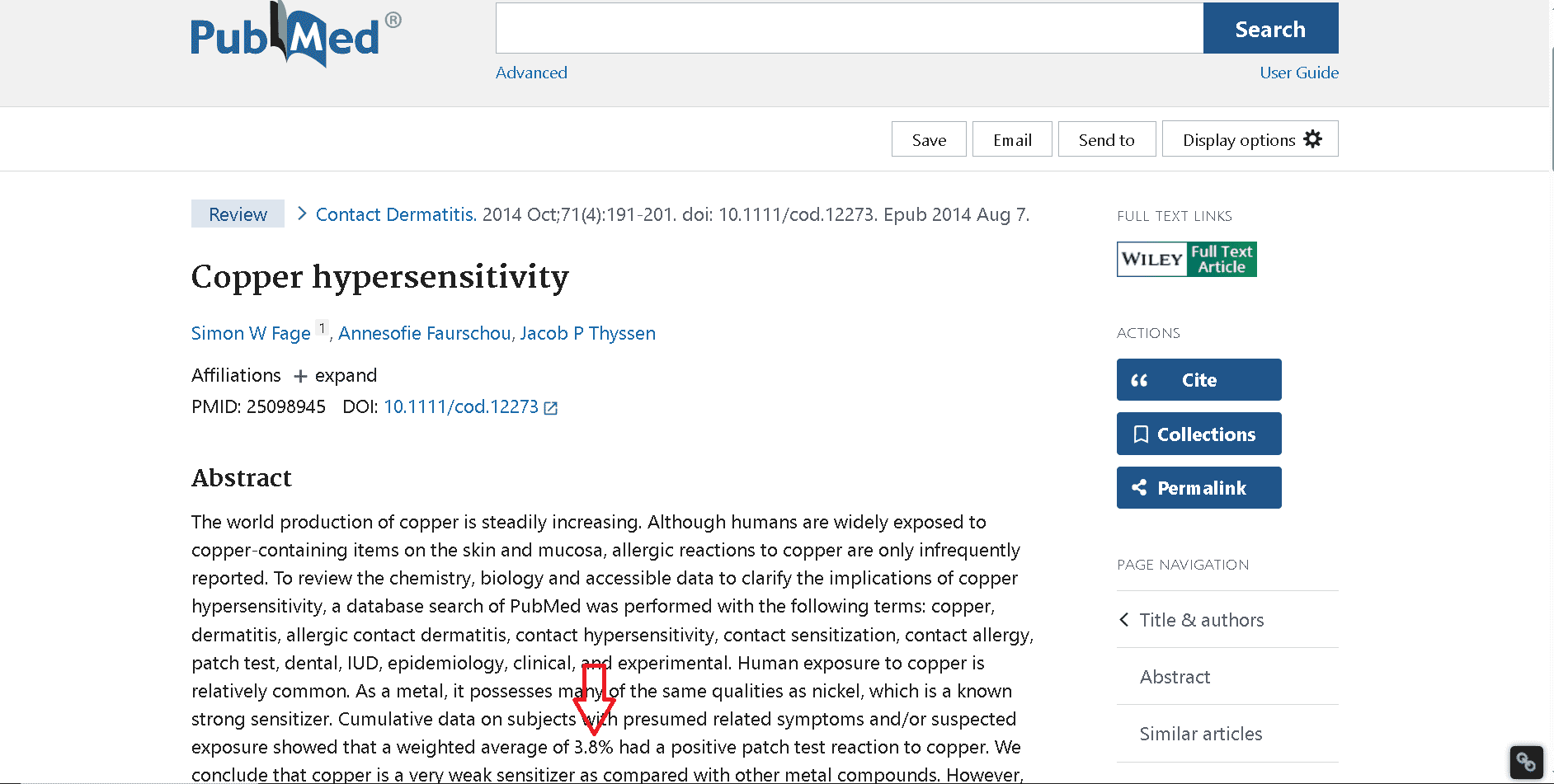
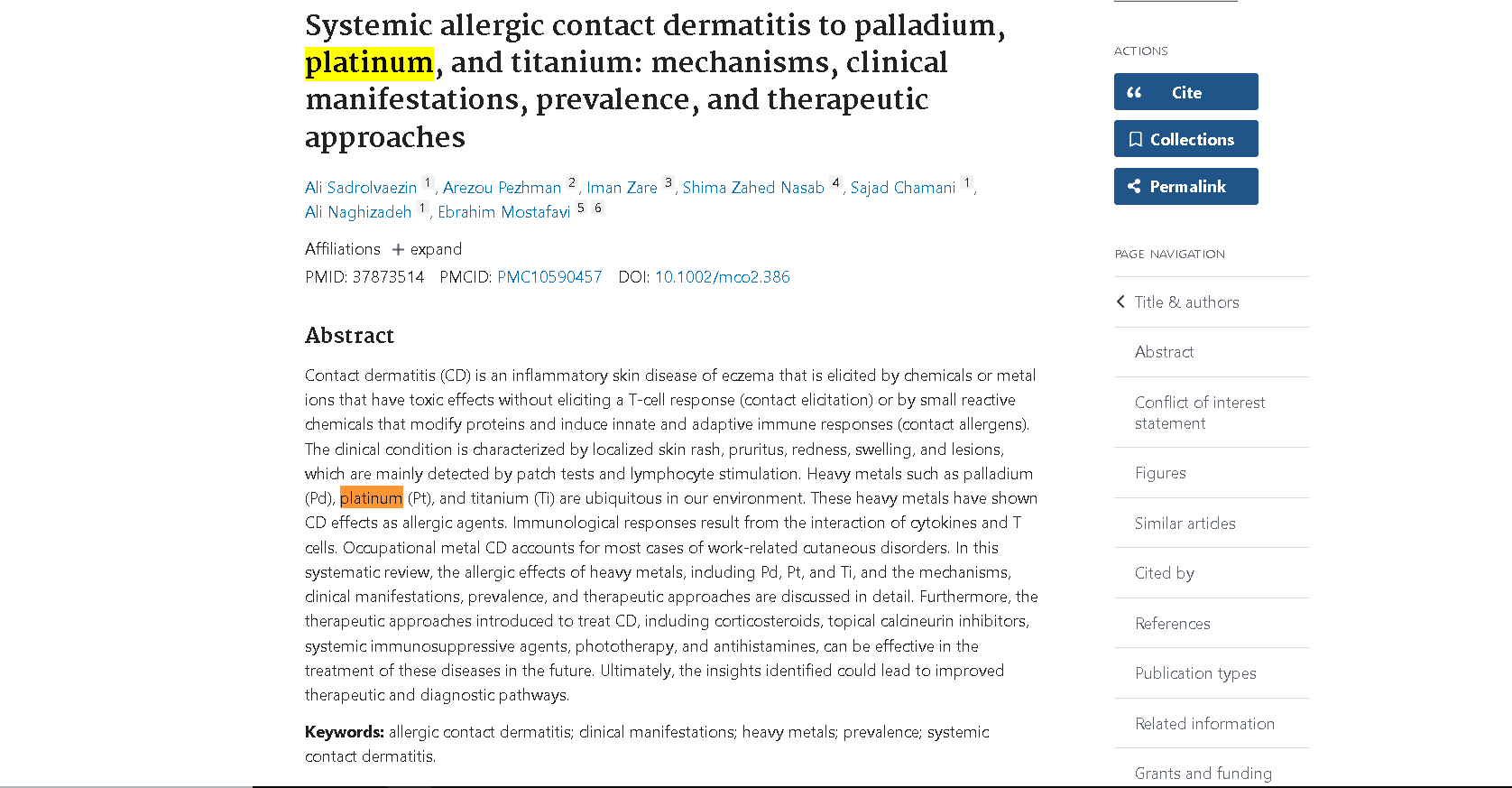
Copper becomes allergenic only when the platinum plating is badly damaged and worn out. In that case replating your platinum vermeil jewelry is the best and cheapest option.
Is Platinum Vermeil Jewelry Magnetic?
No, platinum vermeil jewelry isn’t magnetic. Platinum vermeil consists of two non magnetic metals. First is sterling silver (actually a silver alloy) and second is the platinum base coating. Silver is a diamagnetic metal and platinum is a paramagnetic precious metal. Combined they make platinum vermeil jewelry immune to magnets.
You have fake platinum vermeil on your hands if it starts to visibly magnetize when exposed to a magnet. Take your jewelry for professional testing if that’s the case.
Does Platinum Vermeil Tarnish?
Yes, platinum vermeil tarnishes, but only when platinum coating is damaged and sterling silver is exposed. Pure platinum never tarnishes, but sterling silver easily does when exposed to harsh chemicals, sunlight, air and moisture.
Be careful if you own damaged platinum vermeil jewelry as it will tarnish rapidly. You don’t have to worry if your jewelry is undamaged as platinum vermeil with undamaged plate doesn’t tarnish, go bland or discolor.
Here’s a table describing sterling silver’s tarnishing properties.
| Substance | Tarnish (Yes/No) |
|---|---|
| Water | Water doesn't tarnish sterling silver, but it accelerates the tarnishing process by reacting with sulfur compounds in the air to form silver sulfide. |
| Fire | Fire and heat don't tarnish sterling silver in the traditional sense, but extreme temperatures cause oxidation, discoloration, and even melting (silver melts at 1,763°F/962°C). Brief exposure to flame leaves dark marks or a rainbow-like oxidation layer on the sterling silver item's surface. This is different from the black sulfide tarnish caused by air exposure. |
| Chlorine | Chlorine is highly damaging to sterling silver, causing chemical reactions that lead to corrosion, discoloration, and permanent pitting or erosion of the metal. Pool water, hot tubs, and bleach should be avoided when wearing sterling silver jewelry, as chlorine creates irreversible damage rather than simple tarnish that can be polished away. |
| Bleach | Bleach (sodium hypochlorite) is extremely harmful to sterling silver, causing rapid and severe chemical reactions that corrode, discolor, and permanently damage the metal. |
| Baking soda | Baking soda doesn't tarnish sterling silver and is commonly used to clean it. Baking soda helps remove tarnish through a gentle chemical reaction when combined with aluminum foil and hot water. |
| Toothpaste | Toothpaste doesn't tarnish sterling silver and is sometimes used as a makeshift polish to remove tarnish. But, it's not recommended by jewelry professionals. Most toothpastes contain abrasive particles that scratch and dull the finish and cause more harm than good over time. |
| Vinegar | Vinegar (acetic acid) doesn't tarnish sterling silver and can be used to clean light tarnish. Prolonged exposure or high concentrations can corrode and damage the metal. |
| Hydrogen peroxide | Hydrogen peroxide tarnishes and discolors sterling silver because it's an oxidizing agent that reacts with the metal's surface, causing darkening and accelerated oxidation. |
| Lemon juice | Lemon juice (citric acid) doesn't tarnish sterling silver but corrodes and damages it with prolonged exposure, causing pitting, discoloration and erosion of the metal's surface. |
| Makeup | Makeup doesn't directly tarnish sterling silver, but many cosmetics contain oils, chemicals, and sulfur compounds that accelerate tarnishing and leave residue buildup on silver jewelry. Products like foundation, hairspray, perfume, and lotions create a film on silver surfaces that attracts tarnish-causing agents and dull the metal's shine over time. |
| Nitric acid | Nitric acid is extremely corrosive to sterling silver and rapidly dissolves, pit, and destroy the metal through a vigorous chemical reaction that produces toxic fumes. This powerful oxidizing acid is sometimes used in professional silver testing or refining processes, but it causes severe and irreversible damage that completely ruins jewelry or decorative items. |
| Alcohol | Alcohol (isopropyl or ethanol) doesn't tarnish sterling silver and is safe to use for cleaning, as it evaporates quickly without leaving residue or causing chemical reactions. Pure alcohol doesn't damage silver, though some alcohol-based products like perfumes or hand sanitizers may contain additives that could contribute to tarnishing over time. |
Can Platinum Vermeil Get Wet? Is it Waterproof and Can You Shower With it?
Yes, platinum vermeil can get wet and you can shower with it. Water occasionally splashed on platinum vermeil jewelry won’t do any damage to it.
However, platinum vermeil isn’t waterproof. Constant moisture dulls the finish over time, even though the platinum is highly resistant to corrosion.
And water does a lot of damage to platinum vermeil where the coating is damaged and sterling silver is exposed. Because water tarnishes sterling silver and often causes it to turn green.
Chlorine in water is highly damaging to sterling silver, causing chemical reactions that lead to corrosion, discoloration, and permanent pitting and erosion of the metal. This greatly damages your platinum vermeil jewelry, possibly up to a point where it can’t be replated.
How Long Does Platinum Vermeil Last? Can You Wear it Every Day?
Platinum vermeil typically lasts from a few years up to over a decade, depending on how well you take care of it and how often you wear it.
Platinum vermeil is more durable than rose gold and yellow gold vermeils, but less than rhodium plated white gold vermeil. However, it’s not impervious to wear, especially for high-friction items like rings.
Platinum vermeil jewelry is safe for everyday wear, especially in low friction items like necklaces and earrings.
Platinum Vermeil vs Gold Vermeil- What are the Differences?
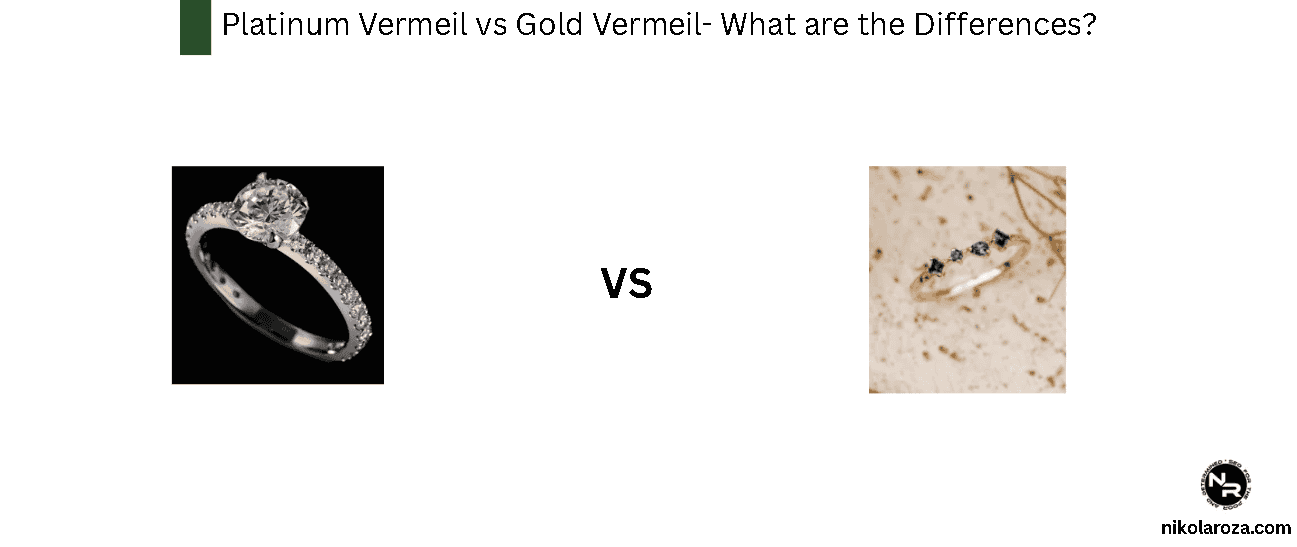
Both platinum vermeil and gold vermeil share the same sterling silver base and require a minimum 2.5-micron plating thickness. Gold vermeil uses a gold layer of at least 10-karat purity, with 14k and 18k being the most popular options.
Platinum vermeil uses a platinum coating, often enhanced with rhodium for extra brilliance. The key differences lie in color, cost, and durability. Gold vermeil offers a warm yellow tone, while platinum vermeil has a cool, silvery-white look. Platinum vermeil is more durable and tarnish-resistant than yellow gold vermeil, and both are hypoallergenic and non-magnetic.
Platinum Vermeil vs Rose Gold Vermeil- What are the Differences?
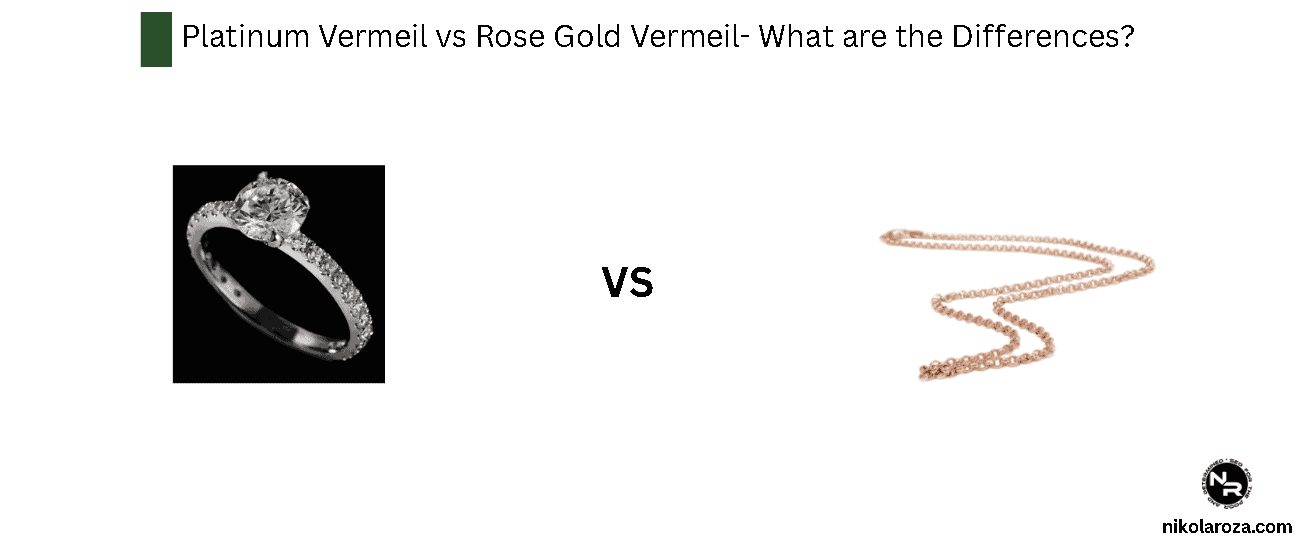
Both platinum vermeil and rose gold vermeil share a sterling silver base with a minimum 2.5-micron plating, but differ significantly in several ways. Platinum vermeil is coated with platinum, often enhanced with rhodium, and is more durable than rose gold vermeil.
Rose gold vermeil is plated with a rose gold alloy made from gold and copper, giving it a warm pinkish hue. In terms of allergens, rose gold vermeil triggers reactions in people sensitive to copper, while platinum vermeil is less of a concern due to its hypoallergenic properties. Rose gold vermeil tarnishes faster that platinum vermeil due to its copper content, making platinum vermeil the more durable, low-maintenance choice.
Platinum Vermeil vs White Gold Vermeil- What are the Differences?
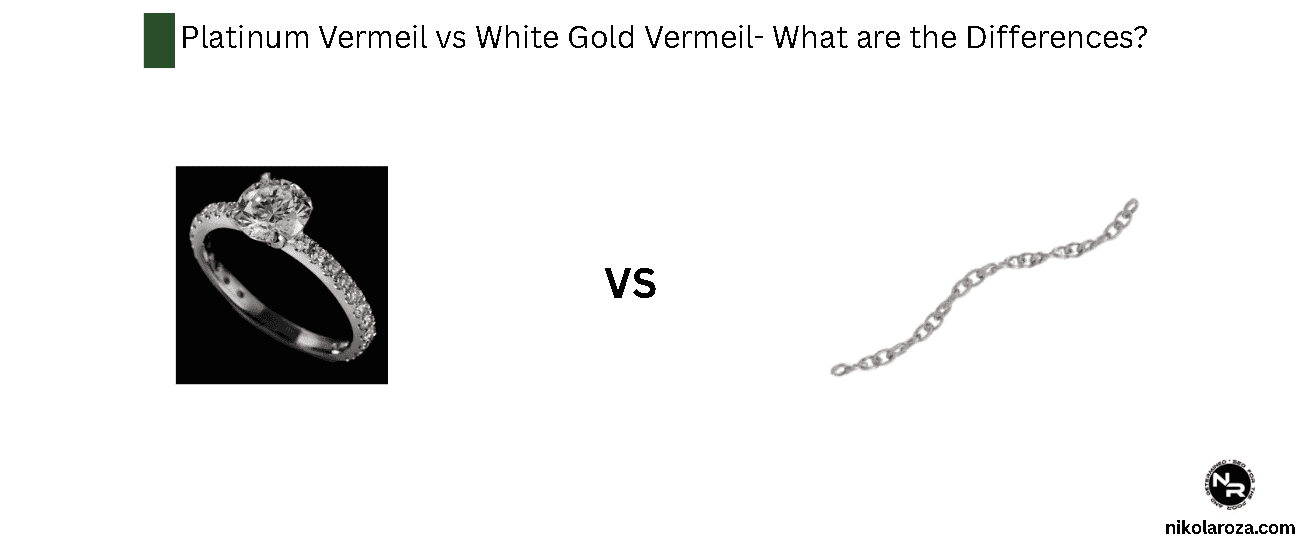
Both platinum vermeil and white gold vermeil share a sterling silver base with a minimum 2.5-micron plating, and both deliver a similar cool, silvery-white appearance. However, their composition differs significantly. White gold vermeil is made from yellow gold alloyed with white metals like palladium, platinum, nickel, and rhodium. Platinum vermeil, by contrast, uses a pure platinum coating.
On allergens, white gold vermeil is considered allergenic due to its potential nickel content, while platinum vermeil is fully hypoallergenic. Platinum vermeil is less durable than rhodium-plated white gold vermeil. But, white gold vermeil is pricier that platinum vermeil due to its higher precious metal alloy composition.
- Lago di Como Collection- https://ovani.com/platinum_vermeil/product/99167
- Tuscany Collection- https://ovani.com/platinum_vermeil/product/99119
- Venezia Collection- https://ovani.com/platinum_vermeil/product/99174
- Platinum Plated Sterling Silver Geometric Earrings: Artisan Jewelry- https://www.etsy.com/listing/1551277582/platinum-plated-sterling-silver
- Platinum Plated, Sterling Silver Parthenon Cufflinks (17mm)- https://www.etsy.com/listing/854364571/platinum-plated-sterling-silver
- Filigree Moissanite Band: Platinum Plated Sterling Silver, CZ Stone Eternity Ring- https://www.etsy.com/listing/4344578974/filigree-moissanite-band-platinum-plated
- Systemic allergic contact dermatitis to palladium, platinum, and titanium: mechanisms, clinical manifestations, prevalence, and therapeutic approaches- https://pubmed.ncbi.nlm.nih.gov/37873514/

Nikola Roza
Nikola Roza is the owner of Nikola Roza- Everything You Can Learn About Precious Metals. He writes for people who love precious metals and jewelry and who're interested in adding gold, silver platinum and palladium to their retirement portfolios. Nikola is passionate about gold IRAs and investing in multiple asset types for a safer financial future. He also runs a successful online jewelry store where you can buy precious metal jewelry and various replicas of famous coins and bars. Learn about Nikola here.