
Disclosure: Some of the links you’ll encounter are unique links. Click and buy something and I’ll earn some money, at zero expense to you. Thank you!
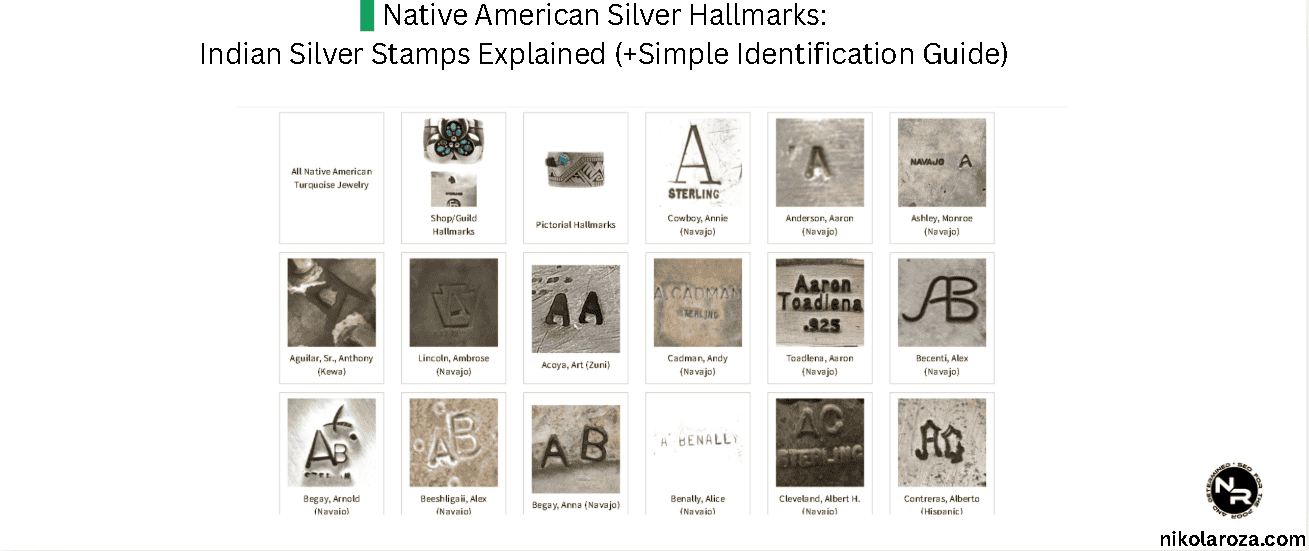
Native American silver hallmarks are unique signatures, symbols, or initials Native American artists stamp to identify their silver jewelry work.
These markings appear on silver items backs, ranging from artist names and initials to complex designs featuring sacred objects and totem animals. Common stamps include “STERLING,” “SS,” and tribe-specific marks like the Hopi Silvercraft Guild sunface.
Consistent hallmarking among Native American jewelry artists only became standard after the late 1970s. Before then, marking was inconsistent or absent causing confusion when artists with similar names used identical initials.
Counterfeit Native American silver hallmarks are common, with forgers mimicking signatures from renowned artists like Mark Chee, Fred Peshlakai, and Tommy Singer.
The rarest hallmarks are early 20th-century signatures from master artisans, as hallmarking was an exception rather than a rule before 1970s.
Most common Native American silver hallmarks come from artists and silversmiths from Navajo, Hopi and Zuni tribes.
My guide below will teach you how to identify Native American silver and which silver hallmarks and stamps are common, and which are rare.
What are Native American Silver Hallmarks?
Native American silver hallmarks are unique signatures, symbols, or initials stamped into jewelry by Native American artists to identify their work.
These markings appear on the back of silver items and they range from artists’ names, simple initials, to complex, detailed designs or various sacred object and totem animals.
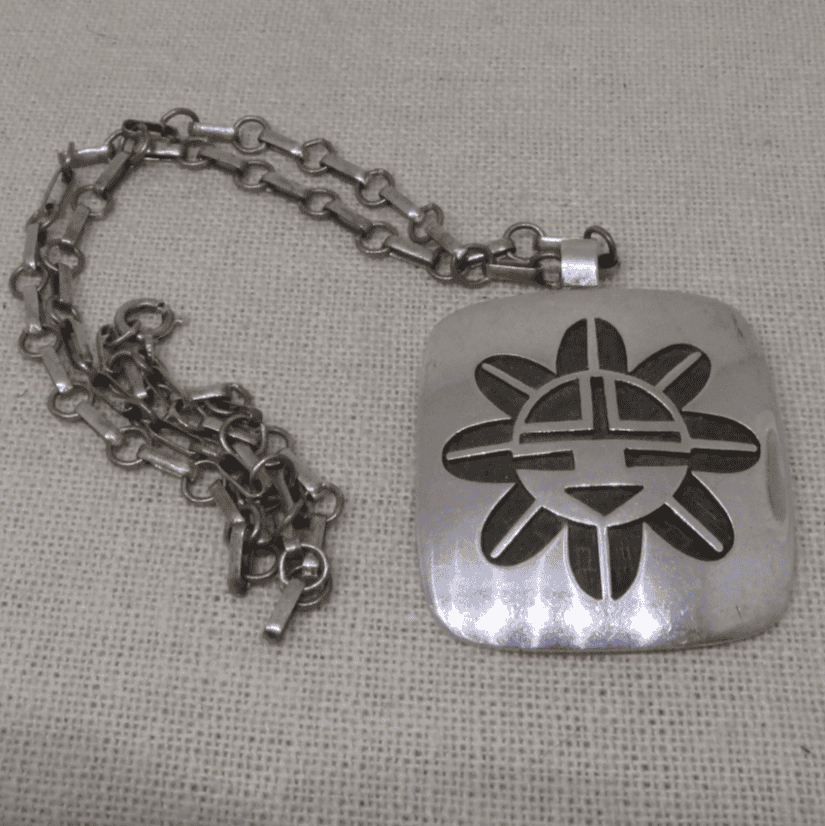
Beyond artist marks, silver pieces often contain stamps like “STERLING,” and hallmarks representing the tribe a specific artist came from. A good example of a specific Native American tribal silver hallmark is the Hopi Silvercraft Guild sunface mark.
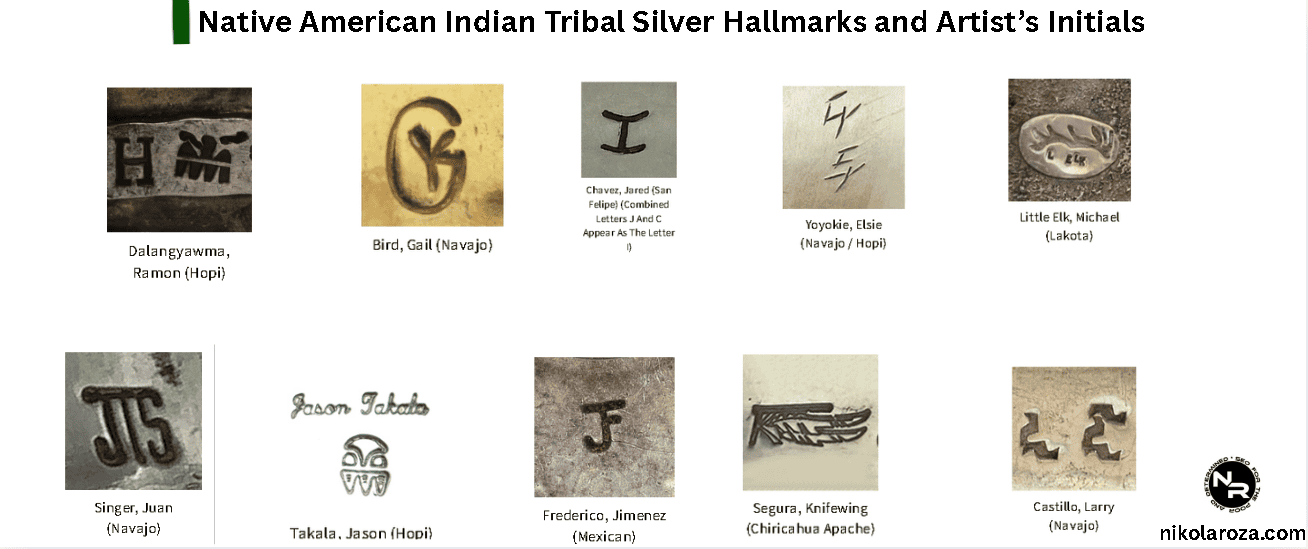
Native American silver jewelry artists have only recently started to add hallmarks to the silver jewelry items they created. Silver jewelry hallmarking either didn’t happen or was inconsistent before the late 1970s, with different hallmarks coming from the same artists and causing confusion. This silver hallmarking inconsistency particularly affected collectors, traders, museums, and authentication experts attempting to verify the provenance and craftsmanship of Navajo, Hopi, and Zuni jewelry pieces.
Then there was the issue of silver hallmark duplication where Native American artists with similar names used their initials as identifying markings and caused further confusion. Overlapping initials and stylistic similarities complicated attribution and appraisal processes in the Native American art market because many silversmiths worked within shared family traditions and regional jewelry-making communities in the American Southwest.
This was partially solved with artists engraving their full names, but the full breakthrough came from the creation of tribe-specific silver hallmarks used to more easily differentiate between the artists and tribal affiliations. Organizations such as the Indian Arts and Crafts Board (IACB) and various tribal certification initiatives helped promote standardized identification practices, improving authenticity verification, cultural preservation, and consumer confidence.
There are 574 federally recognized American Indian tribes and Alaska Native entities in the United States, according to the Bureau of Indian Affairs (BIA) and Congress.gov | Library of Congress. These federally acknowledged nations represent a wide range of Indigenous cultures, artistic traditions, and regional identities across the Southwestern United States, Great Plains, Pacific Northwest, and Alaska Native communities.
Not all Native American tribes have tribe-specific silver hallmarks. Most don’t, and those that do are often overshadowed by the signatures or stamp markings of the individual famous artist, silversmith or craftsman from that particular tribe.
The most famous tribal silver hallmarks are Navajo, Hopi, and Zuni. These tribal hallmark traditions are associated with Southwestern jewelry-making techniques such as overlay silverwork, sand casting, petit point stone settings, needlepoint turquoise designs, and intricate stampwork patterns.
Here a slide deck with hundreds of silver hallmarks originating from different artist from Navajo Nation, Hopi, Zuni Pueblo, Santo Domingo Pueblo (Kewa), San Ildefonso Pueblo, Acoma Pueblo, Laguna Pueblo, Cherokee Nation, Tohono O’odham, Haida, Tlingit, Iroquois Confederacy and many other tribes and individual artists.
Check this out next when you’re done reading my Native American silver hallmarks identification guide.
It’s crucial information you must have, especially if you’re a proud American with a keen interest in economy and are curious about investing in precious metals.
What are Native American Hallmarks for Sterling Silver?
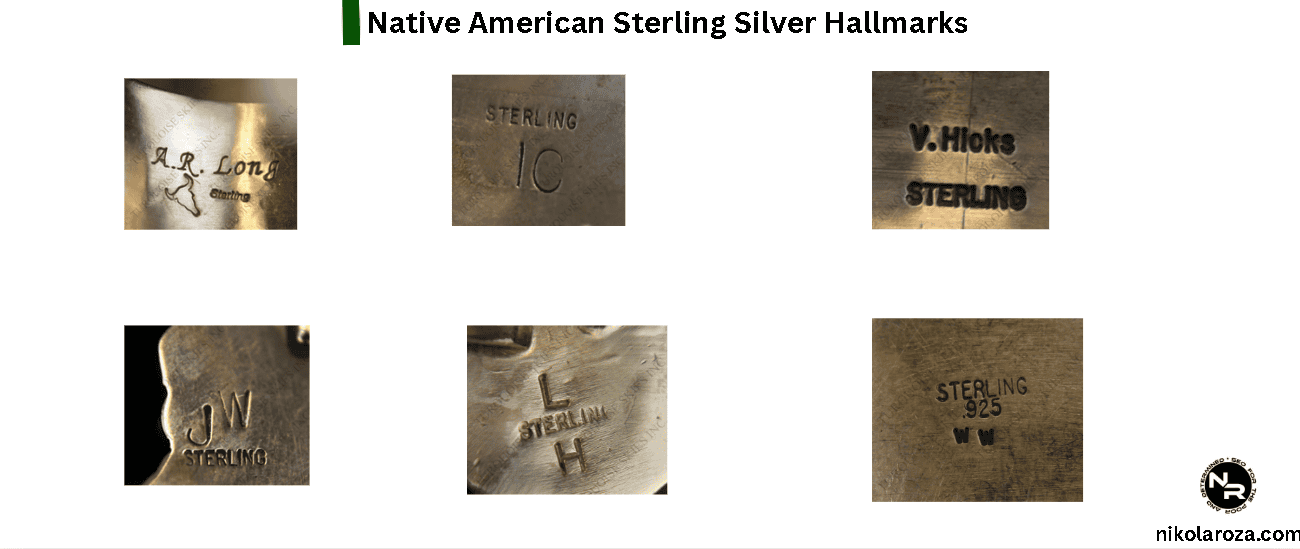
Native American sterling silver hallmarks are artist initials, symbols (like animals, suns, or mountains), or shop stamps, stamped on the back of sterling silver jewelry. These hallmarks function as maker’s marks that help identify the silversmith, tribal affiliation, jewelry workshop, or regional Southwestern design tradition associated with a piece.
Common Native American sterling silver hallmark imagery includes arrows, feathers, bears, thunderbirds, kokopelli figures, and geometric stampwork motifs frequently found in Navajo, Hopi, and Zuni jewelry craftsmanship. Additional marks include “STERLING”, “SS”, “925” silver purity stamps and specific artist names (e.g., Navajo or Zuni).
Are There Fake Native American Silver Hallmarks and Stamps? How to Identify Them?
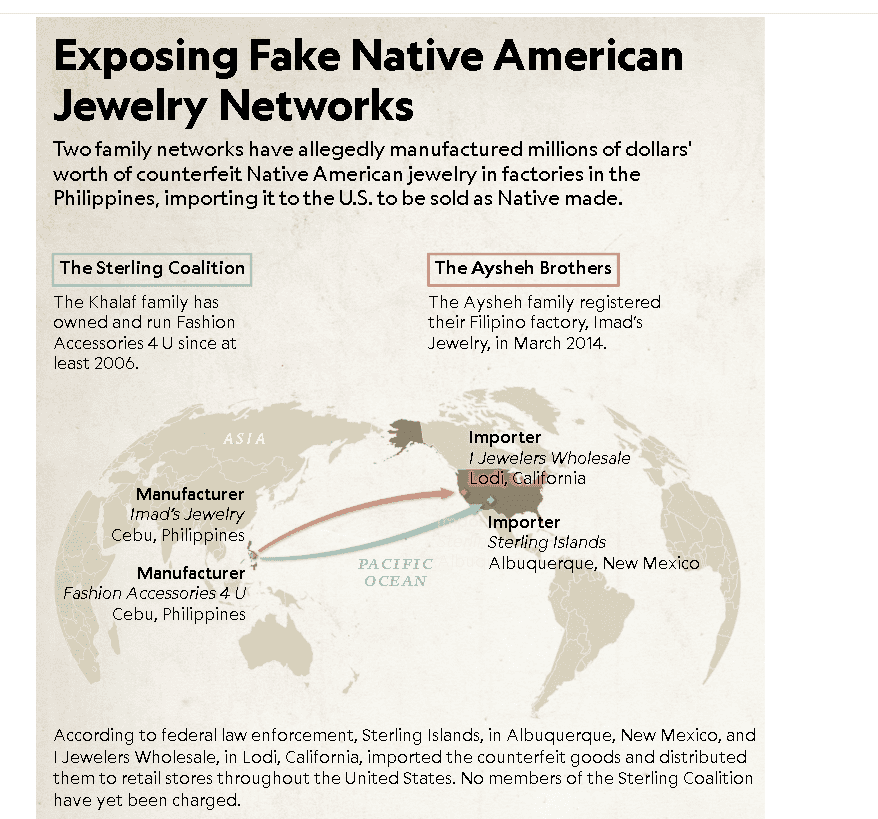
Yes, there’re many fake Native American silver hallmarks and stamps on the market, with counterfeiters often mimicking known, legitimate artist signatures to deceive buyers.
For example, a silver forger might fake a Mark Chee signature because those are very rare and appropriately expensive nowadays. Or they might do the same with Fred Peshlakai and Tommy Singer signatures and dupe unsuspecting people into spending their money for fake silver jewelry that’s worth next to nothing.
There’s was famous police case from a few years ago when several well known jewelry stores and chains were caught selling fake Native American silver at exuberant prices. It was a huge scandal back then and is now a reminder you can never be too vigilant when it comes to authenticity of the silver jewelry you wish to own.
Note: you can recognize real silver from fake with a simple magnet test. Your silver is fake if it magnetizes as real silver isn’t magnetic. It’s diamagnetic.

Check this out next when you’re done reading my Native American silver hallmarks identification guide.
It’s crucial information you must have, especially if you’re a proud American with a keen interest in economy and are curious about investing in precious metals.
What’s the Rarest Native American Silver Hallmark?
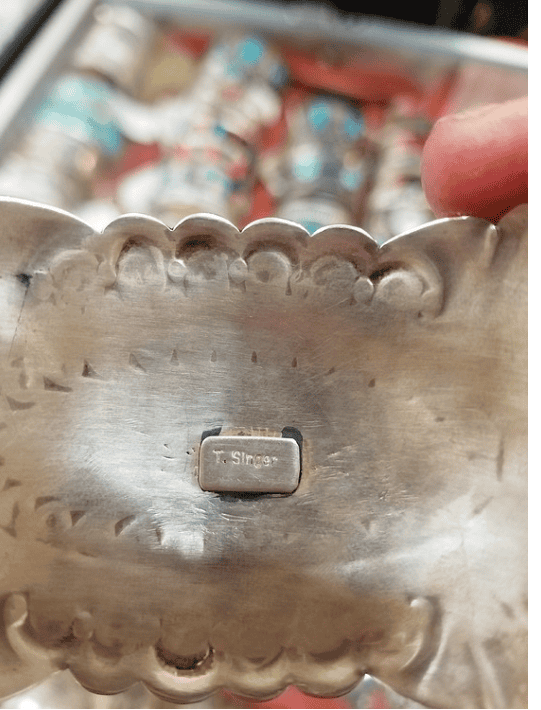
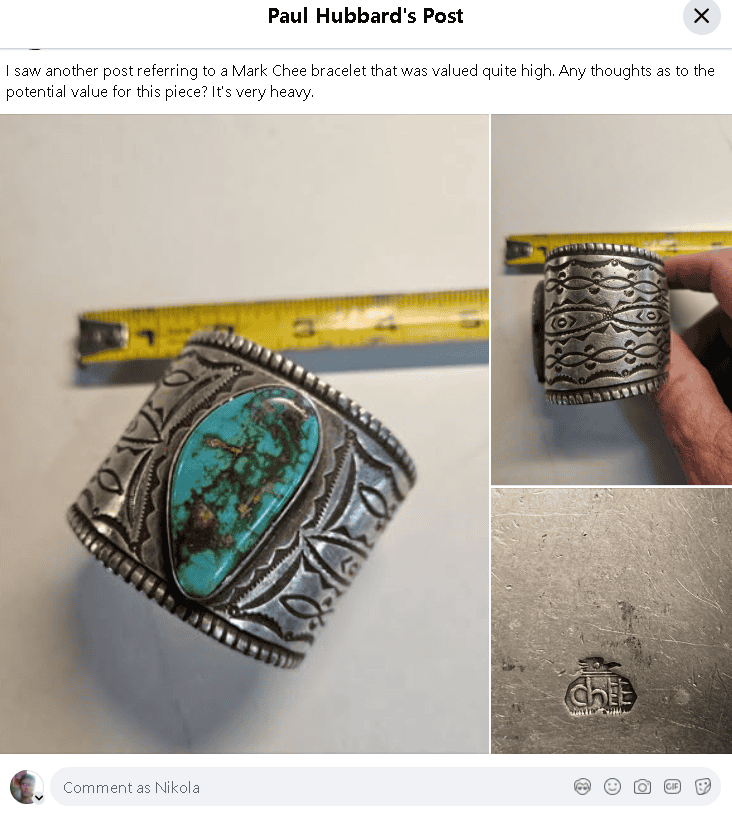
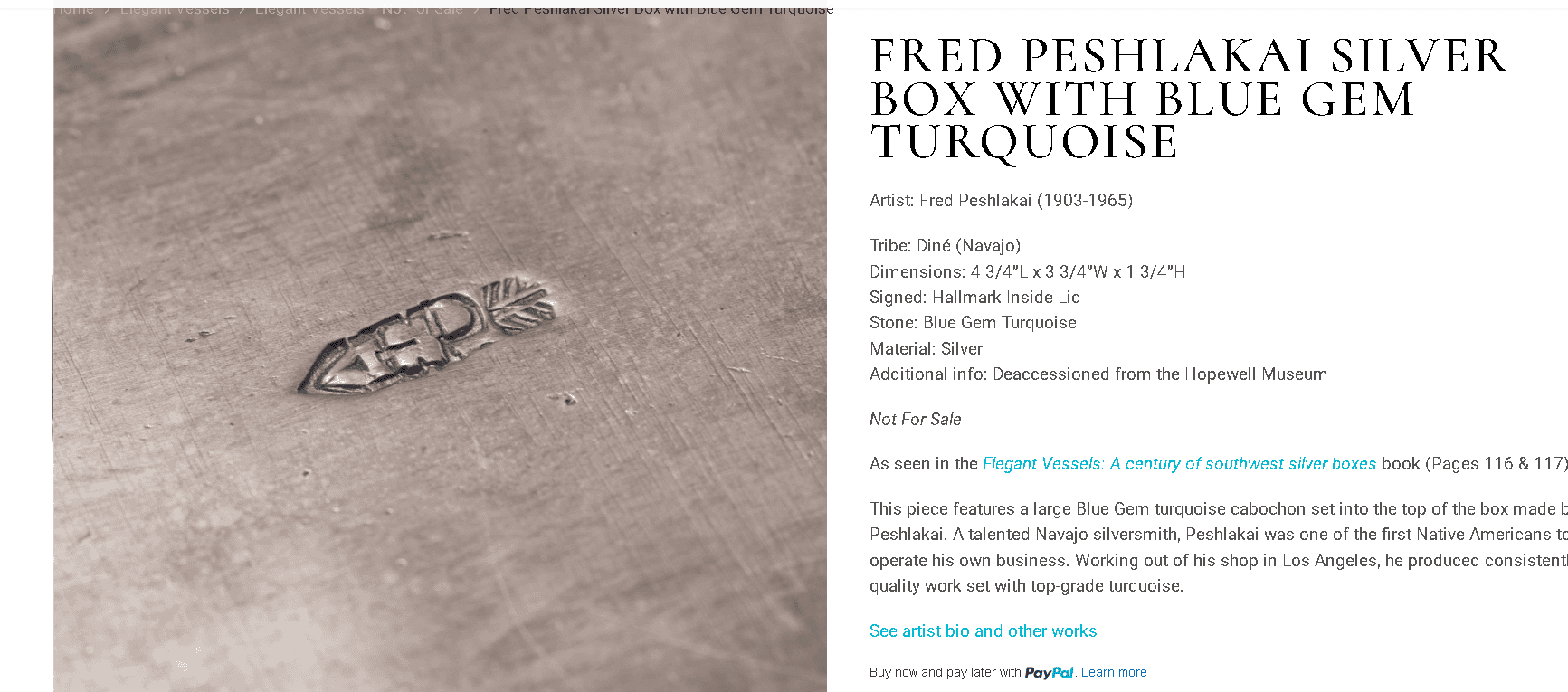
The rarest Native American silver hallmarks are early 20th-century artisan signatures or specific, rarely used stamps from known masters, such as early Thomas (Tommy) Singer, Mark Chee, or specific Fred Peshlakai marks. These highly collectible hallmarks are especially valued within the Native American jewelry market because of their limited production periods, evolving maker’s marks, and historical significance in Southwestern silversmithing traditions.
Silver hallmarking among Native American Indian artists wasn’t common until the late 1970s, so any hallmarked silver jewelry piece was an exception rather than a rule. Good examples are signatures from an early 20th-century master like Fred Peshlakai (circa 1948) or rarely used, early signatures from Thomas Singer and Mark Chee.
See below some examples of rare Native American silver markings.
Check this out next when you’re done reading my Native American silver hallmarks identification guide.
It’s crucial information you must have, especially if you’re a proud American with a keen interest in economy and are curious about investing in precious metals.
What are the Most Common Native American Silver Hallmarks?
The most common Native American Silver hallmarks are those from jewelry artists and silversmiths originating from Navajo, Hopi and Zuni tribes.
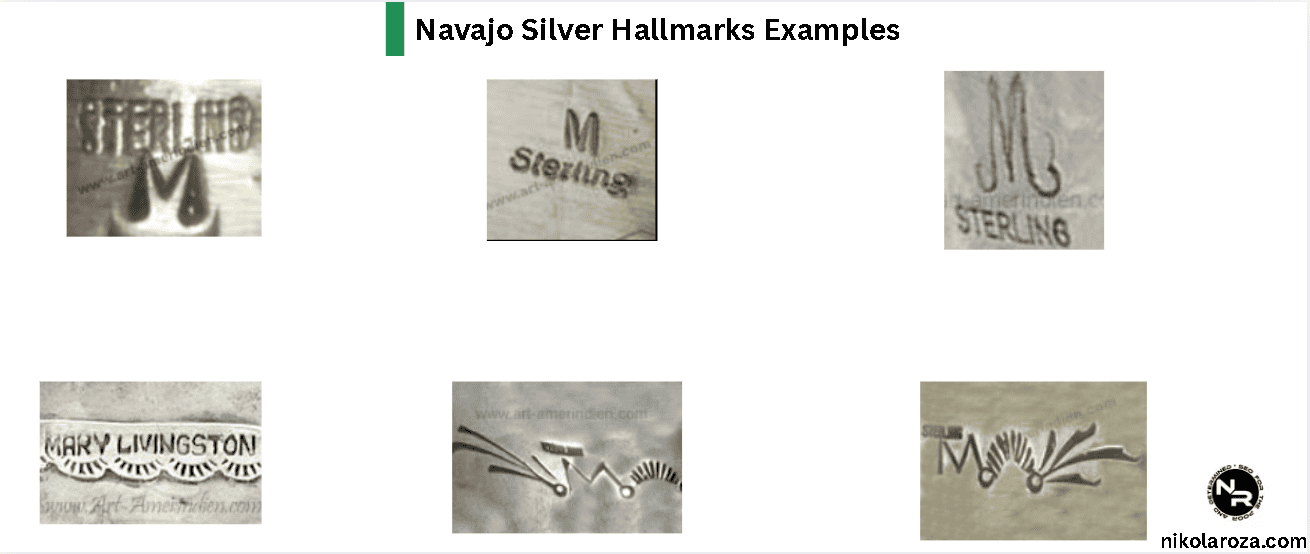
Navajo (Diné). Navajo silversmithing is strongly associated with stampwork, sand casting, tufa casting, and heavy-gauge sterling silver jewelry featuring turquoise, coral, and other natural stones. Navajo silversmiths traditionally use their initials, full last names, or specific combinations (e.g., M.B. or T.B.) to sign their work. Pictorial symbols, such as arrows or feathers, are also common.
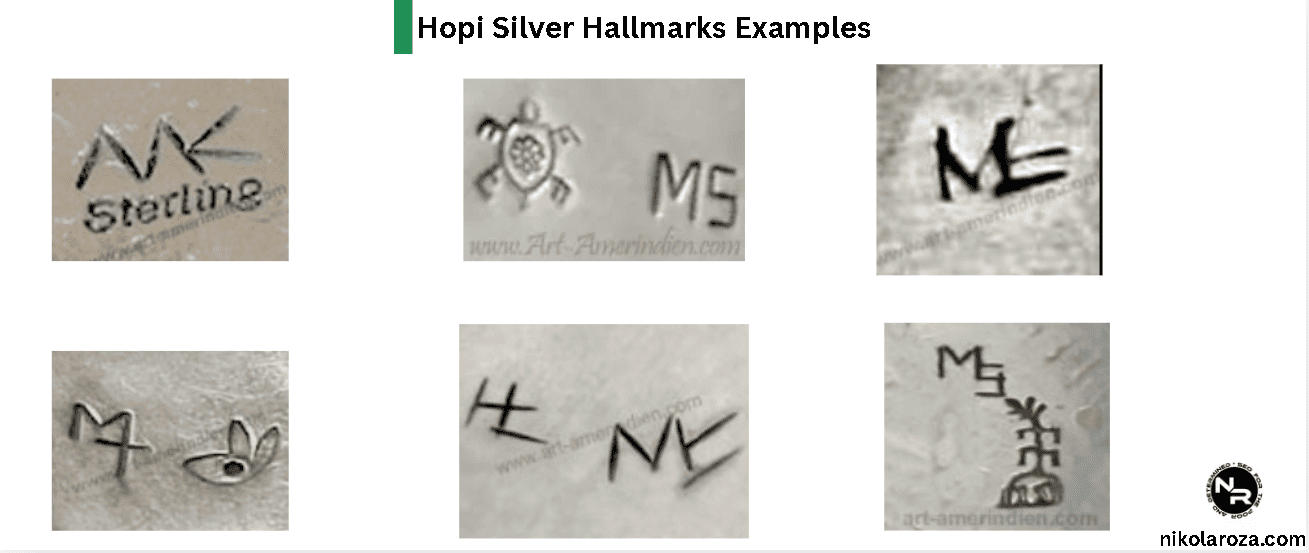
Hopi (Hopituh Shi-nu-mu). Hopi silversmiths are famous for their intricate overlay technique. They frequently use distinct pictorial symbols (like rain clouds, bear paws, or water symbols) rather than initials to identify their unique style. Hopi overlay jewelry often incorporates ceremonial imagery, katsina-inspired iconography, migration patterns, and geometric Pueblo symbolism deeply connected to Hopi cultural heritage.
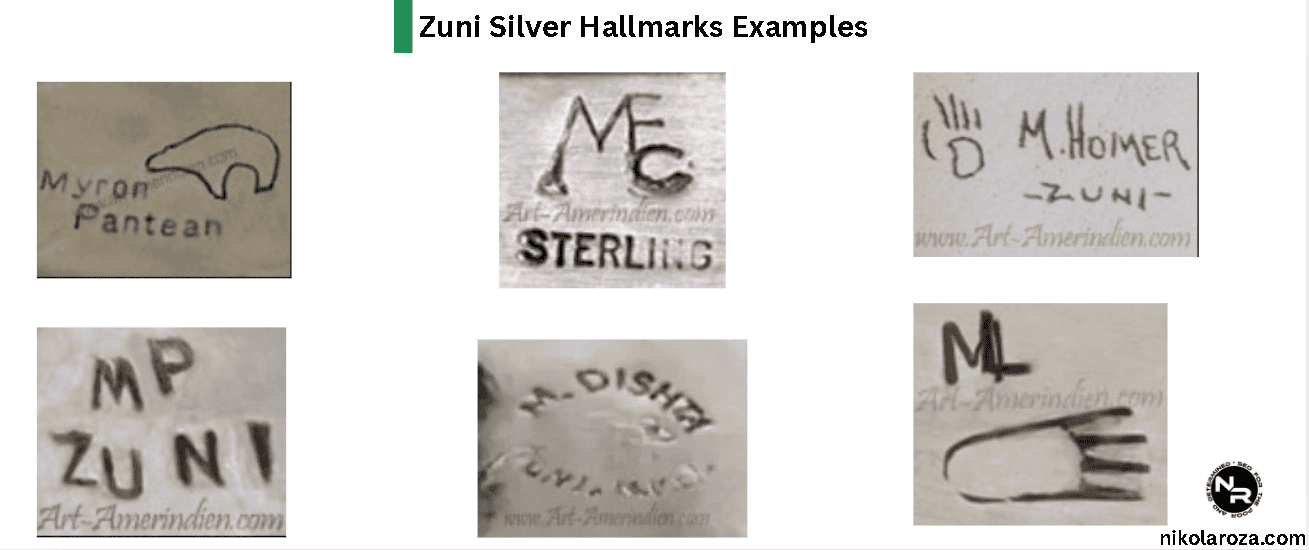
Zuni (A:shiwi). Zuni jewelry artists and silversmiths are renowned for complex inlay work, needlepoint, and petit point. In Zuni silver jewelry hallmarks are often etched with an electric pen or soldering pen rather than stamped. It’s because many of their pieces are highly delicate with plenty of intricate details. Zuni jewelry traditions are particularly recognized for lapidary excellence, mosaic inlay craftsmanship, channel inlay techniques, and detailed gemstone artistry using turquoise, jet, shell, coral, and mother-of-pearl.
Is it Possible to Include American Native Silver in a Gold IRA?
No, you can’t include American Native Silver in a gold IRA. To qualify for a self-directed precious metals IRA, all silver must be in the form of approved bullion coins or bars and meet a minimum fineness standard of 99.9% pure silver (0.999 fine). The Internal Revenue Service (IRS) doesn’t allow any type of jewelry to be included in a gold IRA. Instead, the IRS only permits certain IRA-approved precious metals that are refined by accredited mints, national government issuers, or certified refiners recognized by organizations such as COMEX, NYMEX, LBMA (London Bullion Market Association), or ISO-accredited facilities.
To get started with opening a gold IRA you should contact one of the gold IRA companies on my list. Augusta Precious Metals stands as the best among the top choices in the US.
- Native American Indian Jewelry Hallmark Identification- https://www.medicinemangallery.com/collections/identify-native-american-indian-jewelry-hallmarks
- Legit Tommy Singer piece?- https://forum.turquoisepeople.com/t/legit-tommy-singer-piece/8741
- Mark Chee rare silver hallmark example –https://www.facebook.com/groups/863602227434639/posts/1821351528326366/
- Fred Peshlakai Silver Box with Blue Gem Turquoise- https://www.fourwindsgallery.com/product/fred-peshlakai-silver-box-with-blue-gem-turquoise/
- Biggest Fake Native American Art Conspiracy Revealed- https://www.nationalgeographic.com/history/article/native-american-indian-art-fake-forgery-hopi-zuni0
- BERNARD DAWAHOYA Pendant- https://tucsonindianjewelry.com/product/bernard-dawahoya-sunface-pendant/
- Indian Native American & SouthWest hallmarks, letter: M- https://www.art-amerindien.com/hallmarks/m-american-indian-jewelry-marks.htm

Nikola Roza
Nikola Roza is the owner of Nikola Roza- Everything You Can Learn About Precious Metals. He writes for people who love precious metals and jewelry and who're interested in adding gold, silver platinum and palladium to their retirement portfolios. Nikola is passionate about gold IRAs and investing in multiple asset types for a safer financial future. He also runs a successful online jewelry store where you can buy precious metal jewelry and various replicas of famous coins and bars. Learn about Nikola here.
