
Disclosure: Some of the links you’ll encounter are unique links. Click and buy something and I’ll earn some money, at zero expense to you. Thank you!
Silver rounds are privately minted, coin-shaped pieces of .999 fine silver designed purely for investment rather than circulation. T carry no legal tender status but compensate with lower premiums over spot price, making them a cost-effective way to accumulate silver.
Silver rounds advantages include high purity, diverse designs, ease of trading, straightforward storage, and inflation hedge potential.
Silver rounds drawbacks are that they hold no numismatic value, are difficult to store given silver’s low value-to-weight ratio, are less recognizable to newer buyers, and have a higher counterfeit risk due to the absence of central regulatory oversight.
To invest safely in silver rounds buyers should stick to reputable dealers, verify authenticity, track spot prices closely, and keep thorough purchase records to maximize returns when divesting.
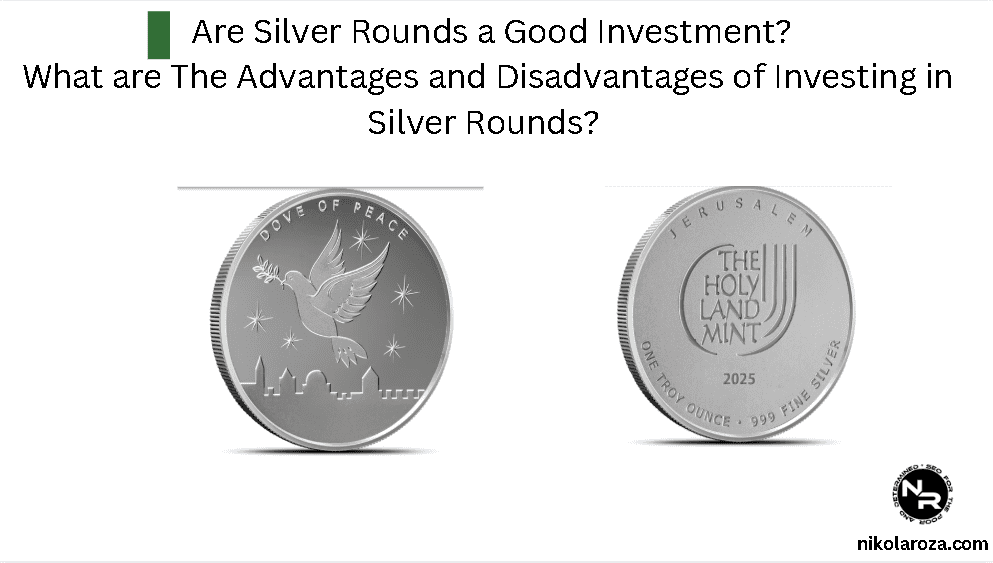
What are Silver Rounds? How are They Different From Regular Silver Coins?
Silver rounds are privately minted, coin-shaped pieces of silver bullion. They’re typically composed of .999 silver (fine silver) and are designed for investment purposes rather than circulation.
Silver rounds have no legal tender face value and carry lower premiums over silver’s spot price making them a cost-effective way for investors to acquire silver.
Silver rounds are in many ways different than regular silver coins. The table below detail the key differences between silver rounds and silver coins.
| Silver bullion type | Silver rounds | Silver coins |
|---|---|---|
| Manufacturer & legitimacy | Silver rounds are produced by private mints (e.g., Sunshine Mint, Golden State Mint, Silver Towne, Highland Mint, APMEX...). | Silver coins are issued by government mints (e.g., U.S. Mint, Royal Canadian Mint). |
| Legal tender status | Silver rounds have no face value and aren't considered legal tender. | Silver coins have a nominal face value and are backed by a government. |
| Cost/premium | Silver rounds have lower premiums over the silver spot price compared to silver coins. | Silver coins have higher premiums over the silver spot price compared to silver rounds. |
| Design & variety | Silver rounds feature diverse artistic and thematic designs. | Government-issued silver coins have standardized, historic designs. |
| Liquidity | Silver rounds are less recognizable and less liquid worldwide. | Government-issued silver coins are more recognizable and liquid worldwide. |
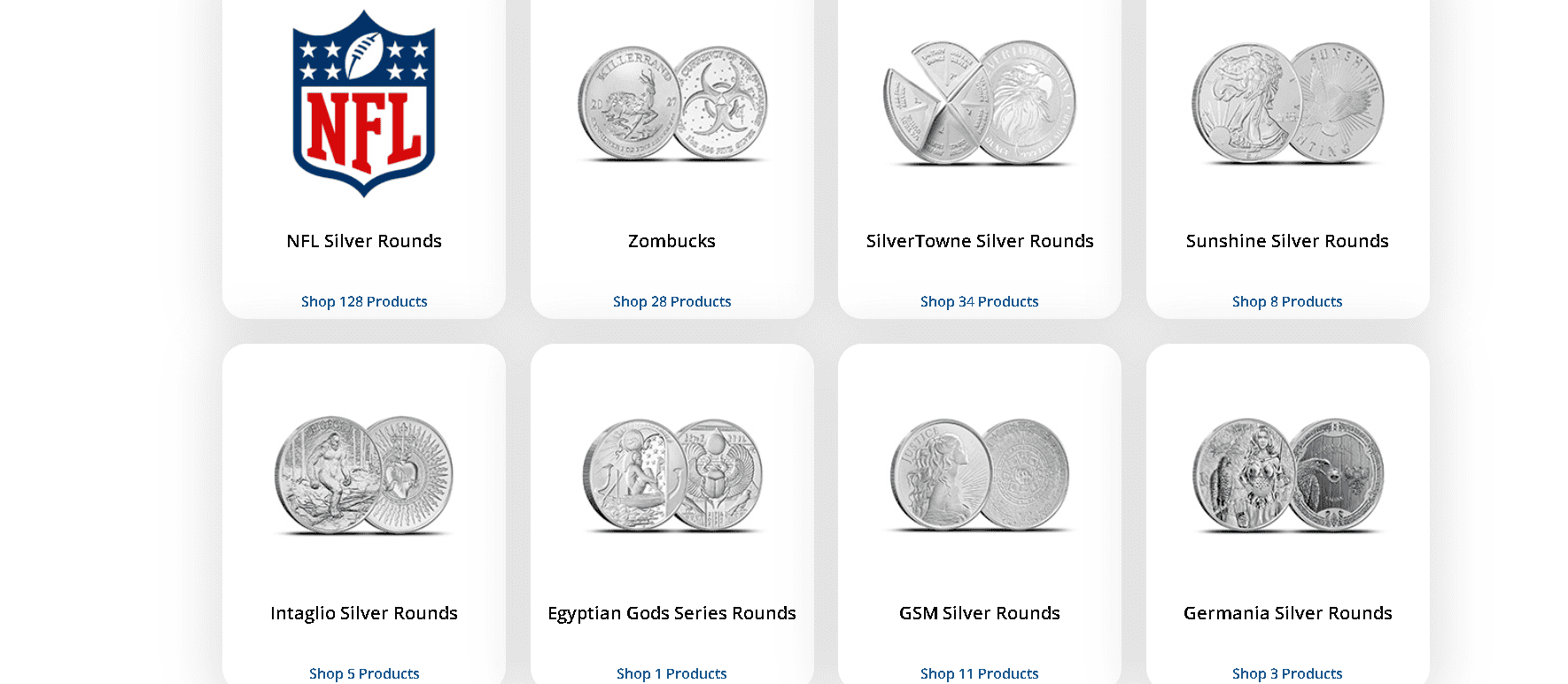
Silver round investing is a fascinating topic. You should check this link next, especially if you’re an American citizen with an interest in economy and precious metals as a hedge against inflation.
How are Silver Rounds Different From Solid Silver Bars?
Silver rounds and solid silver bars are very different, with some similarities too.
The table below shows you the main differences between silver rounds and silver bars.
| Silver bullion type | Silver rounds | Silver bars |
|---|---|---|
| Manufacturer & legitimacy | Silver rounds are produced by private mints (e.g., Sunshine Mint, Golden State Mint, Silver Towne, Highland Mint, APMEX...) | Silver bars are produced by a variety of reputable government-backed sovereign mints and private refiners worldwide. Top manufacturers include PAMP Suisse, Valcambi, Sunshine Minting, Argor-Heraeus, Asahi, and sovereign entities like the Royal Canadian Mint and The Perth Mint. |
| Legal tender status | Silver rounds have no face value and aren't legal tender. | Silver bars aren't legal tender. |
| Cost/premium | Silver rounds have slightly higher premiums over the silver spot price compared to silver bars. | Silver bars have lover premiums over the silver spot price compared to silver rounds. Especially true when purchased in larger quantities. |
| Design & variety | Silver rounds feature diverse artistic thematic designs. | Bars are rectangular ingots, designed for efficiency and, in some cases, stamped with exact, non-standard weights. |
| Liquidity | Silver rounds are more liquid than silver bars. | Silver bars are less liquid than silver rounds because they're harder to divide for smaller sales and require assaying for purity. |
Silver rounds are a versatile investment asset and there’re many pros (and some cons) to them. See more below.
7 Pros of Silver Rounds and Investing in Them
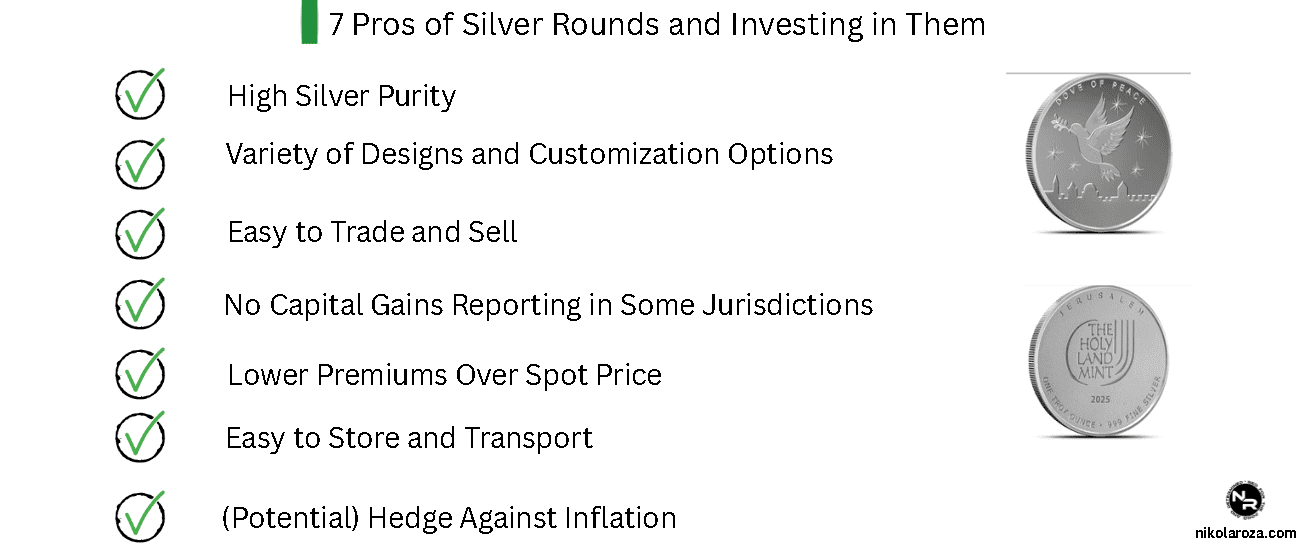
Silver rounds offer several compelling advantages for investors.
They are typically minted to .999 fine silver purity thus matching the purity and quality of government-issued silver coins.
A wide variety of designs ranging from mythology to pop culture makes silver rounds appealing to collectors, and custom options make them unique gift choices. They are relatively easy to buy and sell, as their low individual cost makes them accessible to a broad range of buyers.
Silver rounds are relatively liquid and easy to stack, store and transport. They carry lower premiums over spot price than sovereign coins, allowing investors to acquire more silver per dollar and in certain jurisdictions, smaller private sales may offer some tax reporting privacy.
Finally, silver rounds as a tangible and finite asset serve as a potential hedge against inflation, with silver prices historically rising during periods of economic uncertainty.
Let’s examine the pros of investing in silver rounds in more detail.
Pro 1- High Silver Purity
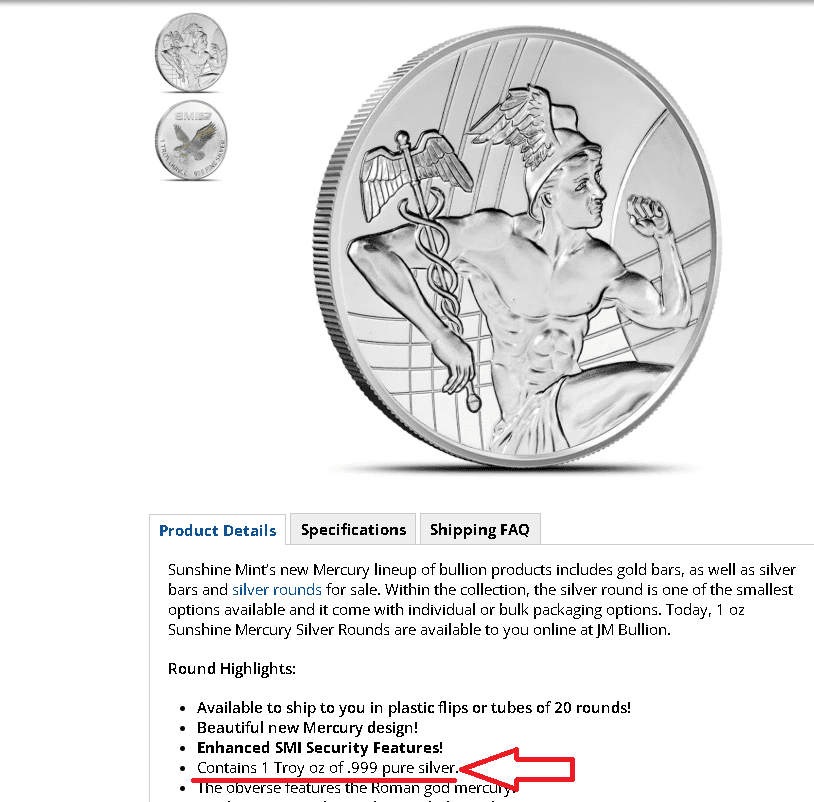
Reputable private mints produce silver rounds with high purity standards, usually .999 silver which is the the highest standard grade for commercial investments.
Meaning the quality of silver rounds is comparable to the quality of government issued silver coinage.
Fine silver (.999 silver) is the preferable choice for crafting silver rounds because silver-loving investors want to own this precious metal, and to own it in a design not found among ordinary silver coinage.
For example, below you’ll see a silver round featuring Mercury, the Roman God of commerce and communication. This particular silver round appeals to people who love both Roman mythology and silver.
Silver round investing is a fascinating topic. You should check this link next, especially if you’re an American citizen with an interest in economy and precious metals as a hedge against inflation.
Pro 2- Variety of Designs and Customization Options
Silver rounds come in a wide range of designs. Meaning there’s a silver round designed to suit your taste whether you’re a fan of mythology, American history, wildlife, or pop culture.
Some investors go further and order silver rounds with their initials, company logos or even portraits.
These make for some unique and valuable gifts.

Pro 3- Easy to Trade and Sell
Silver rounds are relatively easy to sell as there’re many interested buyers online and offline lurking to lock in a good price and a deal.
I say “relatively” because there’re times when no one’s buying. And I say “easy” because silver rounds are small and individually not worth a lot of money. They can be sold piece by piece and pretty much everyone looking to buy silver can afford to purchase at least one silver round.
Compare selling silver rounds to selling silver bars where even a modest 100gr bar is worth too much money to a large amount of people. And heavier silver bars are even harder to sell.
Silver round investing is a fascinating topic. You should check this link next, especially if you’re an American citizen with an interest in economy and precious metals as a hedge against inflation.
Pro 4- No Capital Gains Reporting in Some Jurisdictions
Silver rounds aren’t legal tender, meaning they offer privacy advantages that let you save money when selling your silver rounds.
Namely, a registered dealer must report to the IRS the sale 1,000 troy ounces or more of silver rounds. However, smaller, private sales often don’t trigger this, but the onus is still on you to self-report.
Note: this isn’t investment or tax advice. Contact your financial advisor for more details.
Pro 5- Lower Premiums Over Spot Price
Silver rounds have lower premiums than regular government-issued silver coinage because they’re produced by private mints rather than government mints.
Meaning silver rounds lack legal tender status, numismatic collector value, and the high fabrication costs of sovereign coins. To you this means you can buy more silver by weight with the same amount of money.
Pro 6- Easy to Store and Transport
Silver round are uniform in shape and weight as they’re mostly minted in standard sizes, with the 1-ounce version being the most common. This makes them easy to stack, store, and transport, especially when compared to irregularly shaped silver bars or mixed silver coinage.
For example, try storing Silver Morgan Dollars and Sacagawea silver dollar one on top of the other and soon you’ll see how hard it is.
The diameter of Morgan Silver Dollars is 38.1 millimeters (1.5 inches) and the diameter of Sacagawea Dollars is 26.5 mm. Storing silver rounds with equal diameters won’t give you such problems.
Silver round investing is a fascinating topic. You should check this link next, especially if you’re an American citizen with an interest in economy and precious metals as a hedge against inflation.
Pro 7- (Potential) Hedge Against Inflation
Silver rounds are a potential hedge against inflation. I say they’re a “potential hedge” instead of “foolproof hedge” because silver prices are unpredictable and can sharply rise or fall based on the supply and demand.
The truth is that silver as a finite, tangible asset retains value when paper currency loses all of its purchasing power. In fact, silver’s value often rises during inflationary periods due to increased demand from investors doing last minute panic shopping.
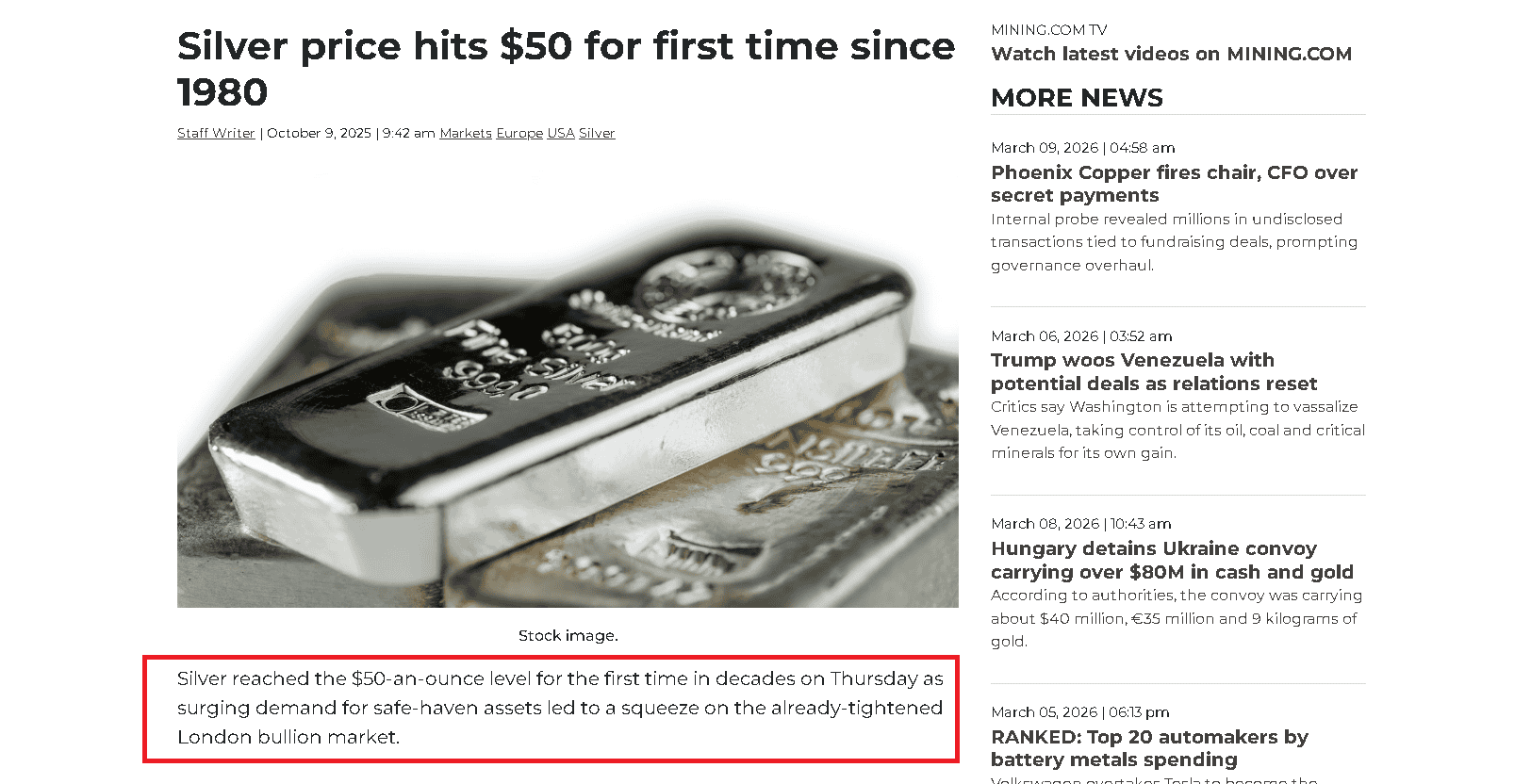
For example, in October 2025 silver reached the $50 per ounce level which was last seen in in the 1980s during the famous Silver Thursday event.
5 Cons of Silver Rounds and Investing in Them
Silver rounds have several drawbacks you should consider before investing your money.
First, they carry no numismatic value, meaning their worth is tied almost entirely to silver’s spot price with little potential for appreciation beyond that.
Second, silver rounds are less recognizable to newer buyers, which makes selling more difficult and time-consuming compared to selling government-issued coins.
Third, the risk of counterfeiting with silver rounds is elevated because they’re produced by private mints without central regulation.
Fourth, silver’s low value-to-weight ratio makes storing significant quantities impractical and space-intensive.
Finally, silver rounds aren’t legal tender, lacking the official government backing of sovereign-minted coins.
More details below.
Con 1- No Numismatic Value
Silver rounds have no inherent numismatic value. They’re pretty and valued for their silver content, but that’s about it. This means they won’t appreciate significantly beyond the spot price of silver unless a round’s design becomes rare or highly sought after for some reason.
This is an obvious disadvantage of investing in silver rounds for any investor looking for both collectible appeal and bullion value.
Silver round investing is a fascinating topic. You should check this link next, especially if you’re an American citizen with an interest in economy and precious metals as a hedge against inflation.
Con 2 – Lower Recognition Among New Buyers
Silver rounds are less familiar to new investors and newbies within the precious metal community.
Meaning that finding someone who understands and values silver rounds will take longer and be more frustrating versus selling government-issued silver coins. With the former there’s always a lever of distrust in the genuineness of the silver, whereas with the latter that distrust is non existent.
This only applies when selling precious metal to newbies and you won’t have these issues with experienced dealers.
Con 3- Potential for Counterfeits
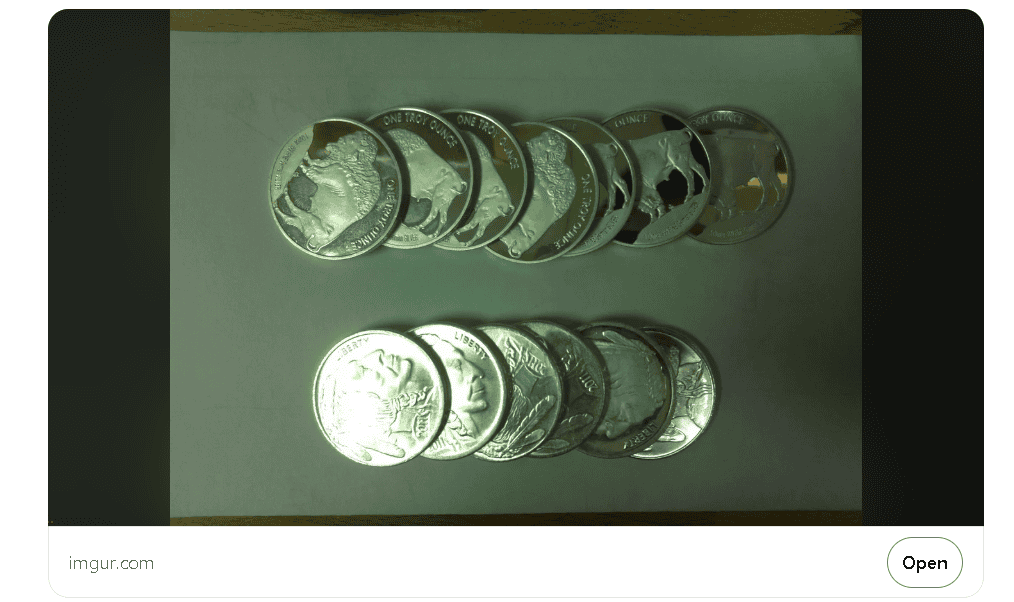
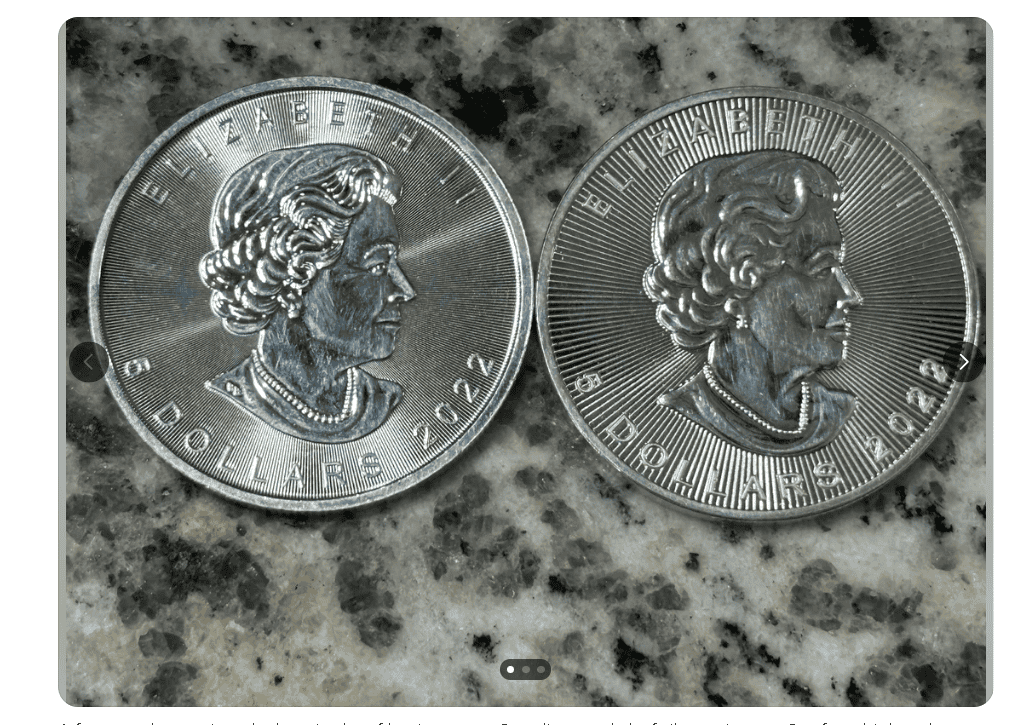
Potential for counterfeits with silver rounds is higher than with regular silver coins because the former aren’t regulated by a central minting authority.
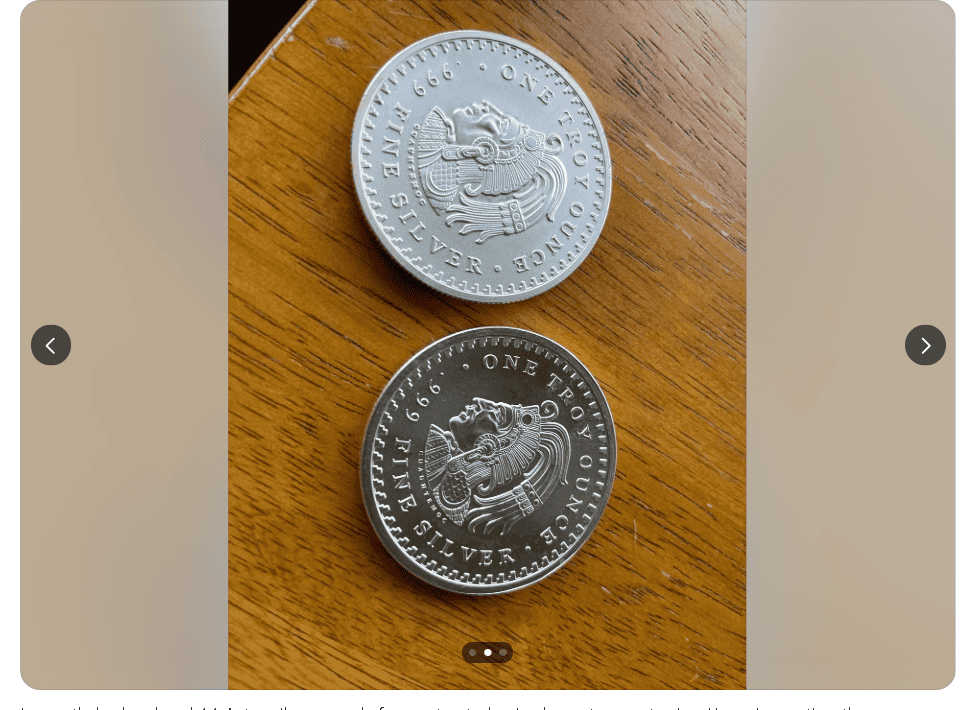
To prevent getting scammed you should only work with reputable dealers and you should educate yourself on simple tests you can do at home to see if silver is real or fake.
For really big sales you should talk to a professional silver appraiser who can do an XRF analysis on a sample of silver rounds you wish to buy.
Silver round investing is a fascinating topic. You should check this link next, especially if you’re an American citizen with an interest in economy and precious metals as a hedge against inflation.
Con 4- Silver in Bulk is Cumbersome to Store
Silver is heavier and less compact than gold in terms of value per ounce.
Because of this storing a lot of money in pure silver and silver rounds isn’t practical as you’d need to borrow your local bank’s safe to store it.
Storing silver is a real pain for long-term investors with space constraints. And they often find that storing gold, platinum and palladium bullion is much more practical and economical in terms of space.
People who invest in silver as part of their retirement portfolio (silver IRA’s) don’t have to worry about silver storage as there’re special precious metal depositories that store and insure this silver bullion.
Read my article on the best gold IRA depositories to learn more, and know that gold IRA depositors also store silver as part or gold and silver IRA’s.
Con 5- Not Legal Tender
Silver rounds aren’t legal tender and you can’t use them to settle your debts and taxes. It’s because silver rounds don’t carry the “official” backing like the U.S. silver Eagle or modern Silver Morgan and Peace Dollars. This lack of legal recognition is a drawback of investing in silver rounds for some investors.
Silver rounds aren’t legal tender because they’re produced by private mints rather than government-sanctioned sovereign mints. Government-issued coins are legally protected against counterfeiting by federal agencies (like the Secret Service). Silver rounds aren’t legally protected by the same government agencies.
How to Invest in Silver Rounds and Not Get Scammed?
To invest in silver rounds without getting scammed follow the steps below.
- Purchase from reliable sources. Buy from authorized mints or respectable bullion merchants and avoid shady dealers who offer deals too good to be true.
- Stick with known brands. Brands like Silver Towne, Sunshine Minting, APMEX, and JM Bullion are reputable, legitimate and unlikely to scam you.
- Inspect and store safely. Store your silver rounds in protective cases in a dry secure environment.
- Stay updated on spot prices. Track silver prices like a hawk to make informed decisions.
- Keep purchase records. Maintain invoices and documentation in case of resale, tax reporting or insurance claims.
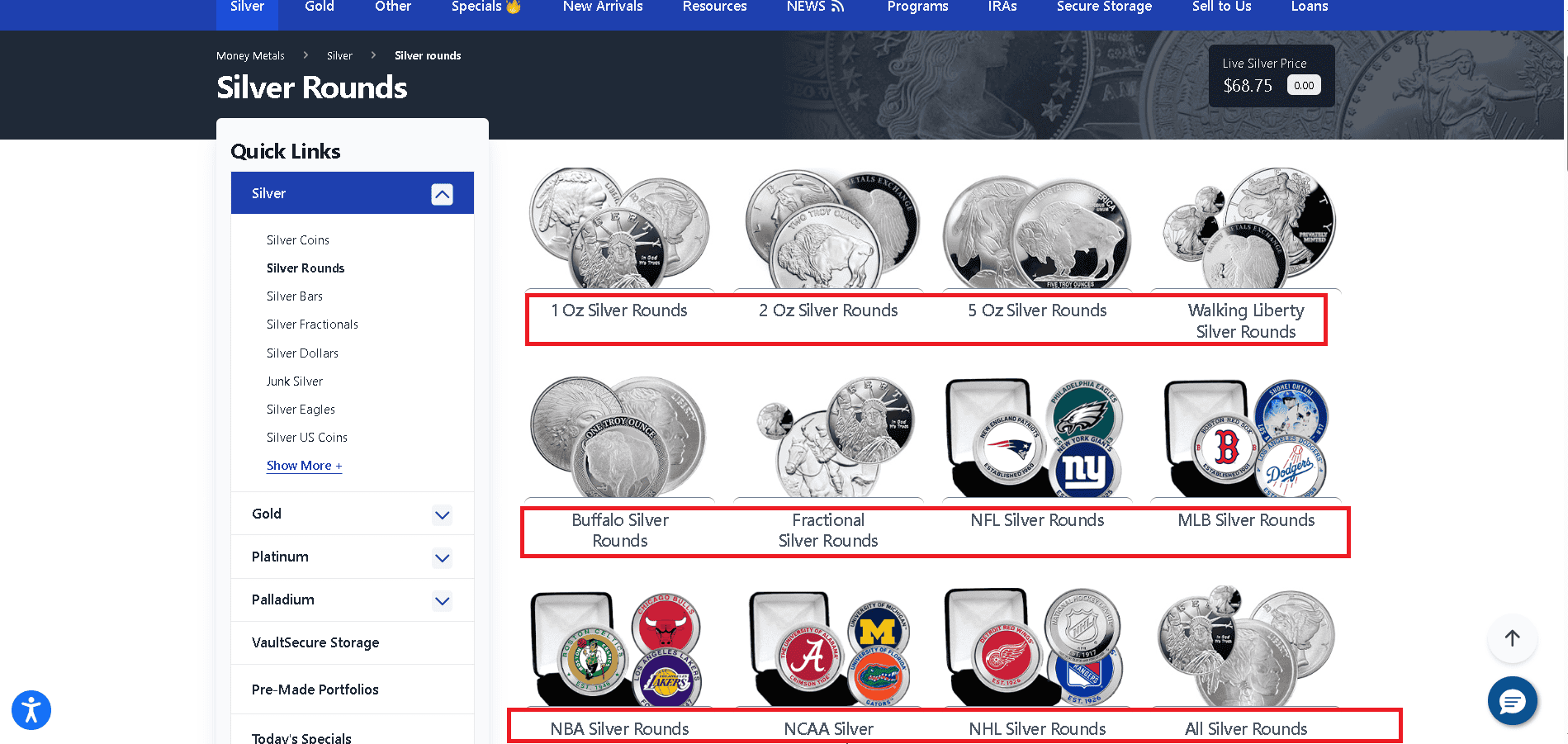
You can buy silver rounds on Money Metals. Money Metals Exchange is a reputable and legitimate precious metal bullion dealer that has a wide variety of silver rounds you can pick from.
How to Divest From Silver Rounds and Make a Profit?
To divest from your silver rounds for a profit you must strategically time your sale to coincide with high silver spot prices.
Identify the true market value of your specific rounds, and compare offers from reputable dealers.
You turn a profit by selling when the “bid” (the dealer’s offer) exceeds your original acquisition cost. Ideally, sell your silver rounds when market premiums are elevated due to high demand.
Silver prices fluctuate much more wildly that gold’s so you might need to wait a while to get the best possible price for your silver rounds.
- A portrait carved out on a blank silver coin pendant.- https://www.reddit.com/r/mildlyinteresting/comments/myeh9w/a_portrait_carved_out_on_a_blank_silver_coin/
- Real or Fake? Silver Buffalo Rounds- https://www.reddit.com/r/Silverbugs/comments/190yjv/real_or_fake_silver_buffalo_rounds/
- Spot the counterfeit silver round- https://www.reddit.com/r/Silverbugs/comments/1isy0ux/spot_the_counterfeit/
- Received one piece of fake silver (Aztec silver round) – be careful out there!- https://www.reddit.com/r/Silverbugs/comments/1pka58o/received_one_piece_of_fake_silver_aztec_silver/
- Silver price hits $50 for first time since 1980- https://www.mining.com/silver-price-hits-50-for-first-time-since-1980/

Nikola Roza
Nikola Roza is the owner of Nikola Roza- Everything You Can Learn About Precious Metals. He writes for people who love precious metals and jewelry and who're interested in adding gold, silver platinum and palladium to their retirement portfolios. Nikola is passionate about gold IRAs and investing in multiple asset types for a safer financial future. He also runs a successful online jewelry store where you can buy precious metal jewelry and various replicas of famous coins and bars. Learn about Nikola here.
