
Disclosure: Some of the links you’ll encounter are unique links. Click and buy something and I’ll earn some money, at zero expense to you. Thank you!
A marketing leader walks into a quarterly review, armed with campaign reports full of clicks, impressions, and engagement stats. The finance team asks, “How did this drive revenue?”
That’s the reality of today’s unpredictable economy. B2B marketing leaders face tighter budgets and growing pressure to prove their impact with measurable results. And at the center of this shift is the need for finance and marketing collaboration in B2B, where creativity meets accountability.
Finance teams aren’t only looking for new campaign ideas. They expect hard evidence that investments in social media marketing and other digital channels actually fuel growth, reduce costs, improve customer lifetime value, and strengthen customer relationships. In other words, marketers can no longer afford to operate in silos. They need finance as a strategic partner.
In many companies, this shift is driven by tighter economic conditions and increased scrutiny of marketing budgets. Finance leaders want marketing teams to justify investments the same way other departments justify capital expenditure or operational costs. That means marketing initiatives must demonstrate how they contribute to measurable business outcomes such as revenue growth, customer acquisition efficiency, and stronger retention rates. As a result, the role of marketing is evolving from brand promotion alone to becoming a strategic driver of revenue and long-term value creation across the organization.
So, what exactly do finance teams expect from marketing leaders? Let’s break it down.
Why Finance and Marketing Collaboration in B2B Is Crucial
Finance and marketing have historically been viewed as two separate worlds: One focused on numbers and the other on creativity.
But in modern B2B organizations operating across competitive markets, that separation no longer works. At macro levels, rising costs and shrinking margins mean finance leaders want reassurance that every dollar spent on brand marketing or public relations contributes to the bottom line. When these two departments align their metrics, every marketing campaign transforms from an untracked expense into a highly measurable B2B opportunity.
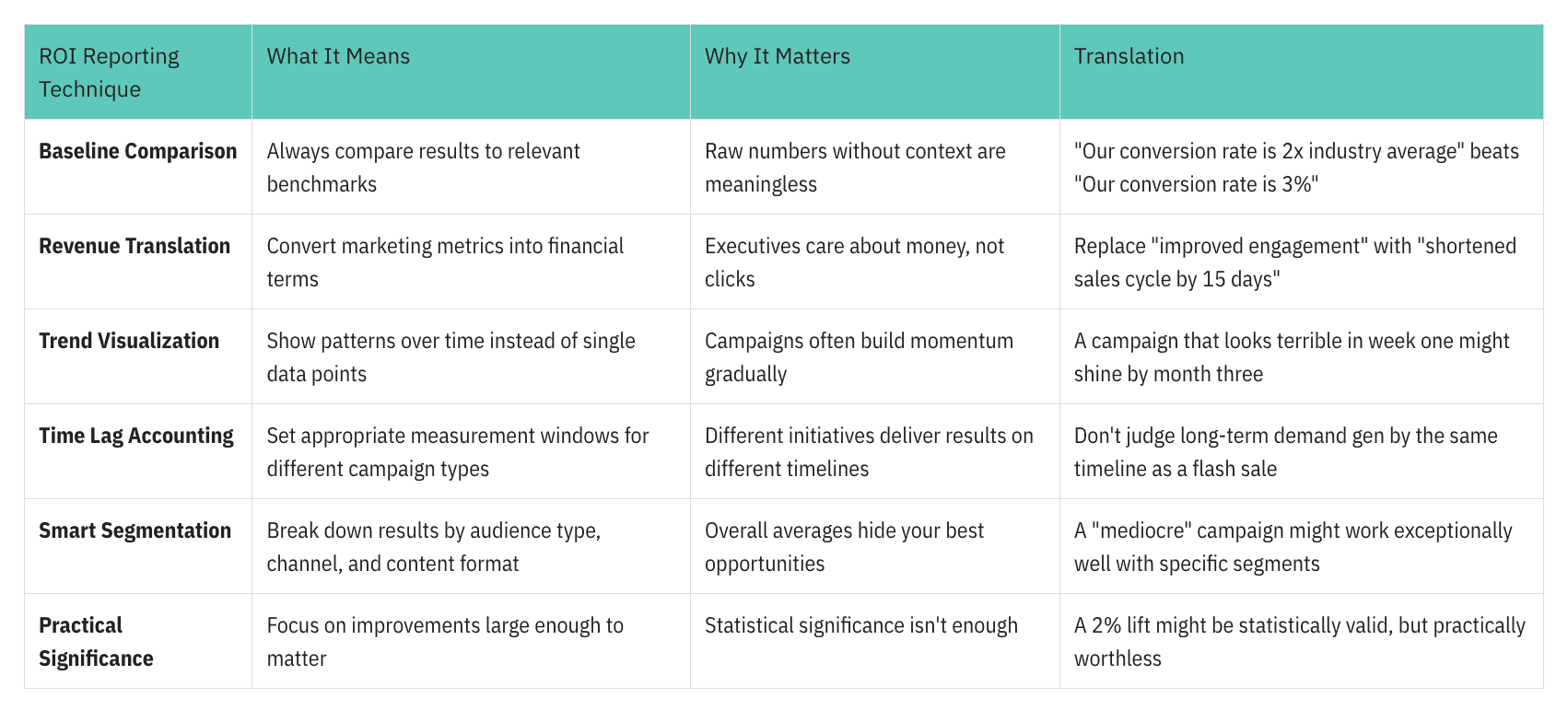
How to translate campaign metrics into ROI stories
This shift is especially visible in financial institutions, where strict regulatory environments require justification of budgets with transparency and accountability. For marketing leaders, that means demonstrating how campaigns improve the marketing funnel and sales pipeline, accelerate the revenue generation cycle that powers the company’s revenue engine, and ultimately add to enterprise value.
What Finance Teams Want from B2B Marketing Leaders
Finance’s expectations revolve around three factors: transparency, communication, and accountability.
Transparency and Credible Data
In today’s economy, finance teams value transparent, data-driven insights from marketing. So, productivity management software, when implemented ethically, can offer a single source of truth.
By tracking project timelines, output metrics, campaign execution stages, and resource allocation (while safeguarding privacy and autonomy), these tools provide finance with credible performance visibility, strengthen accountability, and reduce friction in budgeting decisions.
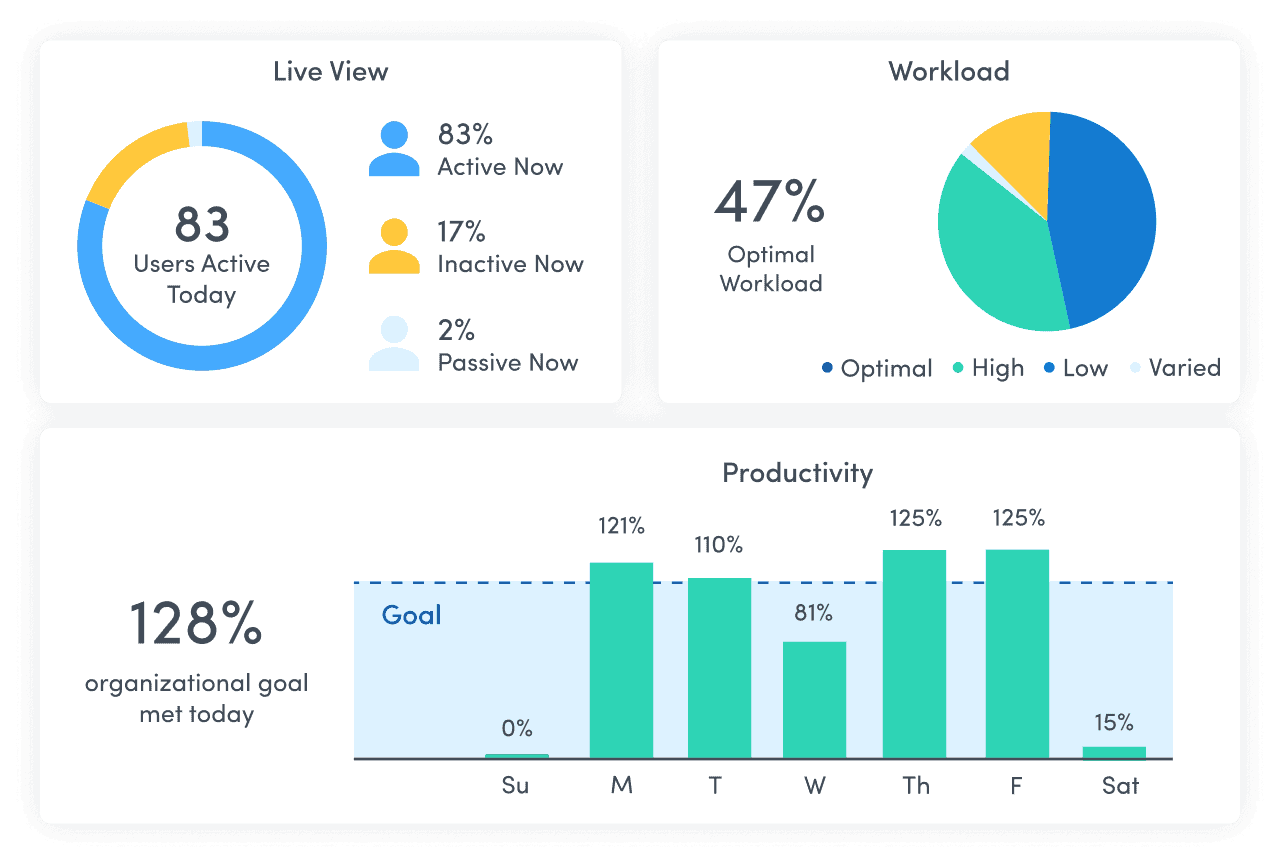
Organizational progress in ActivTrak, a productivity management software
Image Source
Analytics platforms, like Google Analytics and social media monitoring and search engine optimisation tools, are crucial in this transparency. Together, they help marketers track everything from website conversions to public relations impact, turning raw numbers into stories that finance leaders trust.
Open Communication and Real-Time Collaboration
Finance teams want frequent, open updates about campaign performance and marketing budgets. They increasingly demand transparency and clarity from the marketing team—requirements that internal communication software is built to meet.
A centralized, segmented, and inclusive communications hub can improve collaboration between finance and marketing. It allows teams to:
- Share forecasts
- Provide updates on campaign briefings
- Keep each other updated on budgets
- Reduce information silos
- Build mutual trust with real-time visibility and feedback loops
This approach leads to mutual alignment between marketing and finance. And the result? Fewer misunderstandings and more trust when it comes to decision-making.
Performance Measurement and Accountability
Finance expects marketing to move beyond vanity metrics like clicks, impressions, or follower counts. Those numbers may look impressive. But they don’t show how marketing contributes to the business. What finance teams really want is performance measurement that ties directly to value creation.
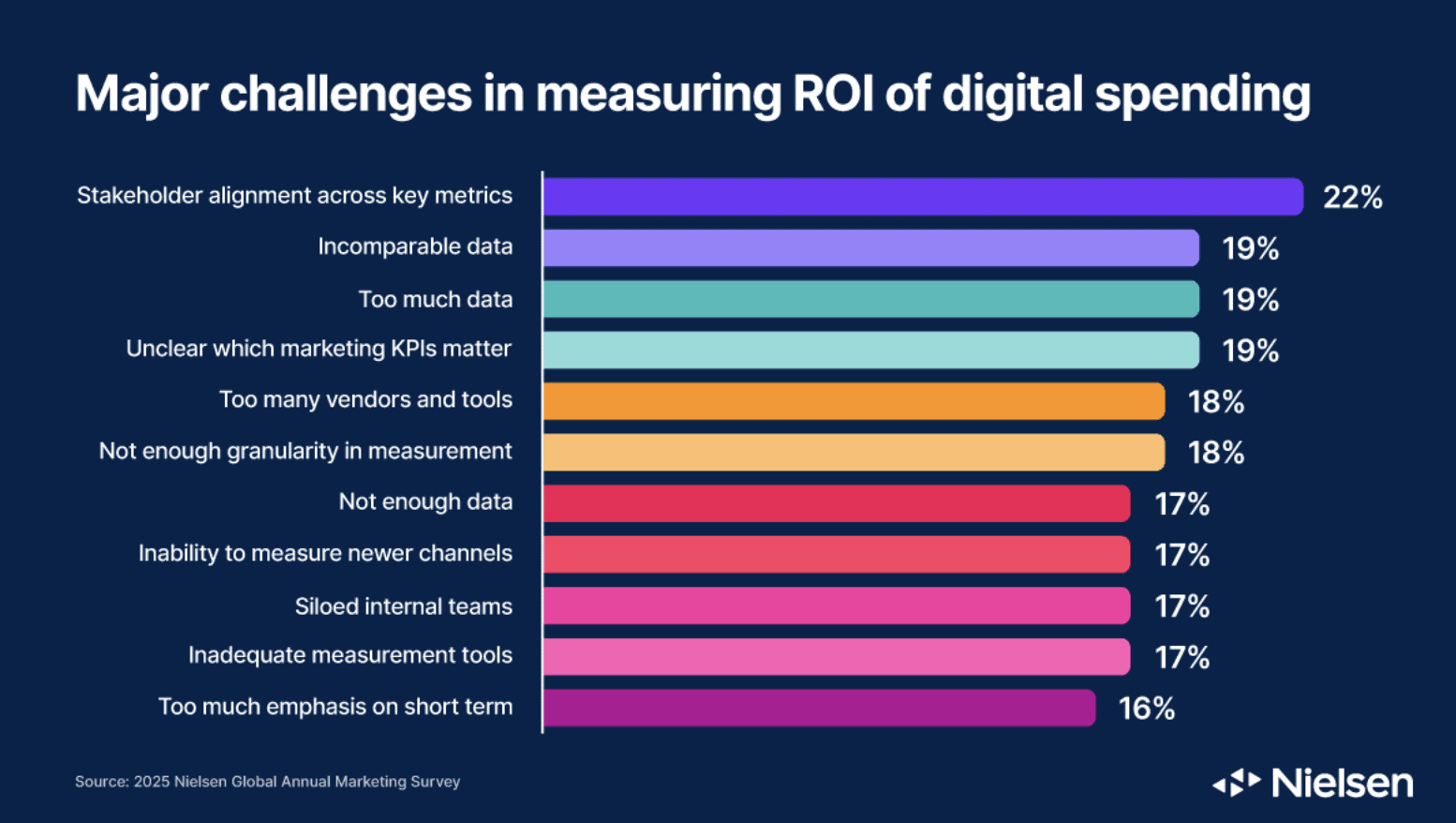
Challenges in measuring marketing ROI
To achieve this, marketing teams increasingly rely on attribution models that connect marketing touchpoints to revenue outcomes. These models track how prospects interact with multiple channels, from early-stage awareness content to product demos or sales conversations.
When marketers can demonstrate how each touchpoint contributes to moving prospects through the marketing funnel, finance teams gain a clearer picture of marketing’s financial impact.
Instead of isolated campaign metrics, the focus shifts toward pipeline contribution, deal acceleration, and customer lifetime value, all of which provide a more reliable view of marketing’s role in driving business growth.
That means that if you’re a B2B marketer, you have to connect metrics like awareness lift or campaign reach with outcomes that matter financially, like revenue growth or reduced customer acquisition cost.
Let’s say you’re running a content marketing and lead generation campaign.
Don’t just track engagement rates. You should be able to analyze how those engaged users moved faster through the marketing funnel and sales enablement process or increased customer retention over a set measurement period.
And this is how finance teams can benefit from social media tools and other analytics platforms. They can see not only the number of people who clicked, but also that the clicks led to qualified leads captured through landing pages or long-term customer lifetime value.
To deliver this level of accountability, marketers must focus on several operational areas
Key Areas Where Finance Expects More From Marketing
To meet financial expectations, B2B marketing leaders need to focus on the following areas.
Smarter Budget Allocation
For finance, having evidence that the marketing budget is allocated efficiently is important. This requires a data-informed marketing strategy that shows where money is being spent and why.
And this means justifying investments with measurable outcomes, whether that’s faster deal cycles or higher conversion rates in the sales funnel.
Tools like a content calendar can help here. It allows B2B marketing leaders to map campaigns against business priorities, avoid waste, eliminate overlaps, and demonstrate to finance how resources are being allocated.
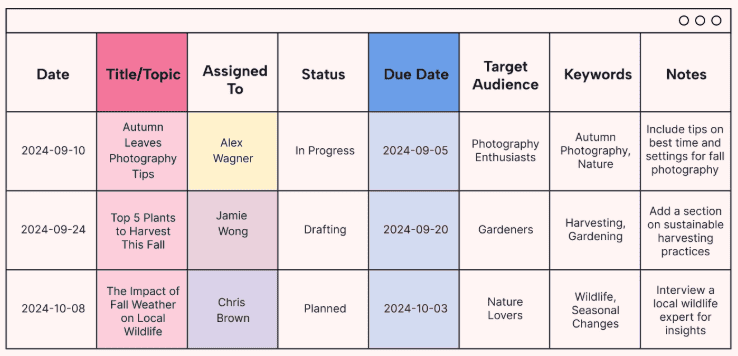
Editorial content calendar
Image Source
For example, instead of splitting the budget evenly across channels, your marketing team might shift 30% of spend from underperforming social media channels into account-based marketing and ABM campaign initiatives that have already proven a stronger return on investment (ROI).
Proving Customer Value Creation
Finance teams want proof that marketing efforts lead to genuine business impact.
This is where the use of personalization and behavioral triggers comes in. A behavioral trigger is an action a prospect takes that sets off an automated response, which makes the marketing experience feel relevant while also creating measurable outcomes.
For example, downloading a whitepaper could trigger an email with related success stories. Or, visiting a pricing page multiple times might trigger a follow-up from sales reps.
This is where the choice of B2B email marketing tools becomes operationally important. Different platforms vary in how well they handle audience segmentation, trigger logic, and conversion tracking — and those differences directly affect how much useful data marketing can hand off to finance. When email campaigns are properly instrumented, each automated touchpoint becomes a traceable event in the attribution chain, not just another send in a sequence. Before launching these campaigns, teams should build a valid email address list to reduce bounces and keep performance data clean. The platform you choose shapes how far you can take that personalization.
Adobe Marketo Engage lets you create personalized journeys and account-based experiences. It’s an AI-powered marketing automation platform that helps you (as a marketer) design content that is personalized, like tailoring visuals and messaging to every customer while keeping consistency with the brand voice.
And, this can be beneficial for the company. Boston Consulting Group research found that consumers love receiving personalized experiences. They also expect that more companies will personalize their shopping experience.
Pairing this with customer analytics and Customer Relationship Management systems allows you to capture these triggers, measure their impact, and connect them directly to outcomes like upsells or renewals.
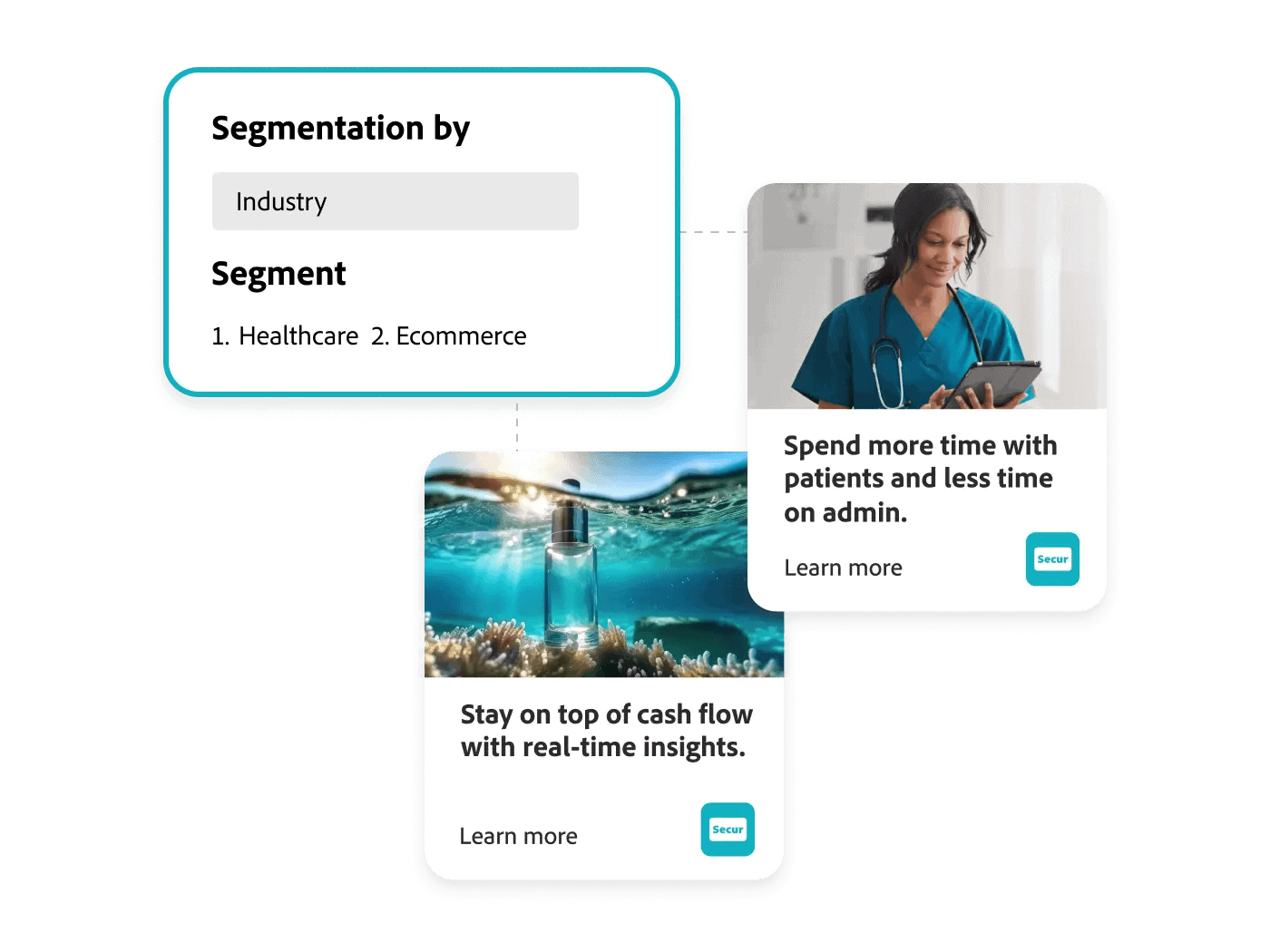
Audience segmentation using Adobe Marketo Engage
Image Source
Here’s an example. You could create a digital marketing campaign that automatically sends a case study to prospects who engaged with a webinar, leading to a sales-qualified lead. The finance team can then see how that single trigger contributed to accelerating the sales funnel.
Bridging the Gap: How Marketers Can Meet Finance Expectations
So, how can marketers meet these demands without losing their creative edge?
Using Technology and Analytics
Technology is the bridge between creative campaigns and financial accountability. Finance expects marketing leaders to show exactly how analytics and behavioral triggers translate into financial outcomes.
For example, a customer data platform integrated with Artificial Intelligence might reveal that high-value leads consistently interact with video content before purchase. Marketing teams can reallocate their budget toward video and measure the resulting increase in conversion rates. That way, they can prove to finance that the spend helped reduce the customer acquisition cost payback.
Building a Shared Language Between Teams
Communication is one of the biggest barriers between finance and marketing. Marketers speak in clicks, conversions, and engagement. Finance speaks in ROI and cost efficiency.
To bridge this, leaders need to provide cross-functional training that improves Sales and Marketing Alignment and align the company culture around shared outcomes.
Let’s say that a LinkedIn campaign has generated 3,000 clicks. Marketers can frame it as a $50 cost per qualified lead, with an expected $500 average deal size tied to measurable financial results. This is the type of translation that gives finance clear visibility into ROI.
Conclusion
In today’s economy, finance teams expect clarity, transparency, and accountability from B2B marketers. They want data-informed strategies, credible performance metrics, and proof of value creation.
For marketing leaders, this is an opportunity. Strong finance and marketing collaboration in B2B builds trust and drives business growth.
The days of finance and marketing working in silos are over. By using the right tools and committing to shared outcomes, marketers can deliver the measurable results finance demands, while still driving creativity and innovation.
The most successful B2B companies invest in finance and marketing collaboration because it turns marketing into a predictable revenue driver rather than a cost center. If you want to strengthen that connection between marketing performance and business outcomes, focusing on SEO-driven content and strategic link building can make a measurable difference.
At Nikola Roza, you’ll find practical guidance on SEO strategy, affiliate marketing, and organic growth tactics that help B2B marketers generate qualified traffic, support lead generation, and prove marketing’s impact on revenue. Explore the resources and insights on the site to learn how smarter SEO and content marketing can support both marketing and finance goals.
Author bio: Kristina Iavarone

Kristina is a content writer and editor at uSERP, with a passion for building long-lasting relationships with B2B and B2C clients through content and SEO efforts. Her work has appeared in Medical News Today, Healthline, and GetYourGuide, and when she’s not working, she’s either at a café or exploring new places with her husband.

Nikola Roza
Nikola Roza is the owner of Nikola Roza- Everything You Can Learn About Precious Metals. He writes for people who love precious metals and jewelry and who're interested in adding gold, silver platinum and palladium to their Gold IRAs and retirement portfolios.