
Disclosure: Some of the links you’ll encounter are affiliate links. If you click and buy something, I’ll get a commission. If you’re reading a review of some precious metals company, please understand that some of the links are affiliate links that help me pay my bills and write about what I love with no extra cost to you. Thank you!
If you want donors to continue supporting your cause, you must be transparent about how their money is being used. Trust in charities fluctuates constantly because people want to know their donations are making a real difference.
When they see that their money is being used in the right way, they’re more likely to continue giving.
Let’s talk about some simple ways you can be more transparent about how you handle donations.
Table of Contents
Be Clear About All Costs Involved
Audit your fundraising approach and the causes you support, and list ALL the fees involved. Think of these like transaction fees or an expense ratio in an investment account — donors deserve to see exactly what they’re paying for.
For example, if you’re using a charity trust to hold the money, you should break down the cost of maintaining the trust.
If you hire agents to run charity seminars or make donation calls, show donors exactly how much of their money covers those costs. (More on this in a bit.)
If donors choose to support telehealth programs and access essential medications like liraglutide online, clearly outline the care costs, service fees, and any other associated expenses. In this case, you might have:
- Medical form processing fees
- Telehealth visit costs
- Medication costs
- Shipping fees
Consider showing them a graphic or visual, such as the one below, to clearly illustrate what costs their donations cover.
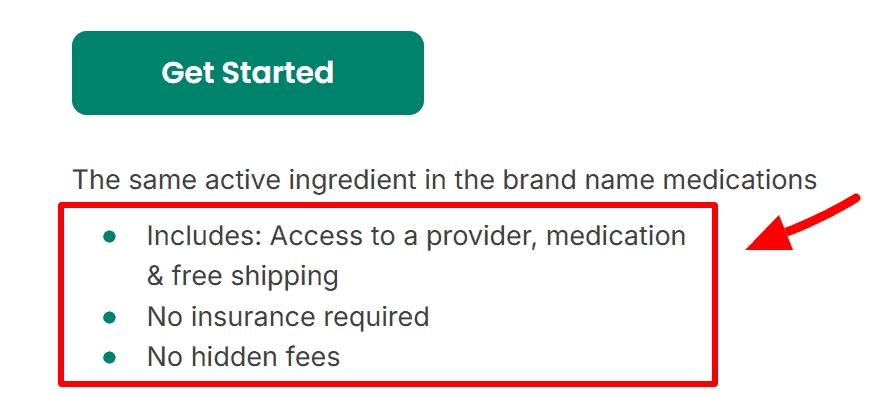
Screenshot provided by the author
Ensure you pull the cost data for every cause now, so you’re not left scrambling to find answers when a donor inquires about fees. And if they give you any grief about too many fees, consider hinting at meeting with a tax advisor about the possibility of a tax benefit.
Sometimes, that’s all you need to get charitable donors on board. 😉
Separate Donation Money From Fundraising Expenses and Pull Reports
Ensure that you have the correct bank setup.
Look into the best business bank accounts for fundraising purposes to keep donation money separate from your everyday expenses. You can also meet with a financial advisor for more support and advice on which accounts to choose.
A good account will make it easy to track every dollar, generate clear reports, and demonstrate to donors that you’re managing their gifts effectively. Using fundraising software alongside your banking setup can further streamline donation tracking and reporting, ensuring every contribution is recorded with accuracy and transparency.
Extra emphasis on reports! These reports give donors a clear risk/return profile of how their contributions are being used, just as investors expect when managing an investment strategy.
Here are a few key reports that can help you stay organized and show donors exactly how you’re managing their money:
- Monthly account summaries: Provide donors with an easy-to-read snapshot of how funds were managed over a specific time period, month by month.
- Expense reports: List where every dollar was spent, separate from daily business costs. And with daily business costs.
- Bank reconciliation reports: Match your donation records with your bank account to verify no discrepancies.
- Fund allocation reports: Break down how donation money was used across different programs or needs.
- Donation tracking reports: Show exactly how much money came in from donations.
You can also pull reports based on a donor’s charitable giving goals.
For example, if they’re helping you raise donation money to build a new community foundation in their neighborhood, pull a report showing how much of their donations have been spent on that project.
Or, if you’re collecting funds for medical supplies, pull a report that breaks down how donations are going toward purchasing those supplies. Reports like these are crucial to establishing trust with donors in your charitable organization.
Discuss Your Security Control Validation Process
Want to really impress your donors? Show them you’re double-checking where their money goes at every step. That’s what security control validation is about. (Think of it as constantly testing your system to ensure nothing shady is happening.)
Instead of simply saying, “We spent your money right,” — you’ll have real proof to show it.
With initiatives like cryptocurrency and international donations, having these security checks in place can be a key factor in why a donor chooses you, especially if they have a risk profile that is more cautious or concerned about where their money is going.
These security checks give them the peace of mind that you’re handling their contributions responsibly and securely. They also act as a form of risk management, reducing investment risk even in times of market volatility.
*Pro-Tip: If you’re supplying a donor with materials they can review, consider including an infographic or scope of process (SOP) that shows them how your security works in steps.
Here’s an example:
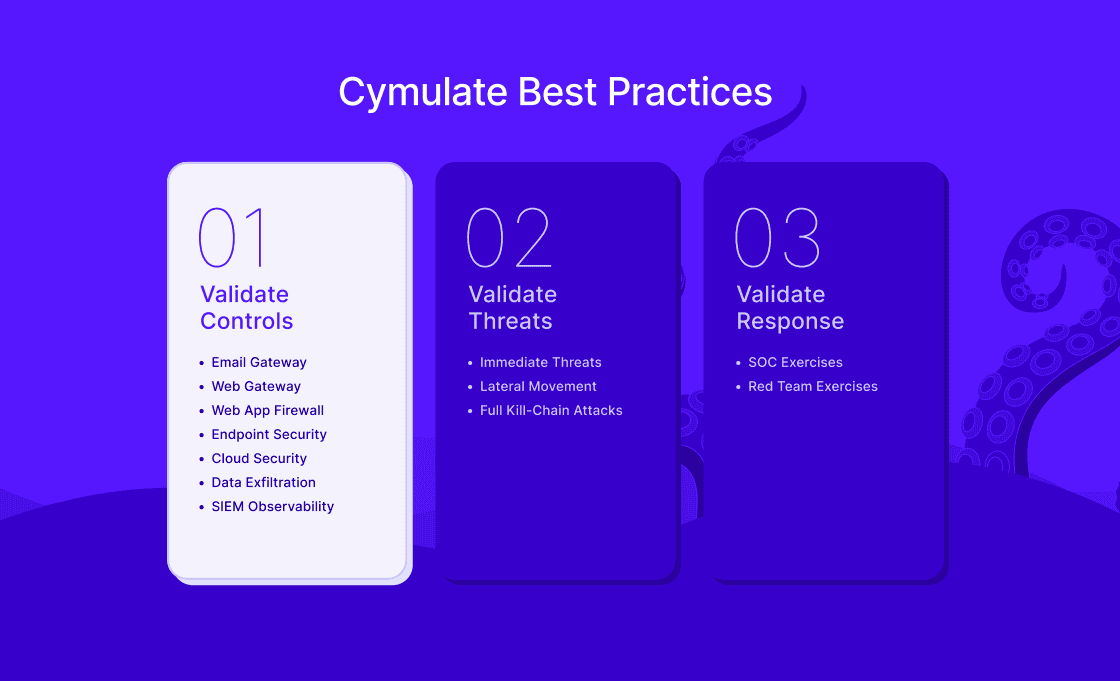
Screenshot provided by the author
Prioritize Regular Updates and Ongoing Communication With Your Donors
Regular updates are essential for keeping your donors informed and confident about where their donations are going. And we’re not just talking about yearly or quarterly public charity reports.
We’re talking about staying in touch throughout the year about their favorite charities and the impact of their donations, using WhatsApp tools or other forms of communication.
Keep them in the loop on how the projects are going, what’s been achieved, and any bumps along the road. (They may be willing to help with some of those challenges if the cause lines up with their philanthropic goals.)
For instance, you might want to update an investor about market conditions or their investment horizon. Donors want to know progress toward long-term goals.
Some datasets they may be interested in receiving regularly include:
- The challenges you’ve faced and how you’re addressing them.
- Specific milestones or goals your charity has reached or met.
- The number of people that have benefited and how.
- How good the services were.
- Lasting impact from the services.
Donors appreciate knowing their money is making a real difference, and regular updates on current performance help demonstrate this.
This approach also builds trust because you’re keeping them informed, rather than waiting until the last minute to share important information or ask for additional donations.
Be Transparent About Salary and Overhead Structures
Donors often worry about how much of their donations are allocated to expenses such as staff salaries or other operational costs. They want most of their money to go to the people and causes in need, not organizational fees.
To ease these concerns, it’s essential to be transparent about where their money is going. Show them the details — such as the amount of staff compensation and administrative costs.
Also, ensure that you stress the importance of your organization’s staff in continuing to operate and collect funds. When donors see that these expenses are reasonable and necessary to keep things running smoothly, they’re more likely to trust that their money is being used properly.
Let’s review an example of what this might look like below. 👇
Salary and Overhead Structures Example
The costs below are typical for a charity to operate smoothly and achieve its mission. (Feel free to adjust these numbers in a Google Doc according to your own organization’s needs.)
Staff Salaries
$50,000 per year for a program manager and $30,000 per year for each staff member. In this example, we’ve included 10 staff members.
Why it matters: Salaries keep operations running — without staff, there would be no one to organize events, manage donations, or run programs.
Office Space and Utilities
$2,000 per month for rent and $200–$350 per month for utilities.
Why it matters: A central location is important for staff to meet, store materials, and work efficiently.
Technology and Equipment
$5,000 annually for computers, software subscriptions, and communication tools. You might also hire guerrilla marketing team to help you enhance your cause further. It’s important to mention it as an expense.
Why it matters: These resources are essential for tracking donations, managing projects, and maintaining connections with donors and recipients.
Fundraising and Outreach Efforts
$3,000 quarterly for marketing campaigns, promotional materials, and prospecting. Whether you’ll do cold outreach or pay-per-click advertising, you need to be transparent and up front with any marketing expenses.
Why it matters: Outreach is required for attracting new donors, maintaining relationships, and ensuring long-term growth.
Legal and Regulatory Expenses
$1,500 annually for accounting and legal fees.
Why it matters: These costs ensure compliance with laws, maintain transparency, and help avoid costly penalties.
Security and Compliance
$2,000 annually for system maintenance, data encryption, and security control validation.
Why it matters: Protecting donor information and ensuring the security of financial systems is essential for maintaining trust.
As you can see, even nonprofits need governance similar to a board of directors overseeing an investment portfolio. Accountability builds confidence.
Tip: Once you’ve adapted these numbers to fit your actual organization, add your logo and branding elements, then save the document as a PDF. It’ll be officially ready to share with donors.
Stakeholder Involvement In Decision-Making
Another way to build trust is to involve donors in important decisions about how funds are allocated. You don’t have to give them control over every little thing.
However, allowing them to have a say in some decisions or inviting them to advisory boards can make them feel like a part of the process. Donors who feel like they have a stake in the outcome may be more committed to your cause and trust that you’re spending their money well.
Wrap Up
The more transparent you are with how donations are used, the more likely donors are to feel confident in your charity’s mission.
Showing them exactly where their money goes — from salaries to overhead costs, security, and program impact — builds trust. And regular updates and clear communication about project progress further solidify that trust.
When donors see the parallels between nonprofit fund allocation and investment strategies in the stock market, they gain a better understanding of how careful planning and allocation strategies ensure a long-term impact.
Follow our tips to create a solid foundation for long-term support and growth.
If you want to dive deeper into building credibility, growing your audience, and strengthening your digital presence, explore more guides on Nikola Roza’s blog.
Author Bio:

Ioana Wilkinson
Ioana is a business strategist and content writer for B2B tech and SaaS brands. She also helps aspiring entrepreneurs build remote businesses. Born in Transylvania and raised in Texas, Ioana has been living the digital nomad life since 2016. When she’s not writing, you can catch her snorkeling, exploring, or enjoying a café con leche in Barcelona!

Nikola Roza
Nikola Roza is a blogger behind Nikola Roza- SEO for the Poor and Determined. He writes for bloggers who don't have huge marketing budget but still want to succeed. Nikola is passionate about precious metals IRAs and how to invest in gold and silver for a safer financial future. Learn about Nikola here.