
Disclosure: Some of the links you’ll encounter are affiliate links. If you click and buy something, I’ll get a commission. If you’re reading a review of some precious metals company, please understand that some of the links are affiliate links that help me pay my bills and write about what I love with no extra cost to you. Thank you!
Native American silver hallmarks are unique signatures, symbols, or initials stamped by Native American artists to identify their jewelry work.
These markings appear on item backs, ranging from artist names and initials to complex designs featuring sacred objects and totem animals. Common stamps include “STERLING,” “SS,” and tribe-specific marks like the Hopi Silvercraft Guild sunface.
Consistent hallmarking among Native American Jewelry artists only became standard after the late 1970s. Before then, marking was inconsistent or absent, causing confusion when artists with similar names used identical initials.
Counterfeit hallmarks are common, with forgers mimicking signatures from renowned artists like Mark Chee, Fred Peshlakai, and Tommy Singer. The rarest hallmarks are early 20th-century signatures from master artisans, as hallmarking was an exception rather than a rule before 1970s.
- What are Native American Silver Hallmarks?
- What are Native American Hallmarks for Sterling Silver?
- Are There Fake Native American Silver Hallmarks and Stamps? How to Identify Them?
- What’s the Rarest Native American Silver Hallmark?
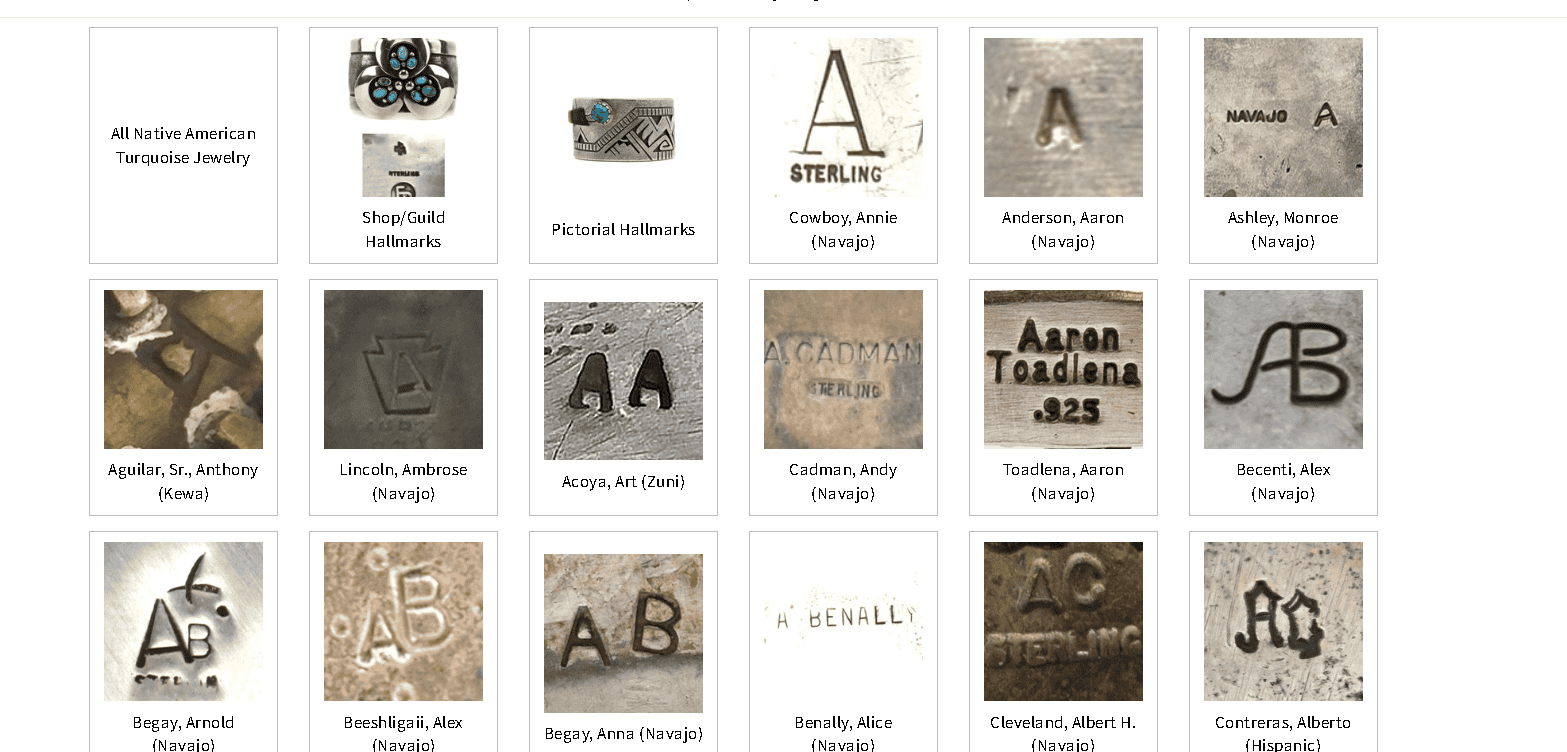
Table of Contents
What are Native American Silver Hallmarks?
Native American silver hallmarks are unique signatures, symbols, or initials stamped into jewelry by Native American artists to identify their work.
These markings appear on the back of items and they range from artists’ names, simple initials, to complex, detailed designs or various sacred object and totem animals.
Beyond artist marks, pieces often contain stamps like “STERLING,” and hallmarks representing the tribe a specific artist came from. A good example is the Hopi Silvercraft Guild sunface mark.
Note: consistent silver hallmarking is a relatively new thing among Native American jewelry artists. Before late 1970’s silver hallmarking either didn’t happen or was inconsistent with different hallmarks coming from same artists and causing confusion across the board.
Then there was also the issue of duplication where artists with similar names used their initials as hallmarks which then caused further confusion.
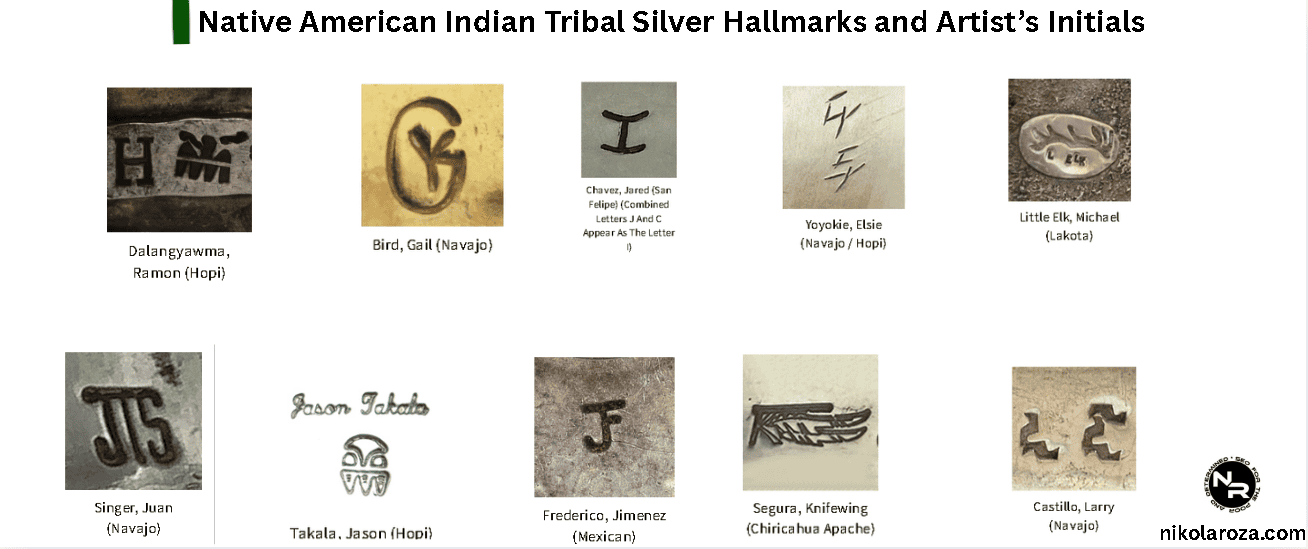
This was partially solved with artists engraving their full names, but the full breakthrough came from the creation of tribe-specific silver hallmarks used to differentiate between the artists and tribal affiliations more easily.
Pro tip: there’re 574 federally recognized American Indian tribes and Alaska Native entities in the United States. This is according to the Bureau of Indian Affairs (.gov) and Congress.gov | Library of Congress.
However, not all of them have tribe-specific silver hallmarks. In fact, most don’t for one reason or another, and those that do are often overshadowed by the signatures (markings) of the individual famous artist/craftsman from that tribe.
The most famous tribal silver hallmarks are Navajo, Hopi and Zuni.
Check this out next when you’re done reading my Native American silver hallmarks guide.
It’s crucial information you must have, especially if you’re a proud American with a keen interest in economy and are curious about investing precious metals.
What are Native American Hallmarks for Sterling Silver?
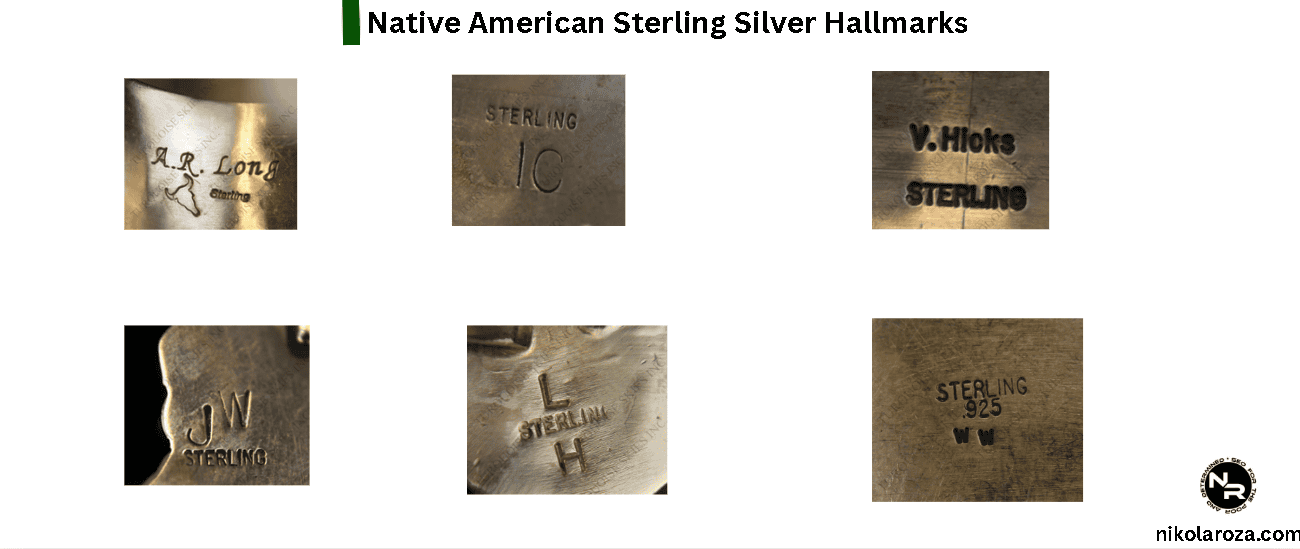
Native American sterling silver hallmarks are artist initials, symbols (like animals, suns, or mountains), or shop stamps, often stamped on the back of sterling silver jewelry.
Common marks include “STERLING,” “SS,” and specific artist names (e.g., Navajo or Zuni).
See some examples below.
Are There Fake Native American Silver Hallmarks and Stamps? How to Identify Them?
Yes, there’re many fake Native American silver hallmarks and stamps on the market, with counterfeiters often mimicking known, legitimate artist signatures to deceive buyers.
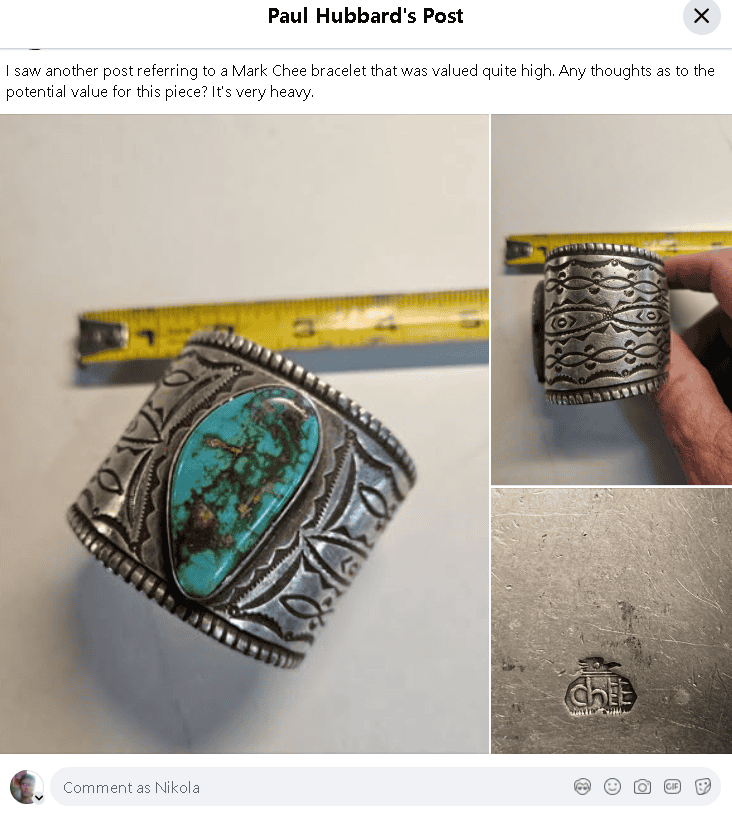
For example, a silver forger might fake a Mark Chee signature because those are very rare and appropriately expensive nowadays.
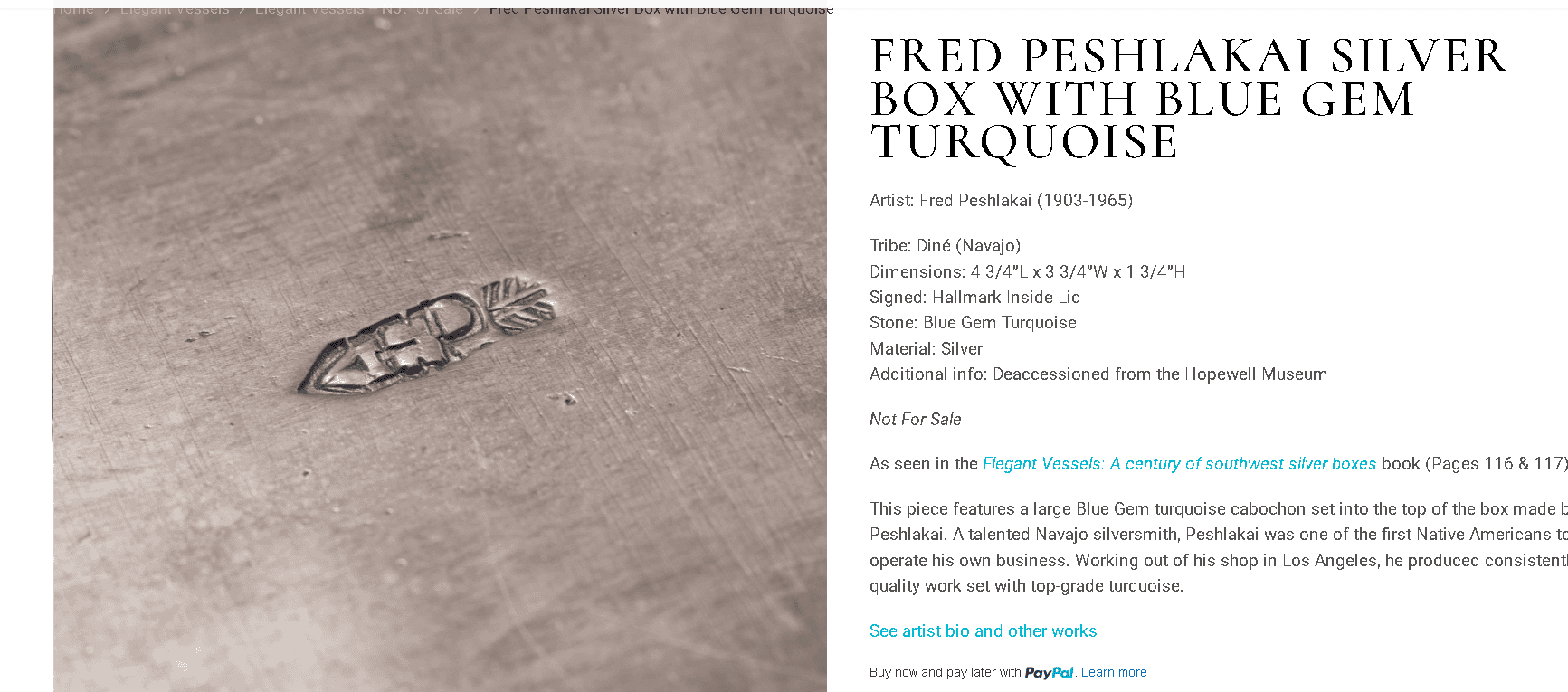
Or they might do the same with Fred Peshlakai and Tommy Singer signatures and dupe unsuspecting people into spending their money for fake silver jewelry from renown artists that in worst case scenario isn’t made of silver at all.
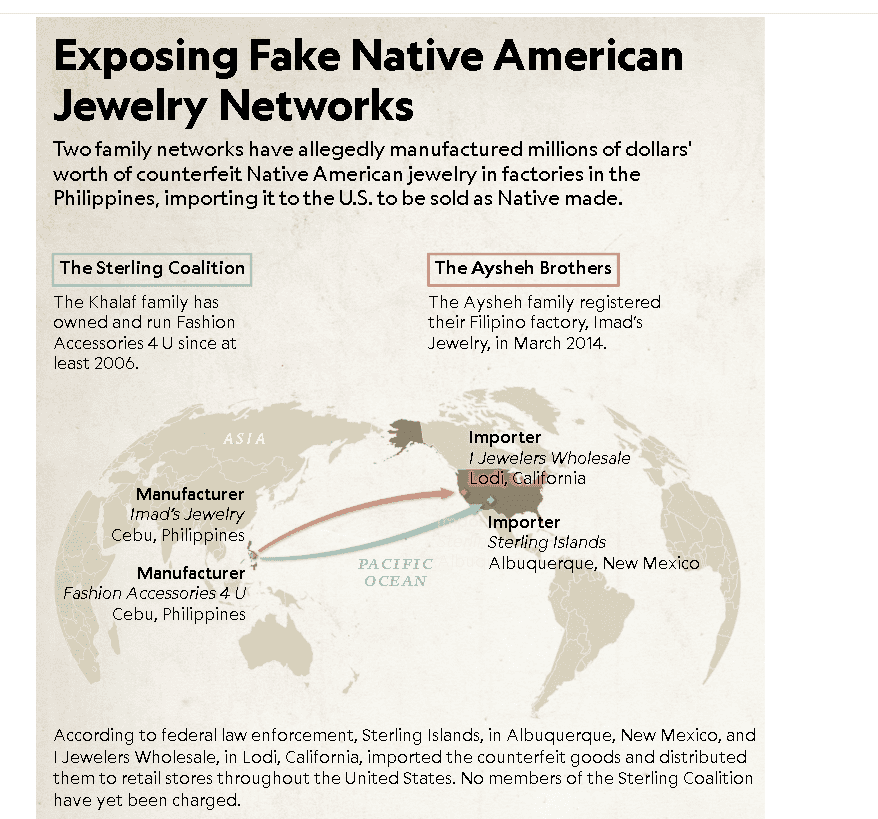
There’s a famous police case from a few years ago when several well known jewelry stores and chains were caught selling fake Native American silver at exuberant prices.
It was a huge scandal back then and a reminder that you can never be too vigilant when it comes to authenticity of the jewelry you wish to own.
Note: you can recognize real silver from fake with a simple magnet test. Your silver is fake if it magnetizes as real silver isn’t magnetic. It’s diamagnetic.

Check this out next when you’re done reading my Native American silver hallmarks guide.
It’s crucial information you must have, especially if you’re a proud American with a keen interest in economy and are curious about investing precious metals.
What’s the Rarest Native American Silver Hallmark?
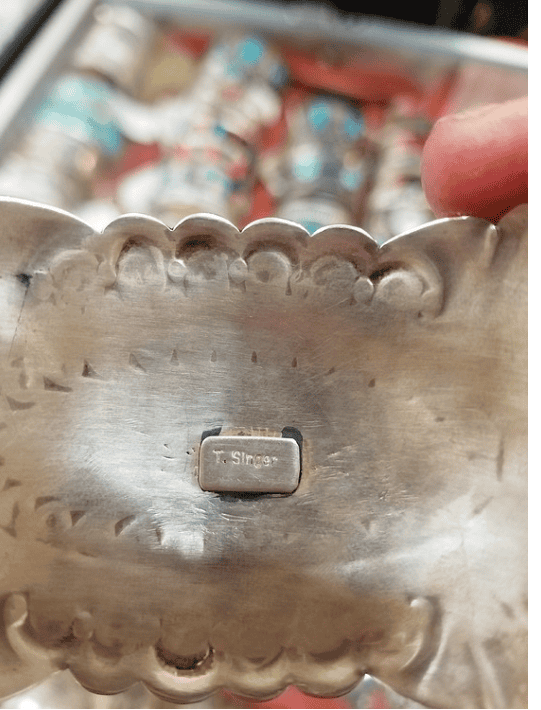
The rarest Native American silver hallmarks are either early 20th-century artisan signatures or specific, rarely used stamps from known masters, such as early Thomas (Tommy) Singer, Mark Chee, or specific Fred Peshlakai marks.
It’s because silver hallmarking among Indian artists wasn’t common until late 1970s so any hallmarked jewelry piece was a curious exception rather than a rule.
Good examples are signatures from an early 20th-century master like Fred Peshlakai (circa 1948) or rarely used, early signatures from Thomas Singer and Mark Chee.
Check this out next when you’re done reading my Native American silver hallmarks guide.
It’s crucial information you must have, especially if you’re a proud American with a keen interest in economy and are curious about investing precious metals.
Native American Silver Hallmarks Guide- Indian Silver Stamps Explained! Conclusion
Native American silver hallmarks are unique stamps, initials, or symbols used by artists to identify their jewelry, becoming standardized mostly after the late 1970s.
These marks range from artist signatures to tribal symbols from groups like the Navajo, Hopi, and Zuni. Due to the high value of authentic pieces, buyers must be careful not to fall for counterfeits and fakes.
References:
- Native American Indian Jewelry Hallmark Identification- https://www.medicinemangallery.com/collections/identify-native-american-indian-jewelry-hallmarks
- Legit Tommy Singer piece?- https://forum.turquoisepeople.com/t/legit-tommy-singer-piece/8741
- Mark Chee rare silver hallmark example –https://www.facebook.com/groups/863602227434639/posts/1821351528326366/
- Fred Peshlakai Silver Box with Blue Gem Turquoise- https://www.fourwindsgallery.com/product/fred-peshlakai-silver-box-with-blue-gem-turquoise/
- Biggest Fake Native American Art Conspiracy Revealed- https://www.nationalgeographic.com/history/article/native-american-indian-art-fake-forgery-hopi-zuni0

Nikola Roza
Nikola Roza is a blogger behind Nikola Roza- SEO for the Poor and Determined. He writes for bloggers who don't have huge marketing budget but still want to succeed. Nikola is passionate about precious metals IRAs and how to invest in gold and silver for a safer financial future. Learn about Nikola here.
