Does Osmium Tarnish? Does it Corrode, Rust and Oxidize?
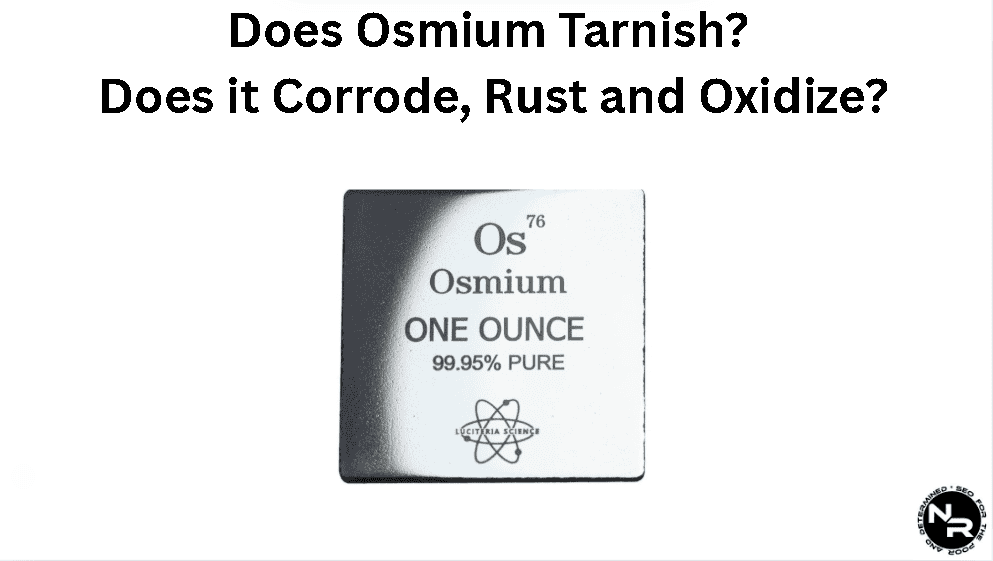
Does Osmium tarnish, corrode and oxidize?

Does osmium tarnish? Does it corrode, rust and oxidize? No, osmium doesn’t tarnish. Osmium is a highly stable precious metal that doesn’t tarnish under any circumstances. Osmium is very corrosion-resistant and immune to most substances you can throw at it. Only substances like chlorine and fluorine corrode osmium with long-enough exposure. Finally, osmium is very … Read more

Is Iridium Magnetic? Can Iridium Be Magnetized Under Certain Circumstances or Not?

Iridium isn’t magnetic. It’s paramagnetic. This means iridium isn’t strongly attracted to magnets but is still slightly influenced by magnetic fields. Iridium is paramagnetic due to the presence of unpaired electrons in its 5d orbitals. These unpaired electrons give rise to a magnetic moment that’s weakly attracted to an external magnetic field, a characteristic of … Read more

What is Black Gold? Is it Real? Is it Magnetic and Hypoallergenic? Does it Tarnish, Corrode and Rust?

Black gold is a real, human-made gold alloy that doesn’t occur naturally. It’s created through electroplating yellow gold with black rhodium or ruthenium, alloying gold with metals like cobalt (75% gold, 25% cobalt), laser treatment and purposeful oxidation processes. Black gold is generally hypoallergenic and non-magnetic, except when alloyed with cobalt, which creates magnetic properties … Read more

Is Gold Magnetic? When and is it Really Possible to Magnetize Different Types of Gold (9K, 10K, 14K, 18K, 24K, White Gold, Rose Gold…)

Is real gold magnetic?

Real gold isn’t magnetic, it’s diamagnetic. This means pure gold has a weak repulsive force to magnets. Pure 24k gold can’t be magnetized because its atoms prevent unpaired electrons from forming, and these atoms are necessary for magnetism. However, gold alloys become magnetic when mixed with ferromagnetic metals like iron, nickel and cobalt. Lower karat … Read more

Palladium Patina: Does Palladium Patinate and is it Reversible?

Palladium jewelry develops patina over time. It’s a natural shift to a matte, slightly darker finish caused by microscopic scratches and skin oil contact during everyday wear. Patina is purely cosmetic and doesn’t damage the metal, though opinions on it vary, some like the vintage look, others don’t. Lower-purity alloys like palladium 500 patinate faster … Read more

Is Ruthenium Magnetic? Can Ruthenium Be Magnetized Under Certain Circumstances or Not?

Ruthenium isn’t magnetic. It’s paramagnetic. This means ruthenium isn’t strongly attracted to a magnet but is still slightly influenced by magnetic fields. Ruthenium is paramagnetic because its electronic structure contains unpaired electrons, specifically in its 4d orbitals, and these unpaired electrons are weakly attracted to external magnetic fields. So, pure ruthenium is paramagnetic, but ruthenium … Read more

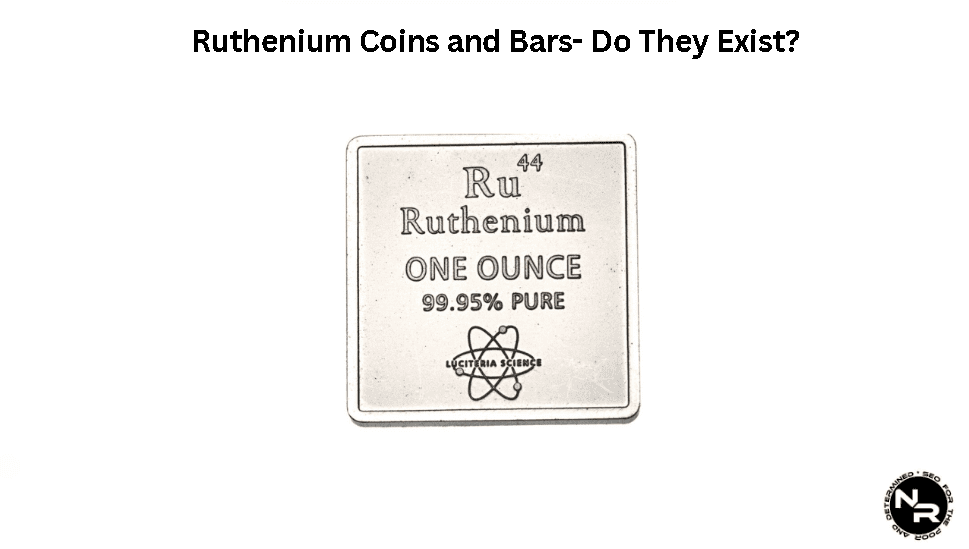
Ruthenium Coins and Bars- Do They Exist? And What is Black Ruthenium?

Ruthenium coins and bars

Ruthenium is a rare platinum-group transition metal (atomic number 44), discovered in 1844 and primarily sourced as a byproduct of platinum mining. Pure ruthenium coins don’t exist, but two pure ruthenium bars are sold commercially: a 1oz and a 1gram version. Black ruthenium coins are different: existing gold or silver coins, including the Mexican Silver … Read more

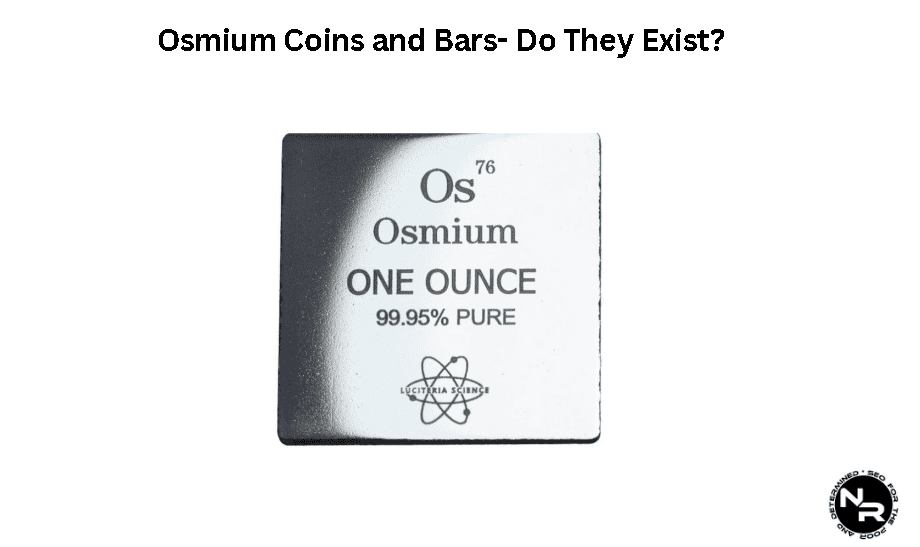
Osmium Coins and Bars- Do They Exist?

Osmium Coins and Bars- Do They Exist?

Osmium is an exceptionally rare, bluish-white metal and the densest naturally occurring element, with a density of 22.59 g/cm³. A small fraction (about 1%) of mined osmium is crafted into bullion for investors while the rest is used in industrial applications like making pen tips and electrical contacts. Osmium coins and bars exist on the … Read more

Platinum Patina: What is it? Is it Reversible and What Does it Look Like?

Platinum patina is the gradual change in appearance platinum jewelry develops from everyday wear, producing a soft, frosted, or satin finish as microscopic surface scratches accumulate. Platinum patination is the same thing as platinum tarnish, though many people new to platinum confuse the two; platinum is highly resistant to corrosion, so what looks like tarnishing … Read more

Sterling Silver Patina- What Does it Mean and What Does Patinated Sterling Silver Look Like?

Sterling silver patina is a controlled darkening of the metal’s surface caused by oxidation, distinct from tarnish, which is an unwanted, uneven discoloration from copper in the alloy reacting with oxygen. Green discoloration that stains skin is tarnish triggered by copper reacting with moisture, sweat, or sulfur. Patina can be added deliberately using liver of … Read more