
Disclosure: Some of the links you’ll encounter are affiliate links. If you click and buy something, I’ll get a commission. If you’re reading a review of some precious metals company, please understand that some of the links are affiliate links that help me pay my bills and write about what I love with no extra cost to you. Thank you!
Today, consumers have many choices for purchasing fitness trackers, home devices, or other products. Whether you’re an entrepreneur, a startup, or a product manager, having a product launch checklist ensures careful planning and the right resources for each phase: pre-launch, launch, and post-launch.
In this article, we’ll discuss product launch checklists in more detail and what happens during each phase, from pre-launch through launch day and beyond.
Table of Contents
Understanding the Product Launch Landscape
Before diving into the checklist, it’s crucial to understand how product launches have evolved. In recent years, these have shifted from isolated events to integrated go-to-market strategy efforts that rely on digital and social media marketing, and performance data.
That said, success is based on various trends. These include:
- Influencer partnerships: Collaborating with influencers allows you to attract new audiences through product reviews (more on this later).
- Data analytics: With social listening tools, you can monitor social media conversations and analyze what consumers say about your brand or product. You can use this information to refine your marketing strategy or improve your product features.
- Automated marketing: You can now implement chatbots and AI-driven customer support systems that improve customer engagement and response times.
Now, let’s review the factors a product launch checklist should have. We also discuss the above trends and how they can help you promote your product for a successful launch.
The 3-Phase Comprehensive Product Launch Checklist
A robust market launch checklist contains three phases: pre-launch, launch, and post-launch. Each phase plays a key role in ensuring long-term success.
1. Pre-launch phase
The pre-launch phase is the foundation of your product launch. Here’s where you conduct market research, establish your messaging, set clear objectives, and prepare your teams for launching day.
Market research and analysis
As part of your market research, consider:
Defining your target market:
The first step is to understand who you’re selling to, what problems they face, and how your solution improves their user experience.
For example, let’s say you’re in the industrial and construction industry and launch a new line of metal garages. One of the first things you should do is research garage costs in the market to ensure your offerings (such as your pricing) make sense.
Analyzing your competitors:
Create a product that stands out from the crowded market. Sure, there may be other companies with banking apps similar to yours. But what can you offer that companies ABC and DEF lack?
For example, you could add an automated invoicing system for freelancers so they don’t have to download a separate finance management app.
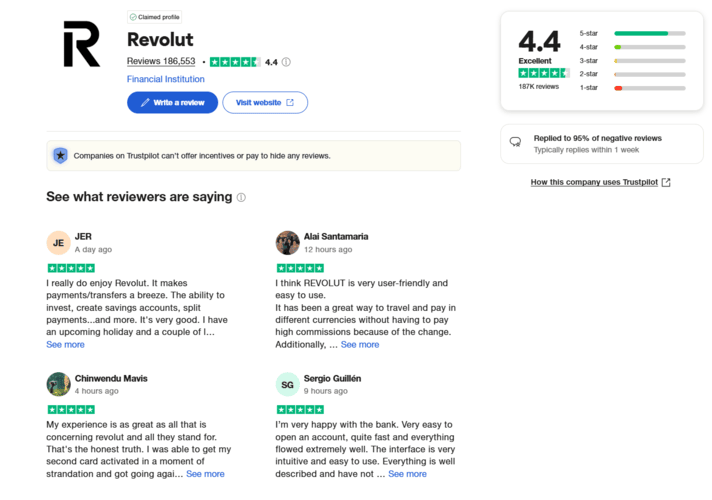
Read your competitors’ reviews. See what customers say on social media and Trustpilot, and whether their pricing plans are within the audience’s budget.
Keeping up with the latest trends:
Read trends related to your niche. Maybe you own a gym and want to know more about fitness tracking apps. Use social listening (we mentioned it earlier) to ensure your marketing tactics and products remain relevant.
For example, if trends indicate that customers are becoming more conscious about sustainability and eco-friendliness, you may highlight how your product uses recycled materials.
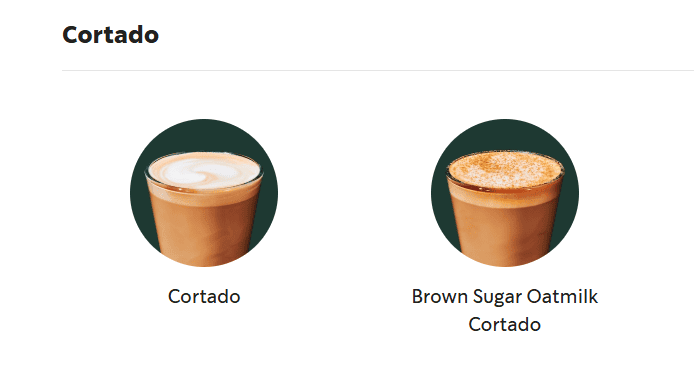
It’s worth mentioning Starbucks as an example. It regularly changes its menu to tailor it to the seasons. The menu also suits consumers with dietary restrictions. As you can see, the company sells cortado with both regular milk and oat milk.
Product positioning and messaging
This section is how you position your product and use your messaging to attract potential customers.
Crafting a compelling value proposition:
State the benefits of your product and how these help solve your customers’ problems better than any other alternative. If you’re selling an eco-friendly water bottle, you might emphasize that it keeps beverages cold for 24 hours but it’s also made from 100% recycled materials.
Developing brand storytelling:
Create a narrative to connect emotionally with your target audience. Explain why your product matters. You could link your product release to an inspiring movement, mission, or value. If you have a fitness app, don’t just list its features.
Share how you got inspired to create this app so that everyone has access to healthy living. You could also mention people’s struggles when opting for traditional fitness programs and how your app can help overcome those challenges.
Tailoring your communication channels:
Where is your target audience the most active? Once you determine this, it’s time to create and tailor content to that specific channel. On Instagram, visuals boost engagement, while on LinkedIn, informational blog posts are preferred.
These strategies apply to any industry. For instance, Henry Meds is a health and wellness company known for its semaglutide diet plan. In the health sector, you also need a well-structured checklist to ensure your product launch moves smoothly from one phase to another, from regulatory compliance and medical approvals to digital marketing strategies.
You should also ensure that you have the necessary licenses and that your content addresses your audience’s concerns (e.g., a “Is compounding semaglutide safe?” blog post). Finally, remember to optimize your site for high-intent searches.

Setting clear goals and key performance indicators (KPIs)
Clear goals and KPIs are also part of your product release success. Let’s talk more below.
Establishing measurable objectives:
What does success look like for your product launch? Set specific, measurable, achievable, relevant, and time-bound goals, known as SMART goals. For example, for a new tech gadget, you might want to secure 1,000 orders within the first month or increase traffic to your site by 50%. These help provide direction and track your progress.
Identifying KPIs:
Define the metrics you’ll be monitoring. For a product launch strategy, these can include:
- Conversion rate: This indicates the number of visitors or marketing campaign leads that convert into sales.
- Cost per acquisition (CPA): This is the cost of gaining a new customer.
- Return on investment (ROI): This is the financial return you calculate compared to the costs incurred.
- Engagement metrics: These show whether your messaging is performing well and can include click-through rates and social media engagement.
- Average order value (AOV): This is the average amount a customer spends on each transaction. To calculate it, you must divide the total revenue by the number of orders. Upselling and cross-selling can help increase AOV.
Developing a launch plan
Now’s time for your launch plan!
Creating a detailed, realistic timeline:
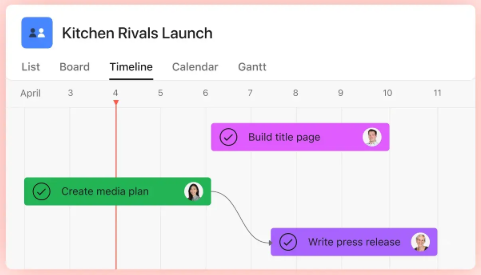
Take time to outline all the tasks, responsibilities, and deadlines for launching your product. This could include a beta testing period and a public release date for a software product. Use project management platforms like ClickUp or Asana to help you track every task and check if all team members follow deadlines.
If you use Asana, this is what a product launch timeline might look like.
Allocating resources:
Your team should know what their responsibilities are and have all the resources needed to reach the desired goals. In startup software development, this clarity is especially important: every team member needs to understand their role to keep projects moving quickly and efficiently. For example, the customer support team should receive training on your product’s features and how to use them. That way, they can provide support when a customer encounters an issue.
Managing product documentation:
Great planning is the backbone of seamless collaboration. Keep track of all documents, such as contracts and marketing materials, to avoid delays and miscommunication. Knowing how to type on a PDF can save you time if you or your team need to make edits. You don’t have to print or scan papers — you can easily fill out forms and add notes using online tools.
As you can see, the pre-launch phase lays a solid groundwork for your product. Investing your time in research, clear messaging, and a well-planned process reduces the risk of overlooking key details on launch day.
2. Launch phase
The launch phase is all about execution. It’s where you bring your strategic plans to life and introduce your product to the market.
Marketing and promotion strategies
To market and promote your product, you can focus on:
Multi-channel campaigns:
Implement coordinated marketing campaigns across various platforms. This allows your message to reach your audience no matter where they are.
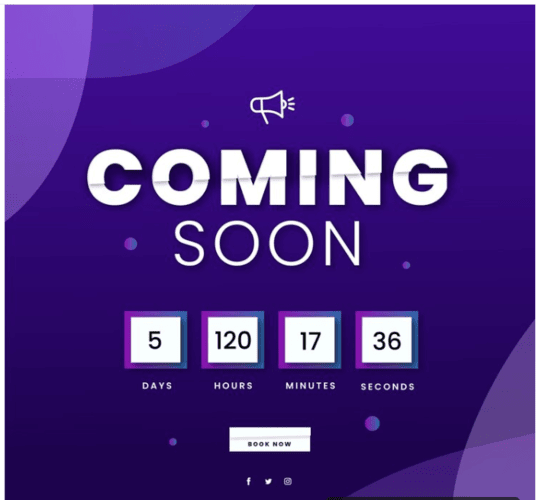
For example, on social media channels like Facebook and Instagram, you can share live videos, stories, and engaging posts. Consider posting a countdown post that leads up to your product release so that people can watch the live demo on social media.
SEO-friendly blog posts can be helpful, too. Write articles or create video content that describes your product’s features. Also, adding target keywords helps drive organic traffic to your website.
Influencer collaboration:
Find influencers within your niche. Suppose you’re selling your silver jewelry. In that case, a fashion influencer can post a product review or a styling video featuring your product on Instagram and include a link to your store. This makes it more likely for their followers to visit your website.
In fact, according to Statista, influencer marketing remains a top strategy for advertising products and targeting the right audience. Combining this with creative email marketing campaign ideas can further amplify your reach.
Live events:
Host a virtual or physical launch event so potential customers can experience your product first-hand. In the meantime, you could stream this event on Facebook or YouTube and answer any questions consumers might have.
Public relations (PR) and media outreach
In addition to your digital marketing efforts, a PR strategy can help you reach audiences beyond your existing channels. Let’s discuss the methods you can use.
PR releases and media kits:
Develop comprehensive PR and media kits to describe your product’s unique features. The media kit may include high-quality images, background information, and specifications. This can be a great way for journalists to understand what makes your product different.
Journalists collaboration:
Reach out to industry journalists and bloggers to pitch your story. For example, if you’re launching a fitness app, contact health editors at major publications to offer an in-depth review. It can take a lot of time to until you hear back, so make sure to personalize your email.
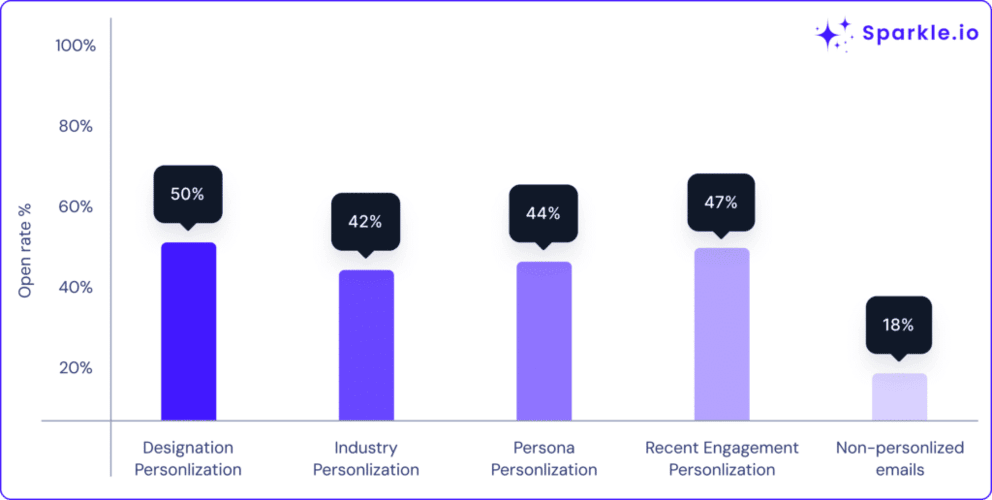
This means that your message should focus on how your product will benefit your recipient and/or audience. Sparkle.io says that adding a touch of personalization can boost your open rates by up to 45%.
Crisis management plan:
Everything comes with risks, even a well-planned launch. Preparing a crisis management plan allows you to list the protocols that address any unexpected issues that may arise. In case of technical glitches, a crisis management strategy can help solve issues before they escalate and mitigate damage to your brand reputation.
Sales and distribution readiness
Preparing your sales channels and distribution networks is critical to converting interest into actual sales once your product is launched. This phase also ensures that your company can handle increased demand while delivering a positive customer experience in every aspect of the sales process.
Optimize your sales channels:
Test your e-commerce platforms and sales funnels, and make sure that they can handle increased traffic. Integrate A/B testing and refine your content marketing strategy if there are any areas you need to improve.
Also, to prevent downtime, check that your website doesn’t have any slow-loading blog or landing pages. Optimize the checkout process and check that payment gateways are secure.
Train your sales teams:
You’re not doing this alone. Your sales teams should be prepared and know every detail of your product so that they can represent it to your target market. ]But not all training is created equal; understanding when to use live vs. asynchronous training can help you balance real-time role-playing with on-demand product manuals for maximum impact.
Optimize inventory and logistics:
Confirm that your supply chain can manage anticipated demand without delays. Coordinate with suppliers, verify stock levels, and ensure that logistics partners can handle increased shipments. If you’re launching an electronics device, work closely with the fulfillment and warehousing facilities to schedule regular inventory checks and optimize shipping routes.
Engagement and community building
In the launch phase, you must engage with your audience to show that you’re genuinely interested in their thoughts. This also leads to long-term success, helps you fine-tune your marketing tactics, and introduces new features based on feedback.
Here’s what to do to boost engagement and create a sense of community.
Engage actively on social media:
Reply to messages you receive via live chat. Set up dedicated hashtags for your product release, so you don’t wait long to respond to users’ comments and questions.
Collect and leverage feedback:
For long-term success, analyze what people are saying about your product. This could be on social channels or discussion forums like Reddit. This way, if there are any concerns, you can immediately provide a solution so your customers won’t look for alternatives.
Foster a community:
Create an online group or customer forum where loyal customers can share their experiences, provide tips, and celebrate milestones. Also, consider hosting giveaways or contests to reward those who leave honest reviews.
3. Post-launch phase
The work doesn’t stop once your product is out in the market. The post-launch phase is also important for continuous improvement.
Tracking and measuring success
This is where you track KPIs and analyze customer feedback.
Monitor KPIs
Analytics tools like Google Analytics help you track different metrics, including page views, conversion rates, and web traffic. Compare these against your pre-launch plan to see if your goals are being met.
Customer feedback:
Gather feedback from review sites like Trustpilot and monitor social media conversations (there are social listening tools for this, and we’ve mentioned them already) to understand if your audience is still satisfied with your product. Then, check whether there are any issues you still need to address.
Ongoing optimization
Optimization is ongoing, even after your product is launched. It ensures that your product is adapted to the changing market conditions and that as a company, you can enhance its features to improve customer satisfaction.
Iterative improvements:
For a successful product launch, you have to refine your marketing tactics and product features over time. Review performance data and user feedback, then make changes to enhance your conversion rates and user experience. If you’ve just launched a fitness tracker, you might introduce tool integration in the next product update.
Agile response:
There may be issues during and after your product’s launch. Your team must be able to implement rapid fixes, maintain customer satisfaction, and prevent minor issues from escalating. If a sudden bug affects orders, make sure to update your website and offer a temporary workaround until you’ve fixed it permanently.
Building long-term engagement
The following strategies help you maintain a long-term relationship with your customers and ensure your product is still relevant to their needs.
Develop retention tactics:
These include loyalty programs and customer engagement initiatives. For instance, loyalty programs can be beneficial if you have a subscription purchase, and consumers earn points with every purchase they make.
Conclusion
A successful product launch in 2026 requires careful planning, strategic execution, and continuous refinement. It helps ensure that you’re using the right promotional and material techniques and that your team knows the ins and outs of your product so that your customers are satisfied with your service.
Remember, the ultimate goal isn’t only to sell but to connect and build long-term relationships with your audience and deliver a strong product experience.
Looking for more tips to reach new audiences for your online store? Visit Nikola Roza’s blog for more information.
Author Bio:

Kristina Iavarone
Kristina is a content writer and editor at uSERP, with a passion for building long-lasting relationships with B2B and B2C clients through content and SEO efforts. Her work has appeared in Medical News Today, Healthline, and GetYourGuide, and when she’s not working, she’s either at a café or exploring new places with her husband.
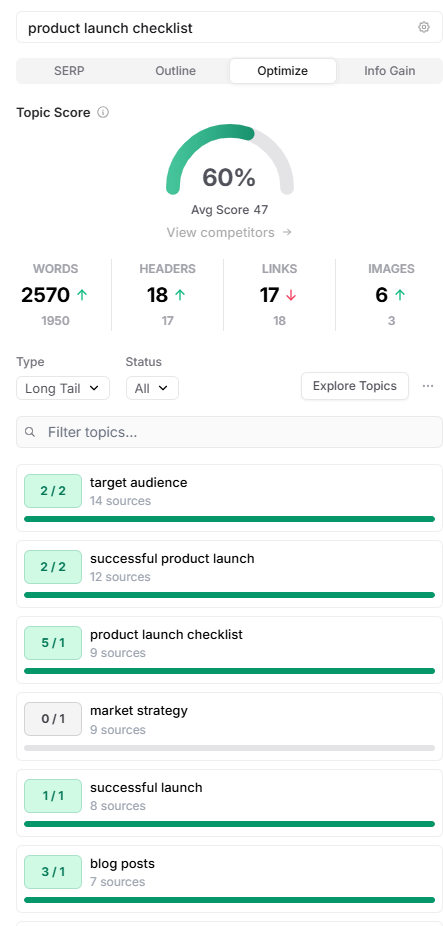
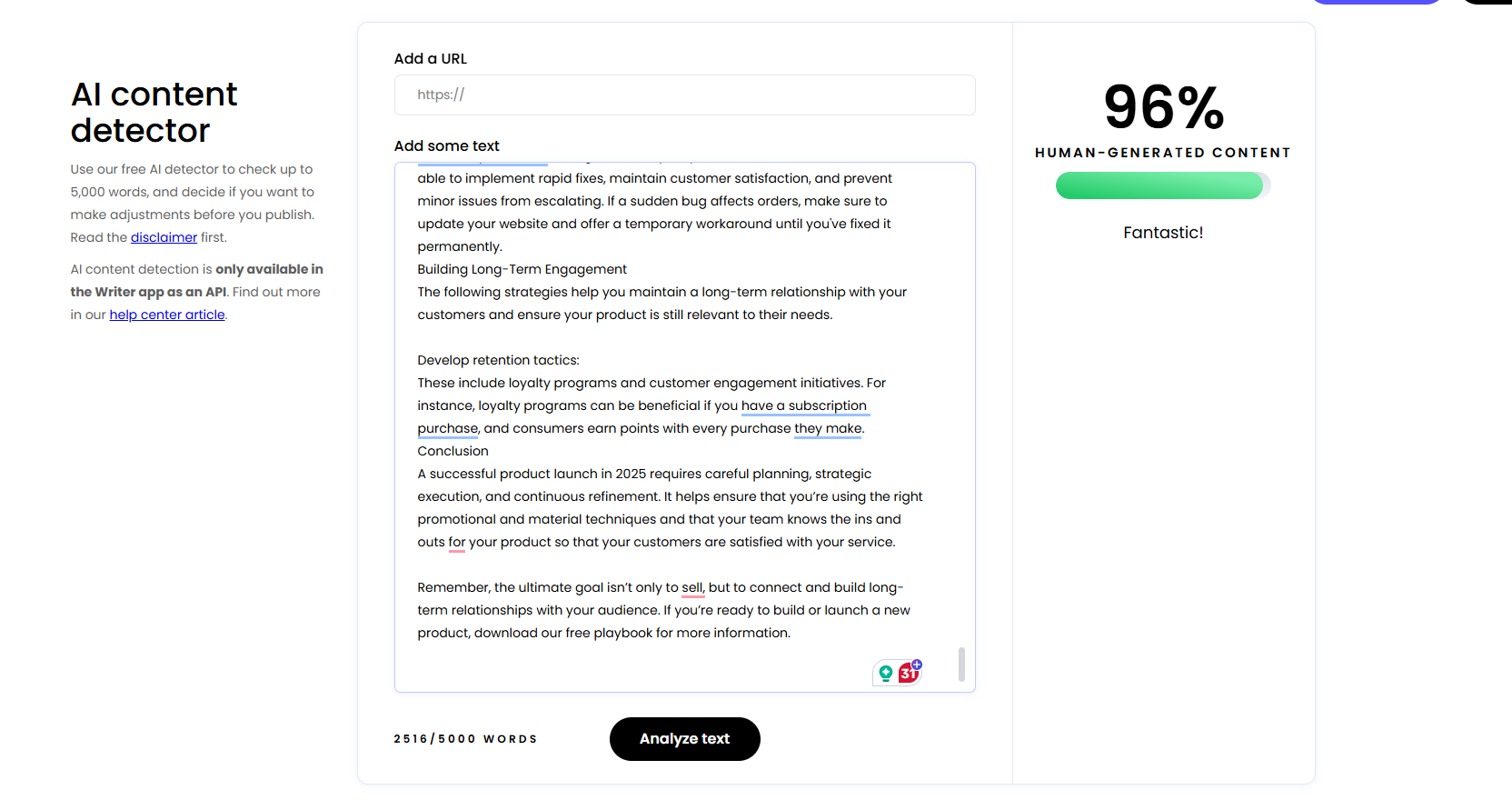
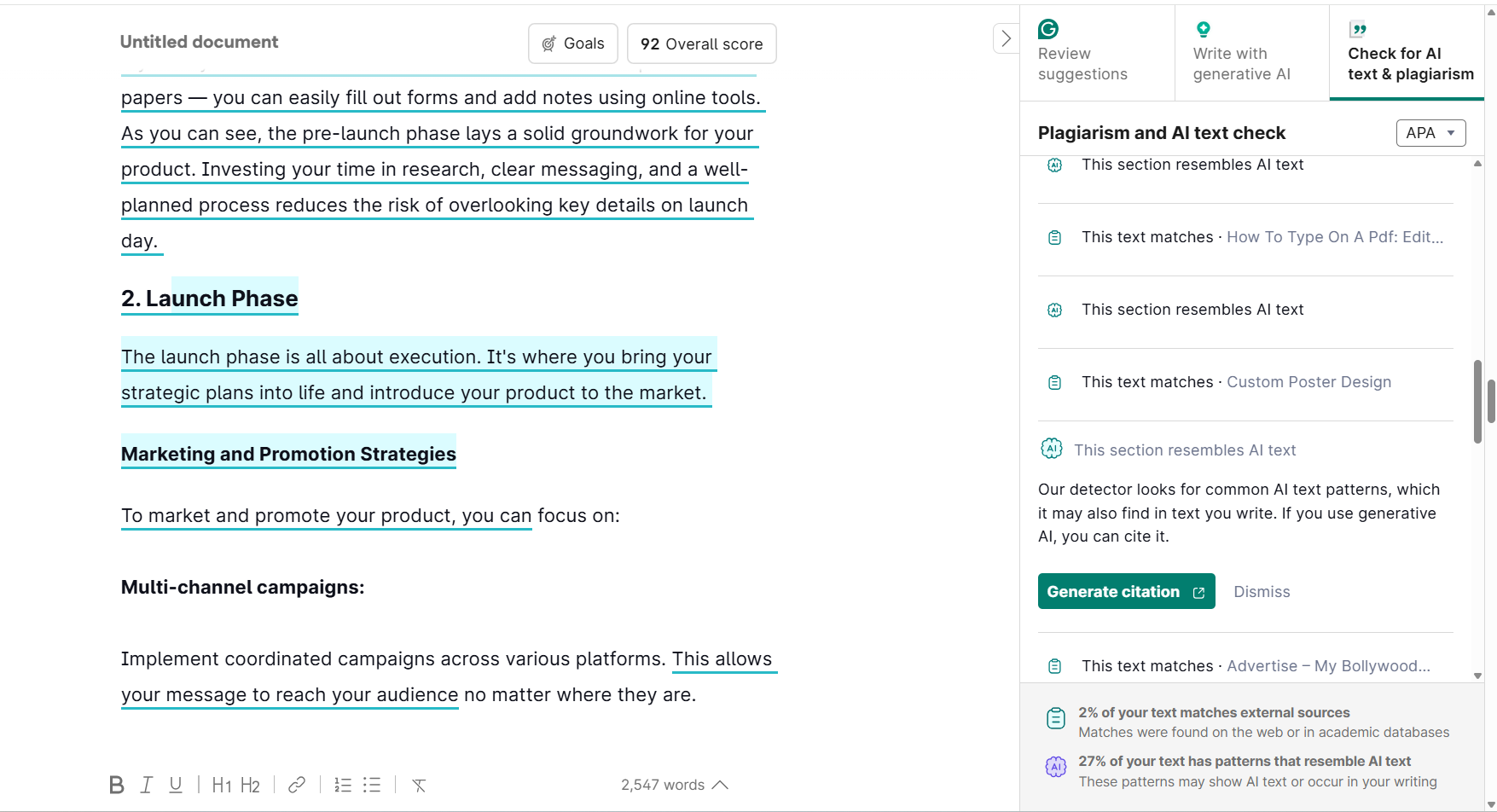
Grammarly, Frase, Writer AI Screenshots

Nikola Roza
Nikola Roza is a blogger behind Nikola Roza- SEO for the Poor and Determined. He writes for bloggers who don't have huge marketing budget but still want to succeed. Nikola is passionate about precious metals IRAs and how to invest in gold and silver for a safer financial future. Learn about Nikola here.