Disclosure: Some of the links you’ll encounter are unique links. Click and buy something and I’ll earn some money, at zero expense to you. Thank you!
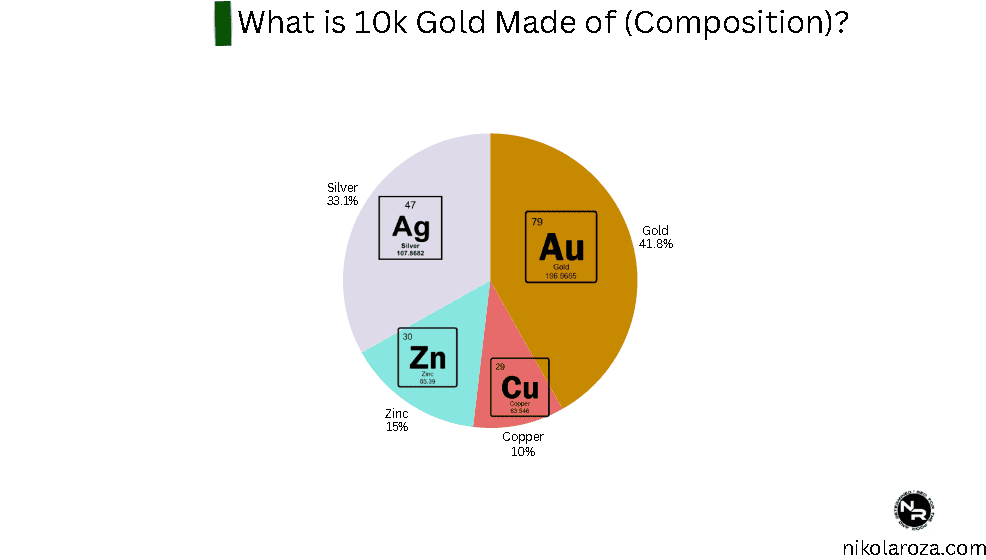
10k gold is an alloy made up of 41.7% pure gold combined with 58.3% other metals such as silver, copper, and zinc. This blend makes it more durable, scratch-resistant, and budget-friendly than higher-karat gold, though it has a paler color and a greater chance of triggering metal allergies, particularly from nickel and copper content.
10k gold alloy isn’t magnetic unless combined with iron, nickel, or cobalt, so a magnet test alone can’t confirm authenticity. It also isn’t hypoallergenic and tarnishes and corrodes when exposed to substances like bleach, chlorine, vinegar, lemon juice, and saltwater.
There’s no 10k gold bullion, since investment-grade bars and coins require 24k purity, but 10k gold is widely used in everyday jewelry like earrings and chains. It’s typically stamped “10K,” “10kt,” or “417” (its millesimal fineness).
Its value is calculated using current gold prices, item weight, and the 0.417 purity factor.
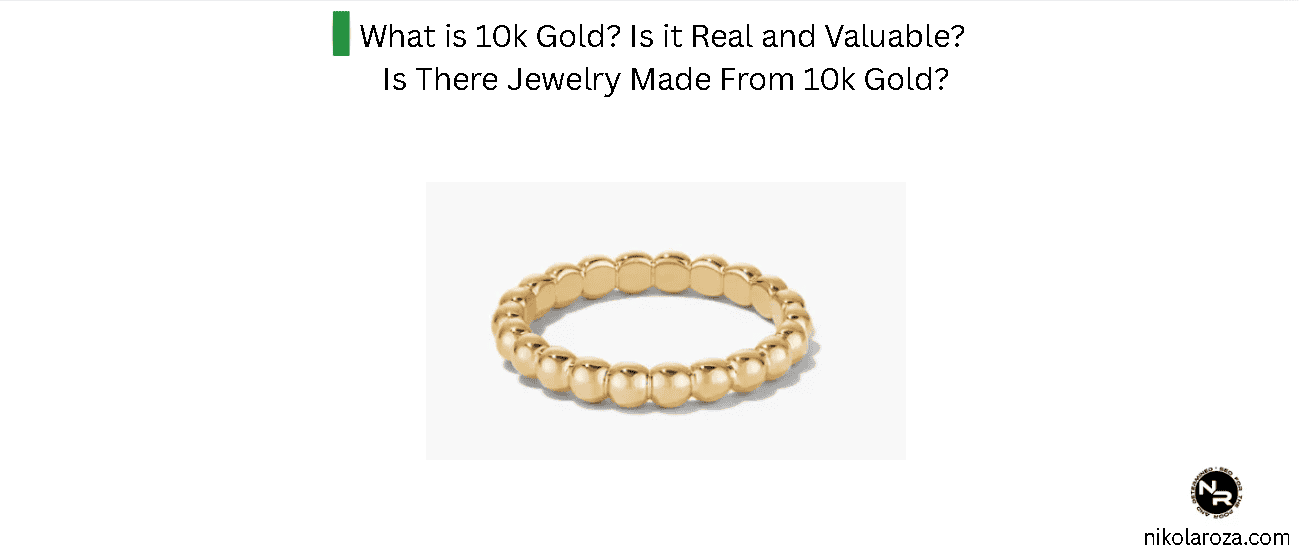
What is 10k Gold (Definition and Meaning)?
10k gold is a gold alloy consisting of 41.7% pure gold and 58.3% other metals like silver, copper, and zinc. This composition makes 10k gold significantly more durable, scratch-resistant, and affordable than higher-karat golds. But it also results in a paler, less lustrous color and a higher risk of metal allergies due to the greater proportion of non-gold metals.
10k gold is popular among jewelry lovers who’re budget-conscious buyers looking for affordable and durable pieces of gold jewelry.
Check this out next once you’re done reading my 10k gold alloy guide. Especially important if you’re an American citizen with a keen interest in precious metals and investing.
Is 10k Gold Magnetic or Not?
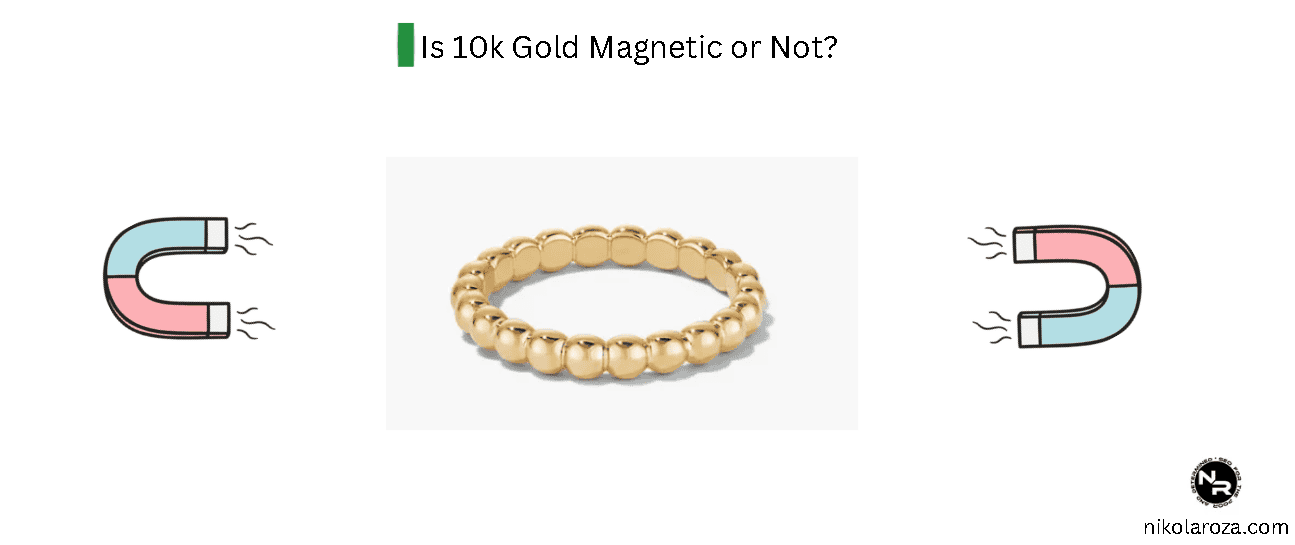
No, 10k gold isn’t magnetic, it’s diamagnetic when gold is alloyed with other non-magnetic materials like authentic silver, palladium and rhodium.
10k gold becomes magnetic when gold is mixed with ferro-magnetic metals like iron, nickel and cobalt.
This means the gold magnet test can’t reliably tell you whether your 10k gold jewelry is real or fake. You’ll have to first learn exactly which metals your 10k gold jewelry is made of.
Is 10k Gold Hypoallergenic?
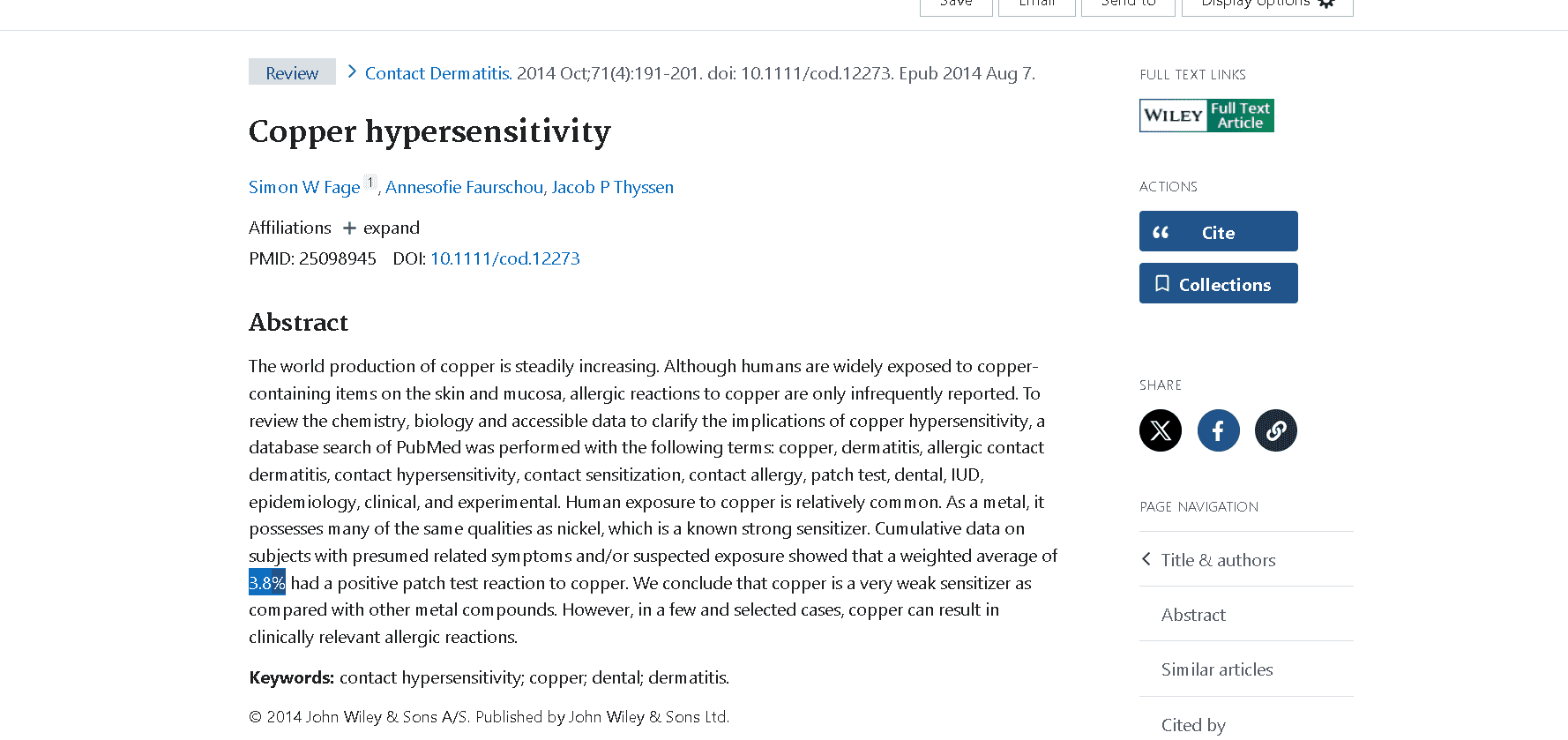
No, 10k gold isn’t hypoallergenic, it’s allergenic. 10k gold is allergenic because it contains a high percentage of other metals in its alloy. Metals like copper, nickel and silver cause allergic reactions and skin irritation in sensitive individuals.
10k gold in rare occasions is alloyed with other hypoallergenic metals like platinum, palladium and rhodium. 10k gold is hypoallergenic in that case and safe for people with metal allergies.

Check this out next once you’re done reading my 10k gold alloy guide. Especially important if you’re an American citizen with a keen interest in precious metals and investing.
Does 10k Gold Tarnish and Fade?
Yes, 10k gold tarnishes and fades over time.
10k gold is a low-karat gold alloy with a high percentage of other metals, some of which very susceptible to tarnishing. Good example are zinc, nickel and copper, all metals found within the 10k gold alloy.
Below are all the tarnishing-causing substances and their dangerous effect on 10kt gold jewelry items.
- Toothpaste. Toothpaste tarnishes and corrodes 10k gold. The abrasive particles scratch and react with the base metals in the 10k gold alloy and this dulls the surface’s finish over time.
- Vinegar. Vinegar tarnishes and corrodes 10k gold with its acids attacking the proportion of non-gold metals in the alloy. Undiluted vinegar is particularly damaging, accelerating surface degradation.
- Makeup. Makeup tarnishes 10k gold. The chemicals in cosmetics react with the base metal content and cause surface discoloration. Makeup doesn’t corrode or structurally degrade 10k gold jewelry under brief exposure.
- Bleach. Bleach tarnishes and corrodes 10k gold. It attacks the reactive metals within the 10k alloy, degrading both color and structural integrity. 10k gold has a higher gold content than lower karats, but its substantial base metal proportion makes it noticeably vulnerable to bleach compare to higher-karat golds.
- Chlorine. Chlorine tarnishes and corrodes 10k gold. Chlorine reacts with the base metal content in the alloy, causing discoloration and structural weakening. Don’t shower or swim in public pools while wearing 10k gold jewelry.
- Hydrogen peroxide. Hydrogen peroxide tarnishes and corrodes 10k gold. It degrades the oxide layer protecting the base metal components, leading to discoloration and weakening of the alloy over time.
- Alcohol. Alcohol tarnishes 10k gold and corrodes it with repeated, long-term exposure. It reacts with both the gold content and the base metals, gradually dulling the surface finish.
- Lemon juice. Lemon juice tarnishes 10k gold. Its acids chemically react with the base metals in the alloy, dissolving the protective surface layer and causing discoloration.
- Water. 10k gold is moderately vulnerable to water due to its base metal content. Prolonged contact leads to tarnishing and loss of luster. Saltwater is especially harmful to 10k gold as chloride ions attack the reactive base metals and cause pitting and surface corrosion.
- Fire. Fire doesn’t tarnish or corrode 10k gold under normal conditions. But, the proportion of base metals in 10k gold makes it more susceptible to heat damage and discoloration at lower temperatures compared to higher-karat alloys such as 14k or 18k.
- Nitric acid. Nitric acid tarnishes and corrodes 10k gold. It’s highly corrosive, and 10k gold’s relatively low gold content means it degrades quickly upon exposure.
Check this out next once you’re done reading my 10k gold alloy guide. Especially important if you’re an American citizen with a keen interest in precious metals and investing.
Is There Bullion Made From 10k Gold?
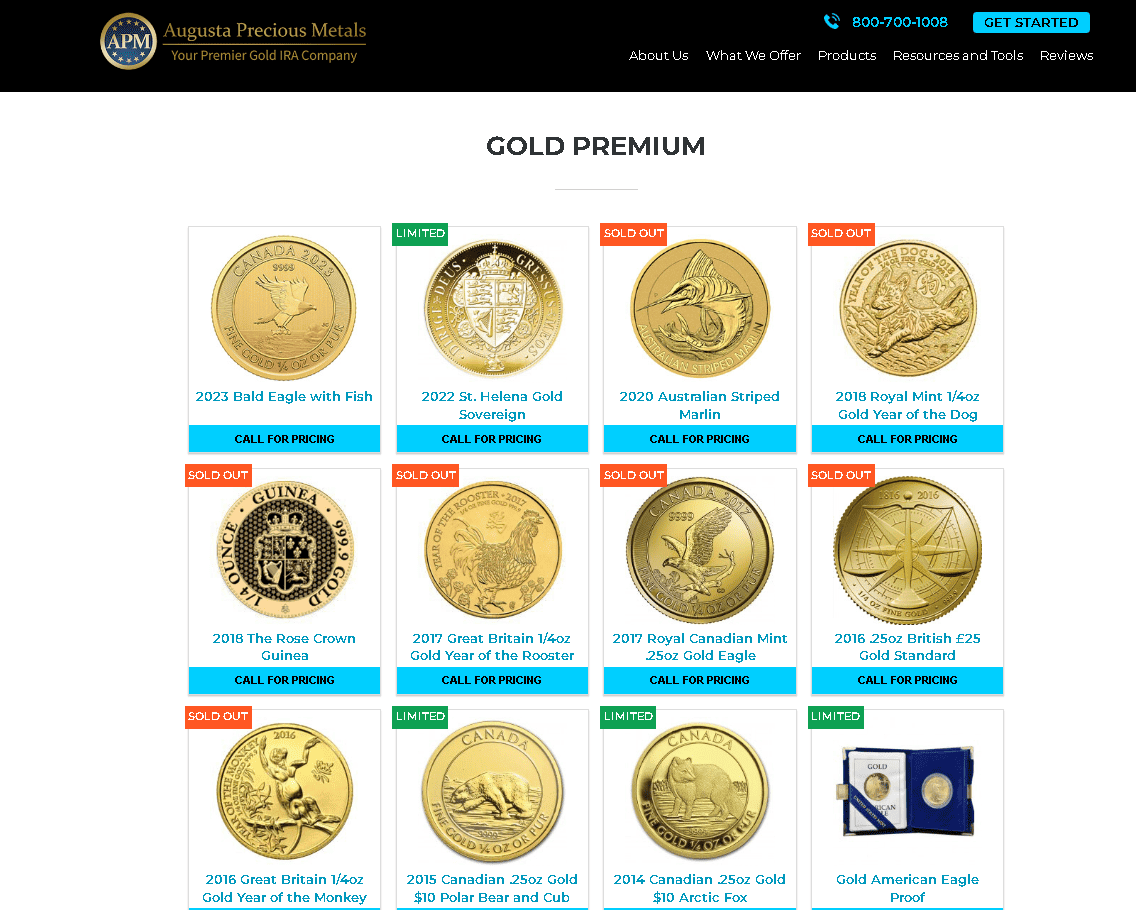
No, there’s no bullion made from 10k gold. Investment-grade gold bullion is exclusively made from 24k gold and it’s these pure-gold coins and bars you can include as part of your gold IRA account.
Gold bullion that’s eligible to be included in a gold IRA account is called IRA-approved gold. You can buy IRA-eligible gold over at Augusta Precious Metals, the best gold investment company in the US.
Is There Jewelry Made From 10k Gold?
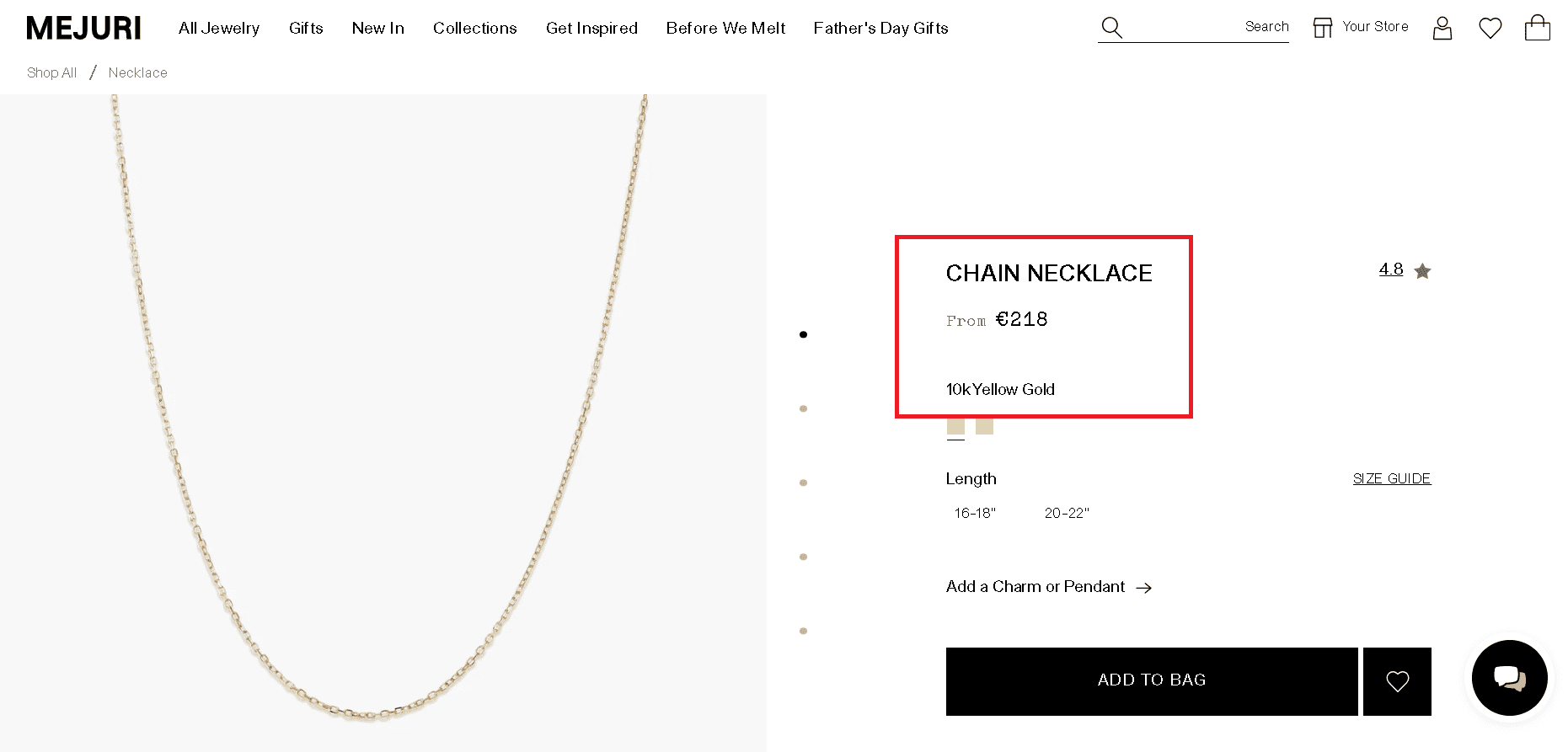
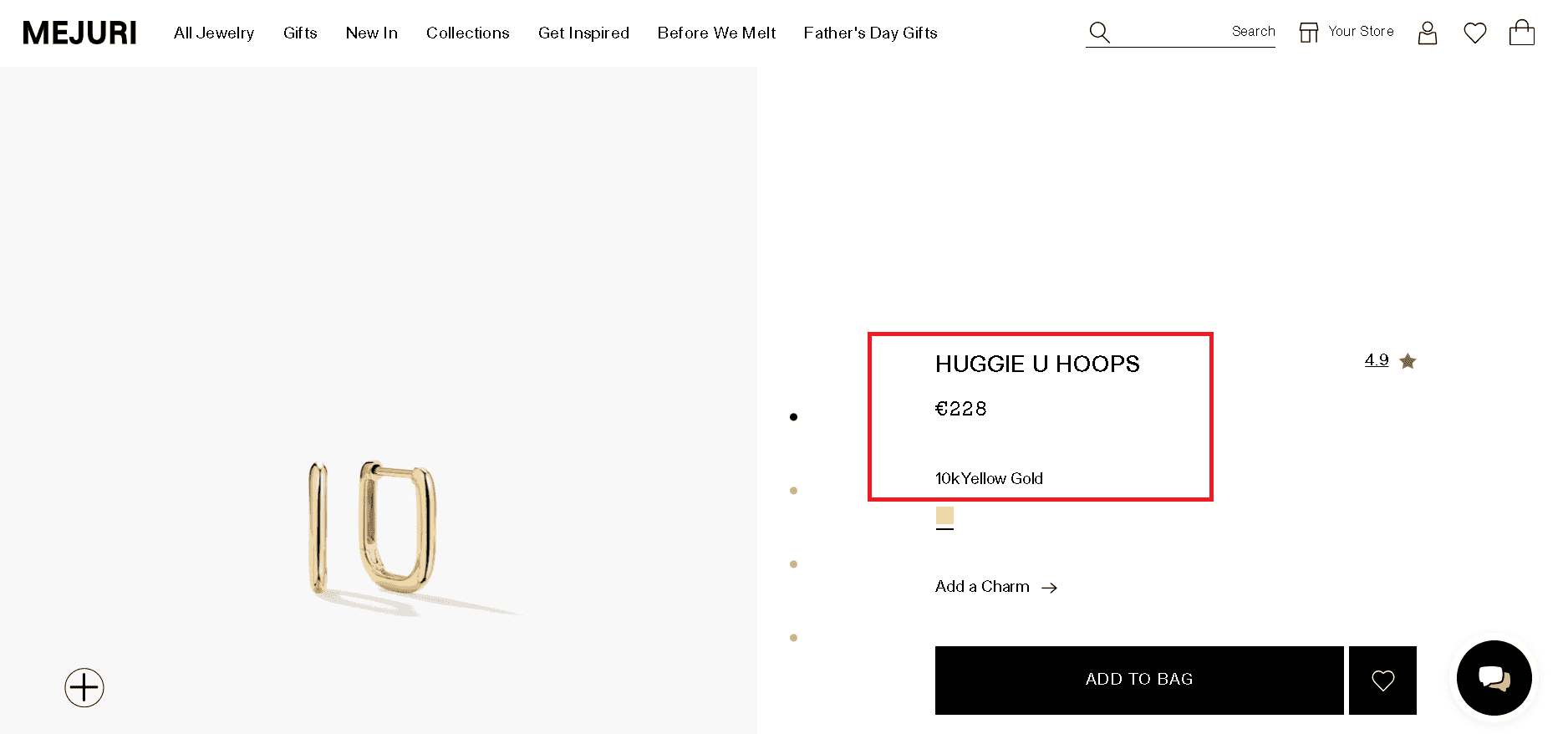
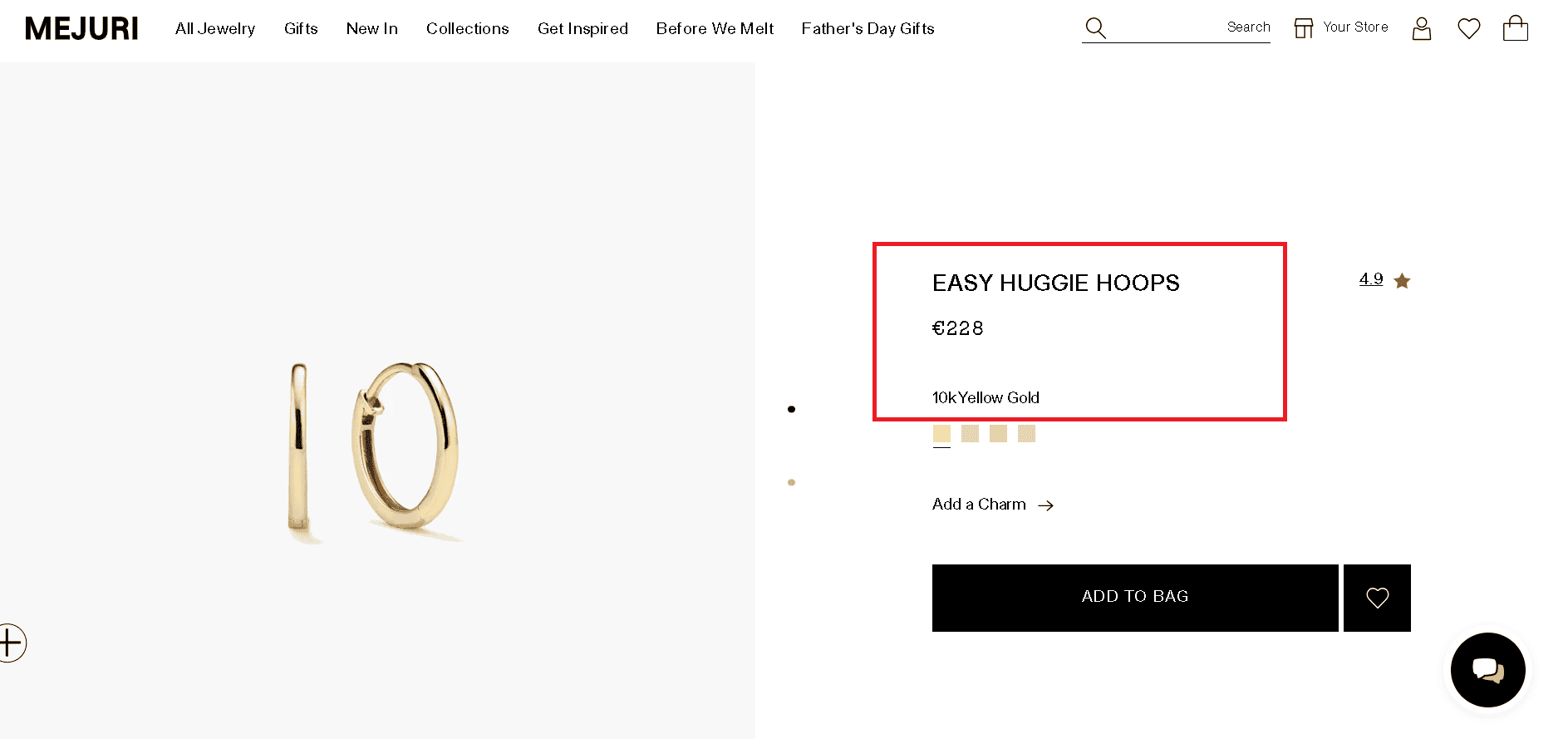
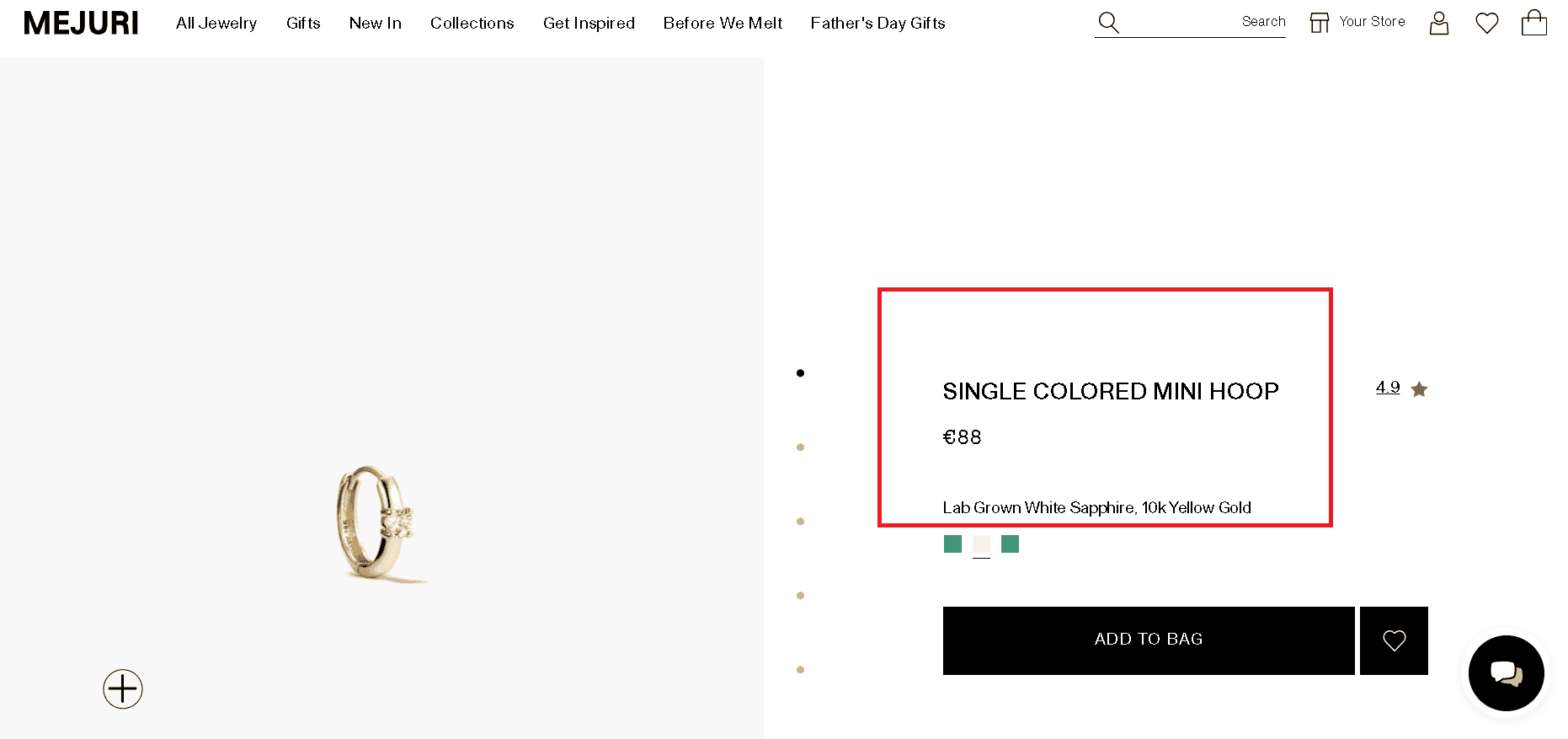
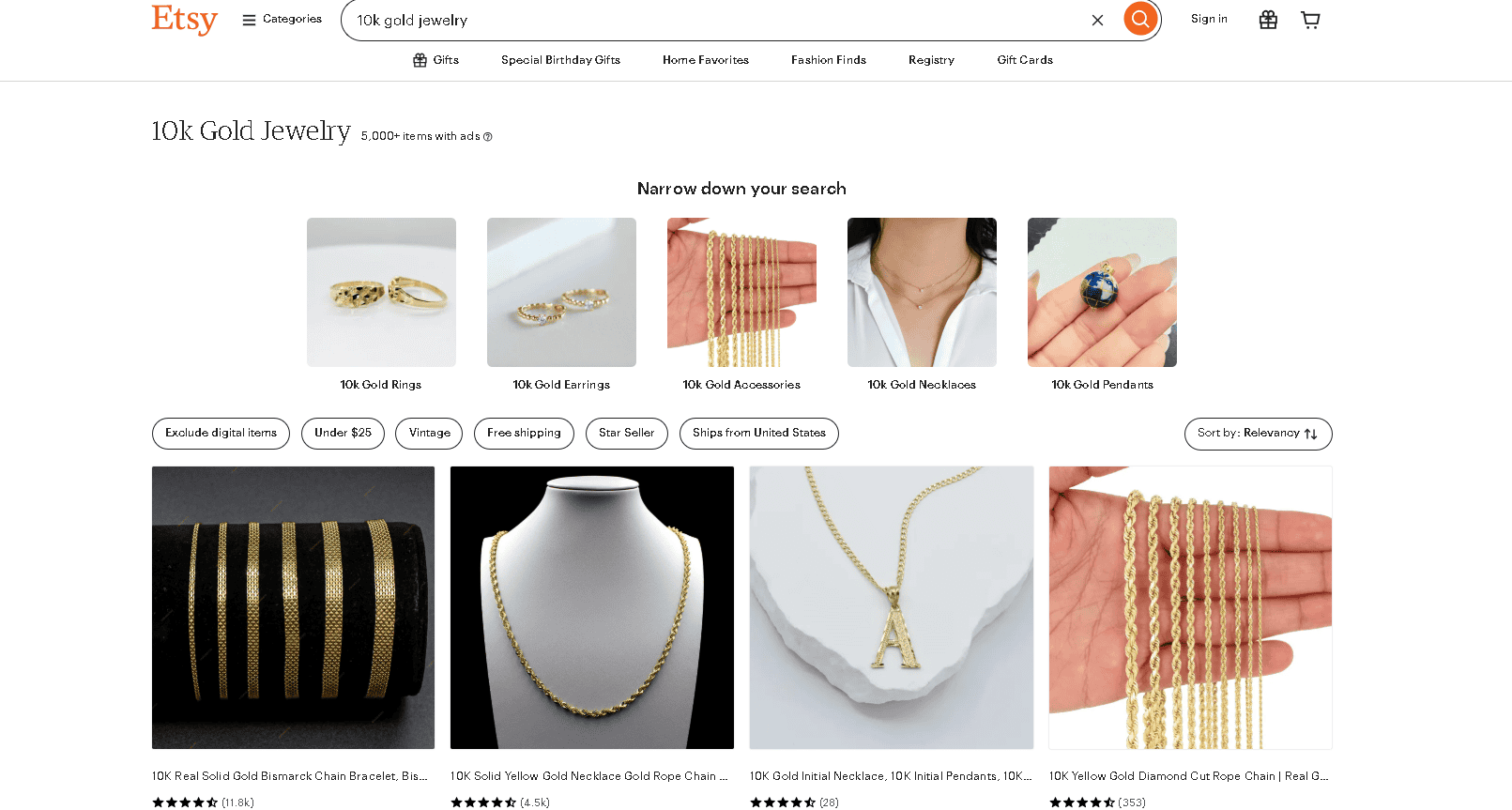
Yes, there’s jewelry made from 10k gold. It’s less pure than higher carats, but still considered real gold. Due to its strength and lower cost 10kt gold is a popular choice for everyday jewelry, such as earrings, bracelets, and chains.
10k gold jewelry has a more muted, paler tone compared to higher karats gold but to an unsuspecting eyes it looks like premium quality gold jewelry.
Below are some examples of 10k gold jewelry I found.

Check this out next once you’re done reading my 10k gold alloy guide. Especially important if you’re an American citizen with a keen interest in precious metals and investing.
What is the Hallmark for 10k Gold?
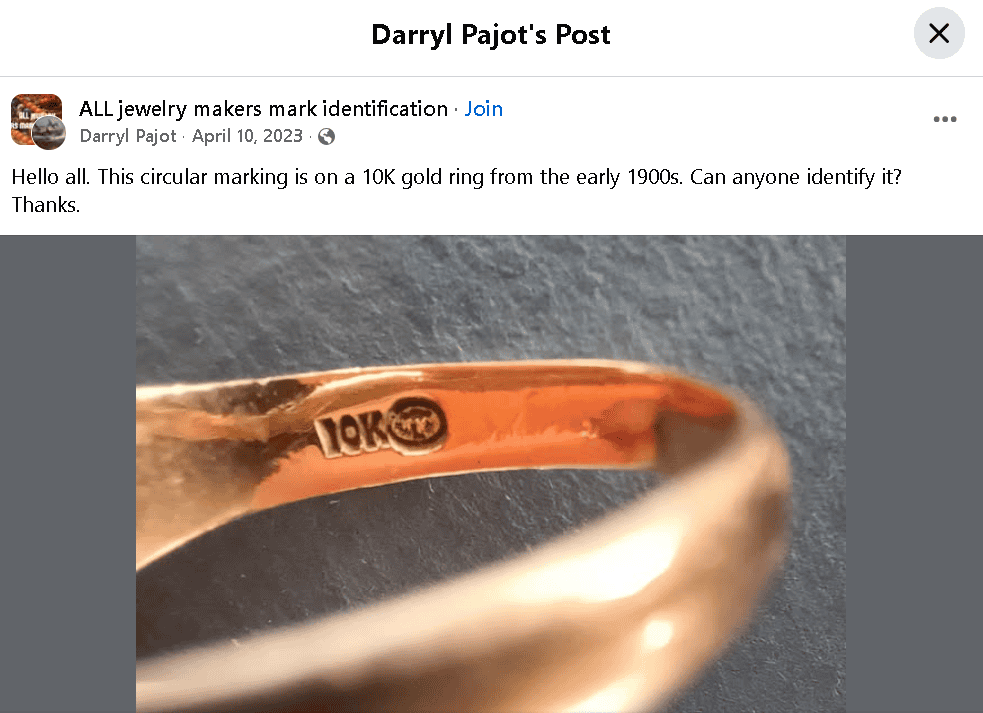
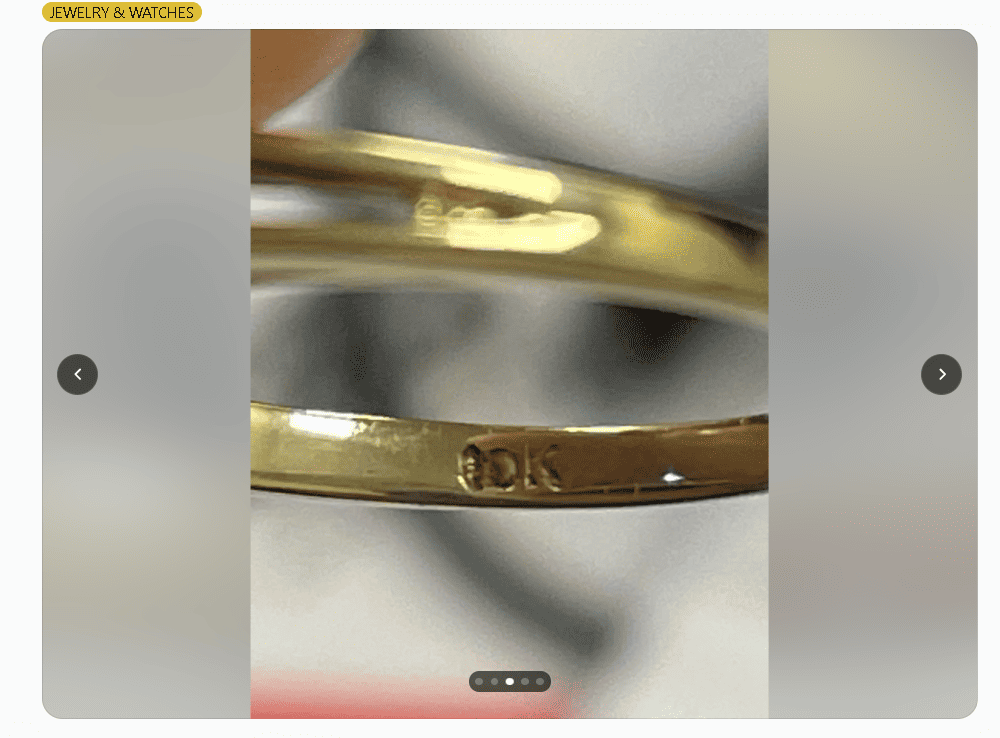
The hallmark for 10k gold is “10K” or “10kt”. The “417” stamp corresponds to 10-karat gold because 10 parts out of 24 are pure gold, while the remaining percentage consists of alloy metals such as silver, copper, zinc, or nickel.
The US doesn’t require manufacturers to hallmark jewelry, but a piece must be accompanied by the manufacturer’s registered trademark if it’s stamped with a purity hallmark.
In Europe, 10-karat gold is typically hallmarked with the number 417. This millesimal fineness stamp indicates that the item is composed of 41.7% pure gold, with the remainder being made up of other alloy metals for durability.
Below are some examples of 10k gold hallmarks.

What is 10k Gold’s Melt Value? Is it Worth Anything and What is its Worth Per Gram?
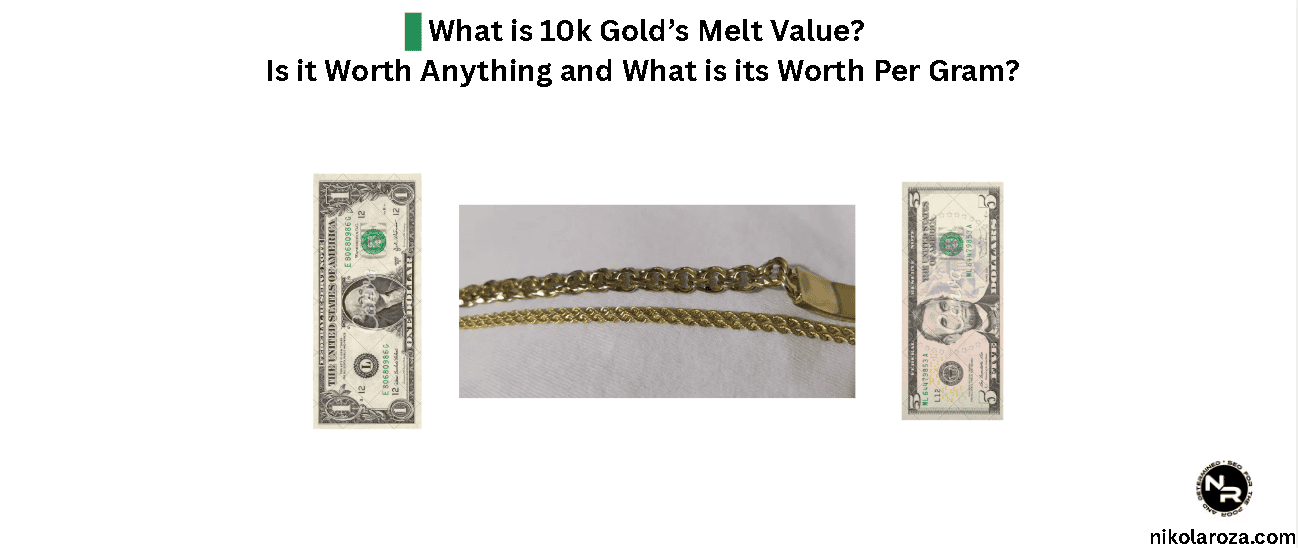
The worth of 10k gold depends on the current gold market price which fluctuates from moment to moment based on supply and demand interplay.
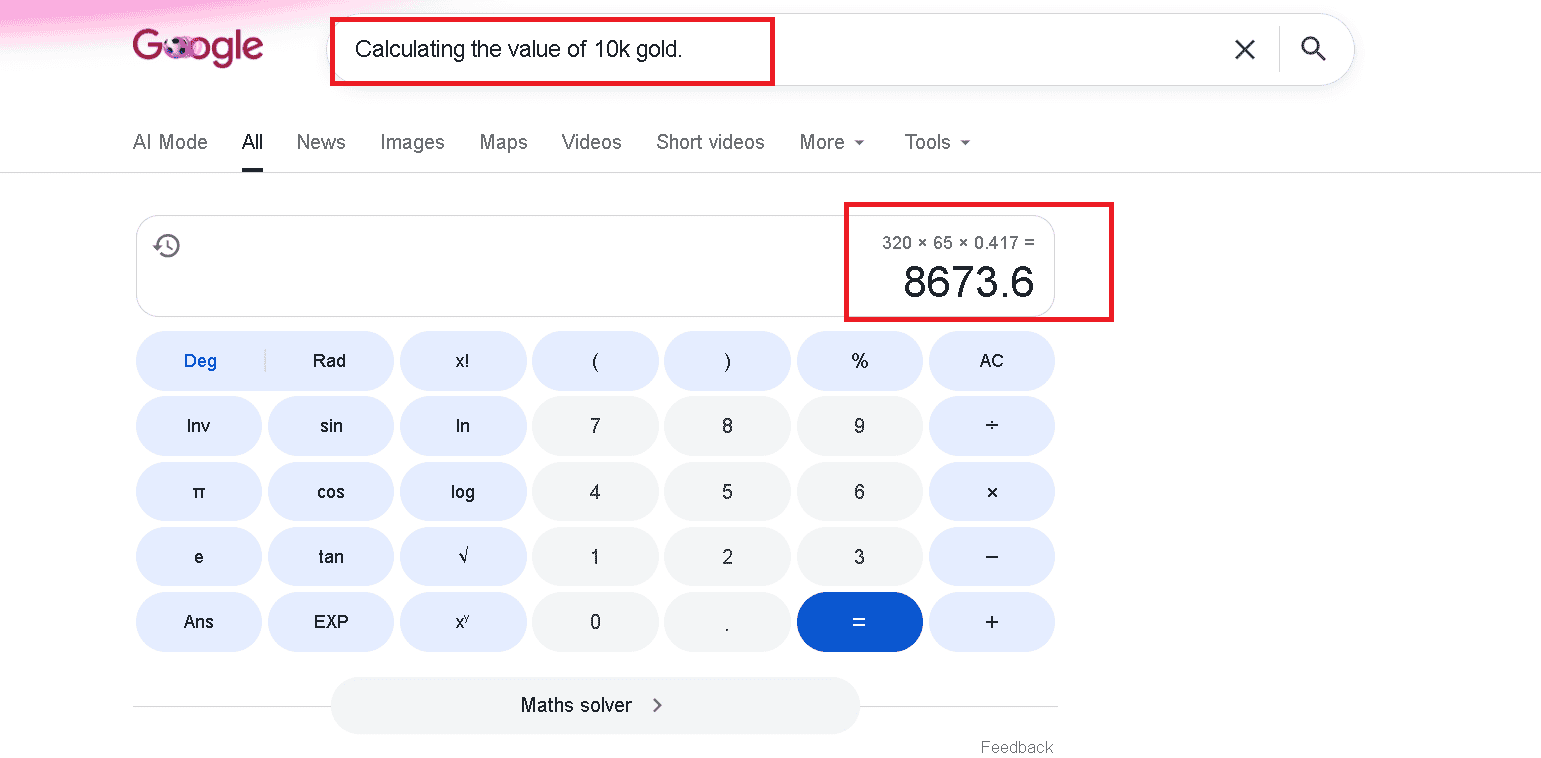
To determine the worth of a 10k gold item first you need to measure its weight. Next, multiply the item’s weight in grams with the current gold price per gram, and then multiply that by 0.417 (the amount of gold in 10k gold).
For example, let’s say the current price of gold is $320 per gram, and you have a 10k gold item that weighs 65 grams. The exact worth of that 10k gold item would be $320 x 65 x 0.417=$8673.6.
Check this out next once you’re done reading my 10k gold alloy guide. Especially important if you’re an American citizen with a keen interest in precious metals and investing.
- Both are 10k. Is the color difference normal?- https://www.reddit.com/r/jewelry/comments/v30cxe/both_are_10k_is_the_color_difference_normal/
- 10K gold ring Hallmark- https://www.antique-jewelry-investor.com/10k-gold-ring-hallmark.html

Nikola Roza
Nikola Roza is the owner of Nikola Roza- Everything You Can Learn About Precious Metals. He writes for people who love precious metals and jewelry and who're interested in adding gold, silver platinum and palladium to their Gold IRAs and retirement portfolios.