
Disclosure: Some of the links you’ll encounter are unique links. Click and buy something and I’ll earn some money, at zero expense to you. Thank you!
Trends come and go. However, profitable eCommerce brands share a few things in common: They serve specific needs, scale without chaos, and don’t chase every shiny object.
Yes, the eCommerce landscape is crowded. Yes, millions of products flood online marketplaces every day.
However, profitability still comes down to how well you position what you offer, who you serve, how efficiently you run your operation, and how effectively you reach customers through digital marketing and social media.
To succeed, you must deliver a tailored experience, address overlooked needs, and differentiate your brand from the competition.
You also need lucrative eCommerce business ideas in 2025 to help you perform in a market where customer expectations are high, competition is global, and margins matter. Each business plan we cover in this blog reflects where buying behavior is headed and how you can build something that grows with it.
Let’s take a look at what’s working and why.
What Makes an eCommerce Business Profitable in 2025?
In 2025, eCommerce profitability is about how you run, position, and scale your store. Here’s what works:
- Focused positioning over mass appeal: The most successful online business ideas serve specific, passionate niches. Instead of trying to please everyone, they build deep relevance with one target audience and turn that into strong customer loyalty.
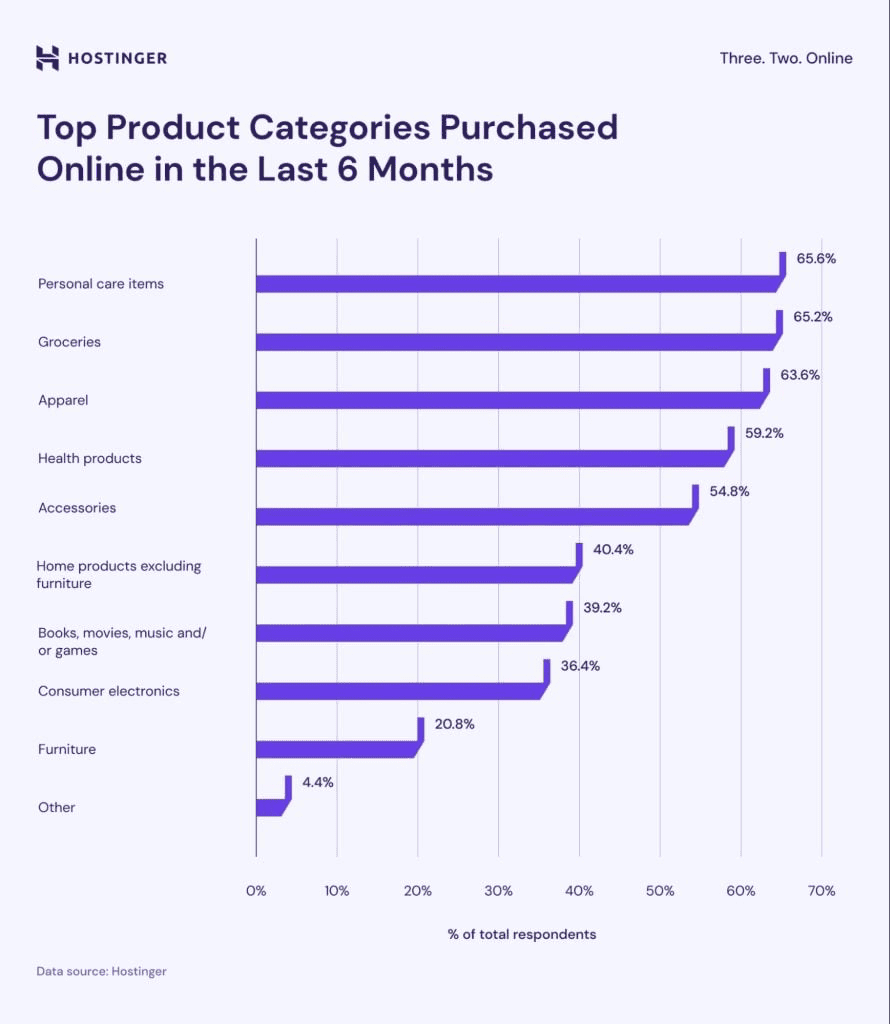
- High-market-demand categories with repeat potential: Essentials like wellness, beauty, and health continue to perform well.
- Customer experience (CX) that drives repeat sales: Profitability comes from customer retention, supported by responsive customer service, customer service tools, WhatsApp chatbots, and personalized shopping experiences. Additionally, fast shipping, clean interfaces, and proactive support create a loop where potential customers come back because it’s simply easier to buy again than to look elsewhere.
- Repeat revenue without high churn: Subscription-based models, refills, and seasonal drops can bring in steady profits and predictable revenue streams. Whatever the format, your model should have a built-in reason for customers to return, without requiring you to convince them all over again.
- Built-in differentiation: Sure, you’re selling a product, whether physical goods, digital goods, or print-on-demand items, but you should also be answering why yours is worth choosing. It may be in your supply chain, design, or fulfillment model. Whatever the case, the difference has to be obvious. To ensure this differentiation is clearly visible when shoppers compare options online, successful brands actively rely on shopping engine search monitoring to evaluate competitor positioning.
- High perceived value: Personalization, premium packaging, and storytelling can justify higher prices without raising your startup costs.
- Cultural relevance: Online business ideas that tap into what people value make your product feel timely and thoughtful. These values might include sustainability (e.g., eco-friendly products, biodegradable packaging), wellness, convenience, or transparency.
11 High-ROI eCommerce Business Ideas in 2025 You Can Launch Today
You don’t necessarily need a warehouse, massive ad budget, or high overhead costs to start an eCommerce business.
Some of the highest-return online business ideas in 2025 are lean, niche-focused, and built around modern buying behavior.
Here’s where smart founders are focusing next:
1. Luxury and niche fragrances that tell a story
One of the most profitable eCommerce niches set to dominate the market is luxury and niche fragrances. Consumers are increasingly drawn to exclusive, story-driven scents that reflect personality, status, and evolving consumer needs shaped by online shopping behavior.
For example, Diptyque Paris, a high-end perfume known for its luxury perfumes and sophisticated branding, has carved out a loyal customer base and following online.
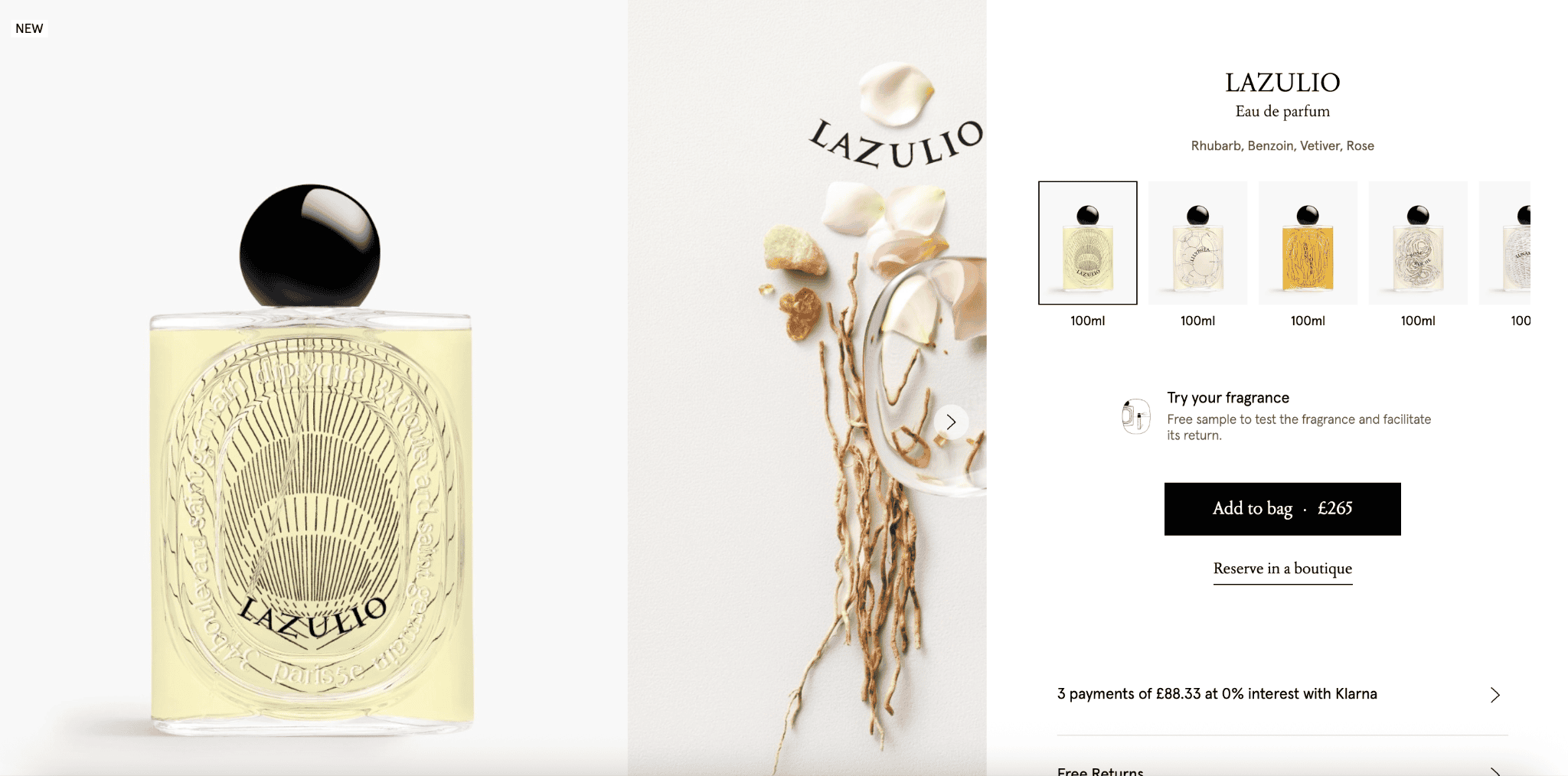
Selling niche fragrances like Diptyque Paris offers high margins and allows eCommerce businesses to tap into a growing segment of beauty enthusiasts looking for unique, premium experiences.
Why it works: Fragrance is deeply personal. And that’s what makes it a powerful product category for eCommerce. Tying a scent to a narrative or emotion helps buyers feel a stronger connection. Also, niche perfumes often have higher price points, lower competition, and passionate communities that value originality.
2. Niche fashion brands with custom fit options
Another profitable online business idea is launching a niche clothing store, including segments like sustainable fashion or vintage clothing. By catering to a specific audience with tailored products, brands can build strong customer loyalty and stand out in a crowded market.
Take StudioSuits, for example, a men’s clothing store that specializes in custom suits, including custom seersucker suits, tuxedos, and tweed styles. Their focus on variety and personalization allows them to meet unique customer needs, helping them dominate the niche formalwear space with quality, fit, and style.
Why it works: Consumers are looking for clothing that fits their measurements and their identity. Tailored fashion, particularly in niche categories such as formalwear or workwear, meets a need that standard sizing often fails to address.
3. RV services and storage solutions
With remote work and digital nomad lifestyles on the rise, more people are craving flexible travel experiences, making an RV rental eCommerce business a smart, profitable move.
By tapping into this niche market, you can earn income from idle vehicles, cater to adventure-seeking travelers, and scale without a physical storefront. Plus, it’s a business model that benefits from seasonal spikes, repeat customers, and the growing love of road-trip freedom.
You can also partner with RV parking lots to offer metal garages for travelers to park their RVs while they’re away, providing a much-needed safe space.
Why it works: RV culture is expanding fast. Remote workers, digital nomads, retirees, and adventure travelers seek flexible options to explore without compromising comfort. Offering RV rentals online allows for a great deal of flexibility, as they don’t require a physical storefront or a significant inventory investment.
4. ReCommerce platforms for luxury goods
Many customers want luxury. But they also want sustainability, savings, and trust. A reCommerce platform focused on authenticated pre-owned goods offers all three.
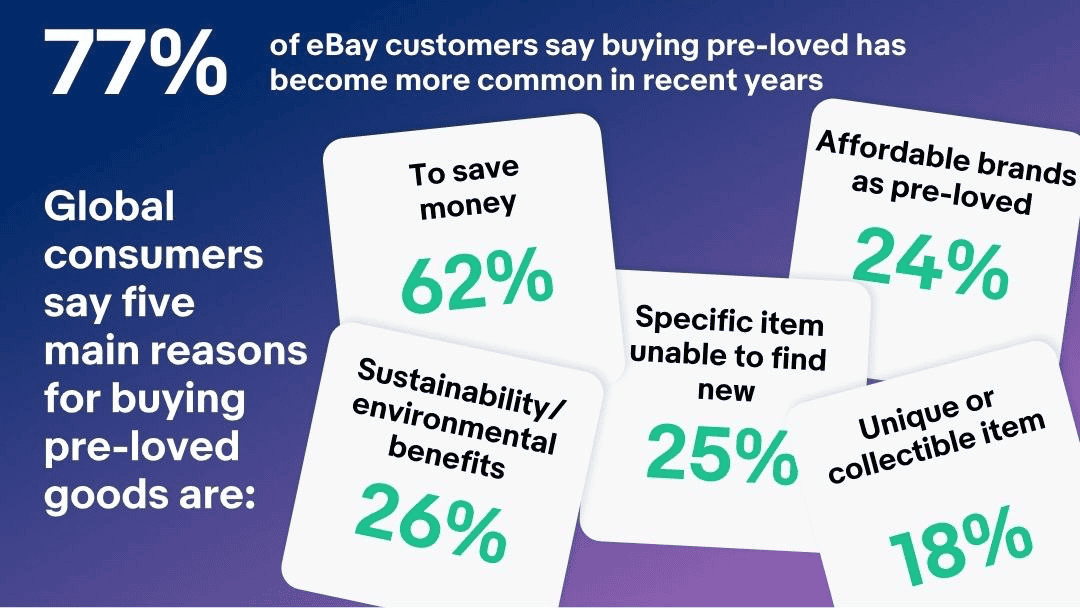
Top reasons customers buy “pre-loved” products:
- To save money
- Sustainability/eco-friendly products
- Can’t find a specific item
- To afford higher-end brands at a lower price
- Unique or collectible item
You can build your own niche resale marketplace or curate and resell items using existing platforms to get started.
Focus on building trust through high-quality photography, clear authentication guarantees, and customer education.
Why it works: Resale combines high margins with a sense of exclusivity and sustainability. With the right authentication process and trust-building strategies, a reCommerce store can grow quickly through word-of-mouth and repeat buyers who treat it like a go-to destination.
Pro tip: In the world of eCommerce, delivery is just as crucial as the product itself in gaining customer trust. Ensuring fast, dependable courier services — especially those offering same-day deliveries — can give new online businesses a competitive edge by enhancing customer satisfaction and encouraging repeat purchases. Whether you’re selling niche products or trending items, reliable delivery logistics are key to scaling efficiently.
5. At-home wellness and therapy products
Wellness has shifted from luxury to lifestyle. Consumers are starting to value products that support mental clarity, better sleep, posture, and emotional regulation, like acupressure mats, sensory kits, or guided journals.
According to Emarketer, consumer spending on health and wellness products grew 6.4% year over year at the end of Q1 2024.
These products help them improve their sense of well-being without relying on constant appointments or subscriptions.
Why it works: This online business idea invites emotional buying and repeat purchases. It’s also easy to pair physical products with digital product upsells, such as guided audio or printable trackers. And because the products are often lightweight and durable, shipping costs remain low, and logistics are simplified.
6. Smart home accessories for renters
Home automation is in high demand. According to Parks Associates’ 2024 survey, 45% of U.S. households with internet access had at least one smart home device, and 18% had six or more.
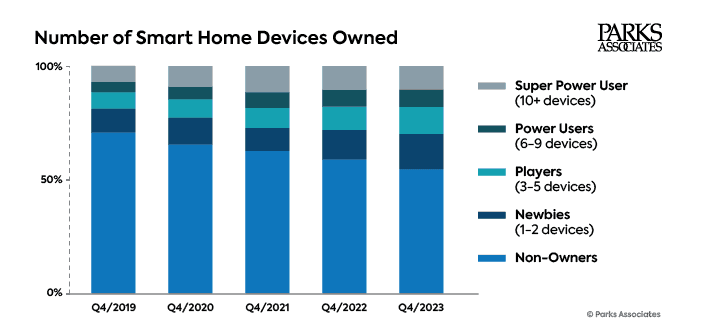
However, most renters are locked out of traditional solutions that require drilling, rewiring, or permanent setup.
That opens the door to renter-friendly alternatives, such as smart lights, portable sensors, plug-in purifiers, and peel-and-stick security devices. These solutions offer renters convenience and peace of mind without voiding their lease.
Why it works: You’re solving a real frustration for a growing segment of the population. These products are practical, tech-forward, and ideal for bundling into starter kits or upsells.
7. Personalized gifting platform with built-in customization
Launch an eCommerce store that curates thoughtful gifts and lets customers create custom products and personalize the experience. This might include packaging, cards, product engravings, or curated bundles.
Add guided quizzes or gift-matching tools to make the experience feel personal, even at scale.
Why it works: Today’s shoppers want meaning. Personalized products increase perceived value, which justifies higher price points and improves retention across birthdays, holidays, and milestone moments.
Pro tip: And when you’re collecting customer preferences, addresses, payment details, and personal notes, security matters. So, if you’re building your store on a cloud platform, don’t skip over security.
Tools like vulnerability scanners help you find and fix weak spots before they become real problems. It’s especially important when you’re handling customer information and payments online.
8. Cultural subscription boxes
Cultural discovery is having a moment. Subscription boxes that offer authentic items from a specific region let potential customers explore the world without leaving home.
Each delivery feels like a new adventure, especially when paired with storytelling or cultural insights.
Why it works: Cultural subscription boxes tap into curiosity, support global artisans or small-batch products, and build predictable monthly revenue streams. When the experience feels thoughtful and immersive, it becomes a ritual people look forward to, which is what builds customer loyalty.
9. Pet tech and health products
Pet parents are spending more than ever. They’re buying products like health trackers, grooming tools, anxiety relief gear, and smart toys.
Why? Because their furry friends are part of the family. That means every purchase is driven by care. When products improve a pet’s quality of life or simplify daily routines for owners, you can build deeper customer loyalty.
This space also opens up recurring revenue streams. Consumables like supplements, hygiene products, and replacement filters are perfect for subscriptions. Additionally, by establishing your brand as a trusted resource for pet wellness, you are more likely to attract repeat customers and encourage purchases of pet products across new life stages, from puppyhood to senior care.
When trying to nail down your specific pet owner audience, consider Millennials and Gen Z consumers. These generations will drive the biggest shifts in pet ownership trends over the next decade.
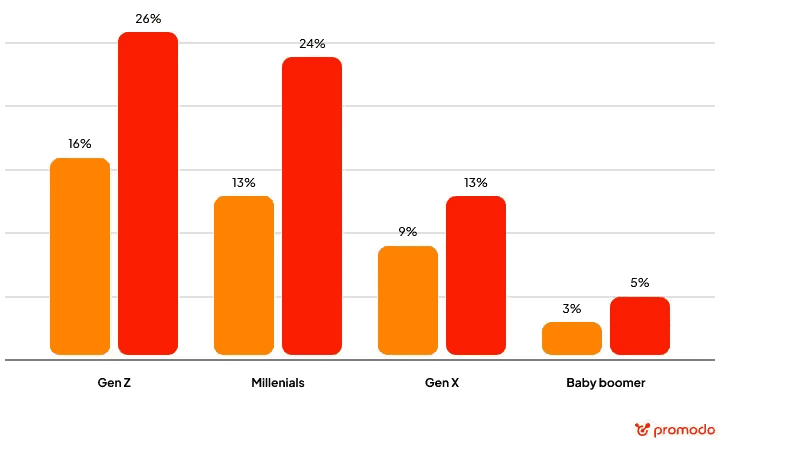
Why it works: Why consider this online business idea? The emotional connection is strong, which means buyers are less price-sensitive and more brand-loyal. Products that support recurring use (e.g., supplements, refills) naturally boost retention and customer lifetime value (CLV).
10. DIY repair kits for electronics and appliances
Electronics and appliances are becoming increasingly expensive by the day. Therefore, it makes sense that the motivation to fix rather than replace continues to grow.
With the right tools and clear guidance, consumers are eager to repair their phones, headphones, kitchen appliances, and consoles at home.
A kit that includes the necessary parts and step-by-step instructions makes it manageable.
Why it works: Repair kits are low-cost to produce, easy to ship, and highly specific. That means low competition when you niche down. They also align with the rising interest in sustainability. Buyers feel empowered to save money while you earn strong margins and repeat purchases for other devices or parts.
11. Educational kits for kids and homeschooling families
Many parents are turning to homeschooling and supplemental learning to give their kids a more personalized, flexible education.
You could offer educational kits that align with academic standards, such as STEM experiment boxes, phonics games, history projects, or nature-based science kits.
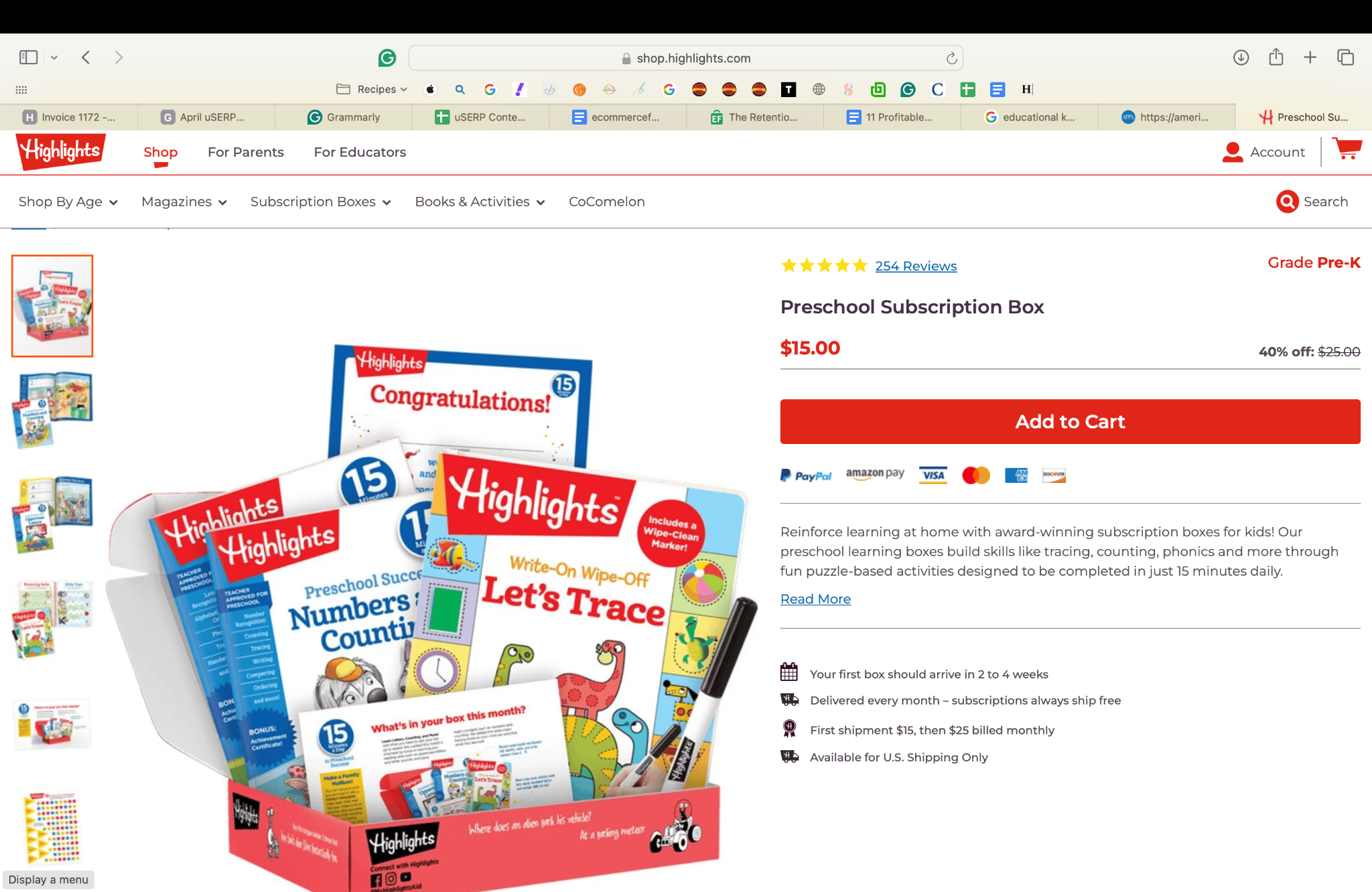
These help parents bring learning to life without screen time or burnout. You can offer one-time kits or monthly subscriptions that rotate through themes, grade levels, or subjects.
Why it works: Demand is growing rapidly, driven by both full-time homeschoolers and parents seeking to enrich their child’s learning at home. These kits are tactile, engaging, often reusable, and tend to have low startup costs. This makes them feel more valuable than digital products and resources.
Pro tip: As your eCommerce platform grows, you’ll start to manage a variety of documents: product guides, marketing materials, customer and supplier invoices, shipping labels, and more. Efficient document management is key to streamlining operations. Consider investing in tools that allow you to easily combine files into a single PDF to keep all your documents organized and share information with whoever you need.
Turning Your eCommerce Business Idea Into a Reality
As you can see, there’s a wide range of eCommerce business ideas in 2025 you can capitalize on now. Each one reflects a shift in how people choose to spend.
They want more personalized, practical solutions. They want products that help them feel more connected to their values and routines.
How can you capitalize on these trends as a business owner?
Start with a thoughtful, profitable business idea. Focus on the people it serves. Refine the offer until it feels clear and useful. That’s how a successful business takes shape—and how it can last.
Britney Steele

Born and raised in Atlanta, Britney is a freelance writer with 5+ years of experience. She has written for a variety of industries, including marketing, technology, business, finance, healthcare, wellness, and fitness. If she’s not spending her time chasing after three little humans and two four-legged friends, you can almost always find her glued to a book or awesome TV series.

Nikola Roza
Nikola Roza is the owner of Nikola Roza- Everything You Can Learn About Precious Metals. He writes for people who love precious metals and jewelry and who're interested in adding gold, silver platinum and palladium to their retirement portfolios. Nikola is passionate about gold IRAs and investing in multiple asset types for a safer financial future. He also runs a successful online jewelry store where you can buy precious metal jewelry and various replicas of famous coins and bars. Learn about Nikola here.