
Disclosure: Some of the links you’ll encounter are unique links. Click and buy something and I’ll earn some money, at zero expense to you. Thank you!
Starting a side business can be a great way to earn extra income and achieve your dreams of becoming a business owner.
You might be worried about where to start or how to succeed.
In this quick guide, we’ve got you covered.
Follow these seven tips to kickstart your journey to extra cash and success.
Each step builds on the previous one, helping you move from idea to execution with clarity.
1. Choose an in-demand business
Picking a business that’s in demand makes it easier to make money faster and create success. Consider an online business — they have a lower barrier to entry.
Here are some beginner-friendly online business ideas you can start quickly without heavy upfront investment:
Dropshipping business
Start a dropshipping ecommerce store. Sell products online without holding inventory.
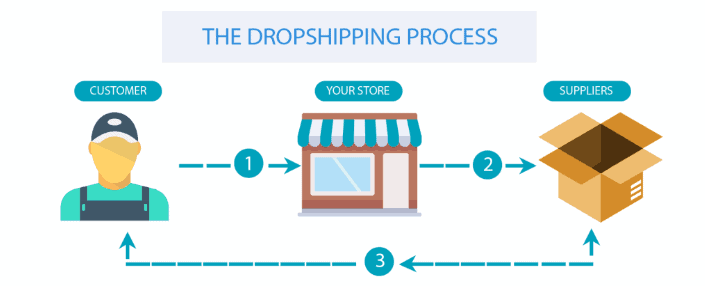
Benefit: Low startup costs and minimal risk.
Tech-based business
Create software or apps. Or offer product design or project management support as a contractor.
Benefit: High demand and scalability.
Virtual assisting
Provide administrative support remotely to other business owners and online companies.
Benefit: Flexible working hours and high demand from entrepreneurs.
Content creation
Produce videos, blogs, or podcasts as an influencer marketer.
Benefit: Engage a broad audience and monetize through ads and sponsorships.
Content writing
Write articles or website copy for other business owners and online publications.
Benefit: Steady demand for quality content from businesses and blogs.
Copywriting
Craft persuasive marketing copy for brands and businesses.
Benefit: High-paying projects and consistent demand.
Coaching
Offer services as a life coach or choose expertise in a specific area — like personal training or SaaS business coaching.
Benefit: Transform lives and businesses while earning a premium.
Affiliate marketing
Promote products and earn commissions via online reviews, blog posts, and social media content.
Benefit: Passive income potential and minimal startup costs.
Once you’ve chosen a direction, the next step is turning that idea into a structured plan.
2. Create a detailed business plan
Have a plan that documents how you’ll run your business.
Include the following details to get organized:
Business goals and objectives
Define what you want to achieve with your new business and set clear, measurable goals.
Market analysis
Research your market and competitors to understand what you’re up against. Identify your target audience, their needs, and how your business can better meet those needs than the competition.
Marketing strategy
Plan how to attract and keep customers through various channels. Include social media, content marketing, SEO, and paid ads.
Operational plan
Outline your daily operations, from production to delivery. Detail your processes, tools, and required resources.
Financial planning
Detail your startup costs, budgeting, and profit projections. Include a break-even analysis and forecast your cash flow.
3. Choose the right business model
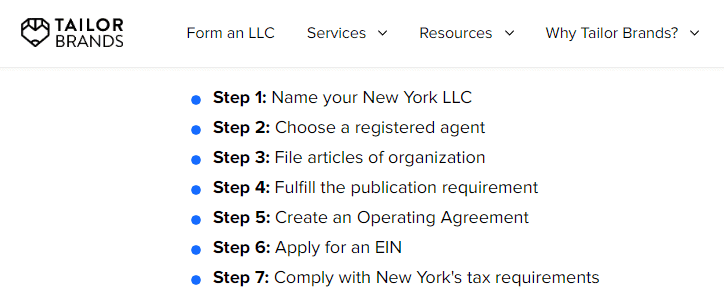
Once your plan is in place, work with a registered agent to decide on the best business structure for your new side hustle. This choice affects your taxes, liabilities, and how you run your operations, so don’t rush it.
Let’s look at one popular option: the Limited Liability Company (LLC).
An LLC can be a great choice for many beginners because it offers flexibility and protection. You benefit from separating your personal assets from your business, which can help enhance asset protection if your business faces legal issues or debts. It also offers potential tax advantages and lends your business credibility.
The specific benefits and process of forming an LLC can vary depending on your location and individual circumstances. For example, forming an LLC in New York may look different than starting an LLC in Texas.
Ask your agent to review the pros and cons of each business model with you so you can opt for the best choice.
4. Open your business banking accounts
Manage your payables and receivables with business banking accounts. Consider opening up a business checking account for your deposits, a business savings account for emergencies, and a business credit card for spending.
Business credit cards provide a convenient way to separate personal and business expenses.
They also often come with rewards programs that let you earn cash back, points, or travel miles on business purchases. This helps reduce costs while adding value to every transaction.
Having a business credit card can also help you establish a business credit history, which is a must for future financing and business growth opportunities.
With your financial setup in place, the next priority is building trust with potential customers.
5. Collect and showcase testimonials and trust elements
Offer free (or discounted) products or services initially to build up ratings, user-generated content (UGC), and testimonials. Create an online presence and showcase these there.
Here are some ways you can display social proof on your marketing channels:
- Email newsletters: Highlight satisfied customer experiences in a storytelling format to build trust with your audience.
- Social media profiles: Share UGC, positive feedback, and customer stories regularly across your social media profiles.
- Landing pages: Include testimonials and star ratings to boost conversion rates.
- Website: Display customer reviews prominently on your homepage and product pages.
6. Create a multi-channel marketing and ads strategy
Use channels like social media, blogging, email marketing, ads, and lead magnet funnels to generate awareness and leads for your business; for any business with a geographic footprint, organic search deserves a spot on that list early. Someone searching for tiny home builders in Illinois is already close to a decision in a way that a social post impression isn’t.
Choose social media platforms that cater to your target audience. (Research where your potential customers spend their time online.)
*Pro-Tip: Create once and repurpose. For example, turn a blog post into social media posts, an email newsletter, an ad, and a lead magnet funnel. This maximizes your content’s reach and effectiveness — and saves you valuable production time.
7. Conduct outreach if you’re opening a B2B business
If your side business targets other businesses, you’ll also need a structured outreach strategy if you’re opening a B2B business, since B2B prospects need more nurturing. They also tend to “live” in different online spaces than B2C customers.
Here’s an example of a B2B outreach strategy:
Identify potential clients
Start by researching companies in your industry that might need your services. Use LinkedIn, industry directories, and trade associations to find leads. Look for companies that match your ideal client profile.
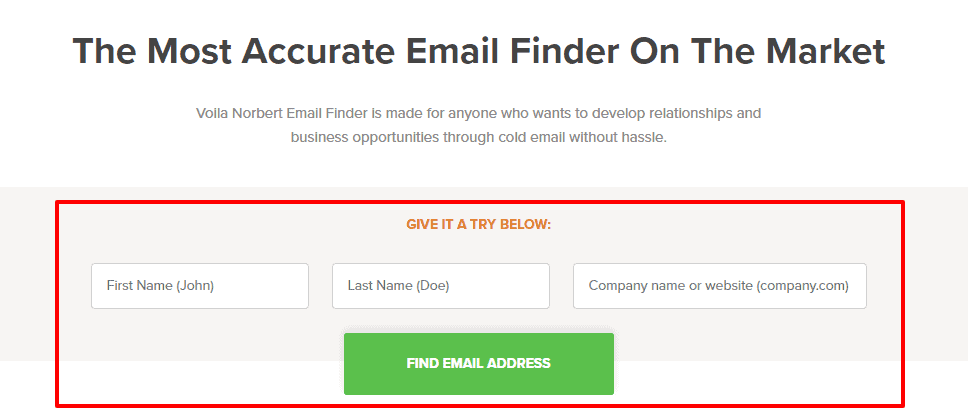
Pull their email addresses
Use tools like Hunter.io or Voila Norbert to find professional email addresses. These tools can help you gather contact information quickly.
Use pitch templates
Create a compelling pitch template and customize it for each prospect. Highlight how your services solve their specific problems. Keep it concise and focused on the benefits.
Here’s an example:
“Hi [Prospect’s Name],
I’m [Your Name] from [Your Company]. I’ve noticed that [Prospect’s Company] is excelling in [specific area], and I believe there’s potential for even greater success.
At [Your Company], we specialize in [your service] that helps businesses like yours achieve [specific benefit]. Here’s how we’ve helped others in your industry:
– [Brief success story or statistic]
– [Brief success story or statistic]
I’d love to discuss how we can support your goals. Are you available for a quick call next week?
Best,
[Your Name]
[Your Contact Information]”
Follow up strategically
Follow up if you don’t get a response initially. Persistence is key. Send follow-up emails up to seven times, spaced out over several weeks. Each follow-up should add value, such as sharing a relevant article, a case study, or a new insight.
Here’s an example follow-up schedule:
- Initial email: Send your personalized pitch.
- Follow-up 1 (3 days later): Gentle nudge, offer more information.
- Follow-up 2 (1 week later): Share a case study or testimonial.
- Follow-up 3 (2 weeks later): Provide a relevant industry article.
- Follow-up 4 (3 weeks later): Ask if they had a chance to review your previous emails.
- Follow-up 5 (1 month later): Offer a free consultation or audit.
- Follow-up 6 (6 weeks later): Share a success story or new insight.
- Follow-up 7 (2 months later): Final check-in, express continued interest in working together.
To stay consistent with this process over time, organization is key.
Log interactions in a CRM
Use a Customer Relationship Management (CRM) tool like HubSpot, Salesforce, or Zoho CRM to track your interactions.
Log every email, call, meeting, and contact information. This helps you stay organized and manage your follow-up schedule effectively.
Wrap up
Starting a side business takes planning, consistency, and a willingness to figure things out as you go. Follow these steps, and you’ll avoid the mistakes most people make early on. Stay focused on steady progress, and sustainable growth will follow.
To your success!
If you’re ready to move forward, start with just one step today—whether it’s choosing your business idea or outlining your plan. For more practical tips and step-by-step guidance, explore NikolaRoza to build your side business confidently.
Author Bio:

Ioana Wilkinson
Ioana is a business strategist and content writer for B2B tech and SaaS brands. She also helps aspiring entrepreneurs build remote businesses. Born in Transylvania and raised in Texas, Ioana has been living the digital nomad life since 2016. When she’s not writing, you can catch her snorkeling, exploring, or enjoying a café con leche in Barcelona!

Nikola Roza
Nikola Roza is the owner of Nikola Roza- Everything You Can Learn About Precious Metals. He writes for people who love precious metals and jewelry and who're interested in adding gold, silver platinum and palladium to their retirement portfolios. Nikola is passionate about gold IRAs and investing in multiple asset types for a safer financial future. He also runs a successful online jewelry store where you can buy precious metal jewelry and various replicas of famous coins and bars. Learn about Nikola here.