
Disclosure: Some of the links you’ll encounter are affiliate links. If you click and buy something, I’ll get a commission. If you’re reading a review of some precious metals company, please understand that some of the links are affiliate links that help me pay my bills and write about what I love with no extra cost to you. Thank you!
You need to know whether silver is real or fake before you start buying (supposed) silver objects.
You simply can’t afford to lose your money and get scammed.
So go and read my article below as it’ll tell you how to test silver coins, bars and jewelry (rings, earrings, necklaces, watches, bracelets, chains, pendants, broches, spoons…) from the comfort of your home.
- How to Test Silver With Magnets at Home?
- How to Test Silver With Ice at Home?
- How to Test Silver With Bleach at Home?
- How to Test Silver With Sound at Home?
- How to Test Silver With Nitric Acid at Home?
- How to Test Silver with Vinegar at Home?
- Is it Possible to Test Silver Authenticity With Water?
- Is it Possible to Test Silver with Alcohol?
- Is it Possible to Test Silver with Makeup?
- Is it Possible to Test Silver with Lemon Juice?
- Is it Possible to Test Silver with Baking Soda?
- Is it Possible to Test Silver with Toothpaste?
- Is it Possible to Test Silver with Ceramic Tiles?
- Is it Possible to Test Silver with Multimeter?
- Is it Possible to Test Silver Authenticity With Hydrogen Peroxide?
- How to Spot and Test Fake Silver Coins and Bars?
- How to Tell if Something is Silver Without Markings and Hallmarks?
- What is the Best and Easiest Free Way to Test and See if Silver is Real or Fake?
Here’s an awesome quiz about testing silver at your home. Take it after you’ve read my guide for your best results.

How to Test Silver With a Lighter at Home to See if It’s Real or Fake?
How to Test Silver at Home With a Lighter (step-by-step):
- Step #1– get the silver item you want to test;
- Step #2– hold the silver object with a pair of metal tongs and apply the lighter flame for about 10 to 16 seconds.
- Step #3– See whether the silver item starts to darken or not.
To test silver with a lighter at home to see if it’s real or fake hold the silver object you’re testing with a pair of metal tongs and apply the flame from a lighter for about 10 to 16 seconds.
Real silver will conduct heat quickly and will turn darker from the brief flame exposure. Authentic-silver items will cool down rapidly after removing the fire source (in this case flame from a lighter).
The point of testing silver-made objects with a lighter is to see how the material reacts when briefly exposed to heat.
On lighter flame exposure real silver will darken in color just a bit, but it won’t show significant marks nor suffer significant and permanent damage.
Silver-plated or fake silver items exposed to lighter flame start to peel off quickly and show other signs of superficial damage.
Be cautious when testing silver for fakeness with a lighter or any other type of flame or fire. Use safety measures to avoid burns or damage to your item and surroundings.

How to Test Silver With an Eraser at Home?
How to Test Silver at Home With an Eraser (step-by-step):
- Step #1– get both the eraser and the silver item you want to test;
- Step #2– gently rub the eraser over a small area of your silver object.
- Step #3– See if the eraser has a slight black mark developed from rubbing.
To test silver at home with an eraser gently rub the eraser over a small area of your silver object. Apply steady pressure and make several passes over the same spot.
Look at both the silver object and your eraser after rubbing. The eraser shows a slight black mark when rubbed over genuine silver and that’s a sign of legit silver reacting to friction.
Don’t worry, you can’t damage your silver object with an eraser, no matter how hard you rub.
To correctly test silver with an eraser you’ll need to avoid colored or abrasive erasers as they’ll leave misleading marks on your silver item.
Fake silver rubbed with an eraser shows notable damage and it’s an easy way for you to tell it’s not authentic.

Table of Contents
How to Test Silver With Magnets at Home?
How to Test Silver at Home With Magnets (step-by-step):
- Step #1– get both the magnet and the silver item you want to test;
- Step #2– bring the magnet extremely close to your silver object without touching it.
- Step #3– See if the silver item responds to your magnet.
To test silver at home with magnets take a store-bought magnet and bring it extremely close to your silver object without touching it. Your object is made of silver if it remains unresponsive to the magnet.
Testing silver with magnets is one of the quickest and most straightforward way to test the silver item’s authenticity. Pure silver is non-magnetic, meaning it can’t be magnetized no matter what.
Your item is made of fake silver if it attaches itself to your magnet. Your object will also be magnetized if it’s made mostly from some magnetic metal with a thin veneer of genuine silver covering it.

How to Test Silver With Ice at Home?
How to Test Silver at Home With Ice (step-by-step):
- Step #1– get both the ice cube and the silver item you want to test;
- Step #2– place the ice cube on the surface of the silver item;
- Step #3– See if the ice cube immediately starts to melt.
To test silver with ice at home place the ice cube on the surface of the silver item. The ice will start melting almost immediately if your item is made of genuine silver.
You can test silver at home with ice cubes because silver has superior thermal conductivity—the highest of any other common alloy and metal.
The ice will melt slowly at room temperature if your silver object contains very little real silver in it (if it’s not real silver).


How to Test Silver With Bleach at Home?
How to Test Silver at Home With Bleach (step-by-step):
- Step #1– get a bottle of bleach and the silver item you want to test;
- Step #2– apply a small drop of bleach to a secluded area of the item;
- Step #3– See if the silver item tarnishes.
To test silver at home with bleach apply a small drop of this chemical to a small and hidden area of the item. Genuine silver will tarnish almost immediately, while non-silver metals won’t.
Testing silver at home with bleach is easy, safe and effective. But you need to be cautious.
Don’t expose your skin or worse your eyes to bleach as it’s very dangerous. And only put a drop of bleach on the tested item so you don’t damage it too much if it turns out to be a valuable, real-silver object.
Because your silver is going to permanently tarnish when exposed to bleach, even from a single drop.
Bleach can also cause severe discoloration and pitting, and the damage is permanent, especially with prolonged exposure.
So make sure you wipe your silver item after testing it with bleach.

How to Test Silver With Sound at Home?
How to Test Silver at Home With Sound (step-by-step):
- Step #1– get the silver item you wish to test;
- Step #2– gently tap your silver item with another metal object.
- Step #3– listen to the sound your silver object produces.
To test silver with sound gently tap your silver item with another metal object and listen to the sound it produces. Silver has a distinctive acoustic resonance and it produces a clear, prolonged ring when gently struck.
Base-metal items will produce a dull, short sound indicating they’re not made of authentic silver.

How to Test Silver With Nitric Acid at Home?
How to Test Silver at Home With Nitric Acid (step-by-step):
- Step #1– get a bottle of nitric acid and the silver item you want to test;
- Step #2– apply a small drop of nitric acid to an inconspicuous area of your silver item;
- Step #3– See if your silver item changes color or not.
To test silver at home with nitric acid apply a small drop of nitric acid to an inconspicuous area of your silver item. Genuine silver will react when exposed to nitric acid and change color based on the silver’s purity.
Depending on the silver test kit, the reaction will turn a specific color, most commonly a hue or red or blue.
In contrast, non-silver metals hit with acid will cause the acid to turn green or another color.
Make sure you wear gloves at all times (nitric acid is corrosive) if you’re going to test silver with nitric acid. Ventilate the room thoroughly and protect your eyes as well.
What color does nitric acid turn silver?
Nitric acid turns silver blue or greenish-blue if the silver is impure and contains copper.
For pure silver, the acid dissolves the metal to form a clear solution, though initial reactions may cause a temporary blue or greenish color that disappears as the reaction finishes and the nitrate is consumed.

How to Test Silver with Vinegar at Home?
How to Test Silver at Home With Vinegar (step-by-step):
- Step #1– get a bottle of vinegar and the silver item you want to test;
- Step #2– put your silver item in a vinegar-filled container and wait 48h;
- Step #3– See if a black residue forms on the surface of the silver item.
To test silver with vinegar at home put your silver item in a vinegar-filled container and wait 48h. A black residue will form on the surface of the silver item if your silver object is genuine.
Silver interacts with vinegar by starting to oxidize much more rapidly and visibly so you can use vinegar to see if your silver ring, watch, bracelet, chain, necklace, band, armband, earring, stud, bar, coin or anything else is fake or real.
Testing silver with vinegar works, but it’s slow and some of the other methods I covered in my guide are much faster.

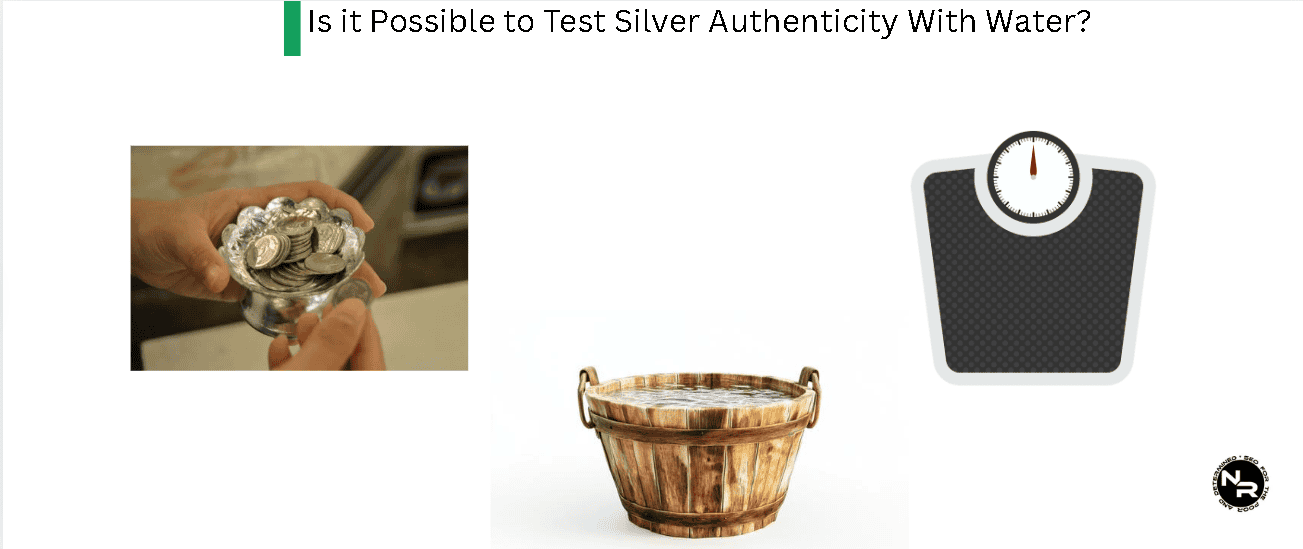
Is it Possible to Test Silver Authenticity With Water?
Yes, it’s possible to test silver authenticity with water.
You can use a silver specific gravity test which requires silver to test, a scale, water, and a container. This test compares the density of the metal object to the density of pure silver (10.5 g/cm³) as fake silver will have a different density.
First, weigh the silver item on the scale to get its dry weight in grams.
Next, fill a container with water. Place the container on the scale and record the weight of the water in the container (this is the tare weight).
Then, carefully submerge the silver item in the water. Make sure it is fully submerged but not touching the bottom or sides of the container.
Next, weigh the container with the submerged item again to get its submerged weight.
Calculate the specific gravity using the formula: Specific Gravity = Dry Weight / (Submerged Weight – Water Weight). Compare the result to 10.5. A value close to 10.5 indicates it’s likely real silver.
Is it Possible to Test Silver with Alcohol?
No, it’s not possible to test silver with alcohol because alcohol has no effect on pure silver. Alcohol can’t damage or rust real authentic silver objects in any way.
Alcohol can turn fake silver object white and it’s a clear sign your silver object is either completely fake or lacks the required purity.
Here’s an example below of rubbing alcohol turning white supposed real sterling silver earrings. It’s obvious those earring were made from fake sterling silver.

Note: instead of a test, alcohol can help distinguish solid silver from silver-plated items that contain plastic or acrylic. It’s not solid silver if alcohol turns the item white or causes the coating to noticeably flake off.
Is it Possible to Test Silver with Makeup?
Yes, it’s possible to test for silver with makeup.
Rub your silver on a thin layer of makeup foundation or concealer on your skin. It’s likely real silver if it leaves a dark or black mark.
Your item is either made from fake silver or some other metal if the mark left is of lighter color and not a dark smudge.
Note: testing silver with makeup is unreliable compared to most other methods on my list. This silver testing method also won’t tell you the silver purity level of your item.
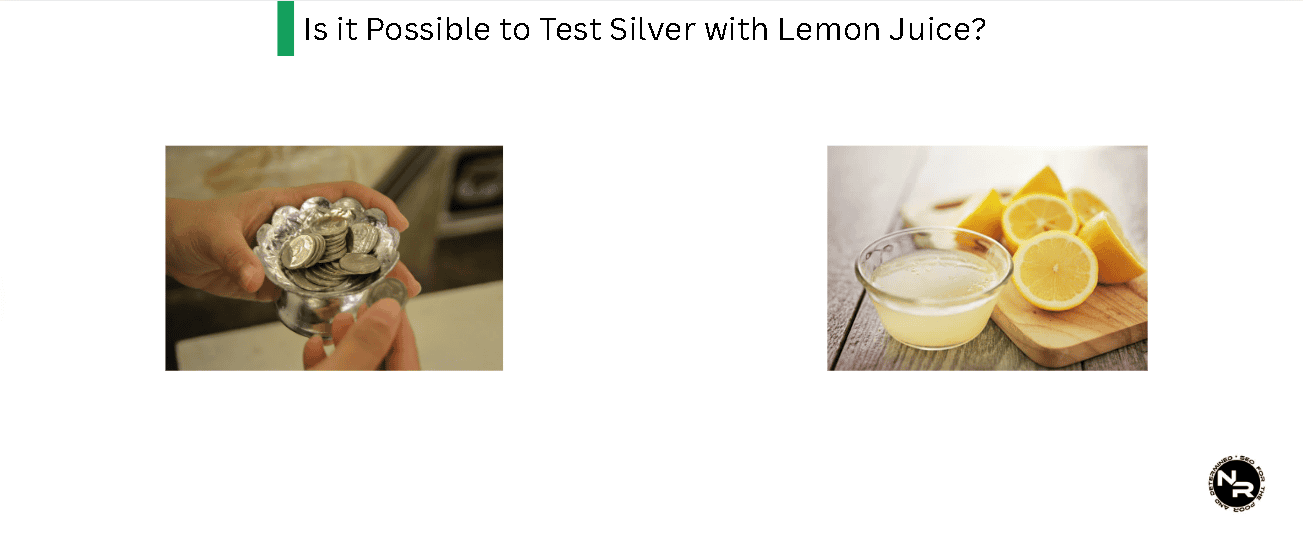
Is it Possible to Test Silver with Lemon Juice?
Yes, it is possible to use lemon juice to test for silver.
Lemon juice is mildly acidic and will cause notable discoloration in silver-plated or fake silver items.
Pure silver is unreactive to lemon juice and its acids so it’s good if your silver item doesn’t respond in any way to your lemon acid test.
Is it Possible to Test Silver with Baking Soda?
No, it’s not possible to test for silver with baking soda.
People use baking soda to clean their silver jewelry coins and bars, but not to test the authenticity of these items.
Is it Possible to Test Silver with Toothpaste?
No, it’s not possible to test silver with toothpaste.
Toothpaste is abrasive and can permanently scratch and damage your silver item. It’s because authentic silver is softer than toothpaste.
Note: there’re instructions online for the supposed way of testing silver with toothpaste. This method doesn’t work and will damage your silver object.
I won’t give you the instructions here for this fake test and I recommend you instead try any of the silver testing methods I included in my guide.
Is it Possible to Test Silver with Ceramic Tiles?
No, it’s not possible to test silver just with ceramic tiles. You can scratch your silver item with a ceramic tile, but you then need to pour a drop of acid on the scratched area to see if the silver reacts and how.
Here’s how to use a ceramic tile to test silver:
- Locate an inconspicuous spot on the item. Find an area that won’t be damaged by a small, shallow scratch. On jewelry, this is often the clasp or an unseen part of the back.
- Rub the silver on the tile. Create a streak or mark on the unglazed ceramic surface by rubbing the item against it with moderate pressure.
- Apply a testing acid to the streak. apply a drop of commercial silver testing acid. These kits come with a bottle of acid solution and a color chart.
- Observe the reaction. The color of the acid and the streak will tell you about the metal’s purity. For example: dark red indicates fine silver (high purity). Milky white/creamy white indicates sterling silver (.925 purity). Green indicates a base metal, like copper.
Is it Possible to Test Silver with Multimeter?
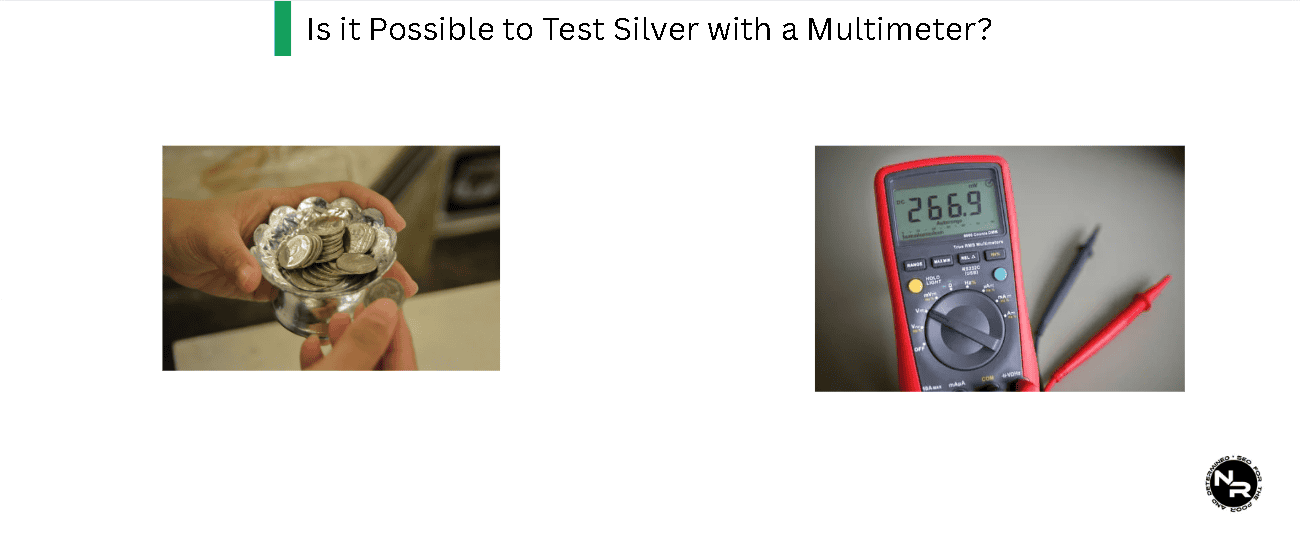
Yes, you can test silver with a multimeter, but only to a limited extent.
A multimeter measures the electrical conductivity of a material. Silver has very high conductivity (\(6.3\times 10^{7}\) S/m at 20°C) and you can use this property to get an indication of whether a piece is likely to be real silver or not.
However, this test isn’t conclusive as it tells you there’s silver present, but not how much of it is there. This test also doesn’t tell you whether some other metal is reacting to a multimeter and you also don’t know the purity of silver in your object.
Is it Possible to Test Silver Authenticity With Hydrogen Peroxide?
No, it’s not possible to test silver with hydrogen peroxide.
Using hydrogen peroxide for silver testing produces a weak and often inconsistent reaction.
While genuine silver causes a weak bubbling reaction when exposed to hydrogen peroxide, many other metals used in fake or plated jewelry produce a similar effect, leading to false positives.
How to Spot and Test Fake Silver Coins and Bars?
The best way to recognize and test fake silver coins and bars is to use a combination of free methods I described here and see how your silver coin or bar reacts.
The most foolproof way to test your silver bars and coins is to take them to a professional appraiser who’ll be able to tell you for sure how much silver your coins and bars have.
But that costs money.
And the best way to ensure your silver bullion is legit is to buy it from a reputable US dealer. Legitimate gold investment company like Augusta Precious Metals sells only genuine platinum, palladium, gold and silver bullion.

How to Tell if Something is Silver Without Markings and Hallmarks?
Potential silver objects without silver markings and hallmarks need to be tested for fakeness. It’s the only way of knowing whether they’re made of real silver or not.
Use one, or better yet several of the silver testing methods I described above.
I also advise you to test silver items that have hallmarks (markings) on them. Because counterfed silver is often hallmarked to increase its value and dupe buyers and investors.
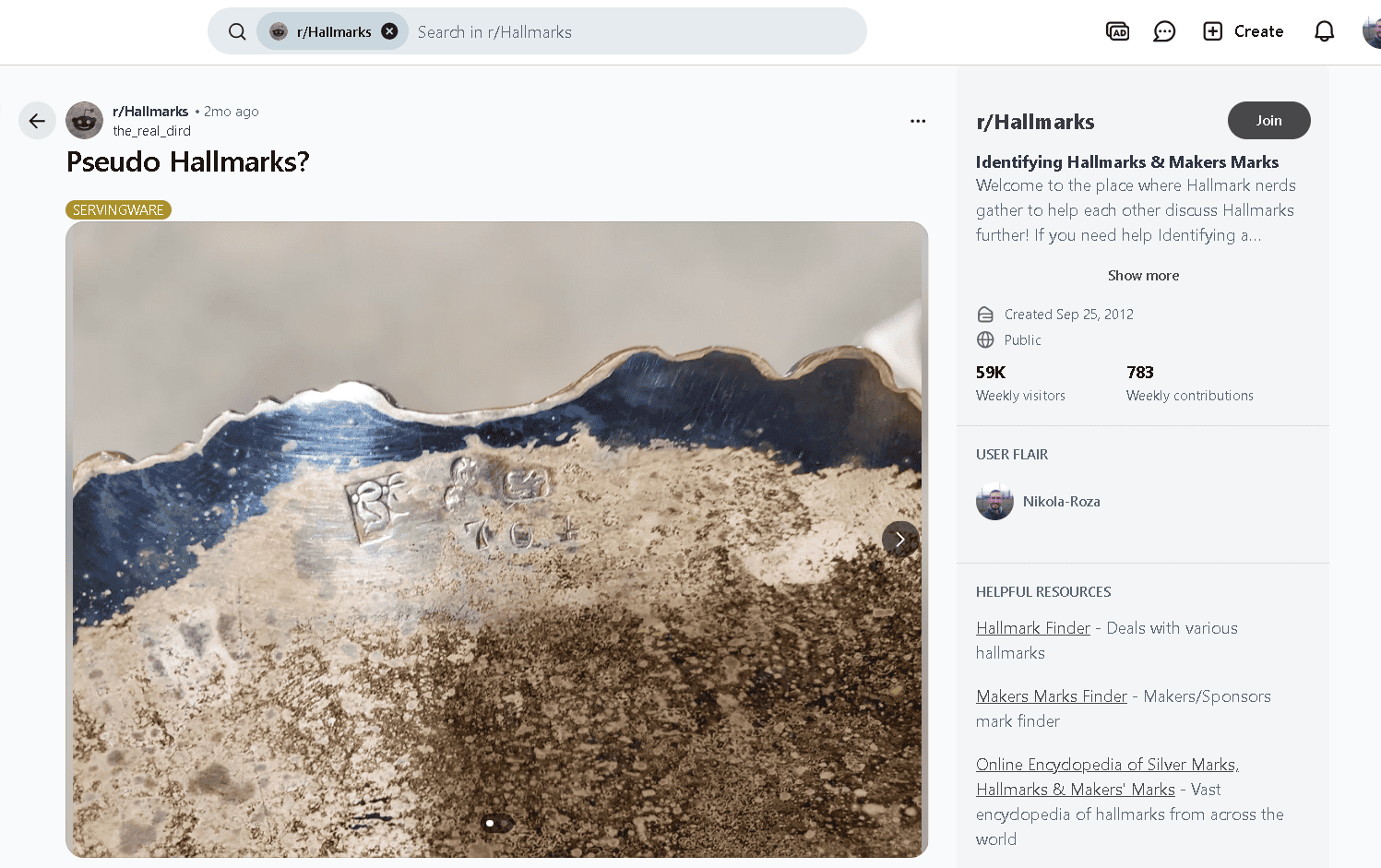
Pseudo silver hallmarks that go on silver-plated objects can fool an untrained eye as well.
What is the Best and Easiest Free Way to Test and See if Silver is Real or Fake?
There’s no one best and easiest free way to test and see whether silver is real or fake.
All of the silver-testing methods I talked about in this article work, but none of them is foolproof. And none of them is as good as taking your silver items, coins, bars, rounds or jewelry to a professional appraiser.
I suggest you combine several of these silver testing methods for best and most consistent results.
Testing your silver necklace (necklace is just an example, it can be earrings, rings, chains, pendants, broches, coins, bars or anything else) with all of these methods will give you a definitive answer without paying a dime for it.
How To Tell If Silver is Real or Fake? Home Tests to Test Silver Coins, Bars and Jewelry (FAQ)

What is the Quickest Test For Identifying Fake Silver?
Testing silver with magnets is the quickest test for identifying fake silver. Testing silver with an eraser, sound, ice cubes and flame from a lighter is also really fast.
You’ll know with 99% certainty whether your silver ring, chain, necklace, bracelet, earrings, watch or even cutlery is made of silver, is silver-plated or completely made of fake silver if you combine all five tests. Each test literally takes <1m.
Testing silver with vinegar is the slowest method because it takes 48h to get the results.
Where to Buy True Silver Bullion (Coins and Bars)?
Augusta Precious Metals is the best place to buy genuine silver coins and bars.
Augusta Precious Metals sells silver real coins and bars and they have hundreds of positive customer reviews on popular consumer watchdog sites.

Augusta Precious Metals is a gold IRA and silver IRA company. This means they specialize in helping people convert parts of their retirement funds into IRA accounts.
But, they also sell physical silver bullion to interested investors.
Can Fake Silver Have a 925 Stamp?
Yes, fake silver can have a 925 stamp and forgers typically go through extra effort to add in a 925 stamp.
It’s because they know the better they imitate real silver, the more people they’ll dupe with their counterfeit products.
Be vigilant when buying silver. Always buy from reputable companies and make sure you test your silver at home just to make sure and have peace of mind.
Are Silver Alloys Considered Real Silver or Fake?
Yes, silver alloys are considered real silver
. They have different metal compositions depending on the type of silver alloy.
Learn more below!
Is Fine Silver Considered to Be Real Silver or Fake?
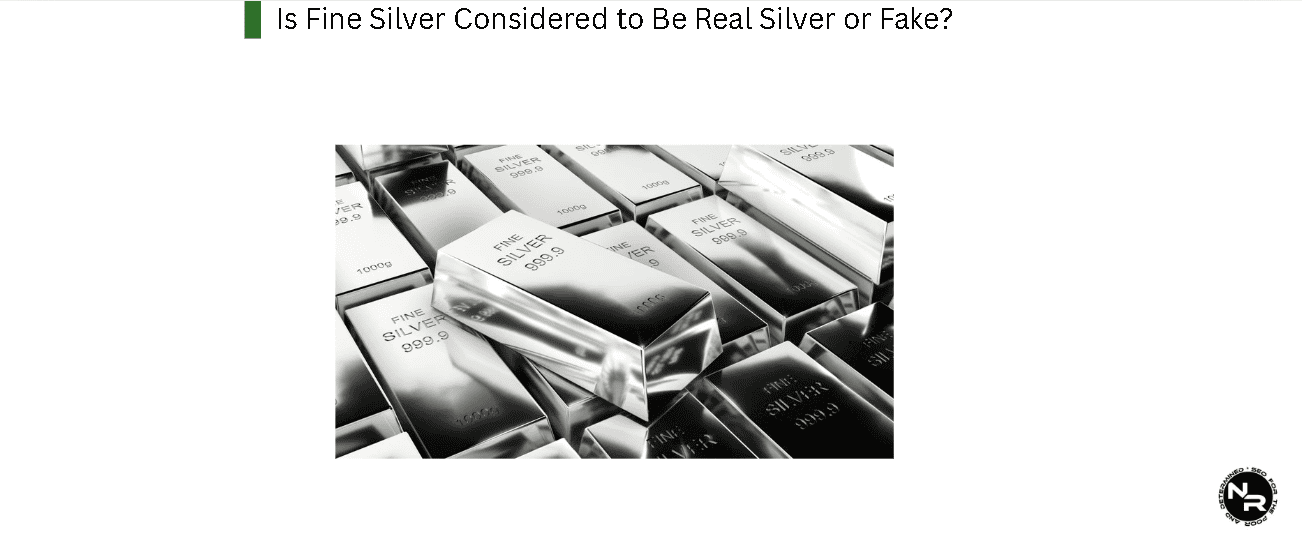
Yes, fine (999) silver is real silver. It’s not fake.
999 silver is the purest silver form available, containing 99.9% pure silver with only 0.1% trace impurities.
Fine silver is mostly used for silver bullion (coins and bars) creation (note: 25% of yearly silver production goes to bullion creation).
Is Silver Argentium Considered to Be Real Silver or Fake?
Yes, silver Argentium is real silver. It’s not fake.
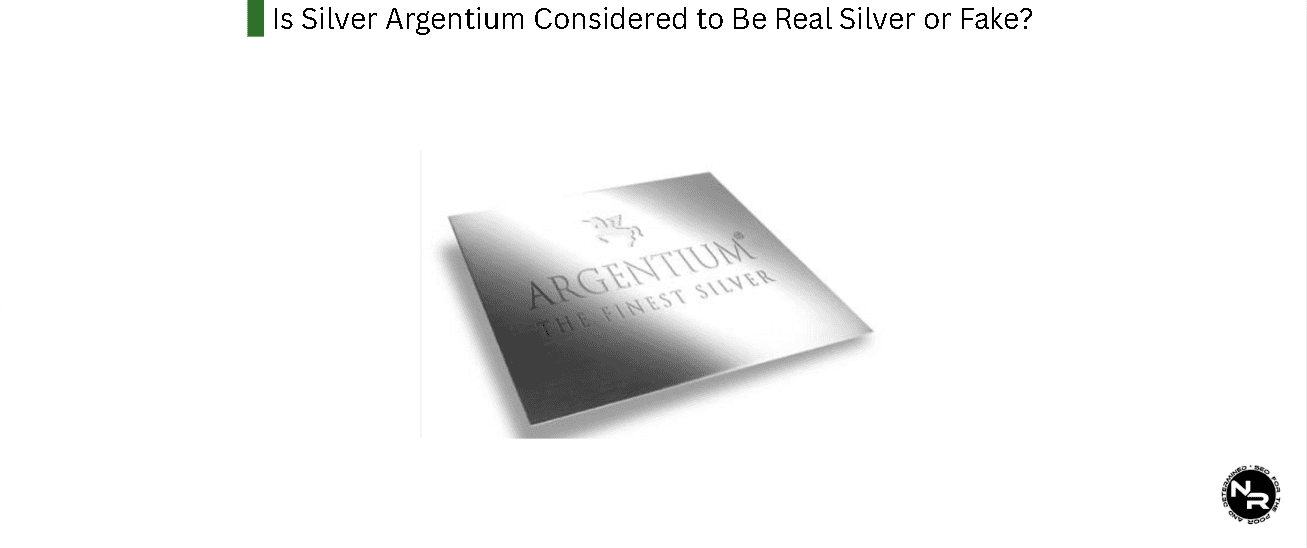
Silver Argentium is a modern silver alloy with a higher silver content (93.5%, 94%, or 96%) and germanium as copper replacement.
The name “Silver Argentium” comes from the Latin word “argentum,” meaning silver, and the addition of germanium to the alloy.
This silver alloy is immune to silver tarnishing because germanium as part of the alloy protects it.
Is Britannia Silver to Be Real Silver or Fake?
Yes, Britannia silver is real silver. It’s not fake.
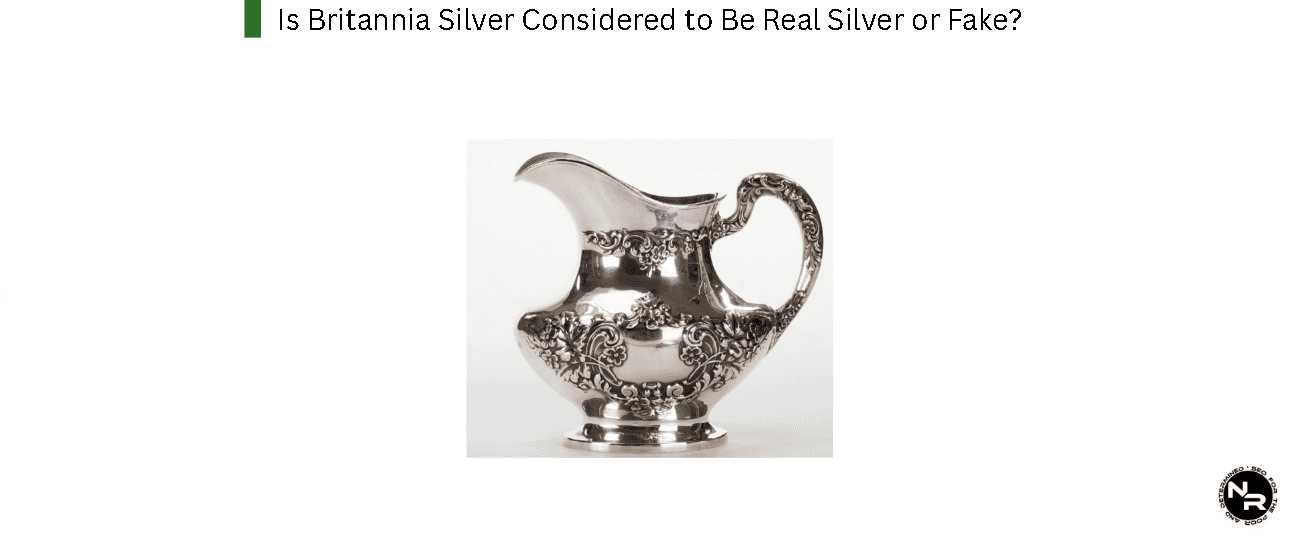
Britannia silver is a silver alloy containing 95.8% silver and 4.2% copper.
It’s called “Britannia silver” because Britannia (a female personification of Britain, often depicted as a warrior woman with a trident, shield, and helmet) is often depicted on coins and other items made from this silver alloy.
This silver alloy was historically used as the legal standard for wrought plate in Britain and is still used to this day in some decorative coins and items.
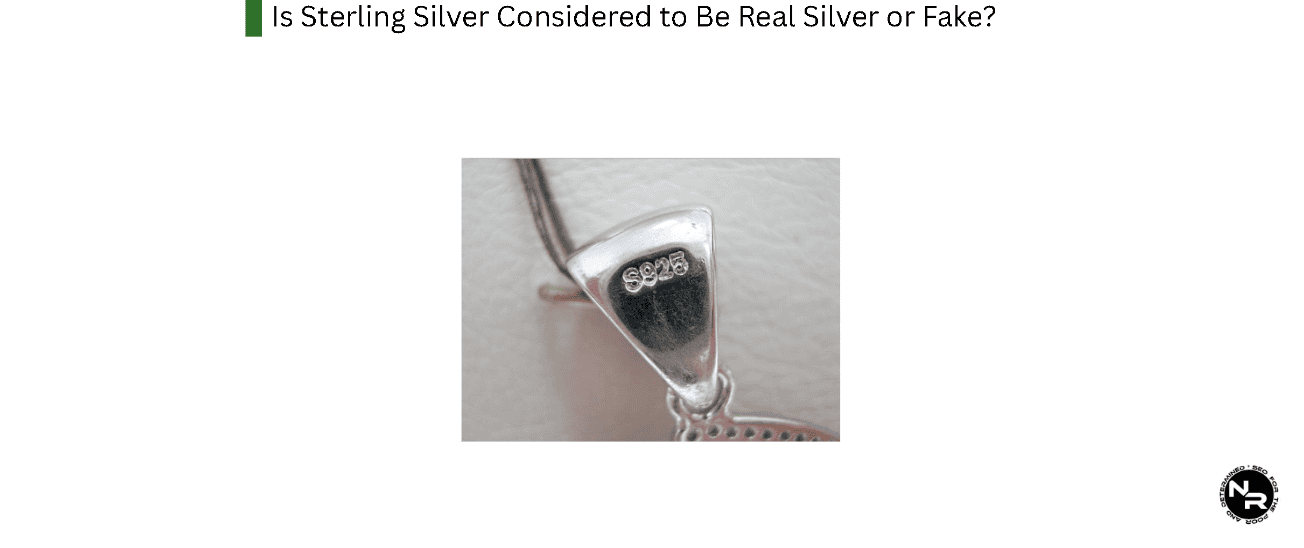
Is Sterling Silver Considered to Be Real Silver or Fake?
Yes, sterling silver is real silver. It’s not fake.
Sterling silver is a silver alloy that’s 92.5% pure silver and 7.5% other metals, usually copper.
Sterling silver is a high quality, durable, and malleable metal that’s used to make jewelry and other accessories.
Sterling silver is the most popular silver alloy today.
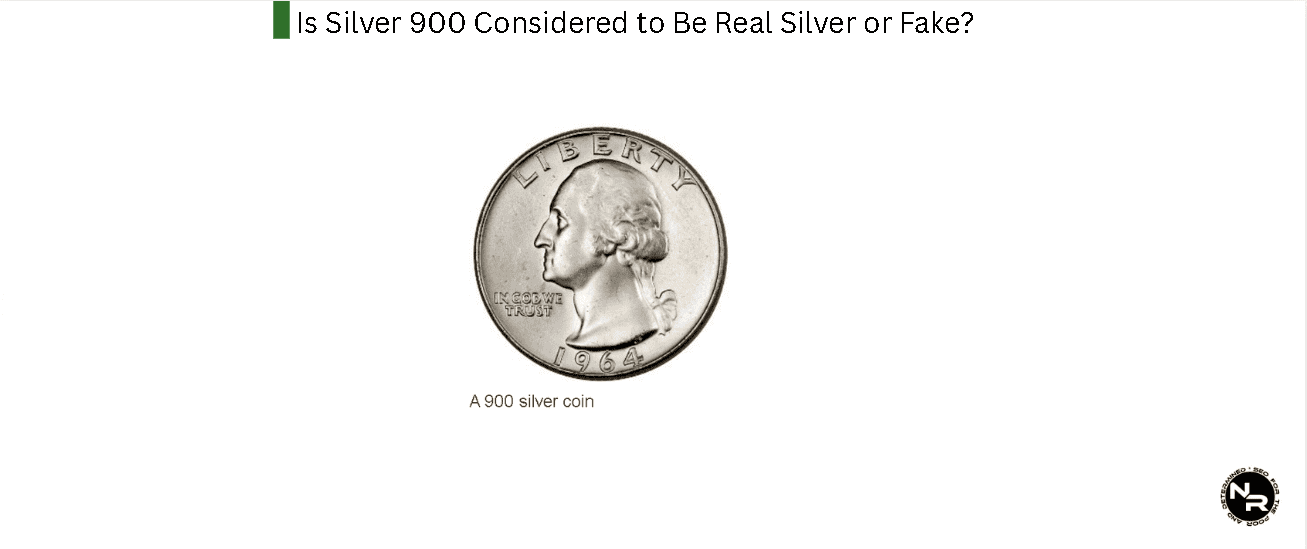
Is Silver 900 Considered to Be Real Silver or Fake?
Yes, silver 900 is real silver. It’s not fake.
900 silver is a silver alloy containing 90% pure silver and 10% other metals (typically copper).
This silver alloy is also known as “coin silver” because it was used in U.S. coinage from 1792-1964.
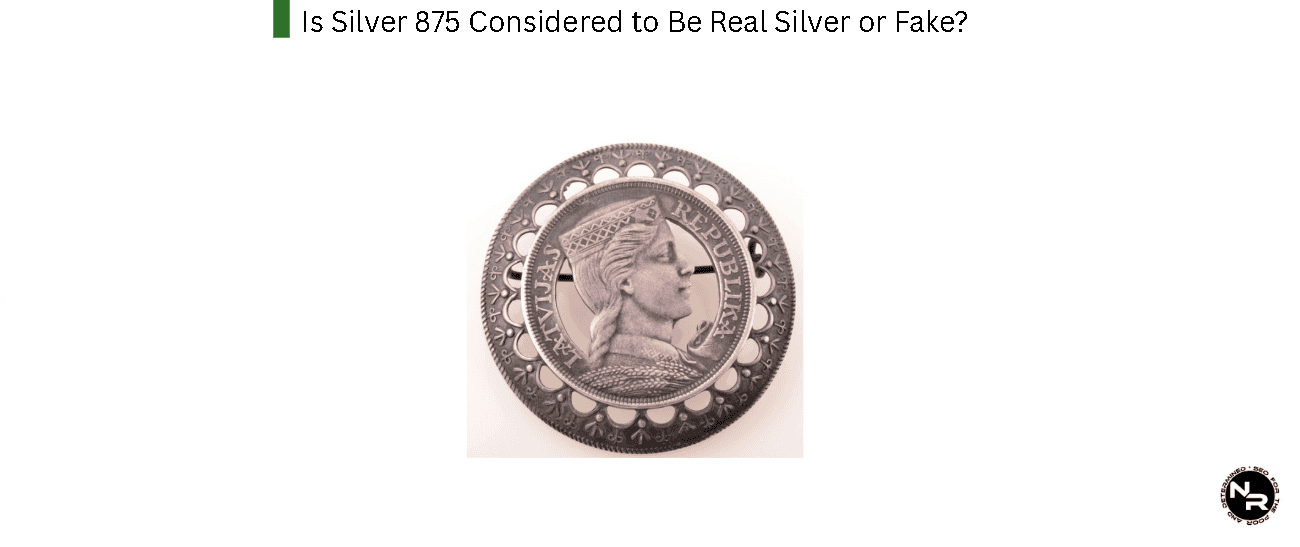
Is Silver 875 Considered to Be Real Silver or Fake?
Yes, silver 875 is real silver. It’s not fake.
Silver 875 is a silver alloy containing 87.5% pure silver and 12.5% other metals, typically copper.
It was historically used in Russia and Eastern Europe where it was called “84 Zolotnik” from the Russian purity system where 84/96 zolotniks equals 87.5% silver.
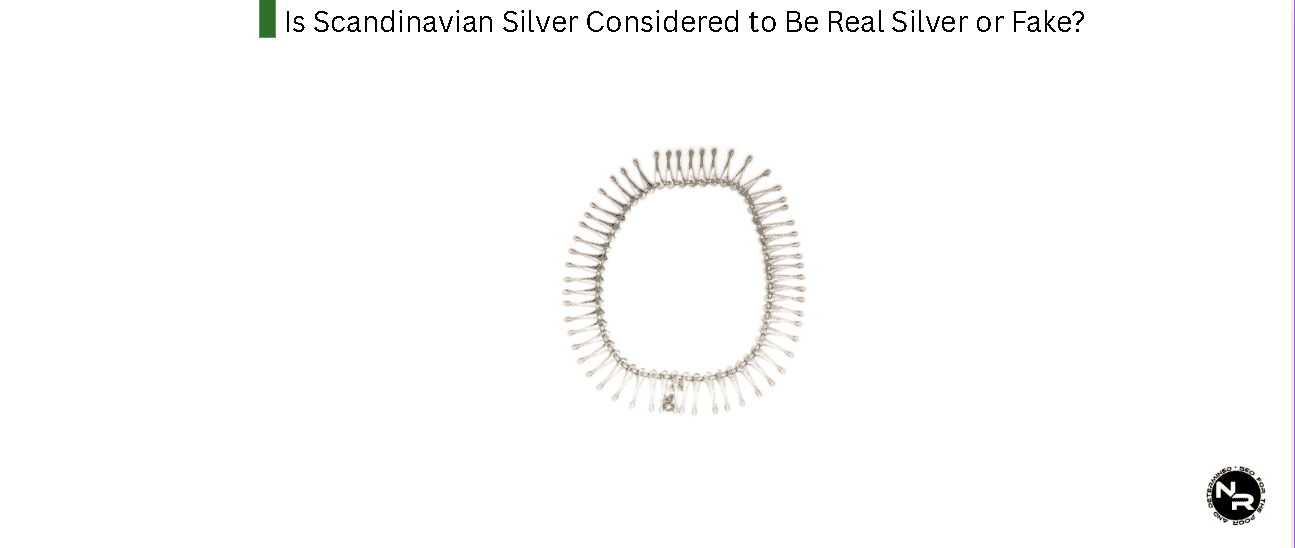
Is Scandinavian Silver Considered to Be Real Silver or Fake?
Yes, Scandinavian silver is real silver. It’s not fake.
Scandinavian silver is a silver alloy containing 83% pure silver and 17% copper.
This silver alloy is commonly used for tableware, jewelry, serving pieces, and decorative items throughout Finland, Denmark, Norway and Sweden.
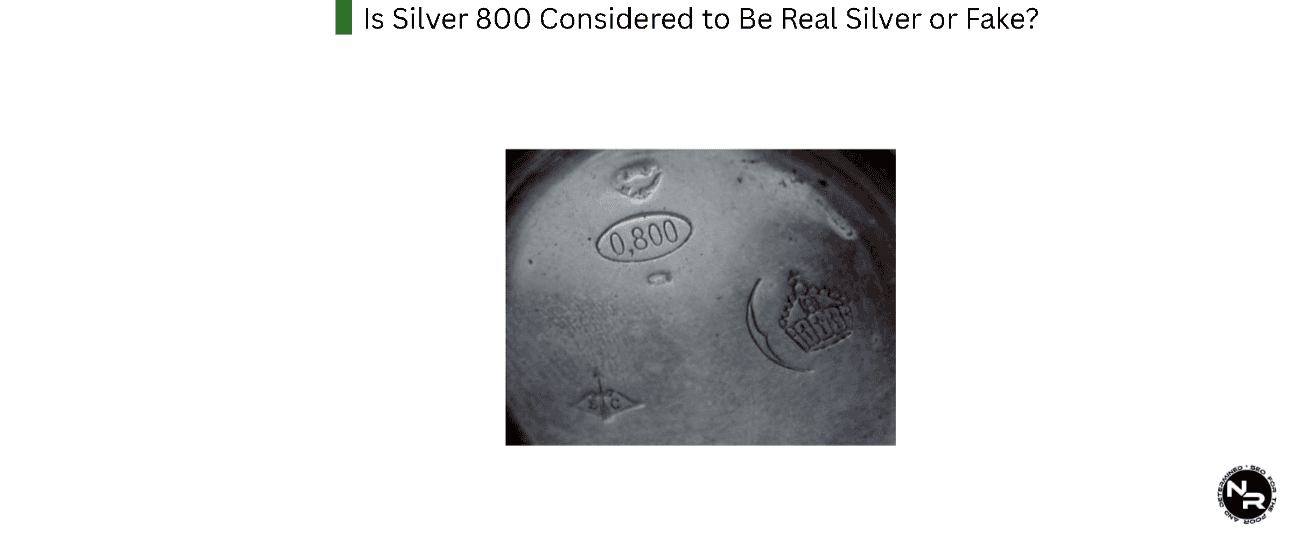
Is Silver 800 (Continental Silver) Considered to Be Real Silver or Fake?
Yes, silver 800 is real silver. It’s not fake.
800 silver, also known as “Continental Silver” is a silver alloy containing 80% pure silver and 20% other metals, usually copper.
it was historically the standard in much of Europe, particularly Holland, Italy and Germany.
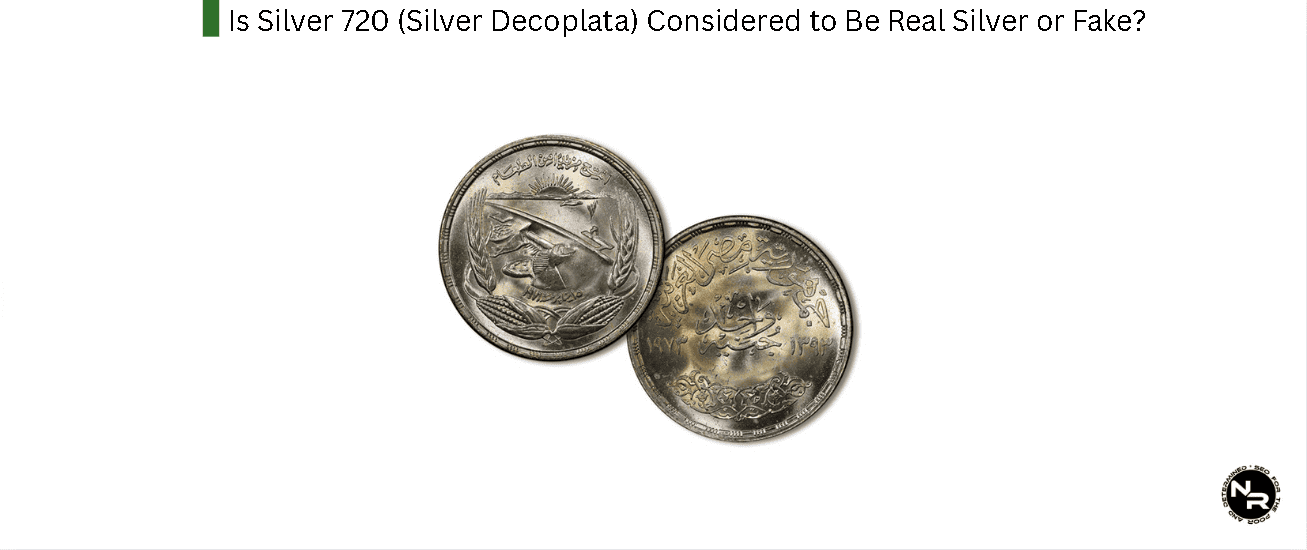
Is Silver 720 (Silver Decoplata) Considered to Be Real Silver or Fake?
Yes, silver 720 is real silver. It’s not fake.
Silver Decoplata is an alloy containing 72% pure silver and 28% copper. The name “Decoplata” derives from Spanish “de plata” meaning “of silver.”
Silver 720 was primarily used for coinage in Egypt, Netherlands and Mexico during the mid-20th century as a debasement measure to reduce silver content while maintaining coin size.
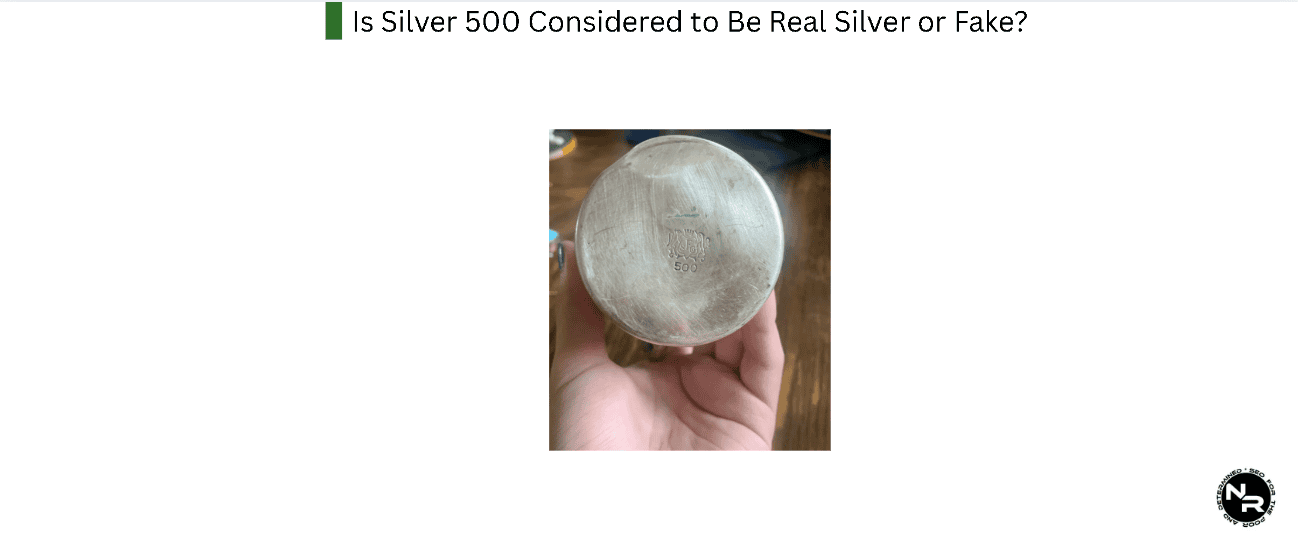
Is Silver 500 (Half Silver) Considered to Be Real Silver or Fake?
Yes, silver 500 is real silver. It’s not fake.
Half Silver, also called “Silver 500” is a silver alloy containing 50% silver and 50% copper.
It was commonly used in British coins from 1920-1946 and is still occasionally used in jewelry where cost is a concern.
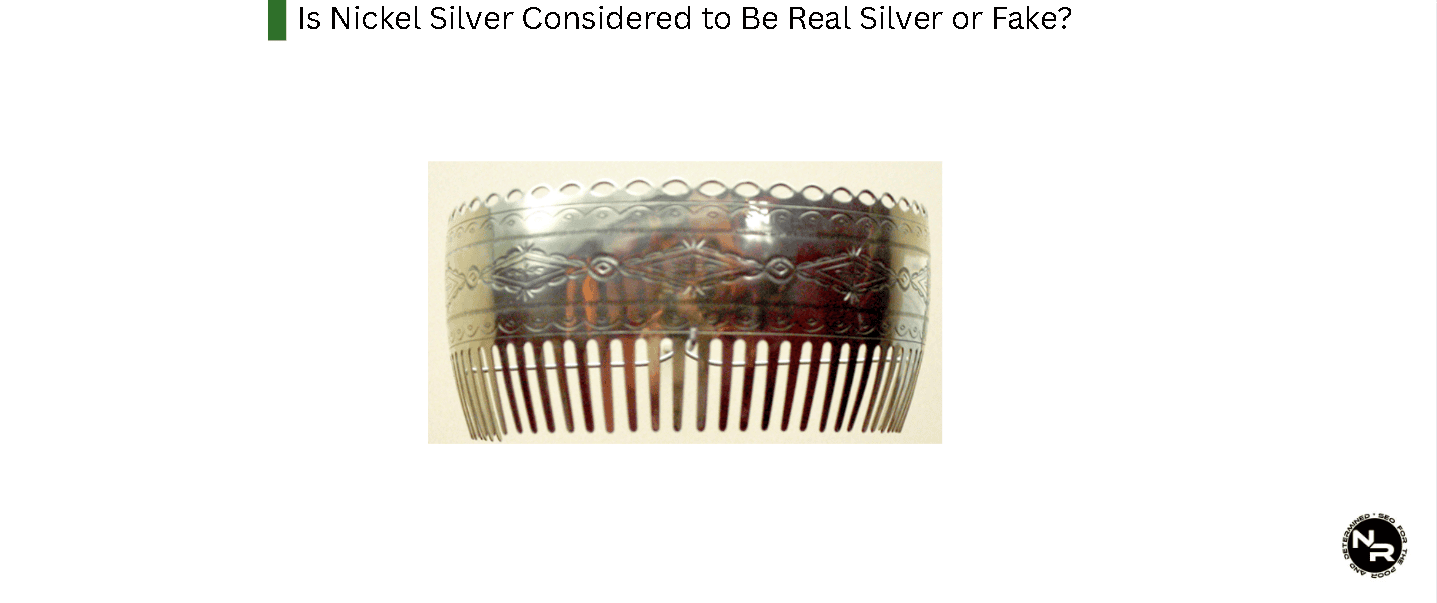
Is Nickel Silver Considered to Be Real Silver or Fake?
No, nickel silver isn’t real silver. It’s fake.
Nickel silver is a copper alloy containing approximately 60% copper, 20% nickel, and 20% zinc (proportions may vary).
It’s used as a cheap silver substitute in flatware, jewelry and musical instruments.
Is Plated Silver Considered Real or Fake?
Plated silver is considered real silver even though only the silver plate is made of real silver. Plated silver is less durable, more affordable, and doesn’t have the same value as solid silver pieces.
How To Tell If Silver is Real or Fake? Home Tests to Test Silver Coins, Bars and Jewelry (Conclusion…)
Testing silver authenticity at home is essential to avoid scams when buying silver items. Multiple simple home methods can help you verify if your silver is real or fake.
The fastest home tests for silver include using magnets (real silver is non-magnetic), ice cubes (which melt rapidly on genuine silver due to its high thermal conductivity), and sound (authentic silver produces a clear, prolonged ring when tapped).
A lighter flame will cause real silver to darken slightly without permanent damage, while fake silver peels or shows significant deterioration.
Other effective methods include the eraser test (leaves black marks on real silver), bleach (causes immediate tarnishing), and vinegar (creates black residue after 48 hours). Nitric acid provides precise results by changing color based on silver purity, though it requires safety precautions.
Some methods like alcohol, toothpaste, hydrogen peroxide, and baking soda are ineffective or unreliable for silver testing.
Silver alloys like sterling silver (92.5% silver), Britannia silver (95.8%), and coin silver (90%) are considered genuine, while nickel silver contains no actual silver. Even items stamped “925” can be counterfeit, so combining multiple testing methods provides the most reliable verification without professional appraisal costs.
References:
- How Do I Test Silver at Home?- https://bullionexchanges.com/blog/how-to-test-silver-at-home
- Noob Question: How do test for Silver at home?- https://www.reddit.com/r/Silverbugs/comments/y63v3p/noob_question_how_do_test_for_silver_at_home/
- How to Know if Silver is Real with Simple At-Home Testing Methods- https://brite.co/blog/how-to-know-if-silver-is-real/
- How to Tell if Silver is Real: 6 Simple Tests- https://www.wikihow.com/Test-Silver
- The Ultimate Guide on How to Test Legit at Home- https://www.angara.com/blog/how-to-test-silver-at-home/
- https://www.researchgate.net/figure/Thermal-conductivity-of-silver-nanoparticles_fig5_322192087
- How to Tell if an Item Is Made of Legit, According to Antique Experts- https://www.marthastewart.com/1541729/how-tell-silver-is-real
- 3 easy ways to test your silver in your home!- https://shopeve.in/blogs/blog-posts/3-easy-ways-to-test-your-silver-in-your-home
- How to Test Silver at Home?- https://sdbullion.com/blog/how-to-test-silver
- Is it possible to restore the original shiny (fake) silver color to a cheap necklace?- https://www.reddit.com/r/jewelry/comments/1af7ew4/is_it_possible_to_restore_the_original_shiny_fake/
- Top 10 Thermally Conductive Materials- https://thermtest.com/thermal-resources/top-10-resources/top-10-thermally-conductive-materials
- Rubbing alcohol turned sterling silver earrings white- https://www.reddit.com/r/jewelry/comments/amyjz5/rubbing_alcohol_turned_sterling_silver_earrings/
- What Does the “925” Stamp Mean? https://jewelryebenezer.com/what-does-925-mean-on-jewelry/
- My 925 necklace has tarnished. How do I clean this off?- https://www.reddit.com/r/SilverSmith/comments/zyz27c/my_925_necklace_has_tarnished_how_do_i_clean_this/
- Is this patina?- https://www.reddit.com/r/Silverbugs/comments/1d5cf06/is_this_patina/
- 900 Silver Guide- https://www.silverrecyclers.com/blog/900-silver.aspx
- Platinum Patina- https://www.reddit.com/r/EngagementRings/comments/18dgk85/platinum_patina/
- Argentium 940 Silver Sheet 0.70mm- https://www.cooksongold.com/Argentium-Silver/Argentium-940-Silver-Sheet-0.70mm-prcode-CS40-070
- Decoplata: The History of .720 Silver in World Coinage- https://coinweek.com/decoplata-the-history-of-720-silver-in-world-coinage/
- Scandinavian Silver Fringe Necklace- https://www.antiquejewellerycompany.com/au/shop/scandinavian-silver-fringe-necklace/
- Scandinavian Silver Fringe Necklace- https://www.antiquejewellerycompany.com/au/shop/scandinavian-silver-fringe-necklace/
- Norwegian silver- https://www.silver-collector.com/t/norwegian-silver/16937/1
- sakta, made of 5 lats coin, silver, 875 standard, 35.55 g., the item’s dimensions Ø 5 cm, the 20-30ties of 20th cent., by Julijs Blums, Latvia- https://www.vitber.com/en/lot/48507
- Silver 800- https://www.ascasonline.org/newsFEBBRA45.html
- What is Britannia Silver?- https://goldguys.com/what-is-britannia-silver/
- SF Co (500) hallmark – 50% or plate?- https://www.reddit.com/r/Hallmarks/comments/1l5owa5/sf_co_500_hallmark_50_or_plate/
- Nickel silver- https://en.wikipedia.org/wiki/Nickel_silver
- Pseudo Hallmarks? https://www.reddit.com/r/Hallmarks/comments/1n1n3in/pseudo_hallmarks/

Nikola Roza
Nikola Roza is a blogger behind Nikola Roza- SEO for the Poor and Determined. He writes for bloggers who don't have huge marketing budget but still want to succeed. Nikola is passionate about precious metals IRAs and how to invest in gold and silver for a safer financial future. Learn about Nikola here.
