
Disclosure: Some of the links you’ll encounter are unique links. Click and buy something and I’ll earn some money, at zero expense to you. Thank you!
Silver alloys are mixtures of pure silver combined with other metals to improve properties like strength, durability, and tarnish resistance.
Several key alloys exist, each defined by their silver content: Britannia silver (95.8%), Argentium silver (93.5–96%), sterling silver (92.5%), coin silver (90%), 875 silver (87.5%), Scandinavian/830 silver (83%), continental/800 silver (80%), Decoplata/720 silver (72%), and 500 silver (50%).
Copper is the most common additive across these different silver alloys.
Silver can also be combined with precious metals like gold, platinum, and palladium for specialized applications in jewelry and electronics.
Rare metals such as rhodium, ruthenium, and osmium are generally too scarce and costly to alloy with silver commercially, so they are used mainly as coatings instead.
Pure 999 fine silver is not considered an alloy, as it contains 99.9% silver, and it remains the standard for investment-grade bullion and IRA-approved products.
What is a Silver Alloy?
A silver alloy is a mixture of pure silver with one or more other metals.
Silver alloys are created to enhance silver’s properties like as strength and durability and make it more suitable for various applications ranging from jewelry design to usage in AI ad aerospace.
There’re many silver alloys developed and I cover the most important ones right below.
Is Britannia Silver a Silver Alloy?
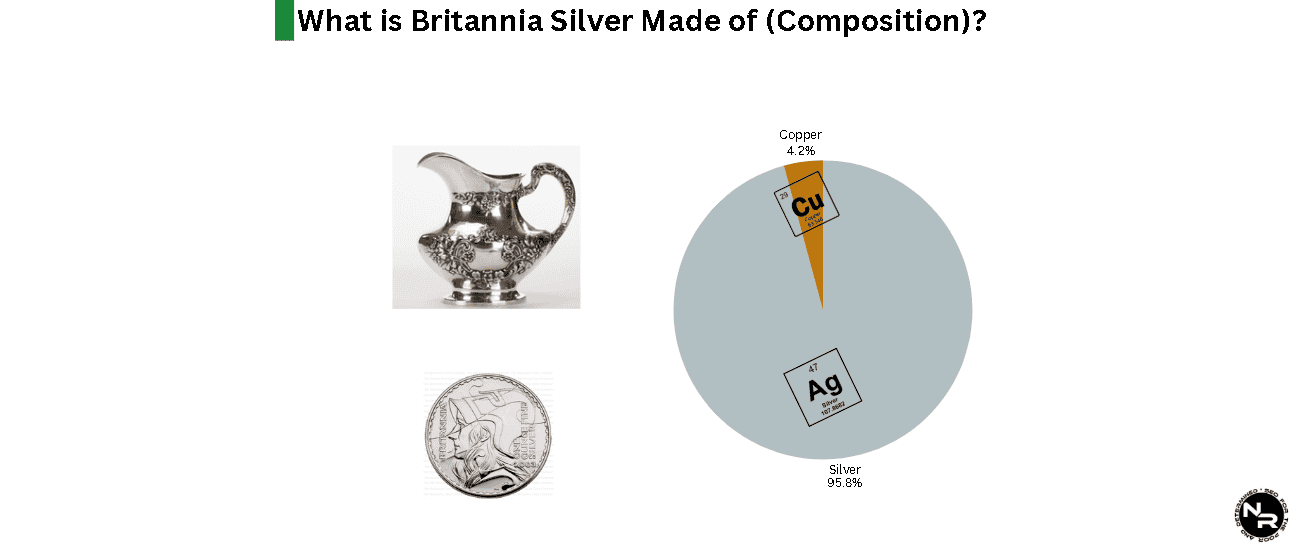
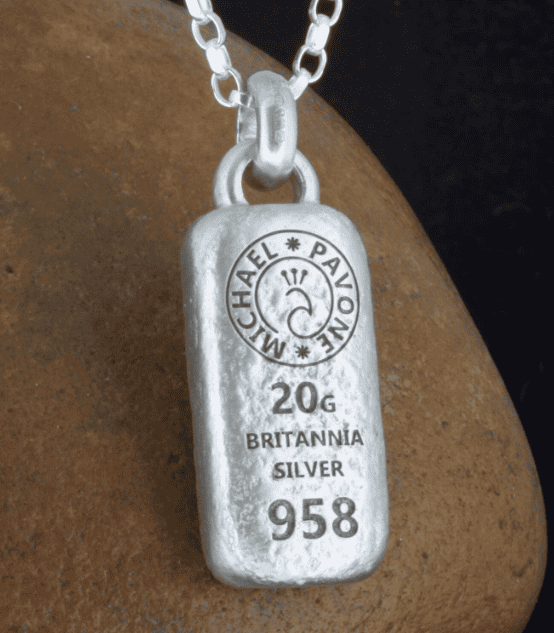
Yes, Britannia silver is a silver alloy.
It contains 95.8% silver and 4.2% copper.
It’s called “Britannia silver” because Britannia (a female personification of Britain depicted as a warrior woman with a trident, shield, and helmet) is often depicted on coins and other items made from this silver alloy.
Britannia silver was once the standard for British coins (until 2012). But now it’s primarily used for high-quality flatware, decorative coins, and other objects.
Is Silver Argentium a Silver Alloy?
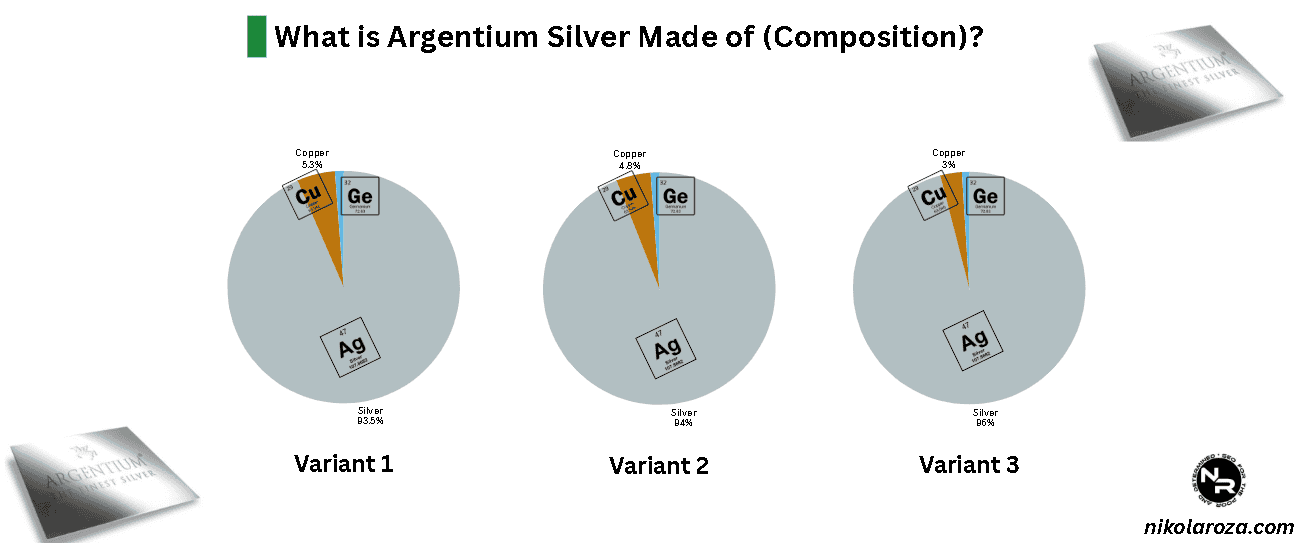
Yes, silver Argentium is a modern silver alloy with a higher silver content (93.5%, 94%, or 96%) and germanium as copper replacement.
Germanium allows for enhanced tarnish resistance and increased strength and durability.
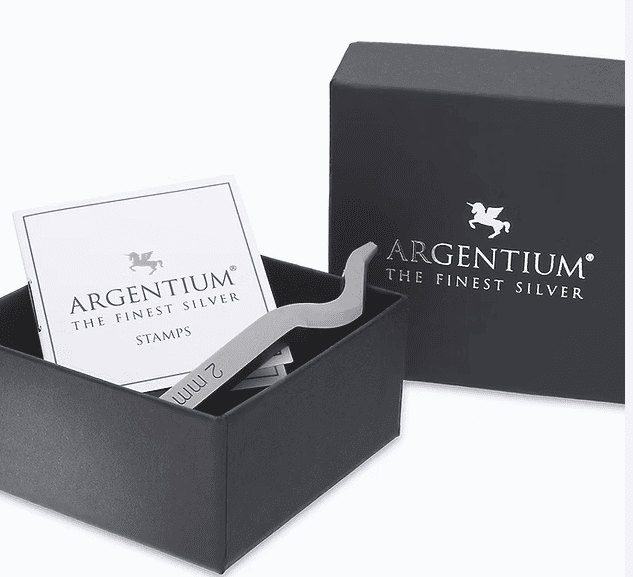
The name “Silver Argentium” comes from the Latin word “argentum,” meaning silver, and the addition of germanium to the alloy.
Is Sterling Silver a Silver Alloy?
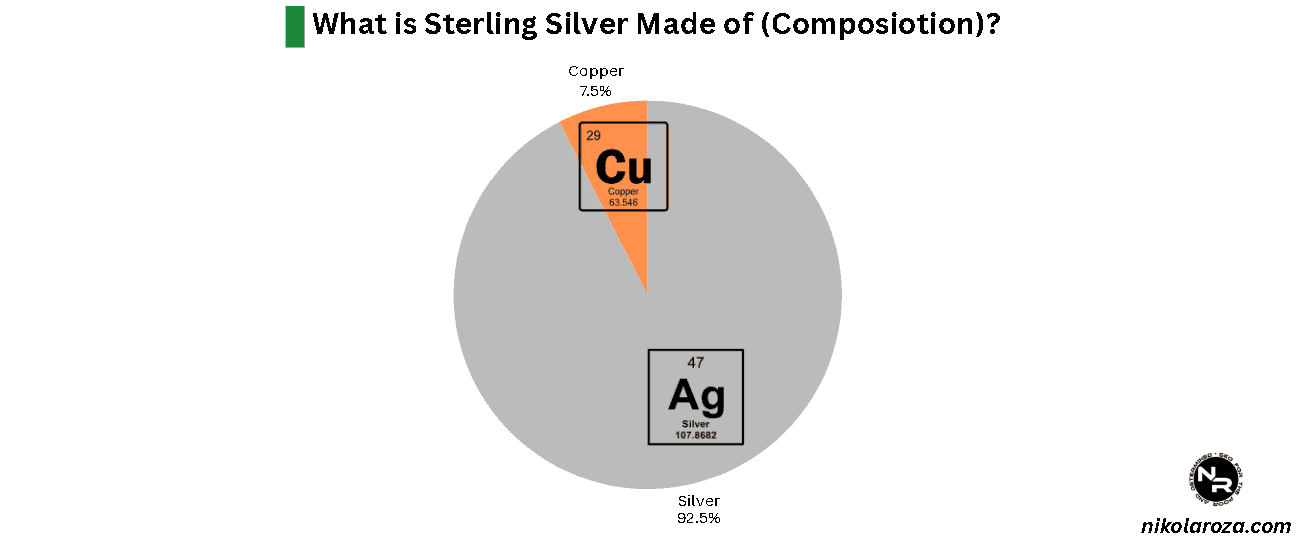
Yes, sterling silver is a silver alloy. It contains 92.5% pure silver and 7.5% other metals, usually copper.
Sterling silver is a high-quality, durable, and malleable metal that’s supremely popular in the jewelry industry. A small portion of global production goes to the sterling silver bullion creation.
Coins, bars and ingots made of sterling silver exist, but are a niche product compared to .999 silver bars.
900 Silver (Coin Silver)
900 silver is a silver alloy that contains 90% silver and 10% other metals, typically copper. 900 silver is called “coin silver” because it was historically used to make coins.
Nowadays 900 silver is no longer used in coinage and this silver alloy can only be found in older coins, vintage jewelry, antique items, and some European silver jewelry.
Is 875 Silver (84 Zolotnik) a Silver Alloy?
Yes, 875 silver is a silver alloy.
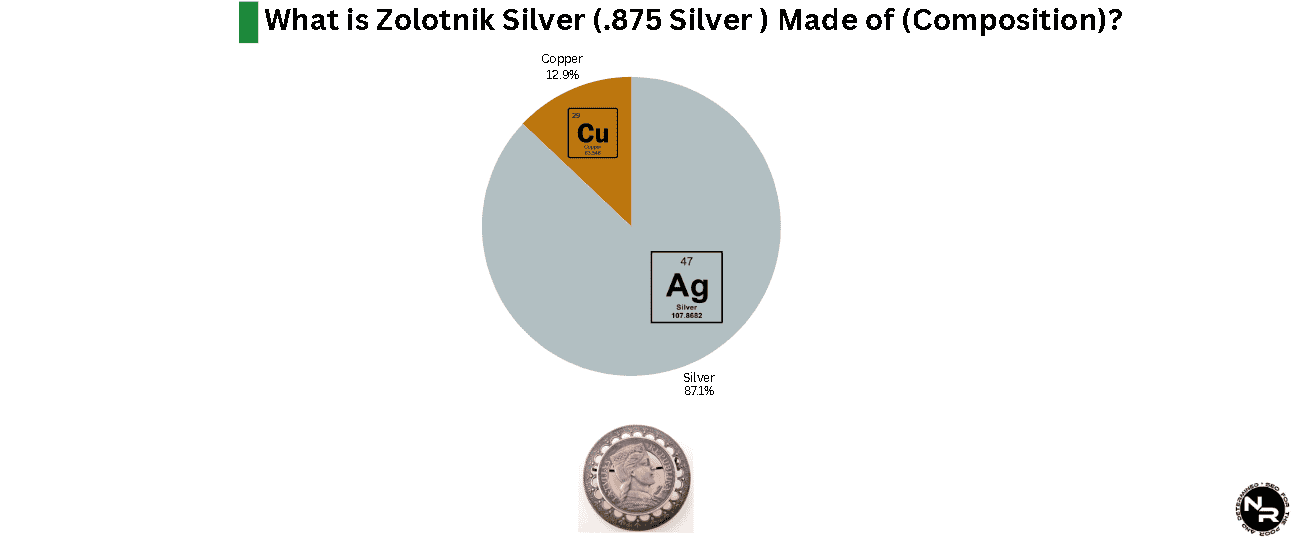
Silver 875 contains 87.5% pure silver and 12.5% copper used to strengthen the alloy.
Silver 875 is a standard used in various countries, particularly in Eastern Europe and especially Russia where it was historically used in jewelry and other decorative items.
875 silver is called “Zolotnik 84” because it comes from a Russian silver purity measuring system where 96 zolotniks represents pure silver (fine silver, .999 purity). Therefore, 84 zolotniks is equivalent to 84/96 (87.5%) of pure silver.
Is Scandinavian Silver a Silver Alloy?
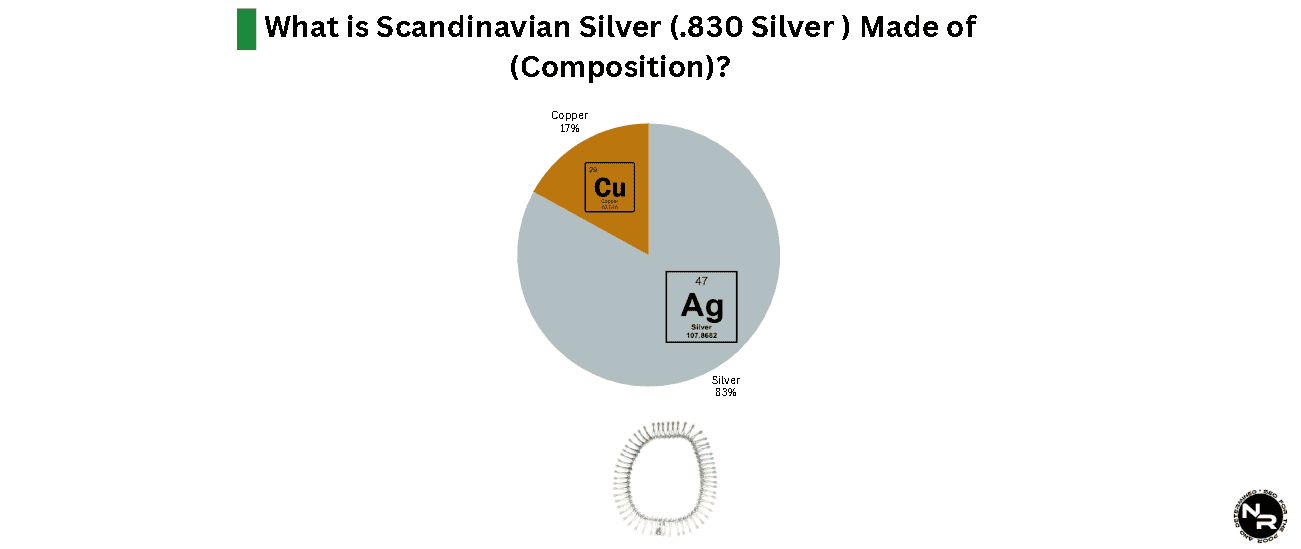
Yes, Scandinavian silver is a silver alloy composed of 83% pure silver and 17% copper.
Scandinavian silver is also called “830 Silver” because of the alloy’s silver:copper ratio.
Scandinavian silver is used to create a wide range of items, including jewelry, serving pieces and tableware. Candlesticks, bowls, and other ornamental items are also produced using Scandinavian silver.
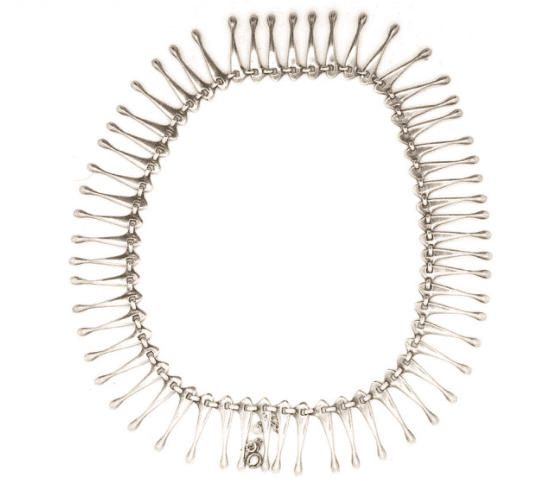
Is 800 Silver a Silver Alloy?
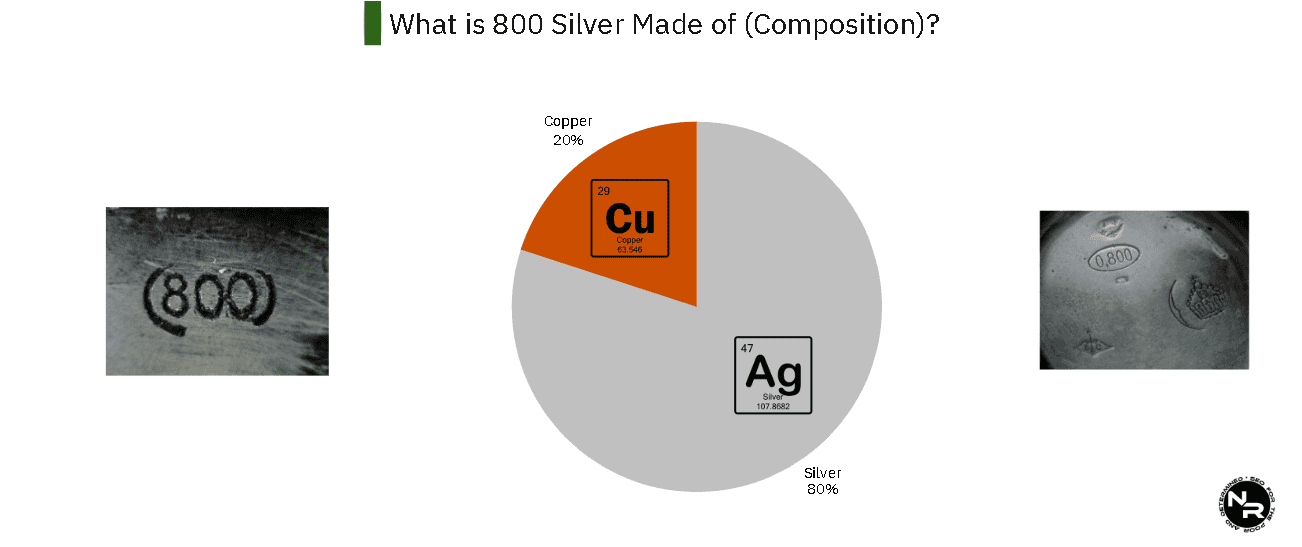
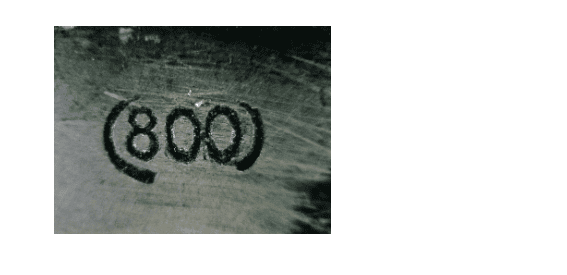
Yes, 800 silver is a silver alloy that contains 80% silver and 20% other metals (usually copper).
800 silver is also called “Continental Silver” and “International Coin Silver”, because it was historically the silver standard used in much of continental Europe, particularly in countries like Germany, Italy, and Holland.
Is Silver Decoplata a Silver Alloy?
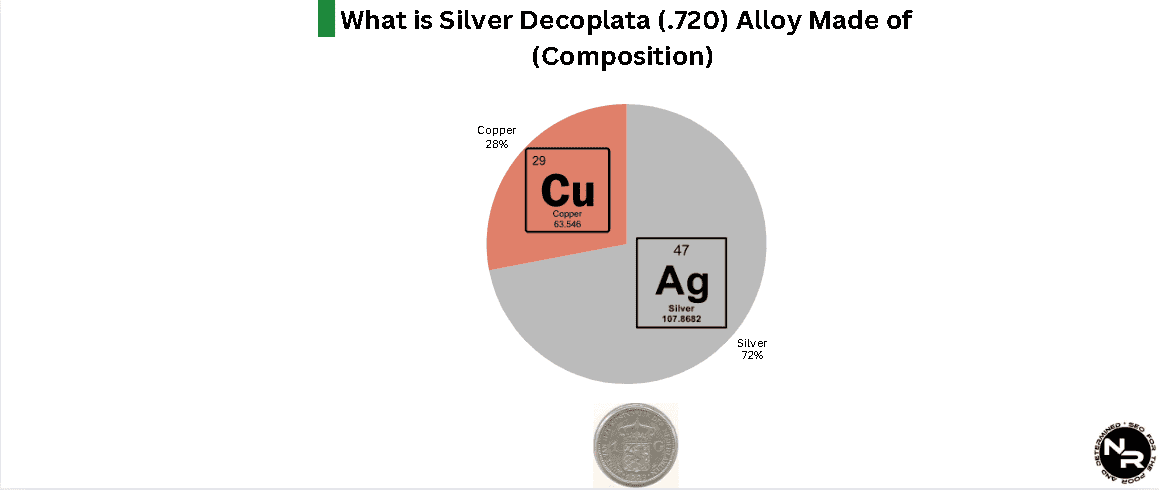
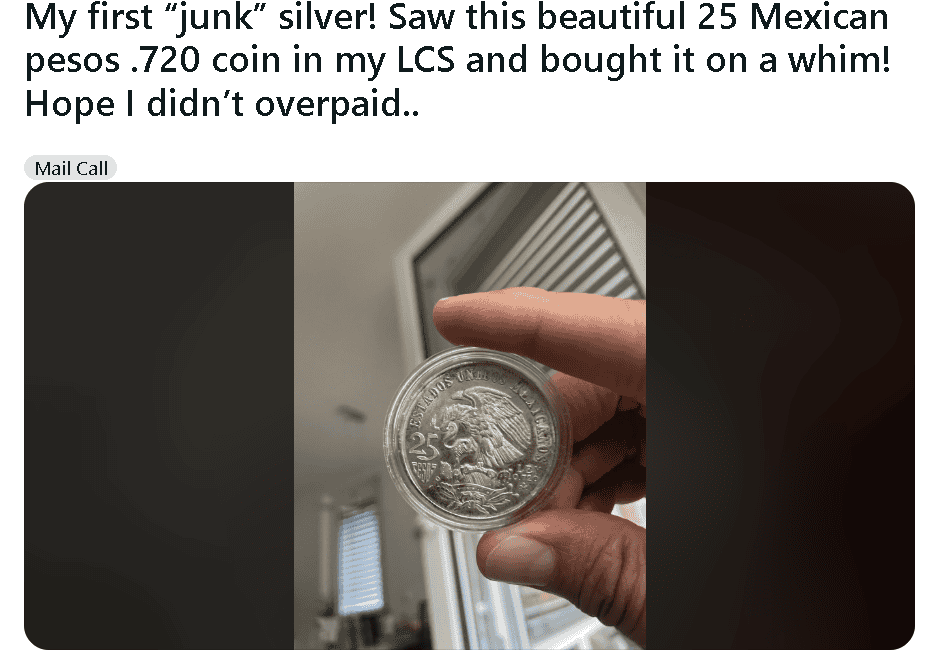
Yes, silver Decoplata (also known as 720 silver) is a silver alloy that contains 72% pure silver and 28% copper.
This silver alloy is primarily associated with coinage, particularly in the Netherlands and Mexico during the mid-20th century. In these countries silver Decoplata was used as a debasement measure to reduce the silver content in coins while maintaining their size.
Silver Decoplata got its name from the Spanish word “de plata” meaning “of silver,” combined with a sense of “deco-” suggesting a decorative or applied use, perhaps due to its historical use in coinage.
Is 500 Silver a Silver Alloy?
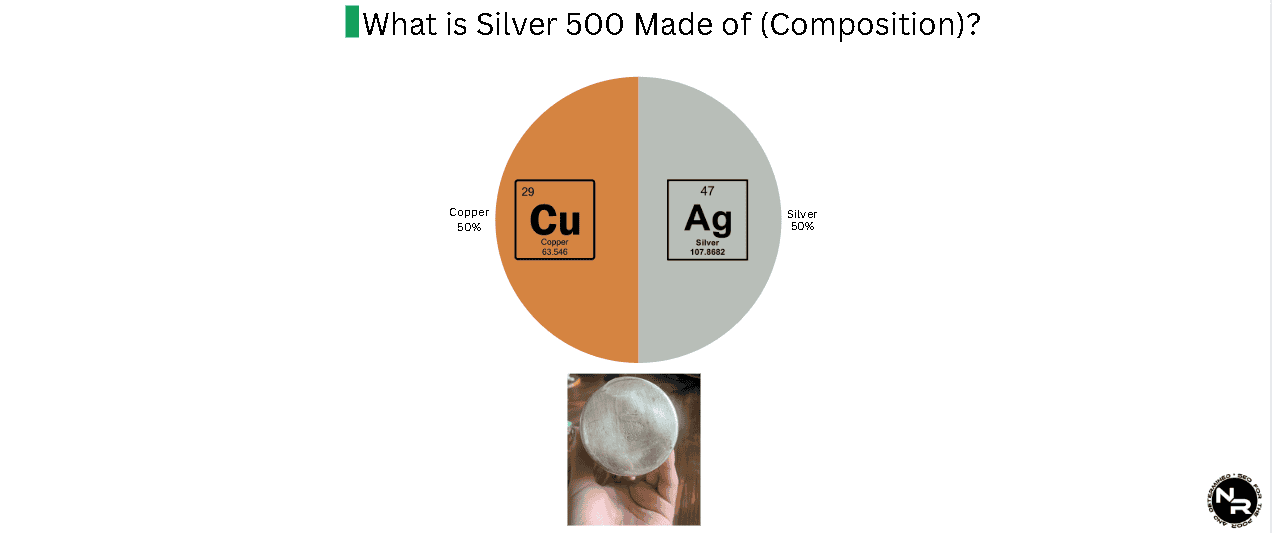
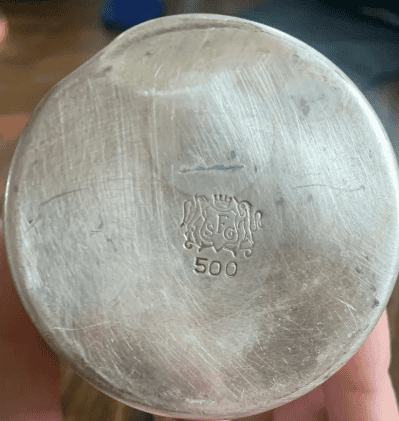
500 silver is a silver alloy that contains 50% silver and 50% copper.
Silver 500 is also known as “Half Silver” because of the exact divide on the middle between pure silver and copper content.
Silver 500 is commonly found in British silver coins produced between 1920 and 1946. It’s also sometimes used in jewelry and other items where silver appearance is desired but the full cost of sterling silver isn’t necessary.
Additionally, 500 silver is considered scrap silver and can be sold for its pure silver content.
Is 999 Silver a Silver Alloy?
No, 999 silver isn’t a silver alloy.
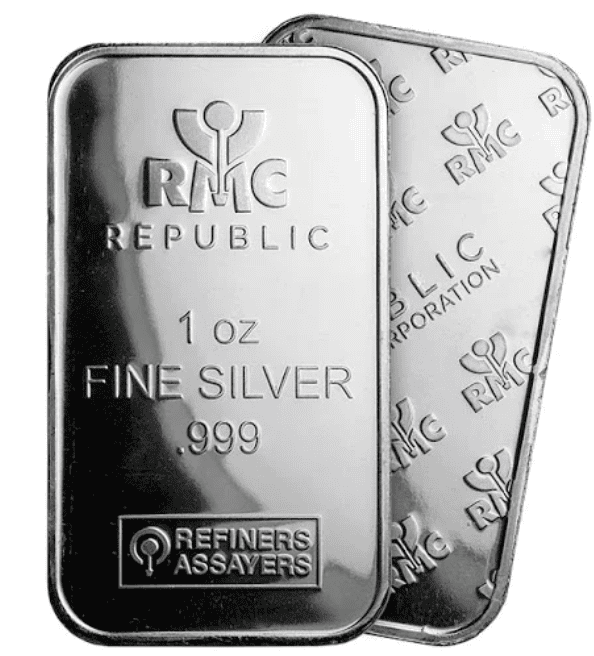
999 silver is the purest silver form available, containing 99.9% pure silver with only 0.1% trace impurities.
999 silver is called “fine silver” because of it’s near 100% silver content.
Nowadays, most silver bullion for investment purposes is made from .999 silver with very limited quantities of this silver type going to jewelry making.
Note: 999 silver is soft, scratches, dents and changes shape easily so fine-silver jewelry is rare and only meant to be worn on special occasions.
Is Nickel Silver a Silver Alloy?
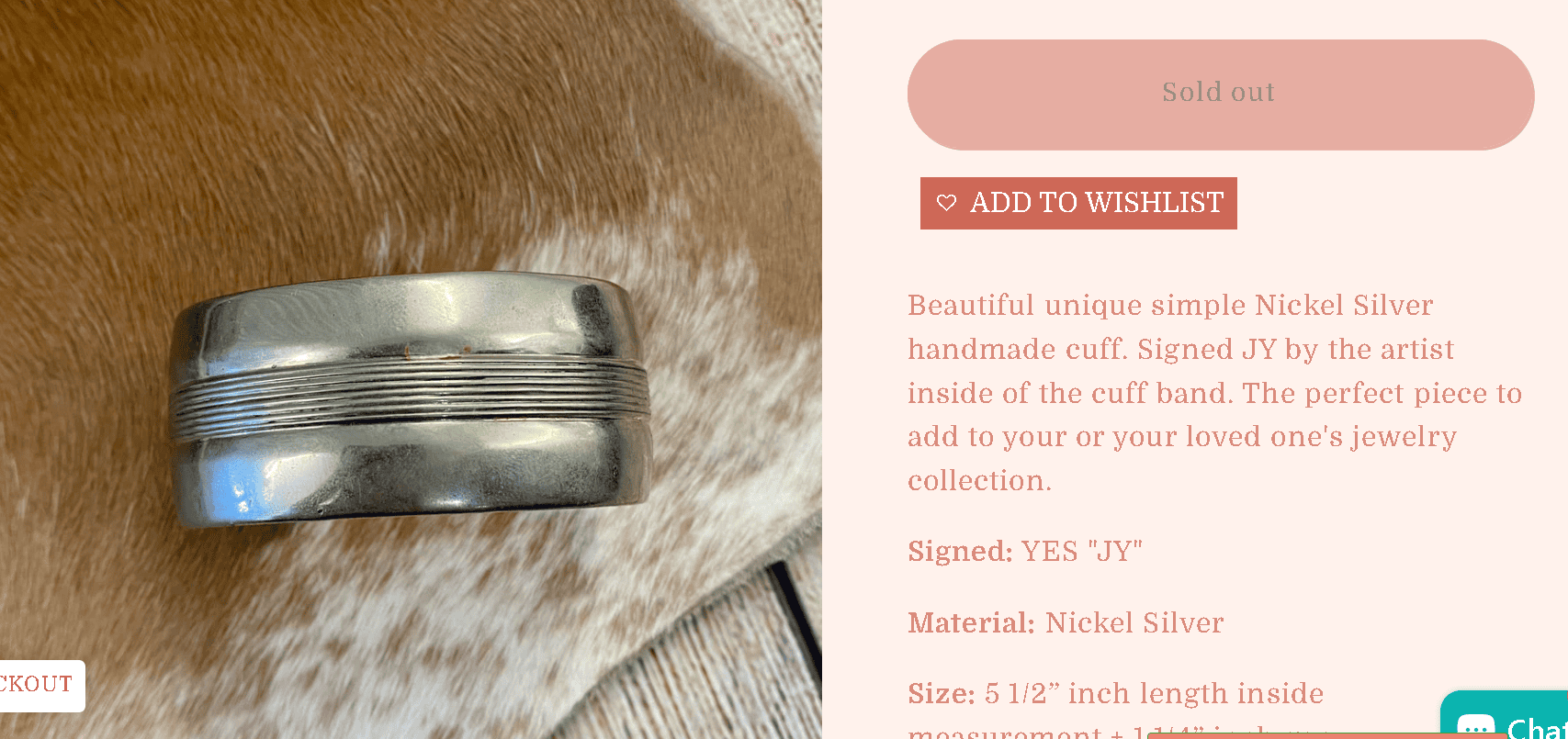
No, nickel silver isn’t a silver alloy.
Nickel silver is a copper alloy that contains 60% copper, 20% nickel, and 20% zinc. However, the proportions can vary, with copper ranging from 50-80%, nickel from 5-30%, and zinc from 10-35%. Some formulations may also include small amounts of lead, tin, or manganese.
Nickel silver’s other names are “Argentan”, “Alpaca” and “German Silver”. Nickel silver is called German Silver because it’s an alloy German metalworkers perfected in the early 19th century, basing it on a Chinese alloy called paktong (or white copper).
Nickel silver is used as a cheap substitute metal for real silver, including jewelry, flatware, musical instruments, decorative items, and as a base metal for silver plating.

Is Horn Silver a Silver Alloy?
No, horn silver isn’t a silver alloy.
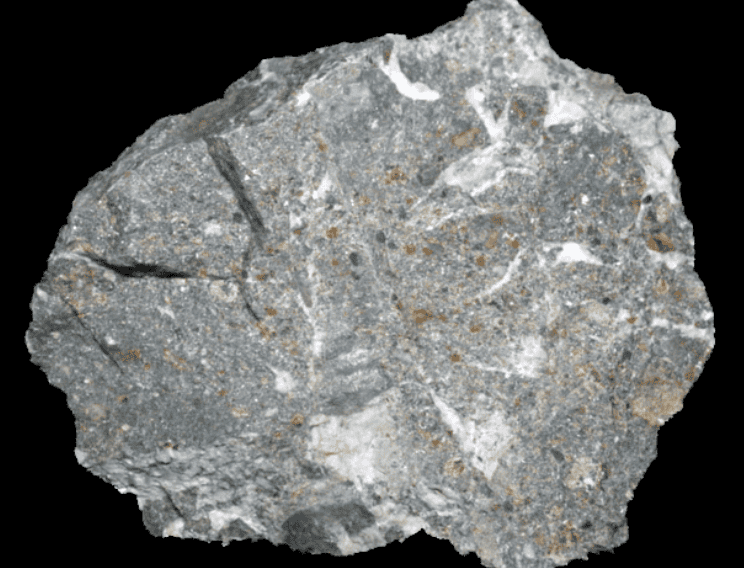
Instead, horn silver is a synonym for the mineral cerargyrite, a halide mineral composed primarily of silver chloride (AgCl).
The name “horn silver” comes from its appearance, which is similar to a cow’s horn due to weathering and polishing by dust and wind.
Horn silver is primarily used as a silver ore.
This means it’s used as a source from which silver is extracted and later refined and molded into various silver items (all types of jewelry, bullion, cutlery…).
Horn silver also has some specific health applications due to its antiseptic and disinfectant properties.
Can Silver Be Alloyed With Gold?
Yes, silver can be alloyed with gold.
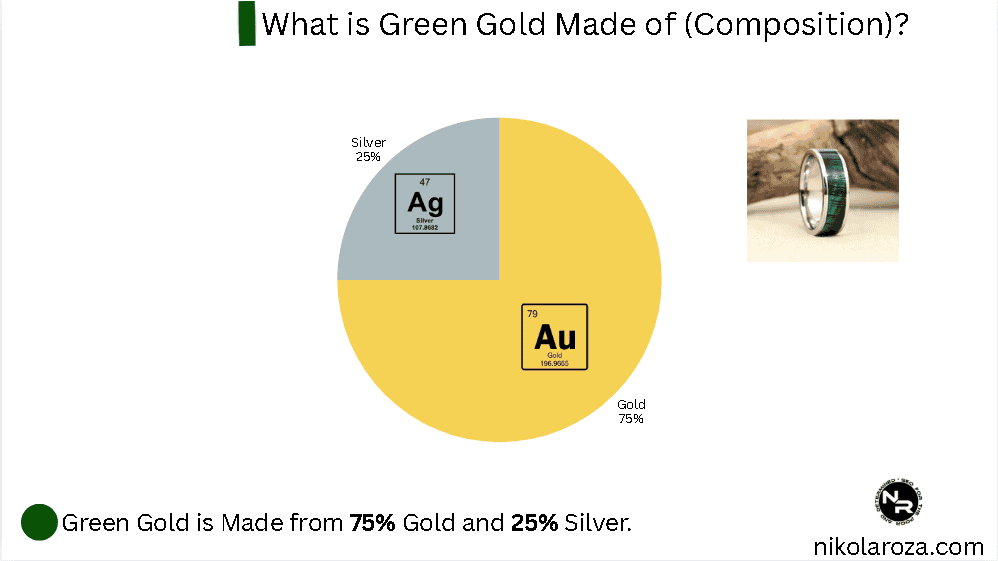
Silver is naturally alloyed with gold in the form of green gold, a silver/gold alloy with greenish hue (see image below).
But, most silver/gold alloys are man-made. Silver is compatible with gold from a metallurgical perspective, meaning they mix well, and the resulting alloys are workable with minimal loss.
There’s silver in various percentages in 5k, 6k, 8k, 9k, 10k, 12k, 14k, 18k, 20k and 22k gold.
Silver is also present in white gold alloy, a gold alloy of yellow gold, silver and palladium and platinum with optional rhodium coating.
Can Silver Be Alloyed With Platinum?
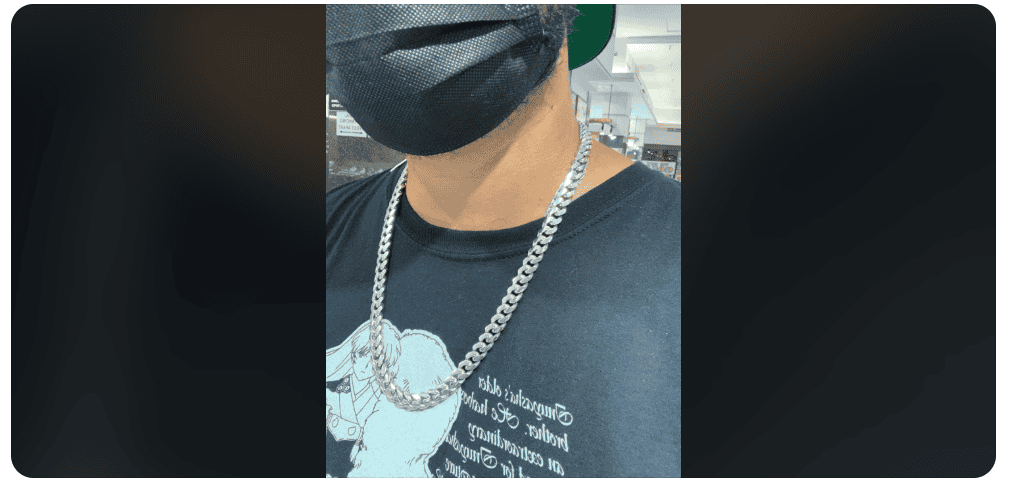
Yes, silver can be alloyed with platinum. The resulting silver alloy is called “Platinum Sterling” or “Sterling Platinum”. The alloy typically contains at least 90% silver and the remainder is platinum as replacement for copper.
Platinum Sterling is known for improved tarnish resistance and hardness compared to regular sterling silver.
Can Silver Be Alloyed With Palladium?
Yes, silver can be alloyed with palladium. Palladium-silver alloys have been used for many years (since the mid-1970s), particularly in electrical contacts and dental applications, and are known to offer a more economical alternative to gold alloys.
Common compositions include 55-60% palladium, 28-30% silver, with additions of indium and/or tin, or a lower palladium (50-55%) with higher silver (35-40%) content, also with tin and little to no indium.
Can Silver Be Alloyed With Rhodium?
Yes, silver can be alloyed with rhodium. However, silver is never alloyed with rhodium for commercial purposes.
Why?
Because rhodium is one of the rarest precious metals in the world and only 1 million ounces are mined every year (compared to 917,123,758 ounces of silver mined per year).
Instead, rhodium is exclusively used for plating silver jewelry items for added shine, strength and durability.
Can Silver Be Alloyed With Ruthenium?
Yes, silver can be alloyed with ruthenium and the resulting alloy is significantly harder and more scratch resistant than pure silver and most other silver alloys.
However, ruthenium is almost never alloyed with silver, except for experimental purposes. It’s because ruthenium is a very rare and expensive metal compared to silver which is much more abundant.
Besides, only 10% of all ruthenium mined during the calendar year is used in jewelry creating, nearly all of it in the form of ruthenium coating over silver, white gold, palladium…
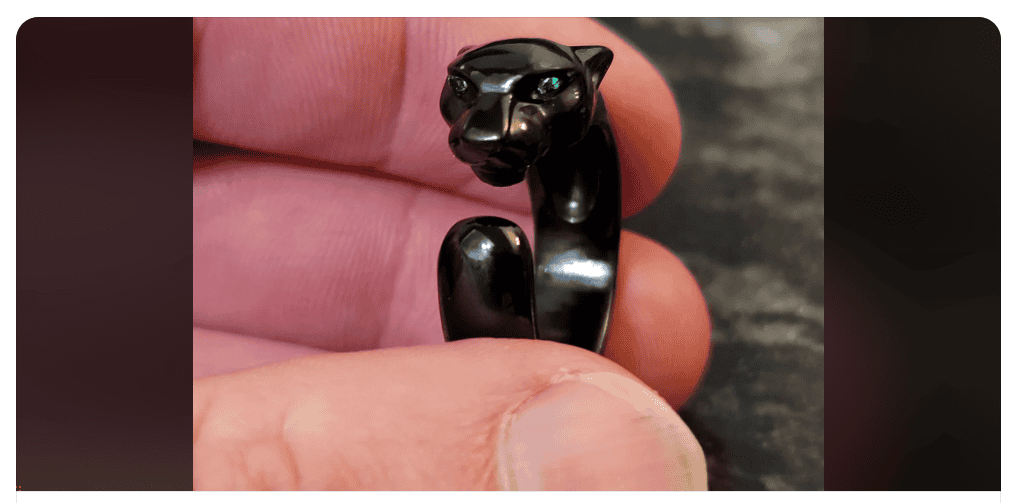
Here’s an example of a ruthenium-coated sterling silver ring.
Can Silver Be Alloyed With Osmium?
Yes, silver can be alloyed with osmium and the resulting alloy is significantly harder and more scratch resistant than pure silver and most other silver alloys.
This is because osmium is the densest naturally occurring element with hardness that’s though to match by any other metal or material (with diamonds being a notable exception).
However, silver and osmium are never alloyed together due to osmium’s scarcity. Namely, only 1-2 metric tons of osmium are mined during a calendar year and only 4% of that amount goes to jewelry design and creation.
So the osmium that’s used in jewelry design is almost exclusively used as coating over other noble metals like silver, platinum and palladium.
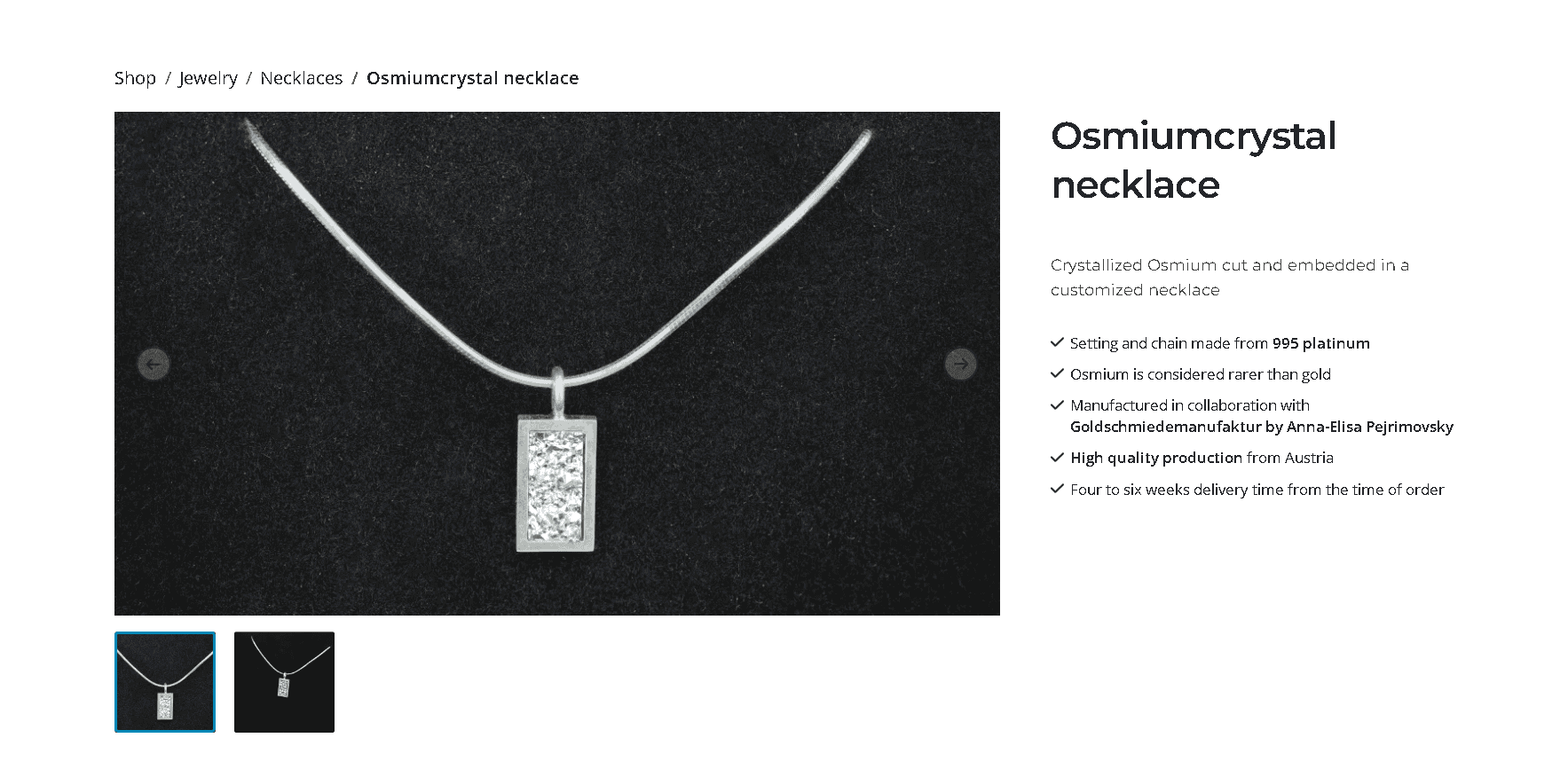
Here’s a rare example of a necklace made from platinum 950 along with osmium crystals. These pieces are custom made to order because osmium is so rare.
Which Silver Alloys are IRA-Approved?
No silver alloy is IRA-approved. IRA-approved silver is silver coins and bars that are least 99.9% pure and that originate from a national government mint or other accredited and government sponsored organizations.
These are organizations like COMEX, NYMEX, NYSE/Liffe/CBOT, TOCOM, LME, LBMA, LPPM, and ISO-9000 or a sovereign mint like for example Royal Canadian Mint.
IRA eligible silver is made from 999 silver, but 999 silver isn’t a silver alloy. Instead, it’s one of the purest silver form possible with 99.9% silver content and 0.1% of trace metal impurities.

Note: Augusta Precious Metals is the best precious metals investment company in the USA. You can get in touch with them to buy the silver bullion you need.
You can purchase silver bullion to keep at your home. Or you can purchase these silver coins and bars to include as part of your silver IRA and have it shipped in a reputable gold IRA depository.

What is a Silver Alloy? Conclusion
A silver alloy combines pure silver with other metals to enhance properties like strength and durability. Common types include Britannia silver (95.8% silver), Sterling silver (92.5% silver – most popular for jewelry), and various lower-purity alloys like 900, 875, 830, 800, 720, and 500 silver, each with specific historical uses in coinage and decorative items.
Silver can be alloyed with precious metals like gold, platinum, and palladium, though rare metals like rhodium and ruthenium are typically used only as coatings due to cost. Pure 999 silver isn’t technically an alloy, containing 99.9% silver with minimal impurities.
References:
- Britannia 958 Silver 20g Pavone Bullion Bar Ingot Pendant on a 20″ Silver Chain- https://www.etsy.com/listing/1797607816/britannia-958-silver-20g-pavone-bullion
- WINGED UNICORN STAMPS- https://www.argentiumguild.com/winged-unicorn-stamps
- Nickel Silver Cuff Signed JY- https://nytexasstyle.com/products/nickel-silver-cuff-signed-jy
- Horn silver ore- https://polmanminerals.com/horn_silver_mine/
- 1 Troy Oz Silver Bar (Hallmark Varies)- https://www.usgoldbureau.com/product/1-troy-oz-silver-bar-hallmark-varies
- My first “junk” silver! Saw this beautiful 25 Mexican pesos .720 coin in my LCS and bought it on a whim! Hope I didn’t overpaid..- https://www.reddit.com/r/Silverbugs/comments/143k0ev/my_first_junk_silver_saw_this_beautiful_25/
- Scandinavian Silver Fringe Necklace- https://www.antiquejewellerycompany.com/au/shop/scandinavian-silver-fringe-necklace/
- The Difference between Silver, Sterling Silver, 900 Silver, 800 Silver, Alpaca, Nickel Silver and Silver Plated Jewelry- https://hunterridgeacquisitions.wordpress.com/2014/06/27/the-difference-between-silver-sterling-silver-900-silver-800-silver-alpaca-nickel-silver-and-silver-plated-jewelry/
- SF Co (500) hallmark – 50% or plate?- https://www.reddit.com/r/Hallmarks/comments/1l5owa5/sf_co_500_hallmark_50_or_plate/
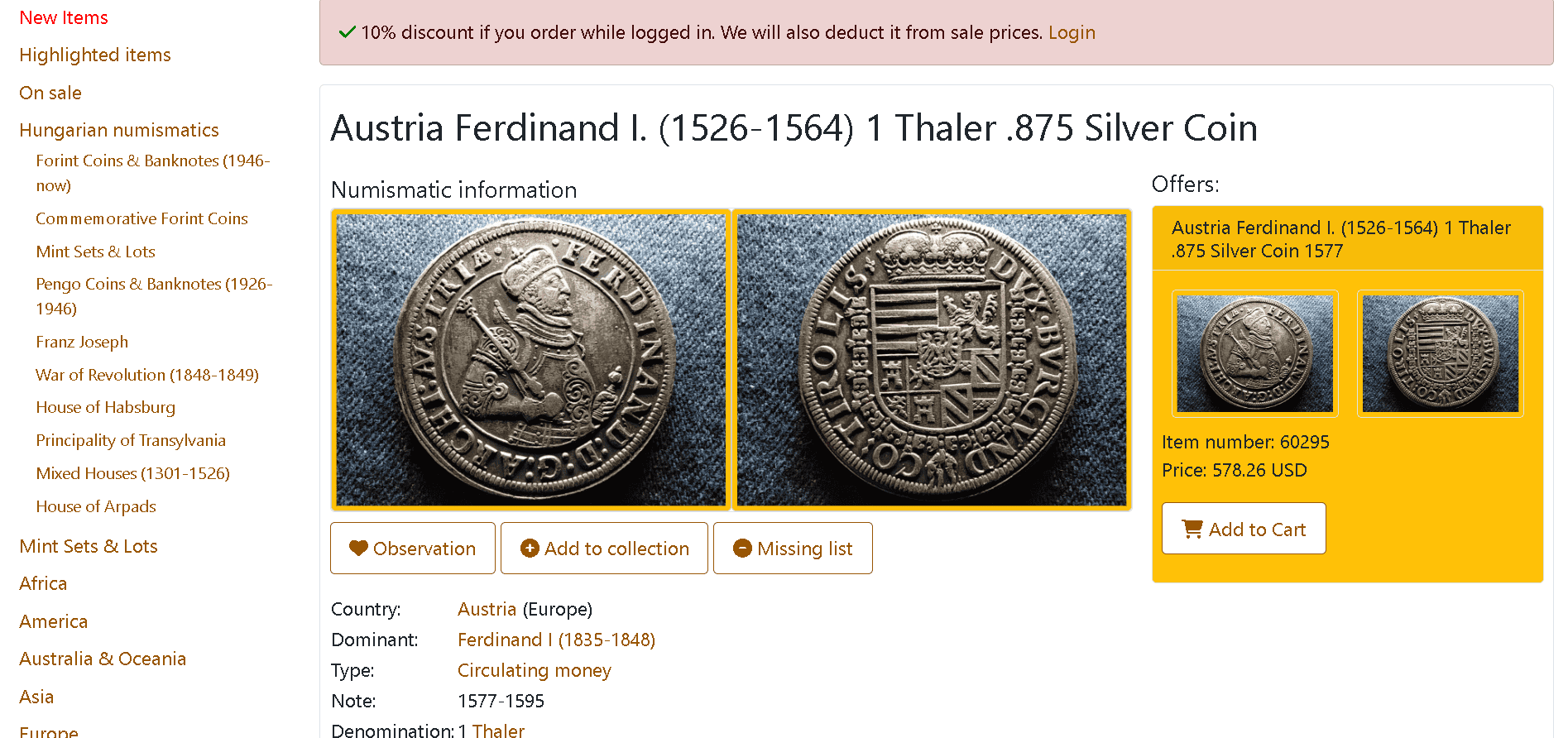
- Austria Ferdinand I. (1526-1564) 1 Thaler .875 Silver Coin- https://numizmarket.hu/en/details/45/6381
- Electrum Mineral Facts- https://nevada-outback-gems.com/mineral_information/Electrum_mineral_info.htm
- Rhodium plated 925 Italy sterling silver. Any tips for keeping it nice and shiny? Also wondering if the price I paid was reasonable. https://www.reddit.com/r/jewelry/comments/p944vx/rhodium_plated_925_italy_sterling_silver_any_tips/
- My first go at black ruthenium plating. Silver plated in palladium, then gold, then black ruthenium. 1.5mm gems- https://www.reddit.com/r/jewelry/comments/t1n3ab/my_first_go_at_black_ruthenium_plating_silver/
- Osmium jewelry: exclusivity and timeless elegance- https://metametals.com/osmium-jewelry

Nikola Roza
Nikola Roza is the owner of Nikola Roza- Everything You Can Learn About Precious Metals. He writes for people who love precious metals and jewelry and who're interested in adding gold, silver platinum and palladium to their retirement portfolios. Nikola is passionate about gold IRAs and investing in multiple asset types for a safer financial future. He also runs a successful online jewelry store where you can buy precious metal jewelry and various replicas of famous coins and bars. Learn about Nikola here.
