What is a Coin Relief (Meaning)? And What is a High Relief Coin?
What is a coin relief?

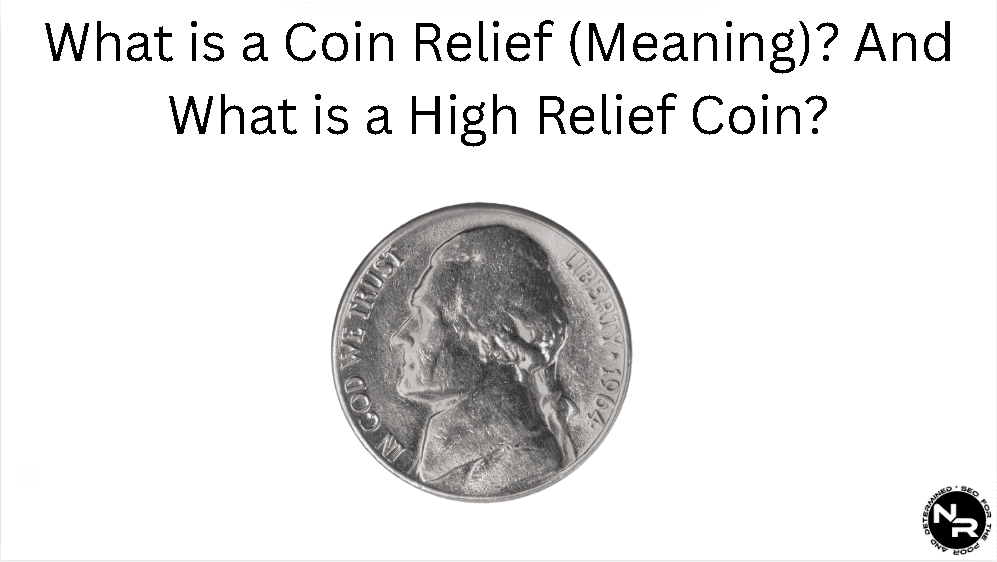
A coin relief is the raised, three-dimensional design on a coin’s surface, as opposed to a flat or incuse design, it’s what makes the imagery and lettering stand out from the background field. High relief coins have designs raised dramatically above the surface, giving them a sculptural, medallion-like look. High relief coins include the Saint-Gaudens … Read more

How to Tell if Gold is Real or Fake at Home? Test Your Gold Coins, Bars and Jewelry (Rings, Necklaces, Chains and any Type of Unmarked Gold)

Seven effective home tests verify gold authenticity. The gold float test checks if items sink (real gold) or float (fake). Magnet testing confirms authenticity as real gold won’t magnetize. Examining gold hallmarks reveals purity: stamps like “GF” (gold filled), “GP” (gold plated), or “GEP” (gold electroplate) indicate non-solid gold. Karat markings (10K-24K) or numbers (.000-1.000) … Read more

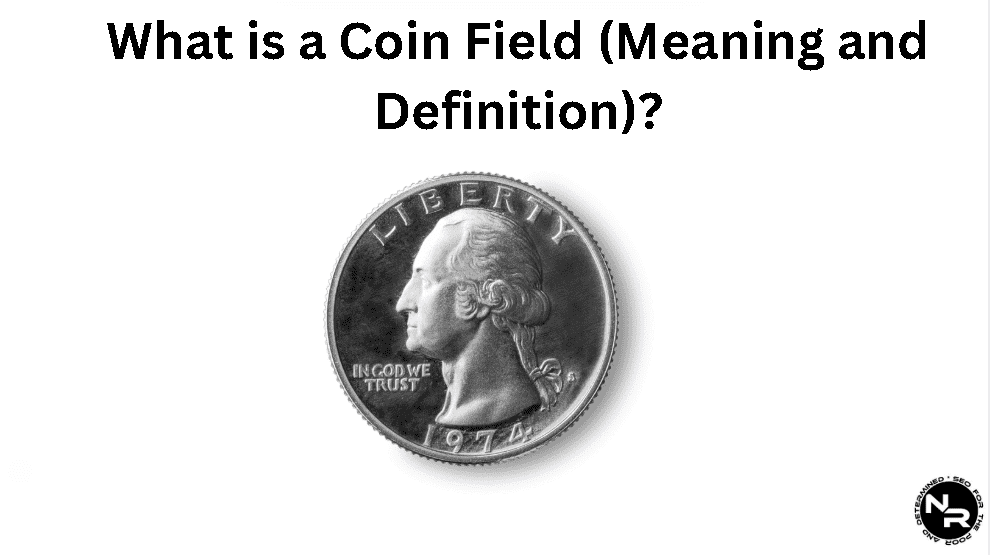
What is a Coin Field (Meaning and Definition)?

What is a coin field?

A coin field is the flat, blank surface area surrounding a coin’s main design, distinct from raised reliefs and inscriptions. It contrasts with the design to enhance visual impact, and is different from both the obverse (front) and reverse (back) sides. Coin field refers specifically to the background area on either side. Coin fields are … Read more

What is a Coin Exergue? Meaning and Details you Don’t Know!

What is a coin exergue?

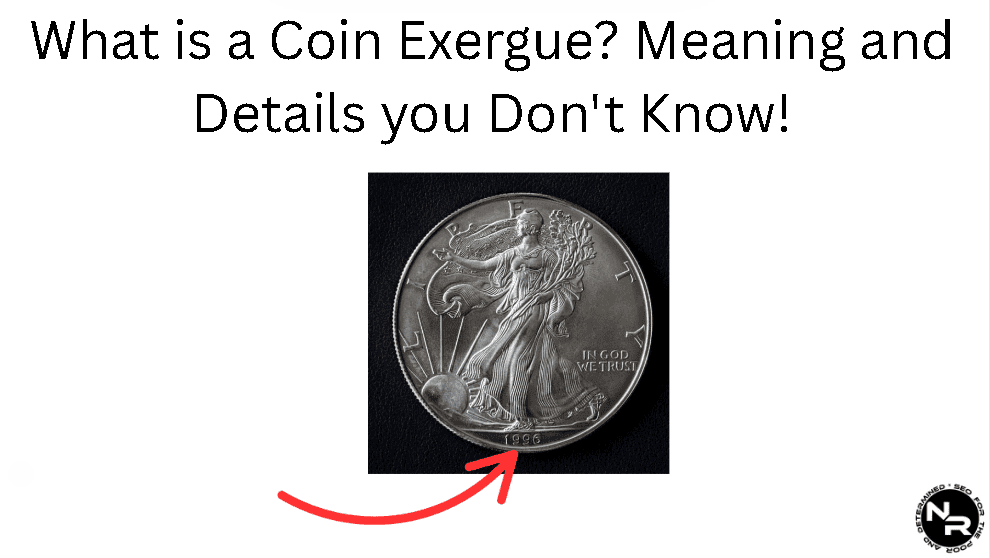
A coin exergue is a specific area on a coin, typically on the reverse side below the main design, used for inscriptions or markings. Coin exergues serves as space for dates, mint marks, privy marks, and other informative details. Three types exist: supraexergue (located at the top), bowed exergue (with curved lettering), and double exergue … Read more

Is Silver Magnetic or Not? Does any Form of Silver Magnetize and Sticks to Magnets?

Is silver magnetic or not?

Silver isn’t magnetic. It’s diamagnetic. Pure silver doesn’t magnetize because of its electronic configuration. Silver atoms have paired electrons with no unpaired electrons, meaning there’s no magnetic dipole moment required for magnetism. Real sterling silver (925 silver), 999 silver, 958 silver, 900 silver, 800 silver, and other silver alloys are all diamagnetic because they contain … Read more

What is a Coin Rim- A Quick and Easy Guide!

What is a coin rim?

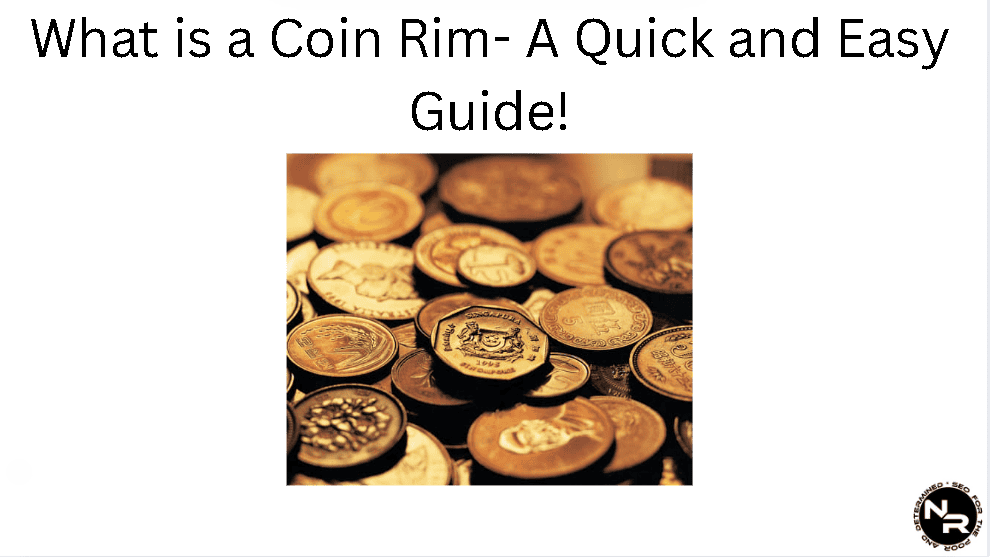
A coin rim is the raised border encircling both sides of a coin, protecting the design from wear while adding visual appeal. It’s distinct from the coin edge, which refers to the coin’s thickness and can be plain, reeded, or lettered. Wide-rim coins have thicker borders for durability and counterfeit deterrence. Not all circulating coins … Read more

What is Fools Gold? What Does it Mean? Is it Real? Is it Magnetic and Hypoallergenic? Does it Tarnish, Corrode and Rust?

What is fool's gold?

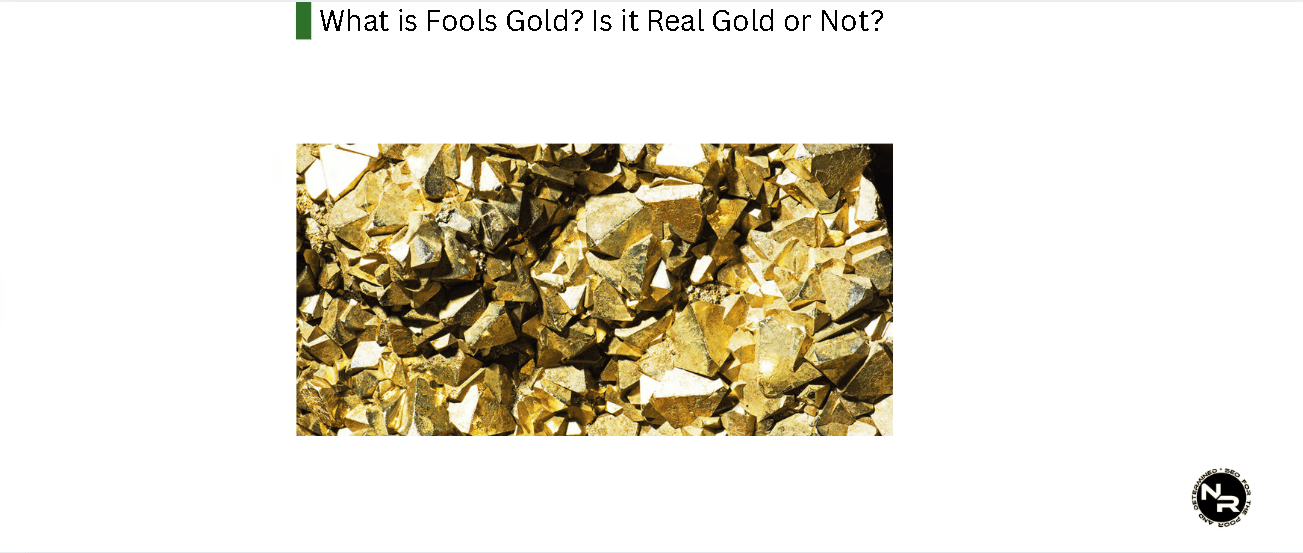
Fool’s gold is a naturally occurring mineral that resembles real gold but has minimal value. Fool’s gold is scientifically known as pyrite (chemical name is iron sulfide, FeS₂). Other names for fool’s gold are brass, brazzle, and brazil, primarily used to refer to pyrite found in coal. While real gold costs over $100 per gram, … Read more

What is a Coin Edge- What Does it Mean and Which Type of a Coin Edge is the Most Effective at Preventing Counterfeiting?

What is a coin edge?

A coin’s edge is the border encircling its circumference, sometimes called “the third side,” and serves both decorative and security purposes. Common types include smooth (plain), reeded (grooved), lettered, decorated, and knurled edges. Reeded edges are the most effective at preventing counterfeiting and coin clipping. This is why U.S. dimes and quarters feature reeding. Coin … Read more

White Gold Patina- What Does it Mean and What Does White Gold Patina Look Like?

White Gold Patina- What Does it Mean and What Does White Gold Patina Look Like?

White gold patina is a natural change in appearance that happens as the rhodium plating on white gold jewelry wears away, revealing the warmer, yellowish tone of the underlying gold alloy. This differs from tarnish, which is undesirable oxidation. White gold patination is simply the plating fading, and some people like the look while others … Read more