Is Silver Magnetic or Not? Does any Form of Silver Magnetize and Sticks to Magnets?

Is silver magnetic or not?

Silver isn’t magnetic. It’s diamagnetic. Pure silver doesn’t magnetize because of its electronic configuration. Silver atoms have paired electrons with no unpaired electrons, meaning there’s no magnetic dipole moment required for magnetism. Real sterling silver (925 silver), 999 silver, 958 silver, 900 silver, 800 silver, and other silver alloys are all diamagnetic because they contain … Read more

Is Gold Magnetic? When and is it Really Possible to Magnetize Different Types of Gold (9K, 10K, 14K, 18K, 24K, White Gold, Rose Gold…)

Is real gold magnetic?

Real gold isn’t magnetic, it’s diamagnetic. This means gold has a weak repulsive force to magnets. Pure 24k gold cannot be magnetized because its atoms prevent unpaired electrons from forming, which are necessary for magnetism. However, gold alloys become magnetic when mixed with ferromagnetic metals like iron, nickel, or cobalt. Lower karat gold (5k-14k) is … Read more

How To Tell If Platinum is Real or Fake? Simple Home Tests to Test Platinum Coins, Bars and Jewelry (Rings, Earrings, Necklaces, Chains, Bracelets…)

Several reliable home tests can verify platinum authenticity. The most effective methods include nitric acid testing (authentic platinum won’t react), hydrogen peroxide testing (real platinum causes vigorous bubbling), and magnet testing (pure platinum is non-magnetic). Ice testing also works because platinum’s high thermal conductivity melts ice rapidly, while water testing confirms genuine platinum won’t tarnish. … Read more

Platinum Hallmarks: What Do These Stamps and Markings Mean?

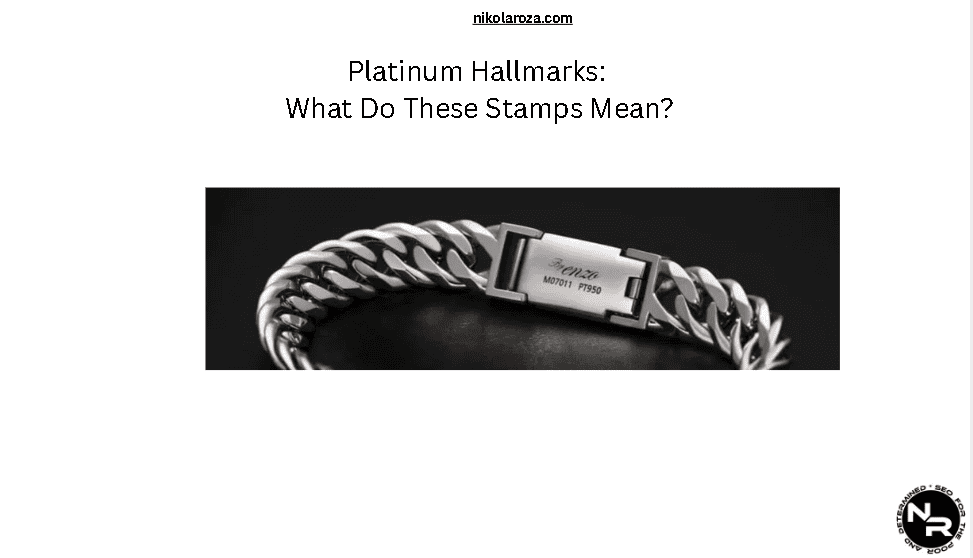
Platinum Hallmarks: What Do These Stamps and Markings Mean?

Platinum hallmarks are official stamps certifying purity (parts per thousand) in jewelry and other objects. They commonly indicate 950 (95% pure, standard for fine jewelry), 900, 850, or 999 (99.9% pure, for bullion). Not all platinum is hallmarked, especially antique or very small pieces, or large investment-grade bullion. Platinum hallmarks are often inconspicuous and hidden … Read more

1878 Morgan Silver Dollar: What’s the Value of This Famous Silver U.S. Coin?

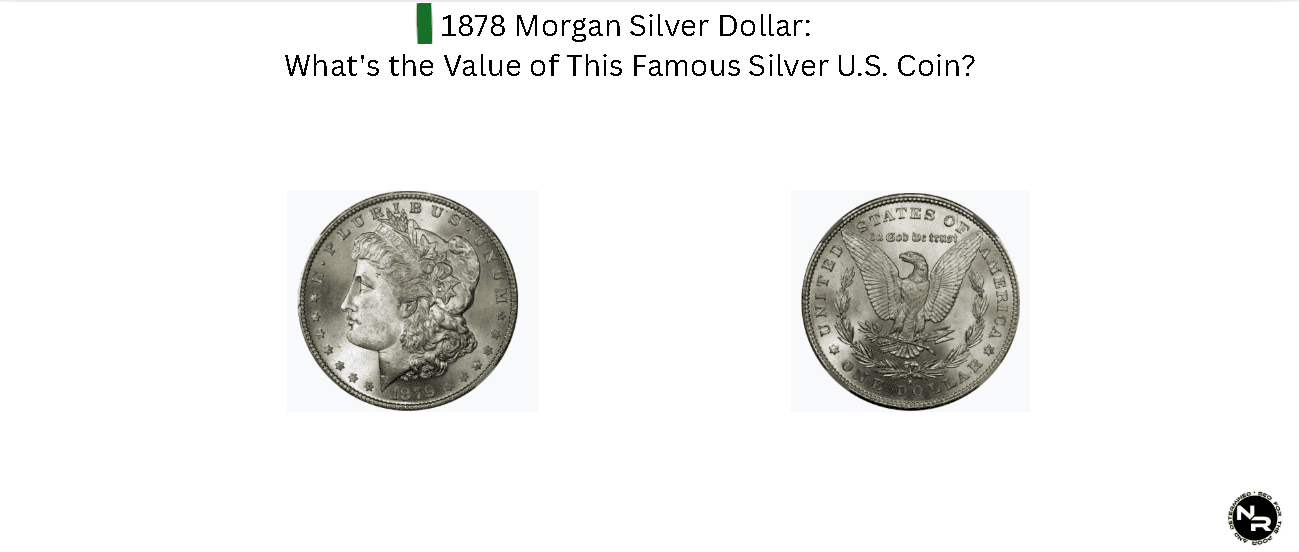
1878 Morgan Silver Dollar: What's the Value of This Famous Silver U.S. Coin?

The 1878 Morgan Silver Dollar is the inaugural coin of this famous U.S. series, minted under the Bland-Allison Act. Composed of 90% silver and 10% copper, each coin weighs 26.73 grams and contains 0.7734 troy ounces of pure silver. Three mint branches produced these coins: Philadelphia (no mint mark), San Francisco (S), and Carson City … Read more

2000-P Sacagawea Dollars- Are These Coins Rare and What’s They True Value?

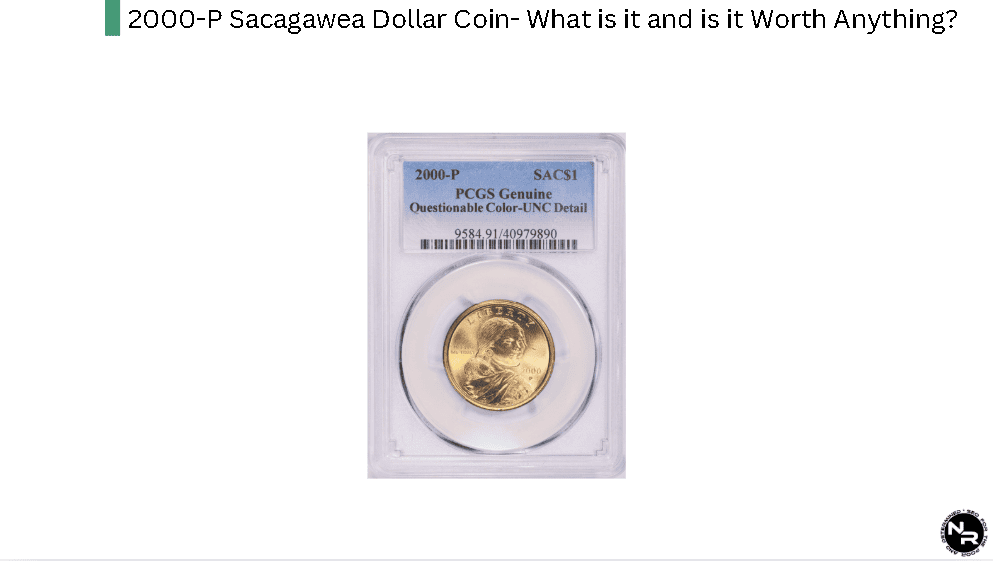
2000-P Sacagawea Dollars- Are These Coins Rare and What's They True Value?

The 2000-P Sacagawea Dollar was minted in Philadelphia with a high mintage of over 767 million. Today it’s typically worth its $1 face value (except uncirculated standard coins which fetch up to $3) as it’s a very common coin made from a standardized Sacagawea Dollar metal alloy. However, extremely rare error coins and special editions, … Read more

Sacagawea Dollar Coins Without Dates- What are These and are These Coins Valuable?

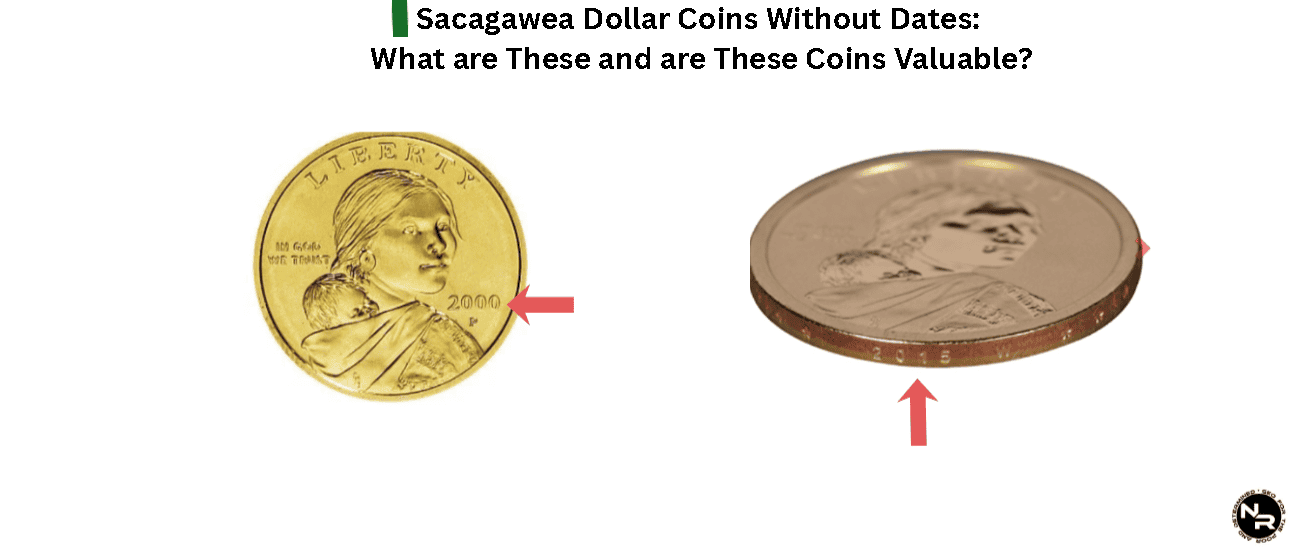
Sacagawea Dollar Coins Without Dates- What are These and are These Coins Valuable?

Sacagawea dollars without visible dates fall into two categories. Most are Native American dollars (2009-present) where dates and mint marks are intentionally moved to the coin’s edge. These coins are worth only their face value of $1. However, true no-date Sacagawea coins exist and these specimens are extremely rare and valuable to numismatists because the … Read more

Sacagawea Dollar Coin Errors- What are These? Are They Rare and Do These Mistakes Make Sacagawea Dollars More Valuable?

Sacagawea Dollar coins with errors are rare production mistakes that are highly sought-after and valuable collector’s items. Examples of valuable errors include mule coins (like the 2000-P Sacagawea/Quarter and Sacagawea/Presidential Dollar), the 2000-P “Wounded Eagle” variety, and coins struck on incorrect planchets (like the Susan B. Anthony or Lincoln Cent planchets). These rare minting mistakes … Read more