How to Tell if Osmium is Real or Fake? Simple and Free Tests You Can Do at Home!

Osmium is difficult to test for authenticity at home because of its exceptional chemical stability and hardness. Common household methods involving water, vinegar, hydrogen peroxide, magnets, iodine, toothpaste, erasers, bleach, alcohol, lemon juice, baking soda, or sound can’t reliably verify whether osmium is real or pure. Heating osmium with a flame is especially dangerous because … Read more
How to Tell if Ruthenium is Real or Fake? Tests You Can Do at Home!

Testing ruthenium at home isn’t a reliable way to determine authenticity. The most accurate method is professional X-ray fluorescence (XRF) analysis, which identifies the metal’s elemental composition and purity without causing damage. Household tests using water, vinegar, hydrogen peroxide, alcohol, lemon juice, baking soda, toothpaste, iodine, magnets, multimeters, fire, sound, or erasers can’t confirm whether … Read more

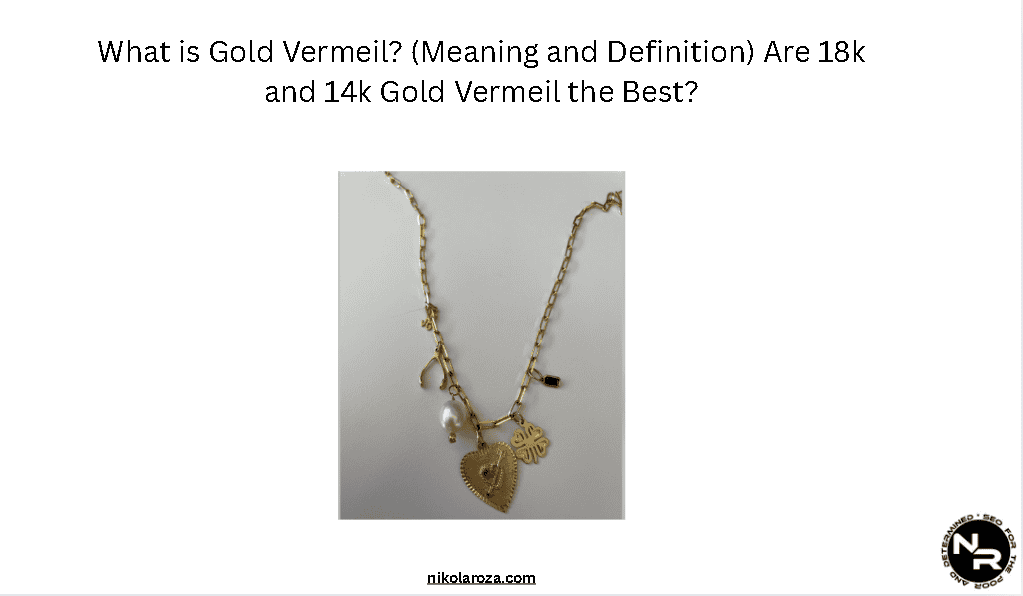
What is Gold Vermeil? (Meaning and Definition)

What is Gold Vermeil? (Meaning and Definition)

Gold vermeil is a high-quality jewelry material consisting of a thick layer of gold electroplated over a sterling silver base. To qualify as genuine gold vermeil, the gold must be at least 10 karats and a minimum of 2.5 microns thick. Gold vermeil offers better durability and a more luxurious appearance compared to standard gold-plated … Read more

Does Gold Tarnish or Not (Including Info on Tarnishing Gold Jewelry, 18K Gold, 14K, 9K…)? Does it Rust, Corrode and Oxidize?

Does gold tarnish or not?

Gold tarnishes over time due to a combination of moisture, oxygen, sulfur compounds and other metals pure gold is alloyed with. The higher the karat of gold, the less likely it’s to tarnish. For example, 18-karat gold rings take longer to tarnish because of their higher yellow gold content. And pure 24-karat gold is non-reactive … Read more

What is Platinum 850? Is it Real and What is its Worth?

Platinum 850 is a platinum alloy containing 85% pure platinum and 15% other metals like palladium or copper. Platinum 850 is less pure than platinum 950 or 900, but it’s still a high-quality, more affordable option for jewelry making. This alloy is paramagnetic (not magnetic), hypoallergenic, and offers good durability and scratch resistance. The value … Read more

What is Platinum 900? Is it Real and What is its Worth?

Platinum 900 is an alloy containing 90% pure platinum and 10% other metals like ruthenium or iridium, added for enhanced durability and workability. It’s popular for jewelry, especially engagement and wedding rings, offering a balance of purity, strength, and cost. The alloy is non-magnetic (paramagnetic) and hypoallergenic, making it suitable for most people. While no … Read more

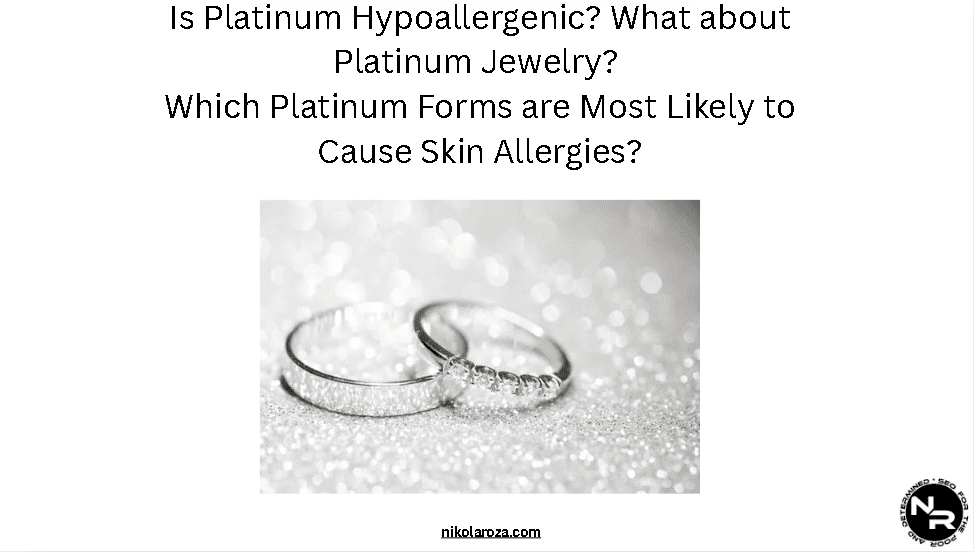
Is Platinum Hypoallergenic? What about Platinum Jewelry? Which Forms of This Precious Metal are Most Likely to Cause Skin Allergies?

Is platinum hypoallergenic?

Is platinum hypoallergenic or allergenic? What about platinum jewelry? Is it hypoallergenic and safe? What about platinum vermeil and platinum-plated jewelry? Which platinum forms are the safest? Conversely, which are the most dangerous? Is Platinum Jewelry Hypoallergenic? Is it Safe for People With Skin Allergies? Yes, platinum jewelry is hypoallergenic. It is safe for most … Read more

Home Storage Gold IRAs: Do They Exist and Are They Legal? Rules, Risks, and Safer Alternatives Explained!

Home storage Gold IRAs aren’t a legal, IRS-compliant retirement option because the IRS requires IRA-owned precious metals to be held by an approved custodian and stored in an authorized depository. Promoters advertising home storage or checkbook Gold IRAs mislead investors and expose them to taxes, early withdrawal penalties, and loss of IRA tax advantages. A … Read more

Is 925 Sterling Silver Hypoallergenic? Or is it Allergenic?

is 925 sterling silver hypoallergenic

Is Pure Sterling Silver Hypoallergenic or Allergenic? Pure sterling silver is hypoallergenic. It’s not allergenic. But, pure sterling silver is a misnomer. Sterling silver is pure because sterling silver is always an alloy of 92.5% pure silver and 7.5% of copper. 100% pure silver exists, but it isn’t sterling silver. Pure silver is never used … Read more

Platinum Iridium Alloy- What is it? How and When is Platinum/Iridium Used?

Platinum-iridium alloy combines 90-95% platinum with 5-10% iridium, creating a material prized in jewelry for its enhanced hardness, strength, and durability while maintaining platinum’s luster and chemical stability. This platinum alloy is paramagnetic (weakly attracted to magnets) and generally hypoallergenic, though rare allergic reactions can occur. It’s commonly used in wedding rings and high-end jewelry … Read more