Disclosure: Some of the links you’ll encounter are unique links. Click and buy something and I’ll earn some money, at zero expense to you. Thank you!
Palladium in solid form isn’t toxic and radioactive to humans and is safely used in jewelry, dental applications, and investment bullion.
However, certain palladium compounds are highly toxic. These are palladium salts (ionic forms), palladium chloride and palladium nanoparticles.
Palladium jewelry and bullion are completely safe as they contain solid palladium. Pure palladium flakes can be eaten like pure gold and platinum flakes, though they’re tasteless, indigestible and pass through the system unchanged and unabsorbed.
Here’s an awesome quiz about palladium’s toxicity properties.
Is Palladium Toxic to Humans? Or is it Safe?
No, palladium isn’t toxic to humans, it’s a safe.
Palladium is a noble metal widely used for investment and jewelry purposes, and in biomedical and dental applications thanks to its biocompatibility and corrosion resistance.
Solid palladium isn’t dangerous to human body and health, but some palladium forms are toxic if inhaled and ingested.
Which Palladium Forms are Deadly and Toxic to Humans? And Which are Safe?
Deadly and toxic palladium forms to humans are listed below.
- Palladium Salts (Ionic Forms). All palladium salts are highly toxic. The ionic form (Pd²⁺ and Pd⁴⁺) interacts with biological substances like proteins and DNA, and causes significant harm within the body on a molecular level.
- Palladium Chloride. Palladium Chloride is harmful when swallowed, inhaled, or absorbed through the skin. In laboratory animals, it’s been shown to cause damage to the bone marrow, liver, and kidneys.
- Hexachloropalladate salts. These salts have also demonstrated toxicity in studies, causing cell viability issues and other immune system effects.
- Palladium Nanoparticles (PdNPs). Palladium nanoparticles at sufficiently high concentrations cause mitochondrial damage, oxidative stress, and cell death.
- Fake palladium. Any type of fake palladium is potentially toxic because you don’t know what you’re ingesting.
The toxic palladium forms listed above are rare and you’ll probably never encounter them in your day to day life. Except if you’re a chemist.
The symptoms of palladium poisoning including nausea, vomiting, abdominal pain, diarrhea, headache, dizziness, difficulty breathing, chest pain, and skin irritation.
Check this out next after reading my palladium toxicity and radioactivity guide. Especially important if you’re an American with a keen interest in the economy.
Is Palladium Toxicity the Same as Palladium Allergies?
No, palladium toxicity and palladium allergies aren’t the same.
Toxic palladium forms like palladium salts and nanoparticles are dangerous and harmful to humans, whereas palladium allergies are relatively rare (<5% of the population) and most people aren’t allergic to palladium.
This means you can be allergic to palladium and still be poisoned by it. It also means you can be immune to palladium’s allergenic properties and still be poisoned by palladium salts and its nanoparticles.
Don’t mix palladium’s toxicity properties with its allergenic properties. They’re not the same thing.
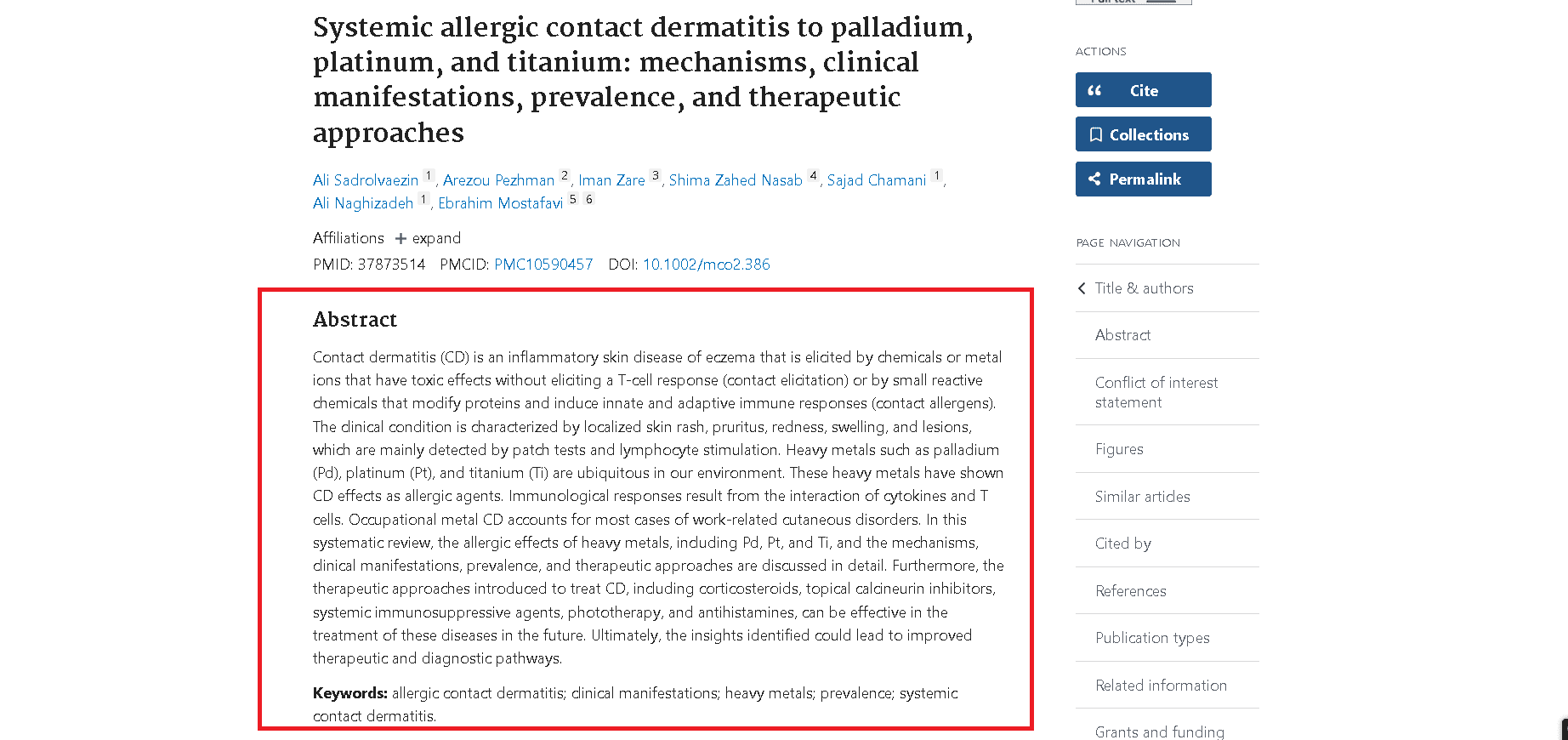
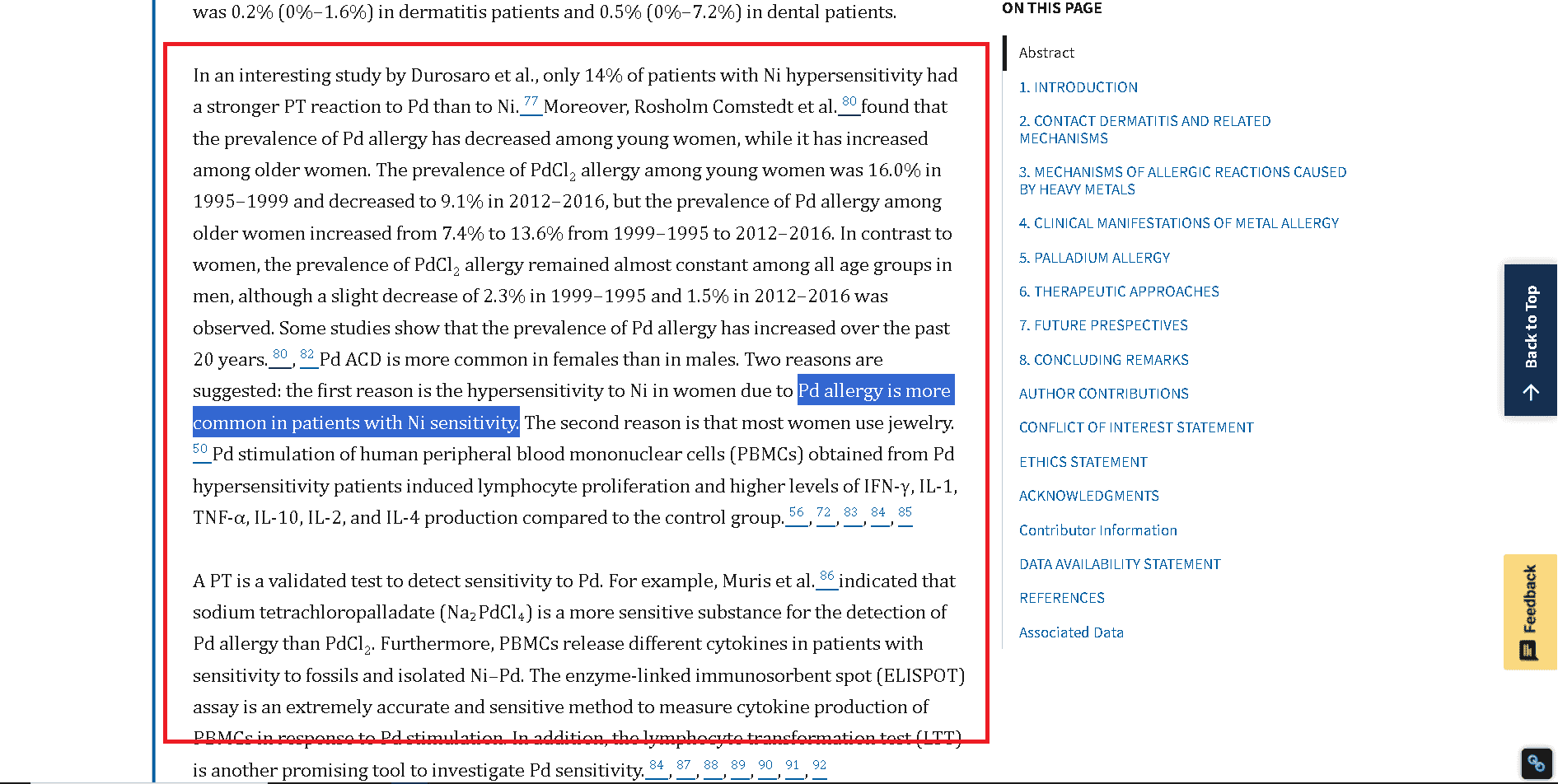
Remember that people allergic to nickel are more likely to be allergic to palladium. This cross-reactivity happens because nickel and palladium are chemically similar as they’re in the same group (Group 10) of the periodic table.
However, not everyone allergic to nickel is going to have palladium allergies.
Check this out next after reading my palladium toxicity and radioactivity guide. Especially important if you’re an American with a keen interest in the economy.
Is Palladium Jewelry Toxic to Humans or Not?
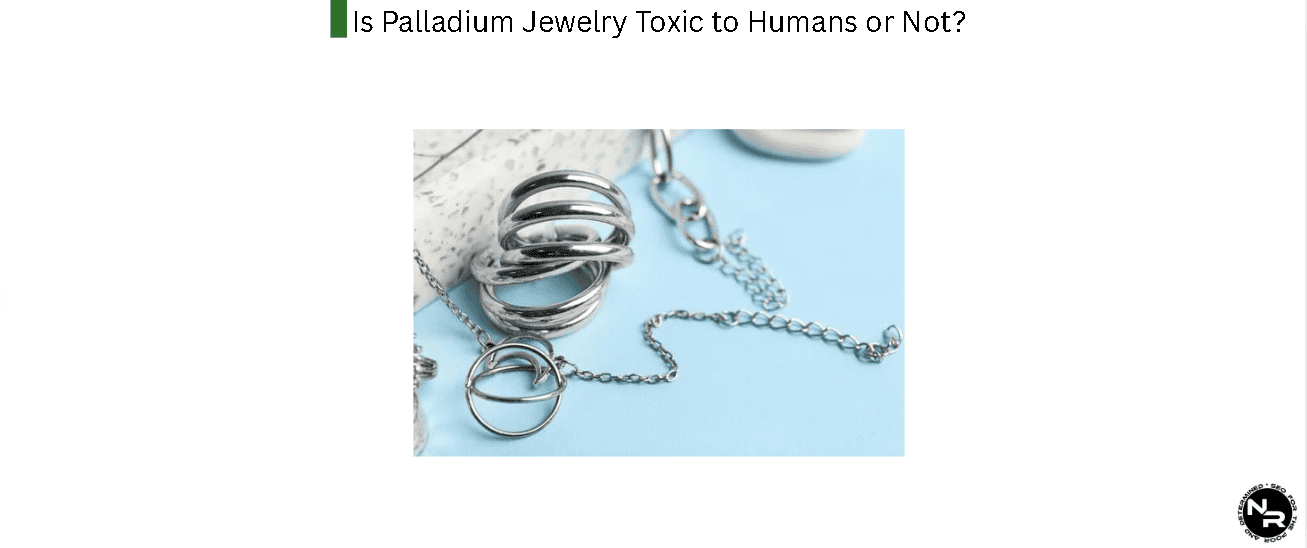
No, palladium jewelry isn’t toxic to humans. It’s 100% safe to wear and there’s zero risk of getting poisoned.
Solid, pure palladium is non-reactive and doesn’t interact with either skin or body (when ingested). But, palladium jewelry is never made from pure palladium as this metal is too soft for creating durable jewelry pieces. Instead, palladium is alloyed with other metals to boost its strength, durability and jewelry workability.
Common palladium alloys are palladium 950 (mostly used for jewelry) and palladium 500 (used for low-end jewelry but also for cutlery and tableware).
Palladium alloys are toxic when ingested because other metals in the alloy damage the human body and have an adverse effect.
For example, copper is an essential nutrient humans need to be healthy. However, you’d get copper toxicity if you were to eat a small palladium 500 jewelry item which contains 50% palladium ~40% silver and ~10% copper. Silver is safe to consume and chemically inert, but copper isn’t in large quantities.
Is Palladium Bullion Toxic to Humans Or Not?
No, palladium bullion isn’t toxic to humans. It’s safe. Palladium bullion isn’t toxic because it’s made of pure palladium in its solid form. And palladium in its solid form is 100% safe for humans to touch and handle.
Palladium coins and bars produced for investment purposes belong to a category called “IRA-approved palladium” and this is the bullion type you can own as part of your palladium IRA.
Palladium coins and bars must be at least 99.95% pure and they must come from NYMEX/COMEX-approved national refiners and mints.
Check this out next after reading my palladium toxicity and radioactivity guide. Especially important if you’re an American with a keen interest in the economy.
Is it Possible To Eat Palladium Similar to Eating Gold and Platinum?
Yes, it’s possible to eat palladium in flake form, as long as it’s 100% pure palladium.
However, palladium flakes are uncommon and unpopular compared to platinum flakes (99.9% platinum) and much more popular gold leaf flakes (99.9% gold).
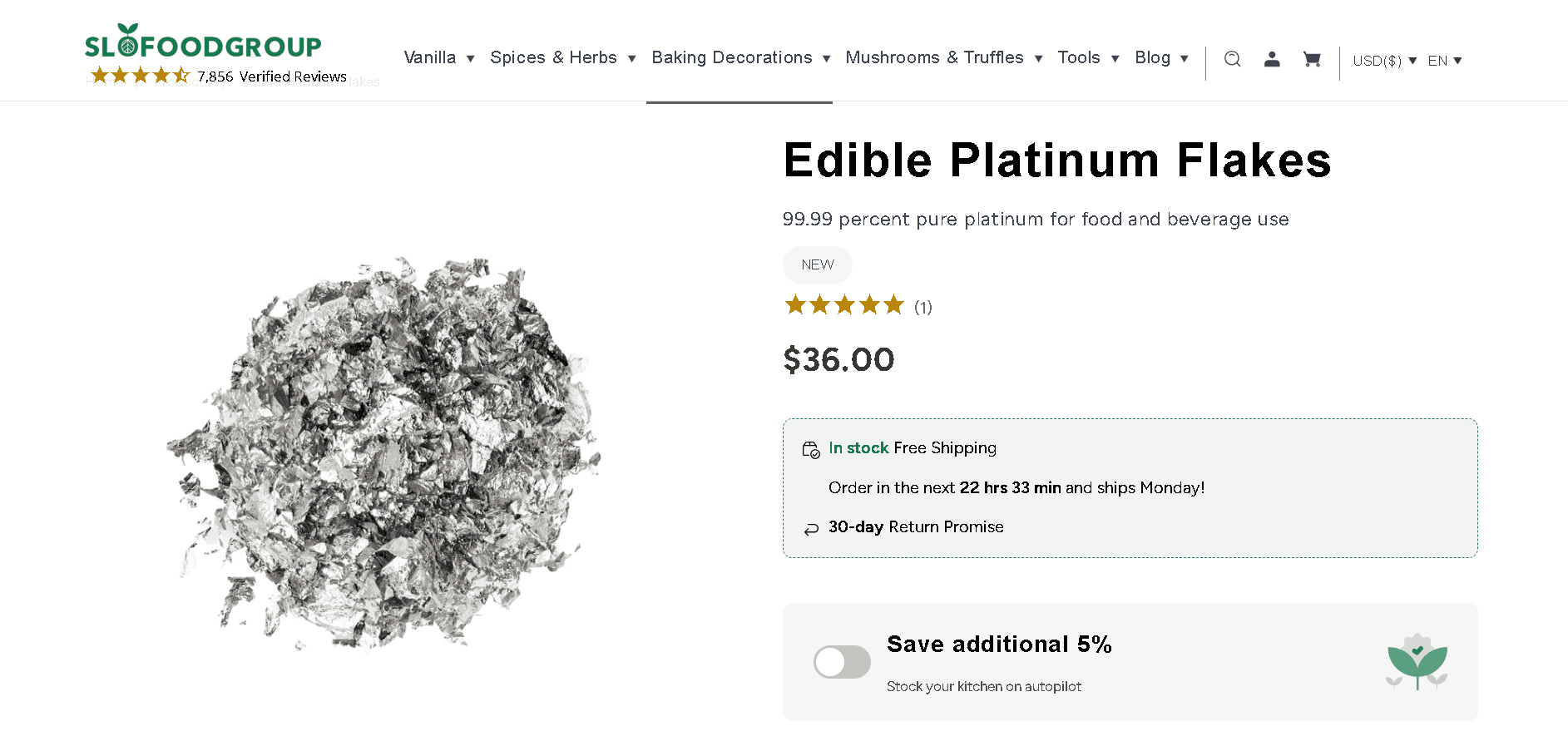
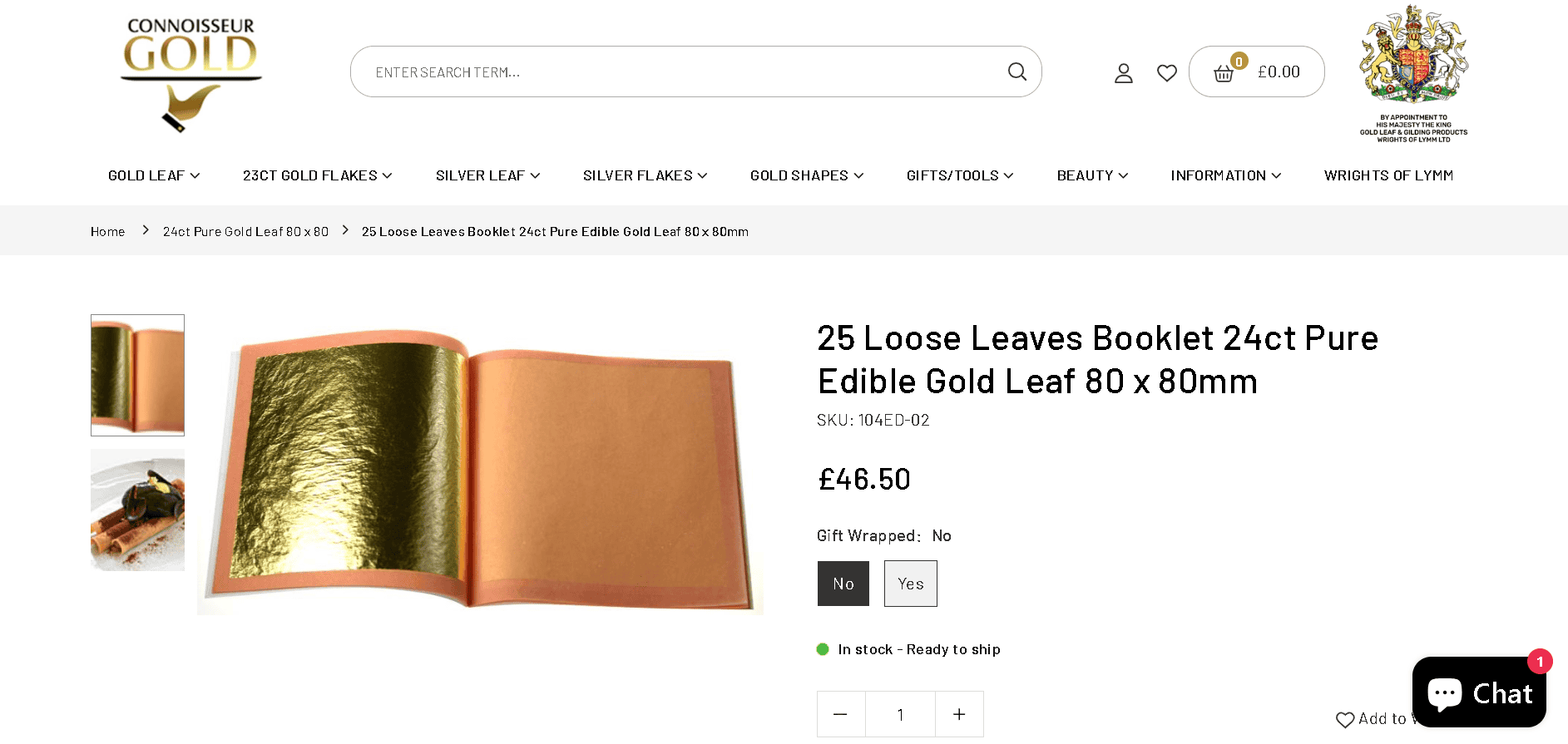
Palladium flakes, gold flakes and platinum flakes are tasteless and human body can’t digested them. That’s why there’s no danger of getting poisoned, provided the flakes are pure and not contaminated with heavy, toxic metals like cadmium, lead and mercury.
Always buy from reputable sellers and check for certification.
Is Pure Palladium Toxic to Pets and Other Animals?
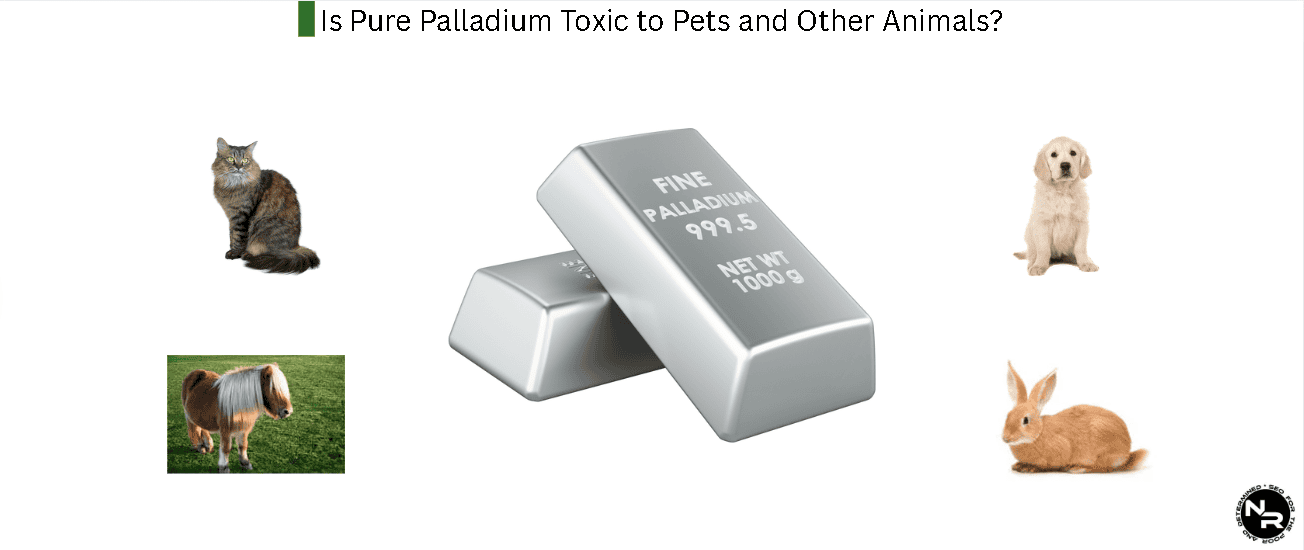
No, pure palladium toxic isn’t toxic to pets and other animals.
Pure metallic palladium is chemically inert in solid form and is poorly absorbed by the body. Once ingested, solid palladium will go through the animal’s digestive tract and come out of the body unchanged, but in a need of a thorough cleaning.
Solid palladium isn’t toxic to animals because they can’t digest it the same way humans can’t.
But, palladium salts and other palladium-derived poisonous compounds are toxic to animals, so if you’re a chemist make sure you do your work far from your pets.
Ingested palladium pieces will get stuck in the digestive tracts of smaller animals like cats, dogs and rabbits, but will pass through with no issue in horses, cows, ponies and so on.
Go to your pet’s vet if accidents happen to protect the animal’s health and to recover valuable palladium.
Check this out next after reading my palladium toxicity and radioactivity guide. Especially important if you’re an American with a keen interest in the economy.
Is Palladium Radioactive to Humans? Is it Harmful?
No, palladium isn’t radioactive and harmful to humans. It’s safe.
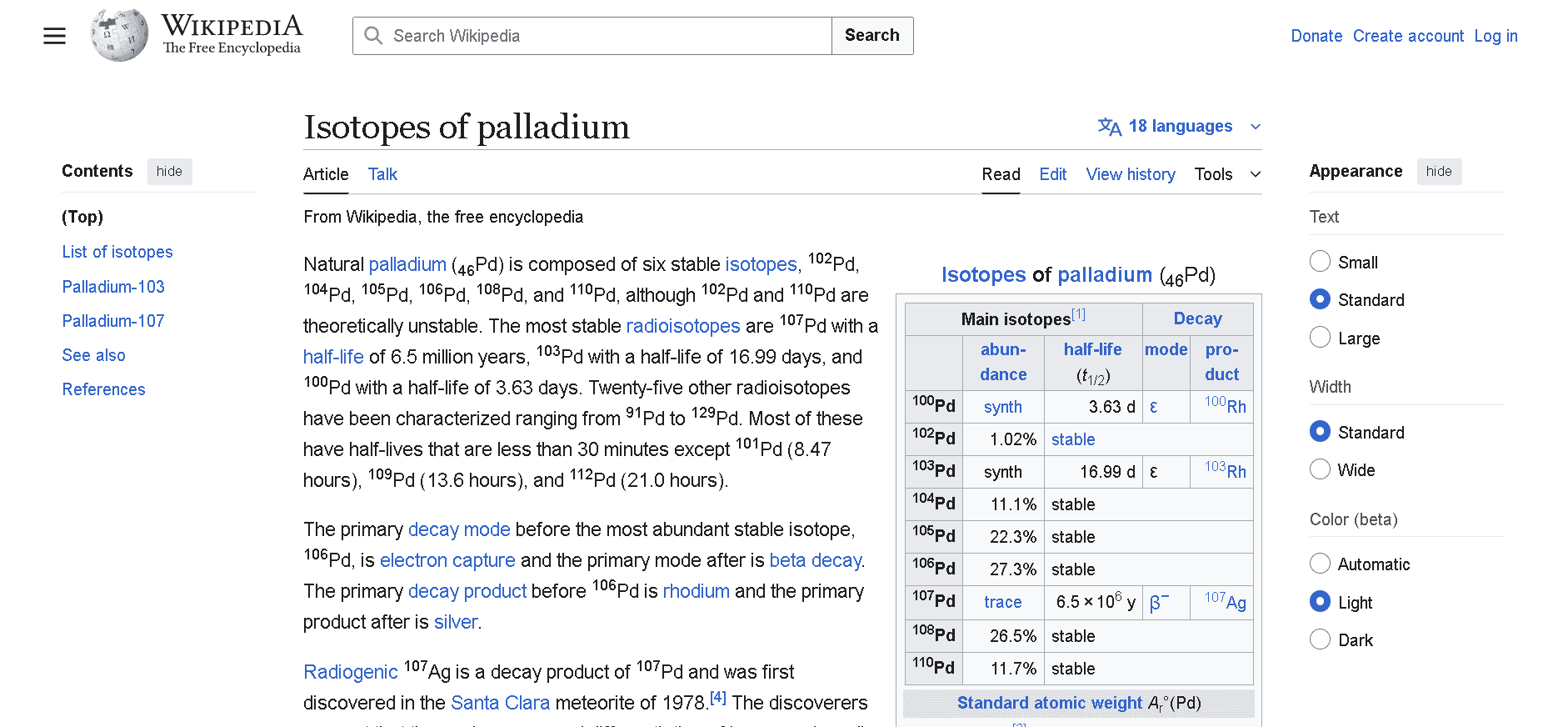
Metallic palladium isn’t radioactive because it’s made up of 6 natural, stable isotopes. These isotopes are stable (opposite of radioactive) and that’s why palladium in its solid, metallic form is safe and nonradioactive to humans.
Bottom line is that all palladium jewelry and bullion is 100% safe and nonradioactive.
Palladium has at least 39 artificial radioactive isotopes which are created in nuclear reactors and particle accelerators and aren’t present in nature.
These artificial palladium isotopes are mostly experimental, with the exception of palladium-103 which is used in brachytherapy (a form of cancer treatment where radioactive sources are implanted directly into a tumor).
In this specific medical application, palladium-103’s radioactivity is intentionally used to kill cancerous cells, and no general palladium-related complications from the metal itself have been reported.
- Systemic allergic contact dermatitis to palladium, platinum, and titanium: mechanisms, clinical manifestations, prevalence, and therapeutic approaches- https://pubmed.ncbi.nlm.nih.gov/37873514/
- Systemic allergic contact dermatitis to palladium, platinum, and titanium: mechanisms, clinical manifestations, prevalence, and therapeutic approaches- https://pmc.ncbi.nlm.nih.gov/articles/PMC10590457/
- 25 Loose Leaves Booklet 24ct Pure Edible Gold Leaf 80 x 80mm- https://www.ediblegold.co.uk/collections/24ct-pure-gold-leaf/products/25-loose-leaves-booklet-24ct-pure-gold-leaf
- Edible Platinum Flakes- https://www.slofoodgroup.com/products/edible-platinum-flakes
- Isotopes of palladium- https://en.wikipedia.org/wiki/Isotopes_of_palladium

Nikola Roza
Nikola Roza is the owner of Nikola Roza- Everything You Can Learn About Precious Metals. He writes for people who love precious metals and jewelry and who're interested in adding gold, silver platinum and palladium to their Gold IRAs and retirement portfolios.