
Disclosure: Some of the links you’ll encounter are unique links. Click and buy something and I’ll earn some money, at zero expense to you. Thank you!
Project managers deal with complex work that demands precision, adaptability, and clear communication. How well you do the job often comes down to the tools and techniques you use to keep things moving, bring teams together, and hit deadlines.
In this article, we cover the tools and techniques that can make a real difference in how you work, starting with the fundamentals that shape every project.
Understanding the Project Landscape
Before diving into tools and techniques, it is essential to understand the foundational elements that determine a project’s success.
Defining Project Scope and Goals
First, establish a clear project scope to ensure that all stakeholders understand the project’s boundaries. Align this with your project goals to set the stage for measurable outcomes (e.g., achieving a “95% success rate” within a defined timeframe) and to guide decision-making throughout the project lifecycle.
Let’s say you’re working on a software development project to create a mobile banking app. Key features like user authentication, fund transfers, and account balance display would be part of the project scope. However, this would exclude aspects that teams can handle separately, like customer support integration or marketing campaigns.
Identifying Stakeholders and Elements
Identifying all project stakeholders, including team members, clients, suppliers, and end-users, is crucial to avoiding communication issues.
For example, in a new office building construction project, stakeholders might include the project sponsor, architects, construction workers, local government officials, and future tenants.
Understanding your stakeholders’ roles and interests in the project helps your team prioritize engagement efforts and ensures that critical voices are heard.
Break down the project into individual elements to ensure a smooth planning and execution process. This approach enables you to assign responsibilities, estimate resources, and establish realistic timelines for each component.
Managing Risks and Dependencies
To mitigate issues that could derail the project, you must be proactive in identifying potential risks and understanding task dependencies. You can implement risk management techniques that involve a systematic process for identifying, analyzing, and responding to project risks.
If your team is launching a new product, a potential risk is a delay in regulatory approval. A risk management technique, such as adjusting the launch timeline or developing new marketing strategies, could address this issue.
Don’t forget about task dependencies. These are the relationships among tasks, indicating the order in which team members must execute them. When you manage these dependencies properly, and a delay occurs in one task, you ensure that it doesn’t affect the entire project timeline.
So, imagine a website development team is working on “designing the homepage layout”, which is the first step of the project. It can’t proceed to the “developing the homepage code” phase unless the team has completed the first step. This is what a task dependency, also known as “finish-to-start,” is.
Once these foundational elements are in place, choosing the right methodology becomes critical to executing the project effectively.
3 Essential Project Management Methodologies
A project management methodology is a system that includes the principles, techniques, and procedures that the assigned team uses. These methodologies differ in their structural organization. Each methodology may have different workflows.
Agile Methodology
This methodology emphasizes flexibility and iterative progress, making it ideal for projects that require rapid adaptation. It enables you to break down work into manageable tasks, allowing the team to respond promptly to changes and consistently deliver value.
The Agile methodology can be beneficial, for example, when a startup tech company builds a mobile application to help users manage their finances. User expectations are high, so the team must deliver specific, manageable tasks, such as implementing a budgeting feature or integrating a new financial API. Afterward, they can collect user feedback (through surveys) to adjust the project features as needed.
Lean Project Management
Lean project management focuses on the value while minimizing waste. It can be beneficial if a manufacturing company aims to optimize its production line.
For instance, the project team can review the entire production process and identify areas where resources are wasted, such as unnecessary movement and prolonged waiting times.
As a project manager, your job is to implement techniques to improve efficiency. For example, you could introduce just-in-time inventory systems or reorganize the workspace to improve workflow.
Critical Path Method
This method is a step-by-step approach that identifies the critical tasks the team must complete to finalize a project.
Say a construction firm is building a new commercial complex under strict deadlines. As the project manager, you have to keep everyone accountable so the project is completed on time. This is where you may use the critical path. It shows you critical tasks that impact the project’s duration.
By mapping all project activities and their dependencies, you can gain a clearer picture of the project timeline and identify tasks that construction workers can’t delay without affecting the overall schedule. For instance, laying the foundation must precede framing, which in turn must be completed before electrical and plumbing installations can begin.
With a clear methodology in place, the next step is selecting the right tools to track progress and maintain alignment.
3 Tools For Project Tracking
These are some of the top tools available for tracking projects.
Gantt Charts
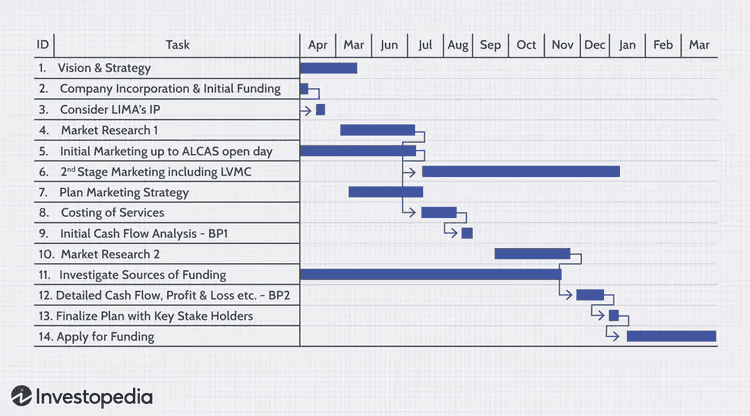
These are horizontal bar charts that visually represent the project schedule. They display task dependencies and timelines, which can help track the project phases a team has completed. The tools also ensure that project activities align with the overall plan.
Kanban Boards
Kanban boards visualize your workflow and highlight the statuses of your tasks. They use elements like columns and cards to help you see if employees are handling the right amount of workload.
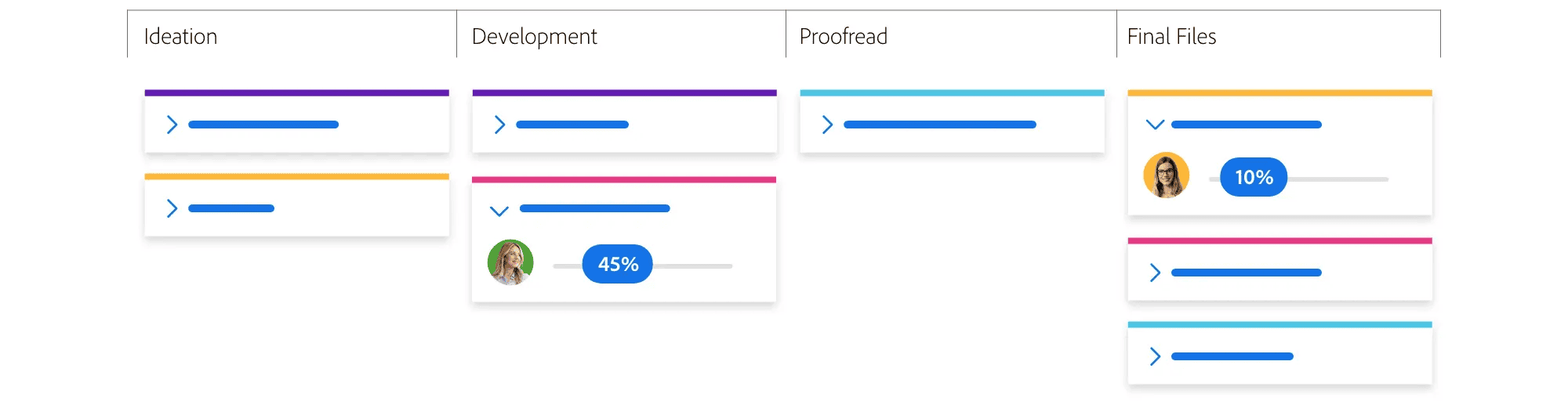
Kanban boards utilize cards, columns, and continuous improvement to help technology and service teams commit to the right amount of work and complete it efficiently.
Management Platforms
Utilize a work management platform to manage project deadlines, timelines, and organize your workflows in a way that’s tailored to your goals.
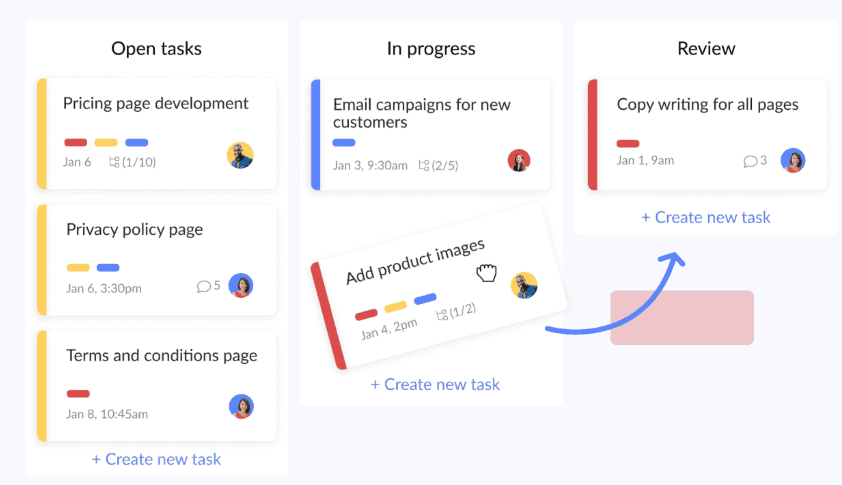
The platform suits various industries, including marketing, recruiting, creative teams, and finance. It comes equipped with numerous features. It allows you to create new project tasks, assign them to the right team members, and set alerts to ensure you don’t miss any deadlines.
3 Techniques for Effective Project Execution
Beyond tools, execution depends on how effectively you apply proven techniques. Below are key methodologies and tools that can enhance project execution:
Resource Allocation
Resource allocation allows you to distribute resources in ways that align with project goals and optimize productivity. For project managers, monitoring resource allocation across team members helps identify potential bottlenecks and reallocate resources as necessary.
For example, if you’re working on a product launch campaign, you can assess the team’s skills and assign tasks based on their availability. When you analyze the project scope and timelines, you can allocate designers, content creators, and analysts appropriately, ensuring a balanced workload and on-time delivery of all deliverables.
Risk Management Techniques
With risk management techniques, you can spot potential risks before they escalate. For instance, let’s say a construction project has identified the risk of material shortages. To mitigate this, the team collaborates with multiple suppliers to ensure a timely receipt of the required materials.
Visual Representation
Visual elements, such as diagrams and flowcharts, can help teams better understand complex processes and improve communication among project stakeholders.
Visual representation tools can be invaluable when working with a software development team. For example, a flowchart might help map out an application’s user journey. This visual enables stakeholders to understand the process flow, identify potential issues, and propose improvements early in the development cycle.
While execution focuses on processes, long-term success also depends on the strength of the team behind the project.
3 Tools For Building High-Performance Project Teams
Beyond tools and methodologies, fostering a culture of continuous learning, clear communication, and mutual respect is essential for team success.
Communication Platforms
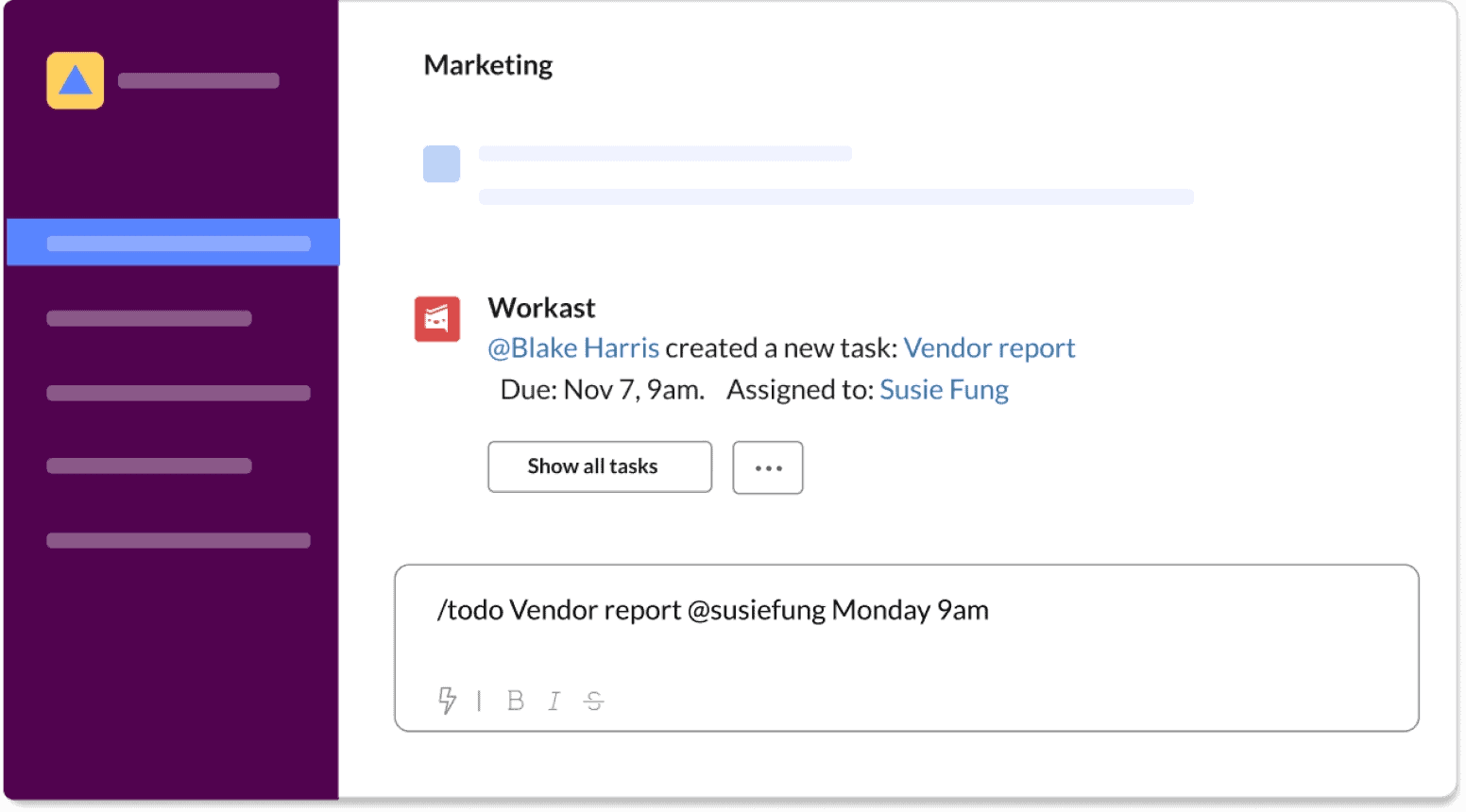
Strong communication ensures that all project stakeholders remain informed and engaged throughout the project lifecycle. Slack is a real-time communication platform that integrates with many project management tools. You can create dedicated channels for different project elements, such as #frontend, #backend, and #QA. Employees can share updates and address issues promptly, ensuring a seamless workflow.
Onboarding and Continuous Training
To build a high-performance team, you must start during onboarding. For example, a learning management system (LMS) helps reduce the learning curve for new hires by allowing them to grasp project workflows, collaboration tools, and best practices without delay.
An onboarding LMS can provide ongoing training on agile methodologies, risk management, and productivity-enhancing software. It ensures that teams stay up to date with the latest project management techniques. This also enhances efficiency and minimizes errors, ensuring that employees can communicate effectively and drive project success.
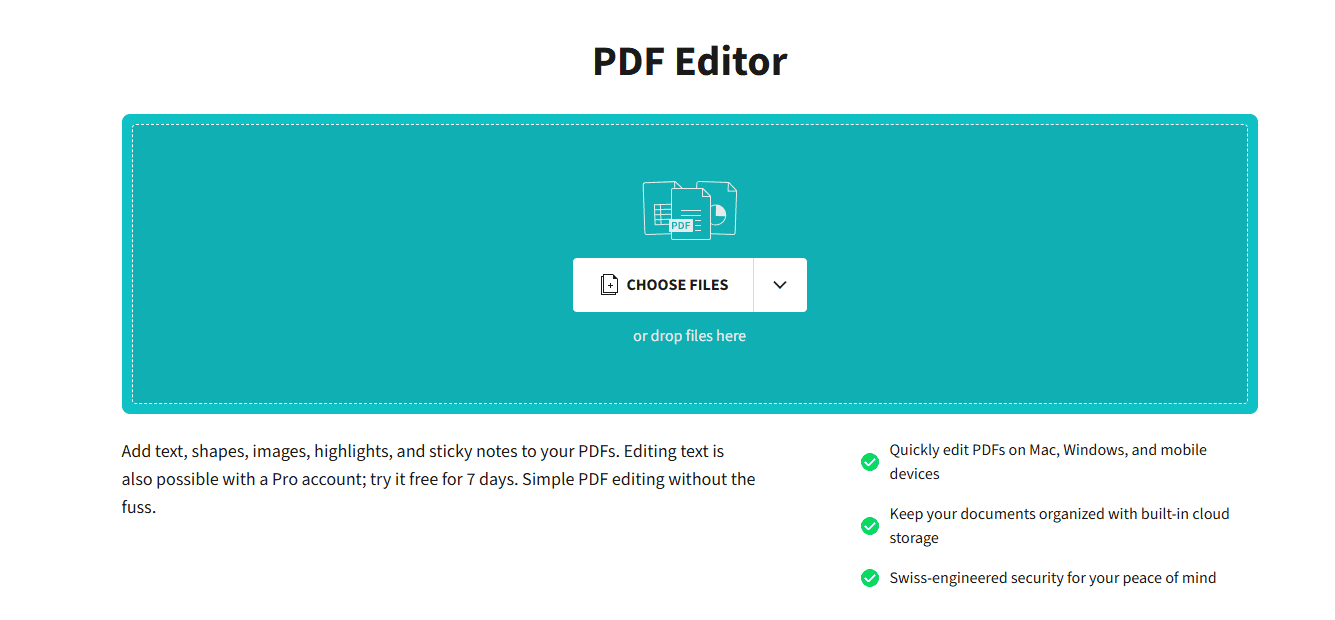
As part of continuous training, the employees should also be informed about any new tools that you’ve started using, such as a PDF editor. This essential tool can be particularly helpful when gathering feedback on a project proposal from multiple stakeholders. You can send out a single document where every team member adds their comments and suggestions, eliminating the need for multiple documents or switching between tabs.
Cross-Functional Exercises
Project management insights often emerge from unexpected places. The coordination behind “red team vs blue team vs purple team” security exercises reveals practical lessons applicable to many business contexts.
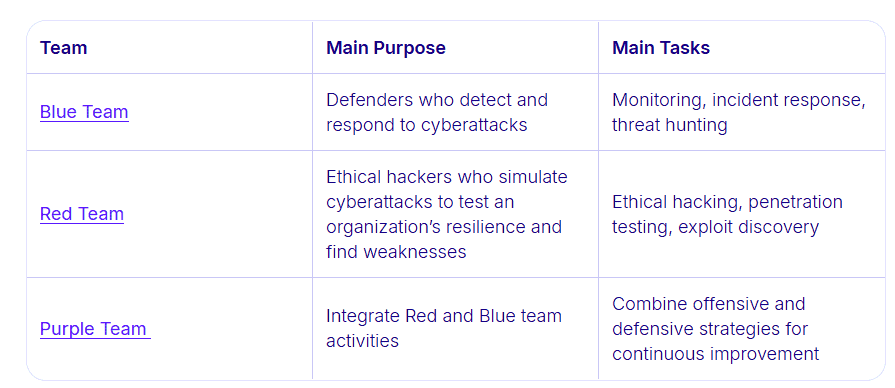
These exercises require careful planning, clear communication channels, and well-defined handoff procedures between teams with different objectives — all core project management skills. When security professionals run these simulations, they naturally develop processes for time-boxed activities, documentation of findings, and structured evaluation of outcomes that mirror effective project governance frameworks.
The project managers who organize these exercises become adept at facilitating productive tension between competing perspectives while maintaining focus on overall objectives. They can also adapt their methods for tracking progress, managing scope boundaries, and integrating feedback loops to enhance traditional project methodologies across industries.
Conclusion
Bringing together the right tools, methodologies, and team strategies is what ultimately determines project success. With the right approach, you can achieve your project goals and ensure that all deliverables are finalized without disrupting the workflow, even if a team member is struggling to meet deadlines.
Implement proactive strategies, such as open communication, clear expectations, and training programs, to effectively navigate such challenges. By fostering a culture of transparency and support, you can mitigate the impact of missed deadlines and keep your projects on track.
Ready to take your project management skills to the next level? Explore more actionable guides, tools, and strategies on Nikolaroza to streamline your workflows, boost team productivity, and deliver better, more consistent results.
Author bio:

Kristina Iavarone
Kristina is a content writer and editor at uSERP, with a passion for building long-lasting relationships with B2B and B2C clients through content and SEO efforts. Her work has appeared in Medical News Today, Healthline, and GetYourGuide, and when she’s not working, she’s either at a café or exploring new places with her husband.

Nikola Roza
Nikola Roza is the owner of Nikola Roza- Everything You Can Learn About Precious Metals. He writes for people who love precious metals and jewelry and who're interested in adding gold, silver platinum and palladium to their retirement portfolios. Nikola is passionate about gold IRAs and investing in multiple asset types for a safer financial future. He also runs a successful online jewelry store where you can buy precious metal jewelry and various replicas of famous coins and bars. Learn about Nikola here.