
Disclosure: Some of the links you’ll encounter are affiliate links. If you click and buy something, I’ll get a commission. If you’re reading a review of some precious metals company, please understand that some of the links are affiliate links that help me pay my bills and write about what I love with no extra cost to you. Thank you!
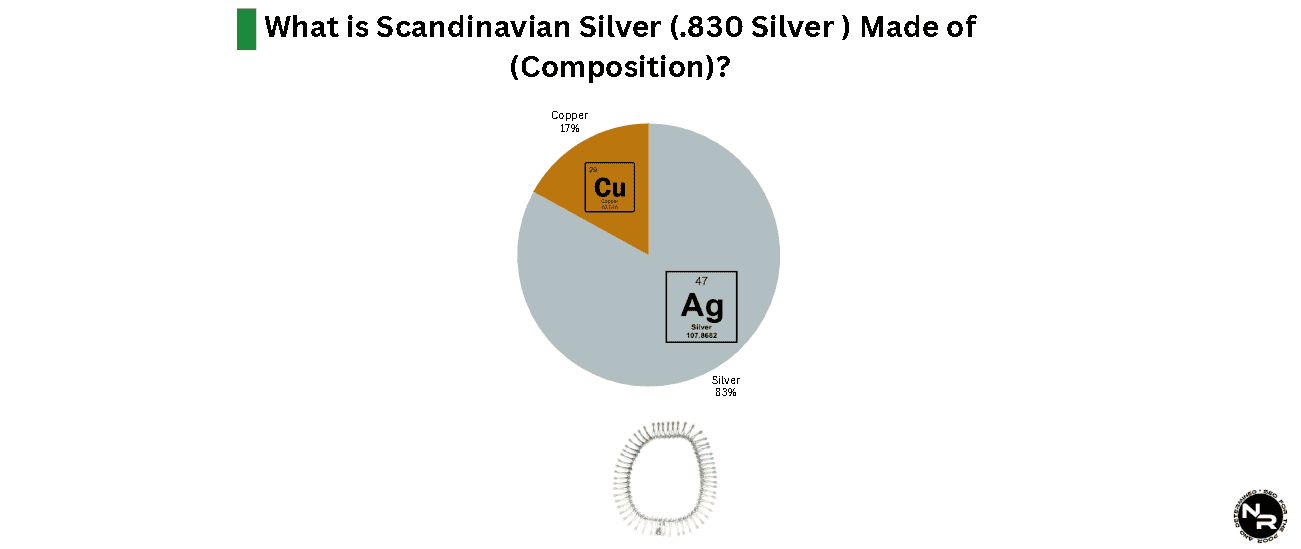
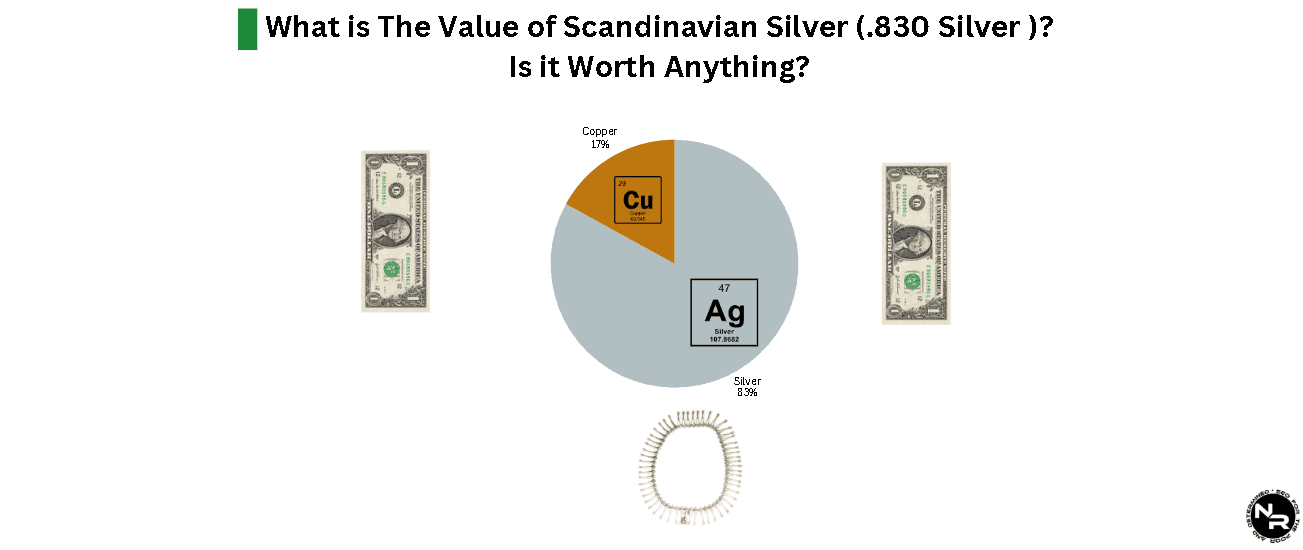
Scandinavian silver is a silver alloy that contains 83% pure silver and 17% copper. It’s known as “.830 silver” due to its silver content percentage.
Scandinavian silver is commonly used for jewelry, tableware, serving pieces, and decorative items throughout Denmark, Sweden, Norway, and Finland. This silver alloy is non-magnetic and generally hypoallergenic, though some people may react to its copper content or trace nickel content.
Scandinavian silver is different from the trademarked “Norwegian silver,” which is actually a white metal alloy containing no true silver.
Learn more about Scandinavian silver below!
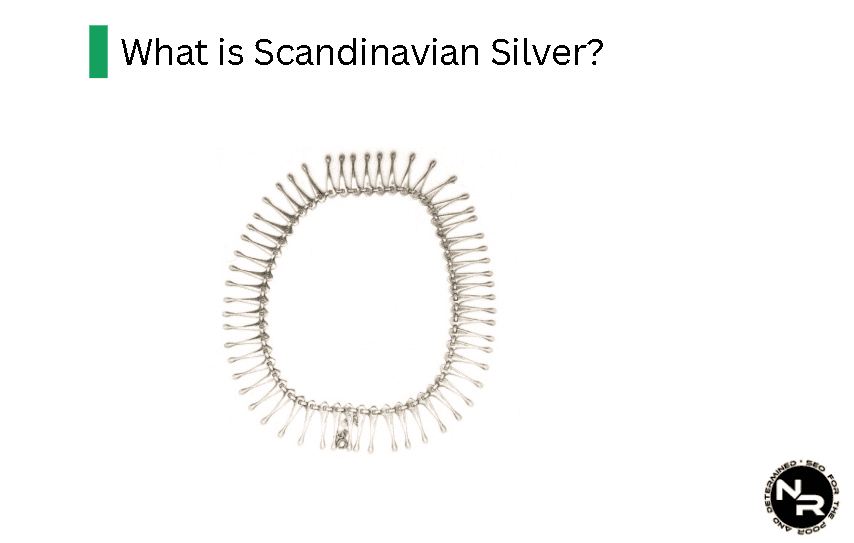
What is Scandinavian Silver (Definition and Meaning)? Why is it Called “Scandinavian”?
Scandinavian silver is a silver alloy composed of 83% pure silver and 17% copper.
The other names for Scandinavian silver is “830 Silver” or “.830 Silver” because of it’s exact percentage of pure silver content.
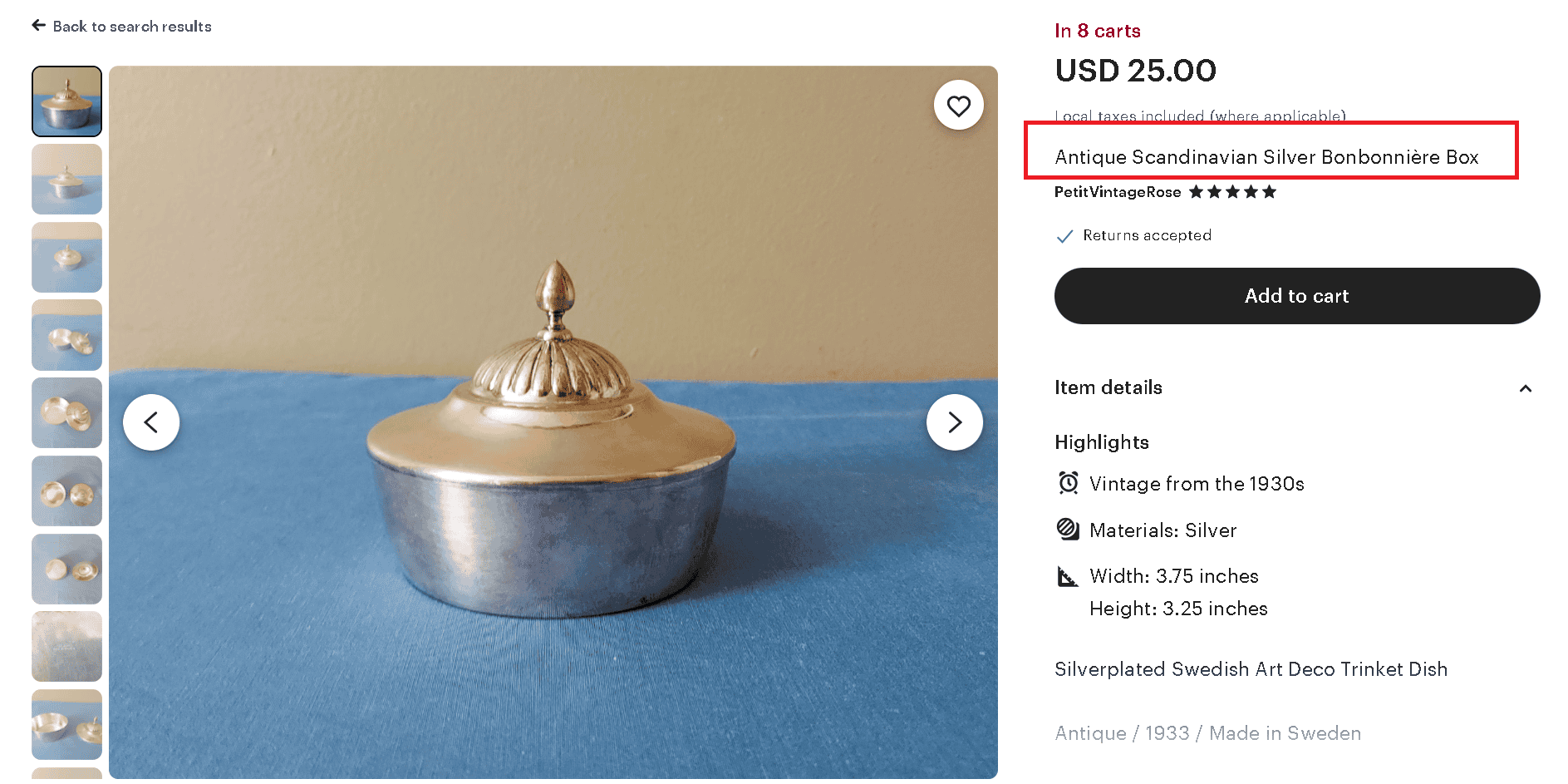
Scandinavian silver is used to create a wide range of items, including jewelry (there’re rings, bracelets, necklaces, brooches and other decorative pieces made from this silver alloy), serving pieces (like trays and bowls) and tableware (cutlery, tea sets, and serving pieces and more).
Candlesticks, bowls, and other ornamental items are also produced using Scandinavian silver.
You’ll see examples of these applications for Scandinavian silver right below.
Hey, being so keenly interested in .830 silver must mean you like genuine, real silver in all shapes and forms.
Right?
Are you also a proud American with a keen eye for economy and investing?
Check this out next if you answered yes!
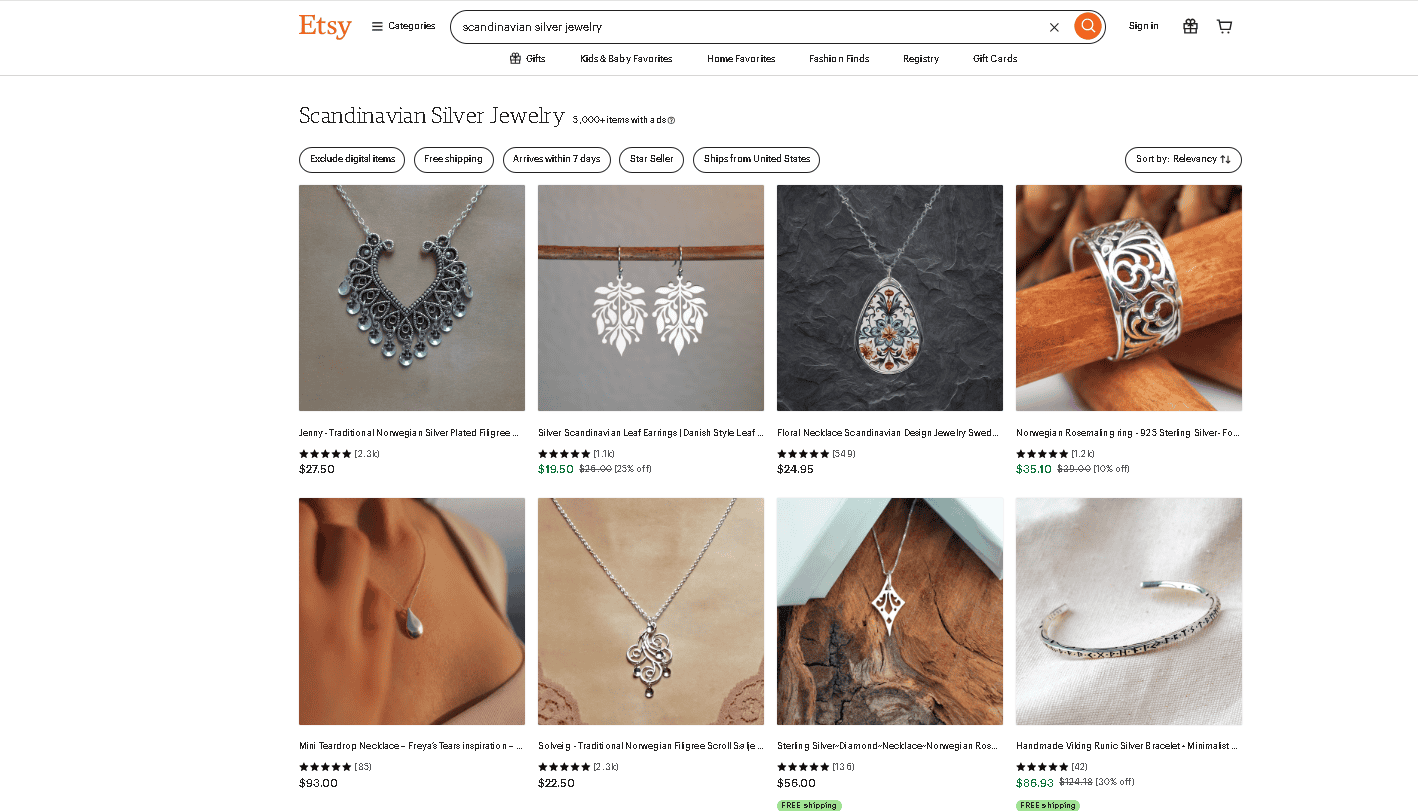
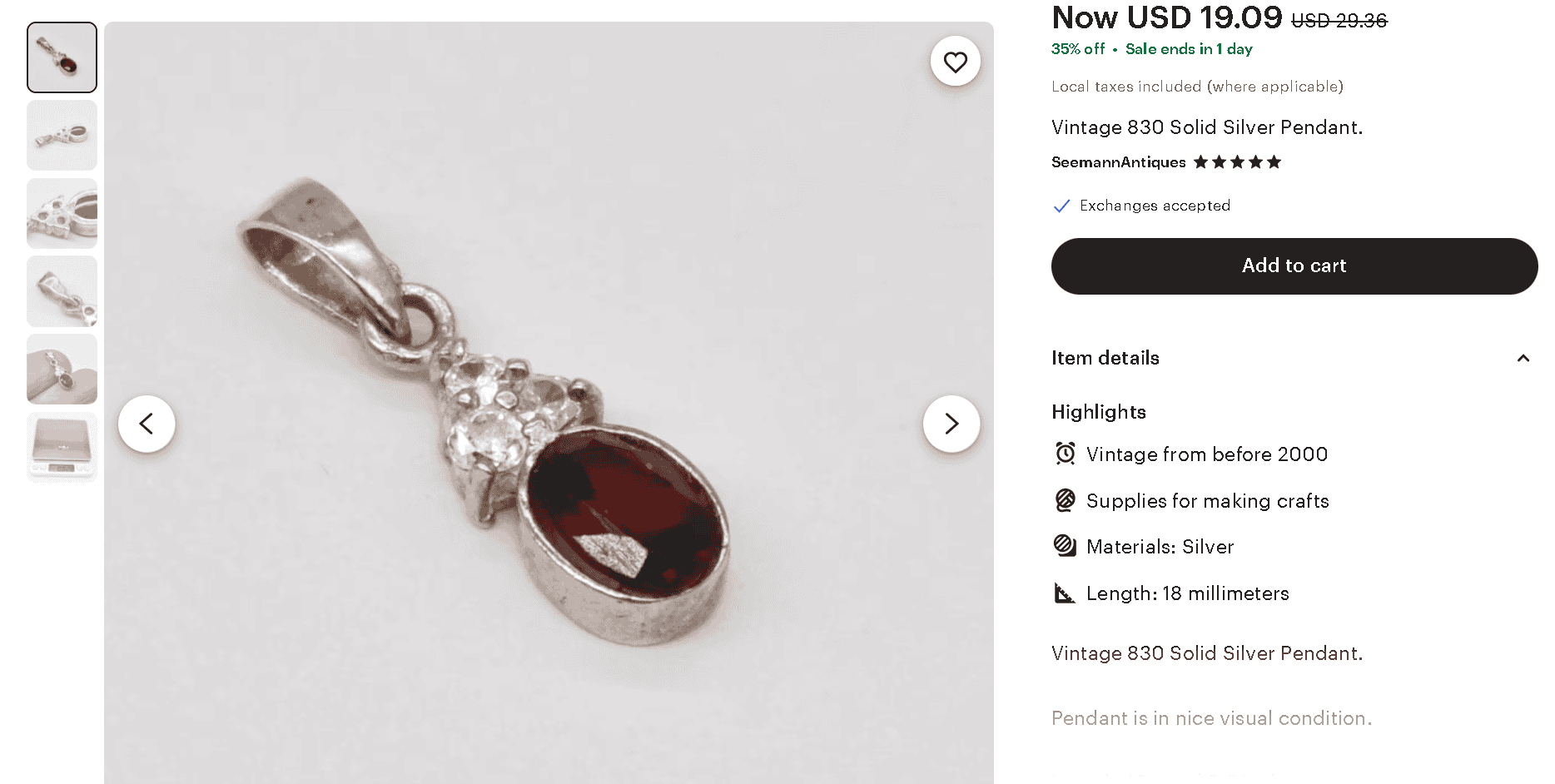
Is There Jewelry Made From Scandinavian Silver?
Yes, there is a rich tradition of jewelry making with Scandinavian silver, particularly in Denmark, Sweden, Norway, and Finland.
This includes both vintage and contemporary pieces, with a variety of styles and techniques employed.


Hey, being so keenly interested in .830 silver must mean you like genuine, real silver in all shapes and forms.
Right?
Are you also a proud American with a keen eye for economy and investing?
Check this out next if you answered yes!
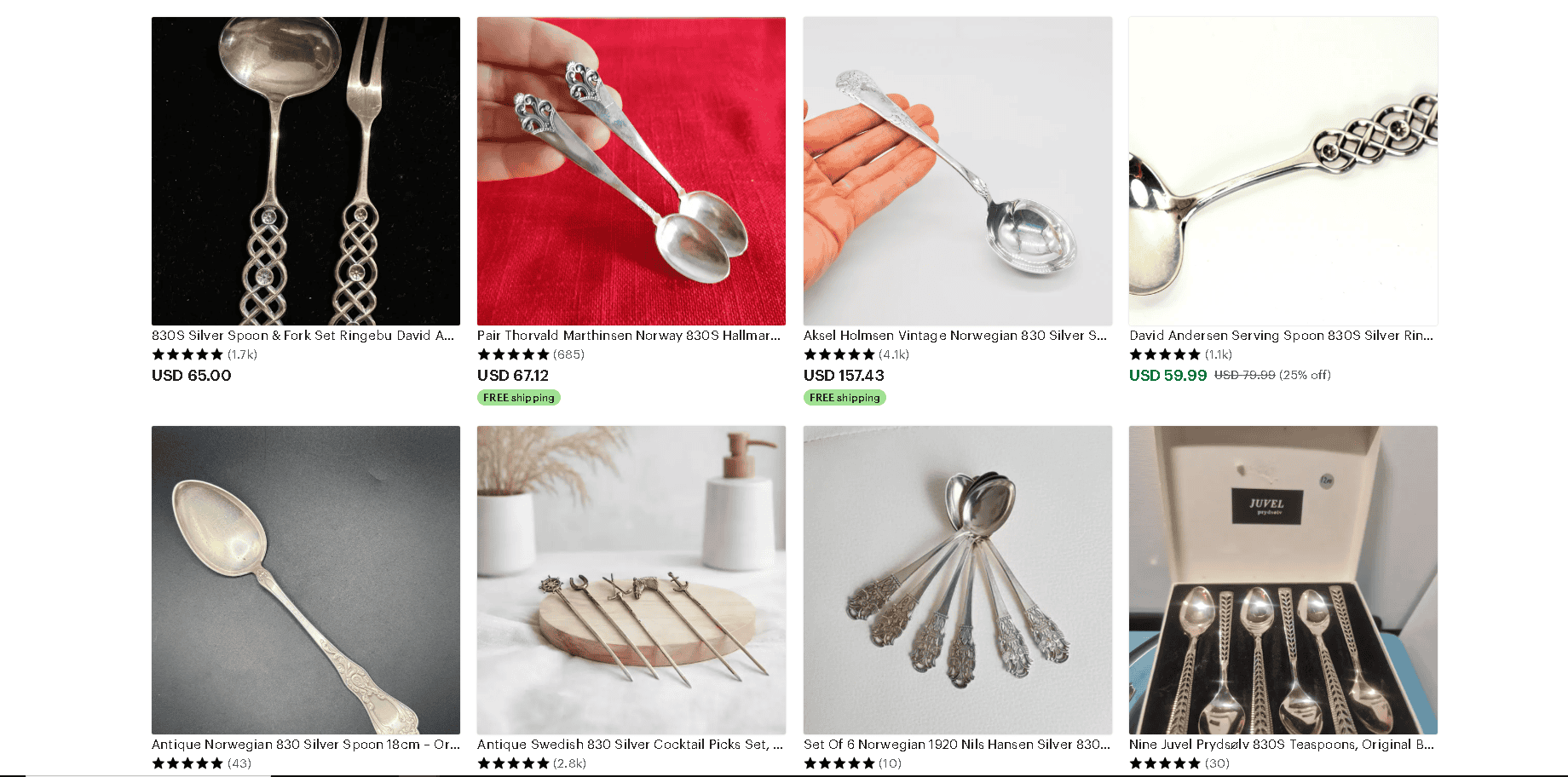
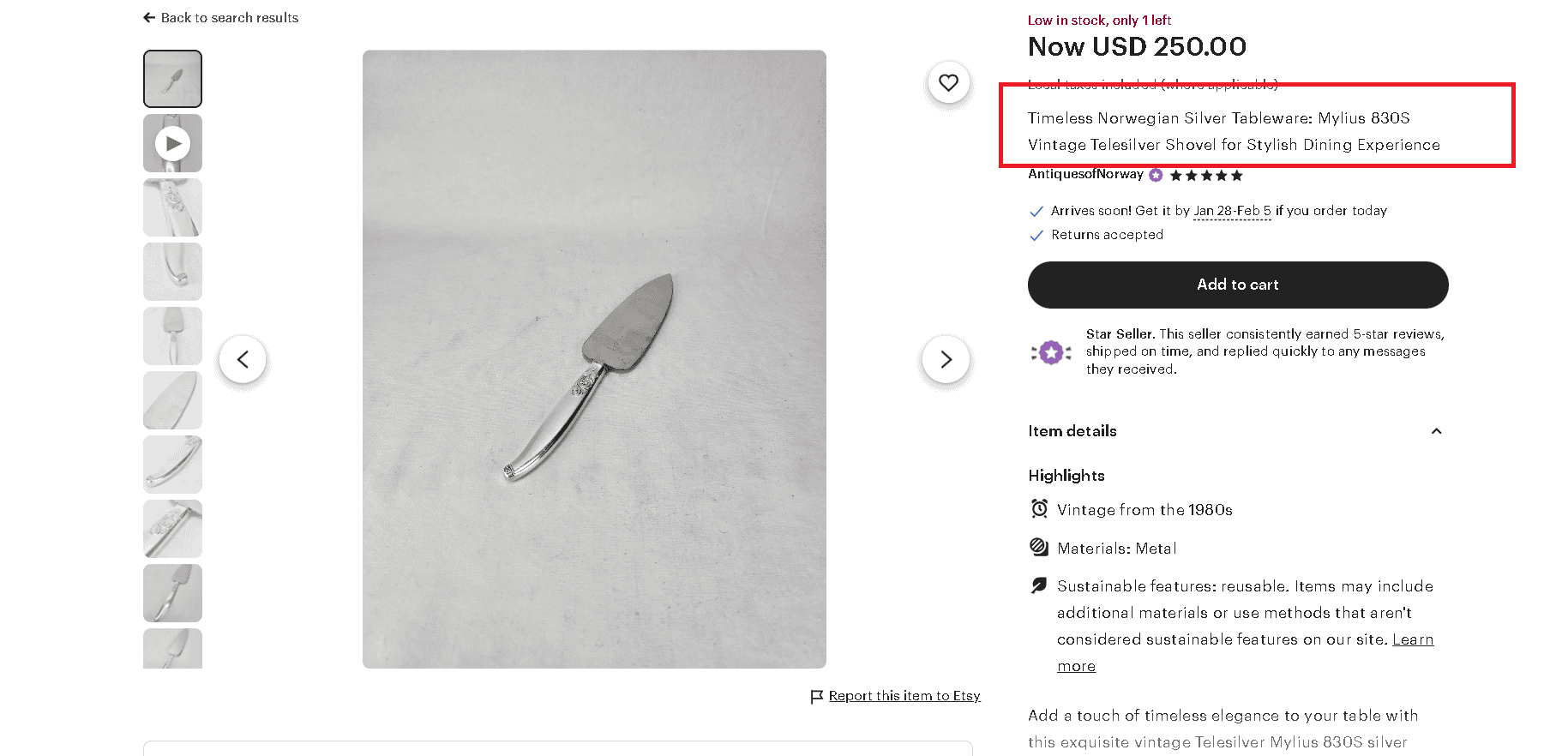
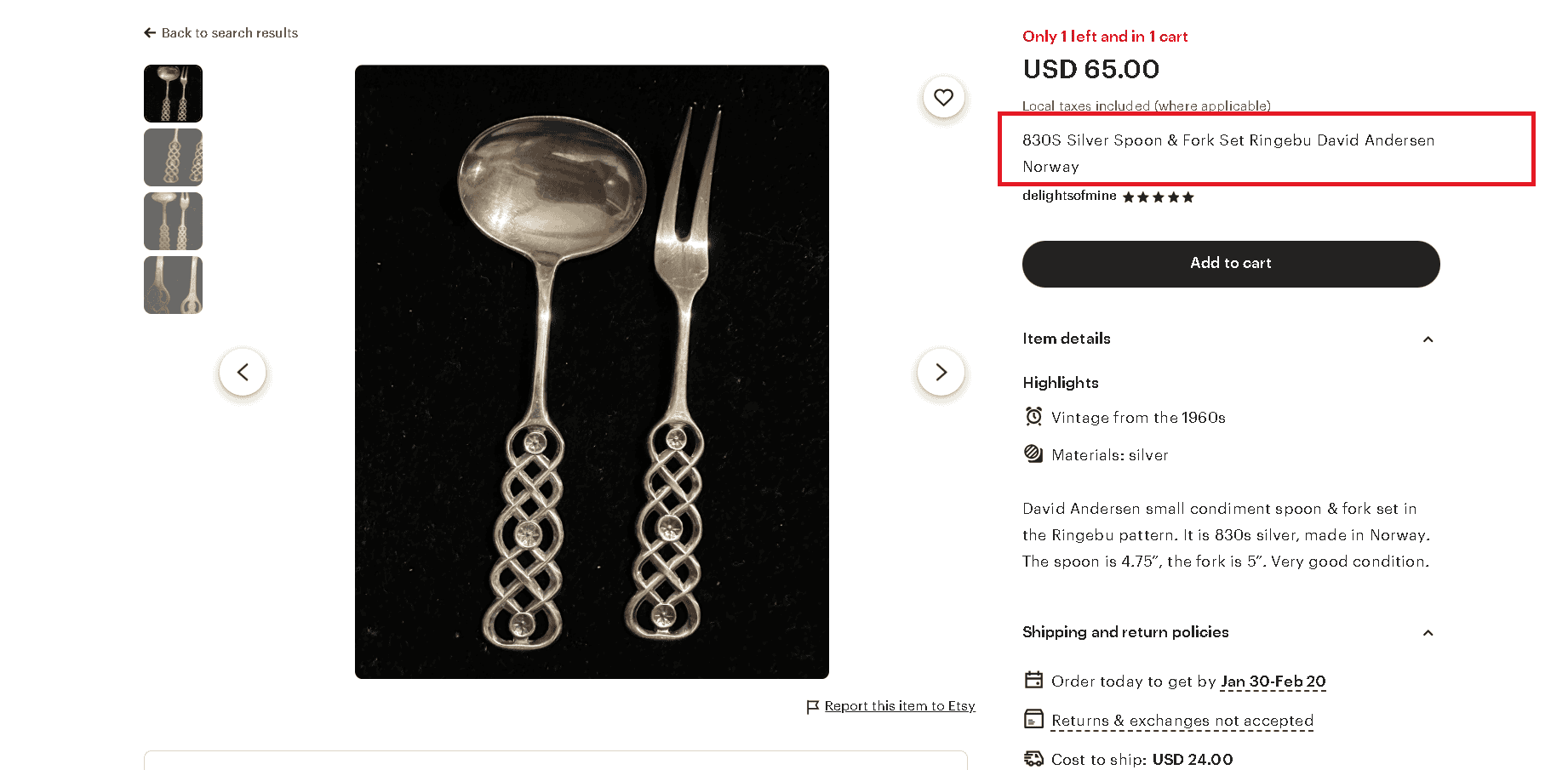
Is There Cutlery and Tableware Made From Scandinavian Silver?
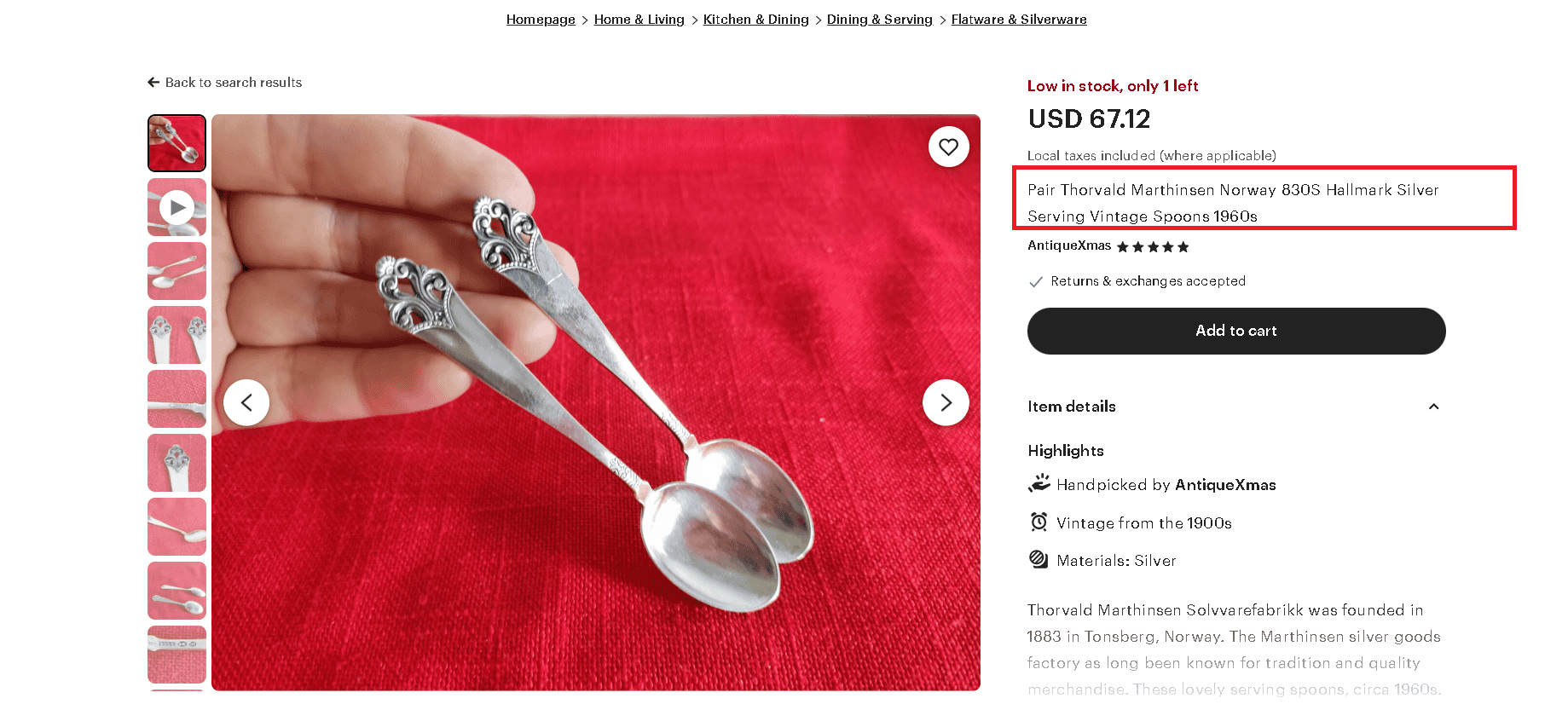
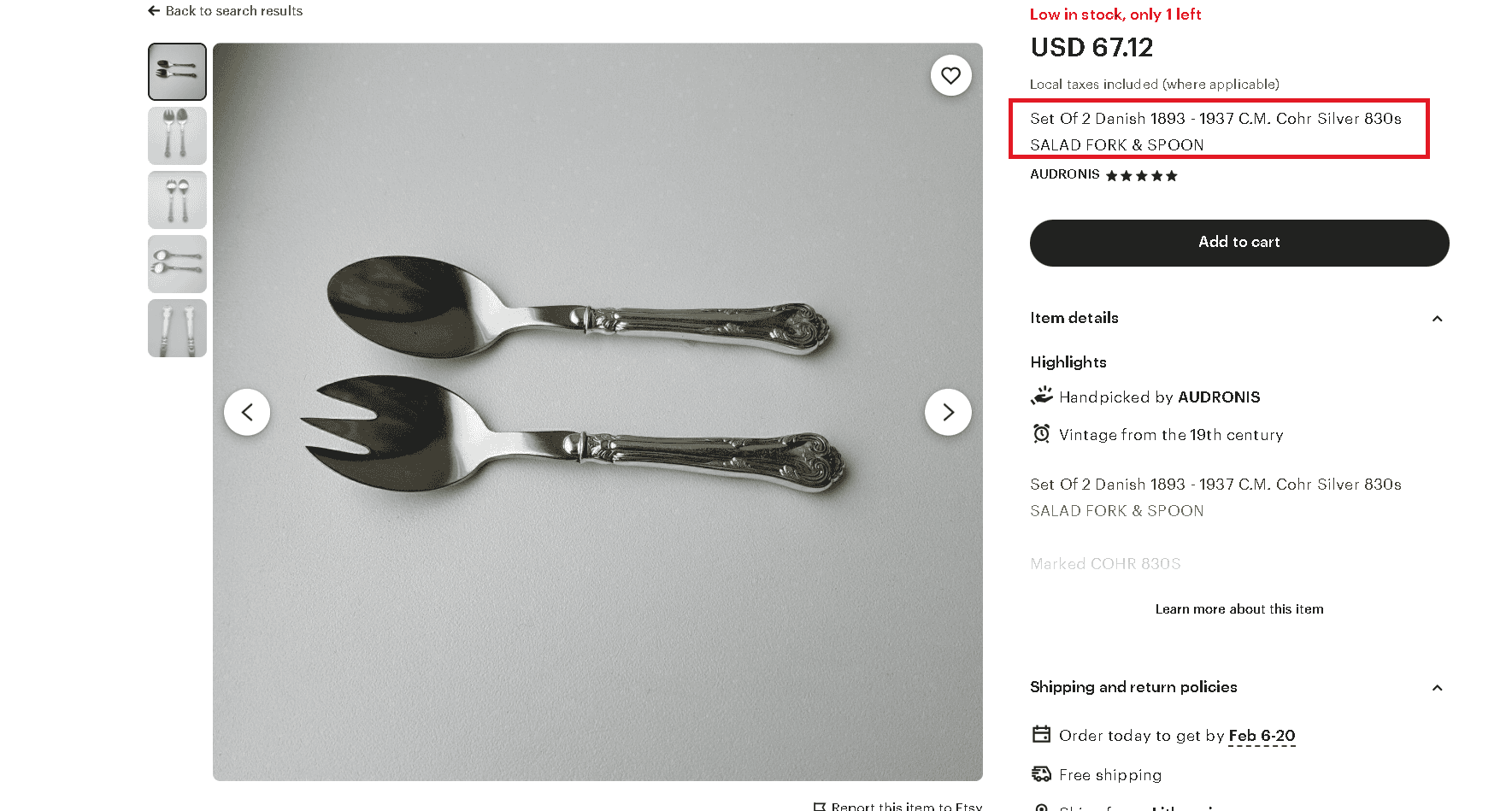
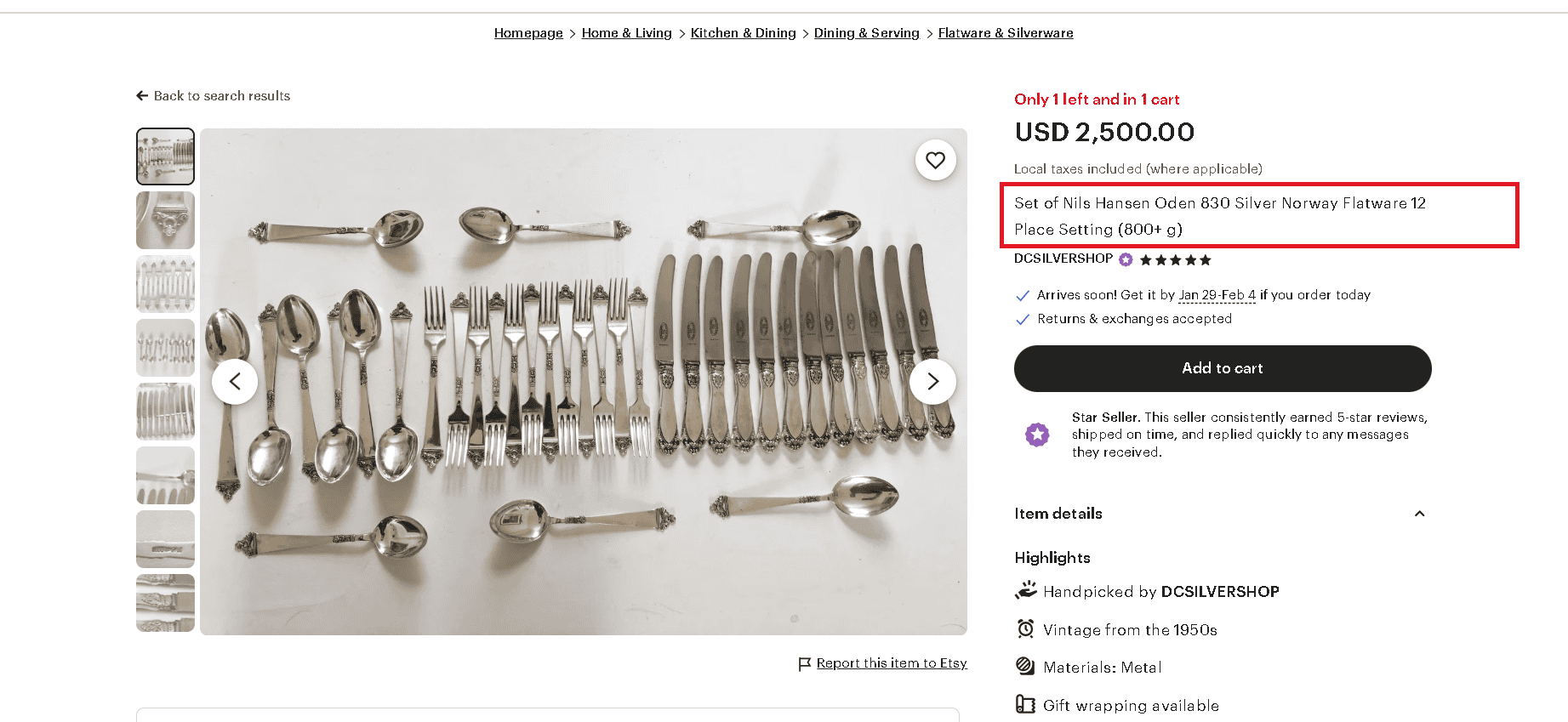
Yes, there’s a significant amount of cutlery and tableware made from .830 silver. This material is particularly common in Scandinavian (Norwegian, Swedish, Danish, and Finnish) antique and vintage silver.
For a few decades (during the late 19th and early 20th centuries) .830 silver was a standard for high-quality, functional tableware in Scandinavia.
Popular and renowned makers are David Andersen (Norway), Georg Jensen (Denmark), Magnus Aase (Norway), and Brodrene Mylius (Norway).
Here’re some examples below.
Hey, being so keenly interested in .830 silver must mean you like genuine, real silver in all shapes and forms.
Right?
Are you also a proud American with a keen eye for economy and investing?
Check this out next if you answered yes!
What is the Melt Value of Scandinavian Silver? Is it Worth Anything and What is its Worth Per Gram?
The melt value of Scandinavian silver depends on the current silver market price which fluctuates from moment to moment based on the demand/supply interplay.
To determine the worth of your .830 silver item first you need to measure its weight.
Next, multiply the weight by the silver spot price and then by 0.83 (for 83% purity) to get the melt value.
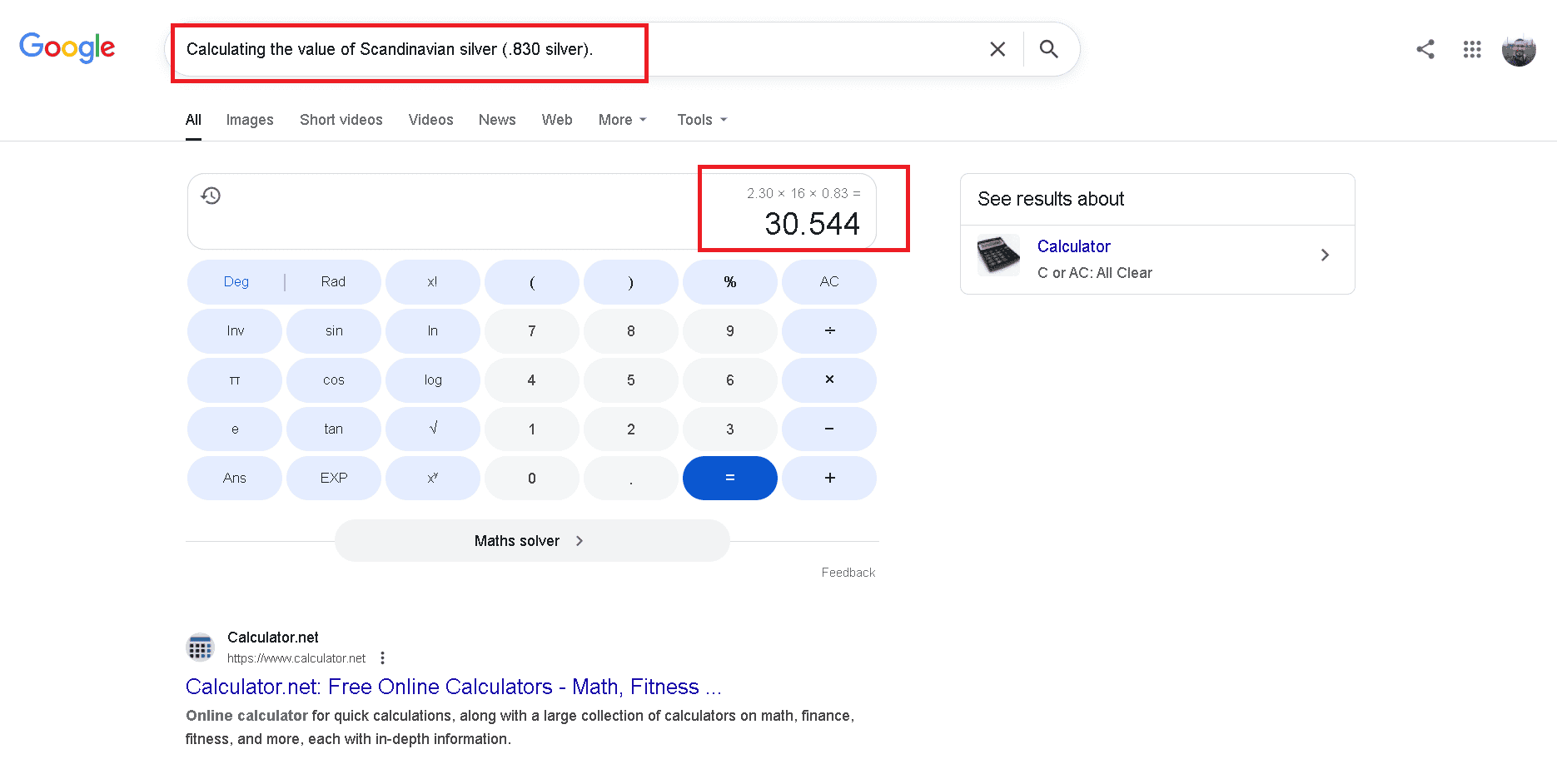
For example, let’s say the current price of silver is $2.30 per gram. And your 830 silver object weighs 16 grams.
The exact worth of that 830 silver item would be $2.30 x 16 x 0.83=$30.544
Hey, being so keenly interested in .830 silver must mean you like genuine, real silver in all shapes and forms.
Right?
Are you also a proud American with a keen eye for economy and investing?
Check this out next if you answered yes!
Is Scandinavian Silver Magnetic or Not?
No, Scandinavian silver isn’t magnetic. It’s diamagnetic.
Scandinavian silver is a silver alloy composed of 83% pure silver and 17% copper. Pure silver is diamagnetic meaning it weakly repels magnetic fields.
Copper is diamagnetic as well.
Is Scandinavian Silver Hypoallergenic?
Yes, Scandinavian silver is hypoallergenic, meaning it’s safe for people with sensitive skin.
However, remember that Scandinavian silver contains 17% of copper and copper allergies aren’t uncommon in the general population.

Occasionally, Scandinavian Silver has traces of nickel in its alloy, and this causes further problems for people with nickel allergies.
Hey, being so keenly interested in .830 silver must mean you like genuine, real silver in all shapes and forms.
Right?
Are you also a proud American with a keen eye for economy and investing?
Check this out next if you answered yes!
Is There Bullion Made From Scandinavian Silver?
No, there’s no bullion made from Scandinavian silver. 830 silver is a recognized silver standard, but this alloy’s silver purity is too low compared to silver alloys used for bullion making.
Silver bullion (coins and bars) is made from higher purity silver like .999 fine silver or, in some cases, Britannia Silver (.958) and .925 Sterling silver.
.999 (Fine Silver) bullion is also called IRA-approved silver. It’s the silver coins and bars you can buy to include in your silver IRA account.
Note: Augusta Precious Metals is the best precious metals investment company in the U.S.A. You can get in touch with them to buy the silver bullion you need.
You can purchase silver to keep at your home. Or you can purchase silver coins and bars to include as part of your IRA and have it shipped in a reputable gold IRA depository.
With Augusta you won’t have to worry about the common gold and silver IRA scams that plague honest investors and retirees.

Hey, being so keenly interested in .830 silver must mean you like genuine, real silver in all shapes and forms.
Right?
Are you also a proud American with a keen eye for economy and investing?
Check this out next if you answered yes!
What is the Hallmark for Scandinavian Silver?
The hallmark for .830 Scandinavian silver is typically the number “830”, sometimes with an “S” (as in “830S”). This silver hallmark is often paired with a country-specific symbol like Sweden’s three crowns or Norway’s crowned lion and alongside maker’s marks, such as Georg Jensen’s “GJ” or Norwegian marks like the crowned lion.
See below specific examples from all Scandinavian countries.
What are .830 Silver Hallmarks from Sweden?
Swedish .830 silver hallmarks are the Three Crowns Control Mark (national control) and an “S” in a hexagon (indicating at least 800 standard, often paired with 830), sometimes with maker’s initials or year letters.
Modern pieces might only show “830” and a Responsibility Mark (like a “J”).

What are .830 Silver Hallmarks from Norway?
Norwegian .830 silver hallmarks are “830S” alongside a maker’s mark (like initials or a logo) and sometimes a crowned lion symbol or “NM” for Norsk Mønster (Norwegian Design).

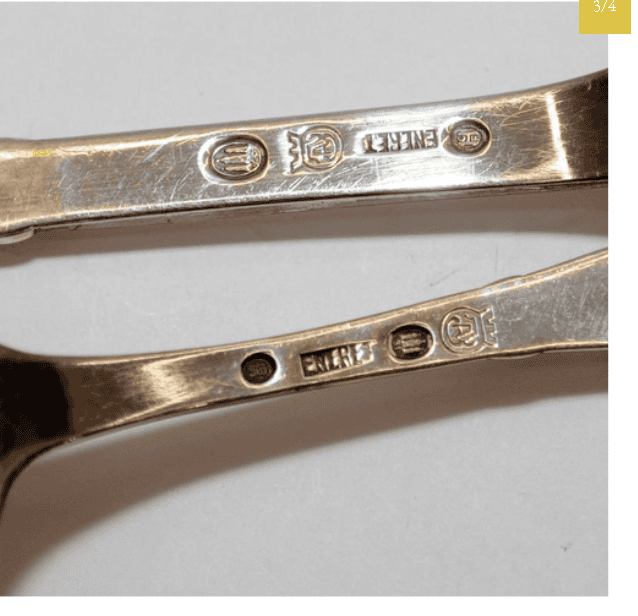
What are .830 Silver Hallmarks from Denmark?
Danish .830 silver hallmarks typically feature the Three Towers mark (the Copenhagen assay mark) and a fineness mark like “830” or “830S”, often accompanied by a maker’s mark.
What are .830 Silver Hallmarks from Finland?
Finnish .830 silver hallmarks are “830H” denoting fineness, crowned lion national mark, town mark (e.g., boat for Helsinki), date letter (e.g., U7 for 1973), and a maker’s mark. Not every piece of .830 jewelry will have all of these markings and stamps. But most will.
The presence of an oval crown mark suggests an imported item, while a heart-shaped crown usually means it was made in Finland.
Hey, being so keenly interested in .830 silver must mean you like genuine, real silver in all shapes and forms.
Right?
Are you also a proud American with a keen eye for economy and investing?
Check this out next if you answered yes!
Is Scandinavian Silver the Same as Norwegian Silver?
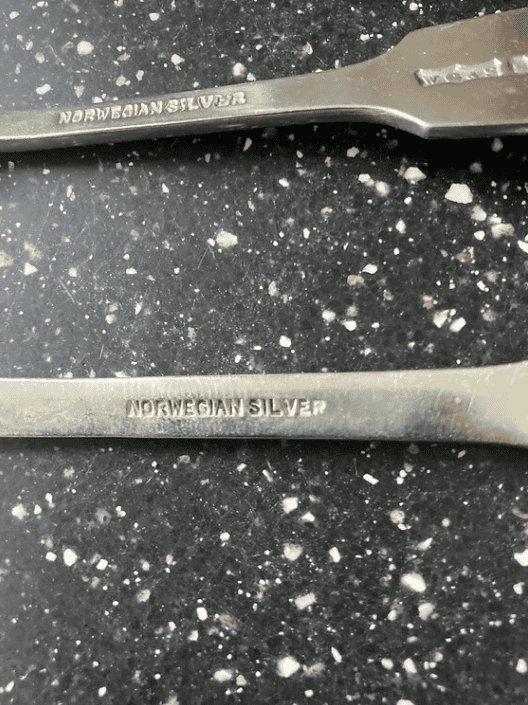
No, Scandinavian silver isn’t the same as Norwegian silver.
Scandinavian silver is a silver alloy composed of 83% pure silver and 17% copper.
And Norwegian silver is a base metal alloy (like nickel silver or other white metals) that was silver-plated (a common practice for cost-effective flatware and hollowware). “Norwegian Silver” is a proprietary trademark for a white metal alloy used by William Gallimore & Sons of Sheffield.
Bu composition this white metal alloy is more akin to nickel silver (German silver) than to true silver.
What are the Differences Between .830 (Scandinavian Silver) and .800 Silver?
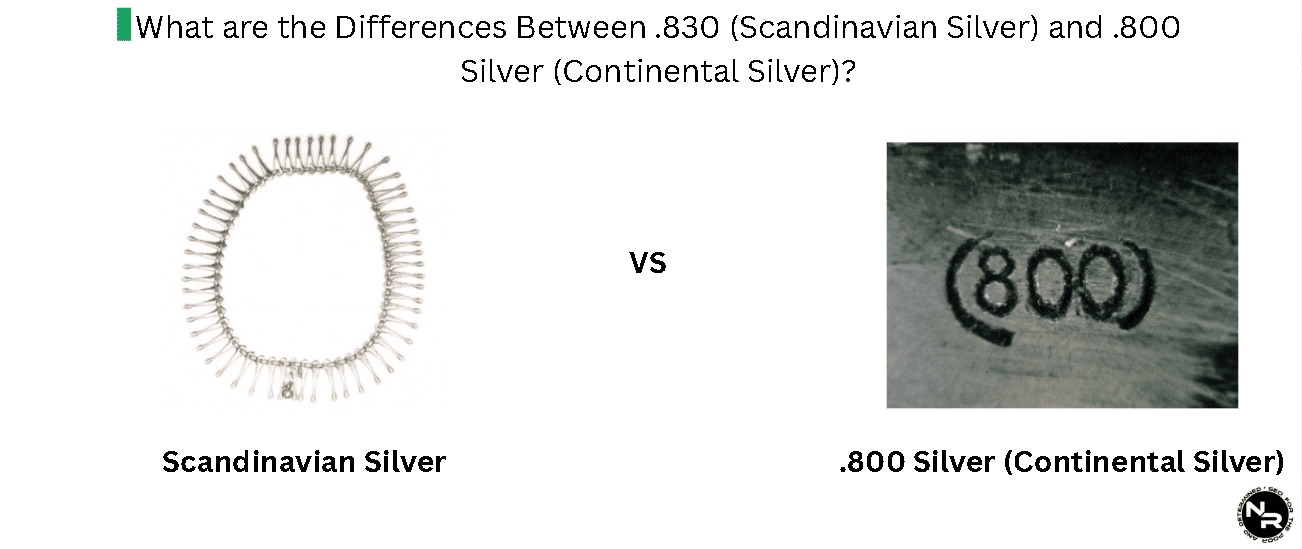
The primary differences between .830 (Scandinavian silver) and .800 silver lie in their exact purity levels, regional origins, and historical usage.
Both silver alloys are considered “low-grade” compared to the 925 sterling standard, but they’re still genuine silver alloys valued for their durability and antique charm.
Both silver alloys are occasionally called “Continental Silver”, but that name is far more common for .800 silver.
| Comparison | Silver 830 (Scandinavian Silver) | Silver 800 |
|---|---|---|
| Composition | 83% silver and 17% copper. | 80% silver and 20% copper. |
| Value | .830 silver is more valuable than .800 silver because it contains more pure silver and less copper. | Silver .800 is less valuable than silver .830 because it contains less pure silver and more copper. |
| Tarnishing properties | .830 silver tarnishes slower than .800 silver because it has less copper than it (copper tarnishes faster than silver). | Silver .800 tarnishes faster than silver .830 because it contains more copper, and less pure silver. |
| Durability | Silver 830 is less durable than .800 silver because it contains less copper (copper is more durable than silver). | Silver 800 is more durable than silver .830 because it contains more copper than it (copper is more durable than silver). |
| Allergenic properties | .830 silver is less allergenic than .800 silver because it contains less copper than it (copper is more allergenic than pure silver). | Silver .800 is more allergenic than .830 silver because it contains more copper than it. |
| Common applications | 830 silver was widely used in Scandinavian countries like Norway, Sweden, Finland and Denmark, especially for flatware and jewelry, from the late 19th century until the early 20th century, when it gradually gave way to the Sterling (.925) standard. | It was a common standard in continental Europe, particularly Germany and Italy, from the late 19th to mid-20th centuries. |
Hey, being so keenly interested in .830 silver must mean you like genuine, real silver in all shapes and forms.
Right?
Are you also a proud American with a keen eye for economy and investing?
Check this out next if you answered yes!
What are the Differences Between .830 (Scandinavian Silver) and .720 Silver (Silver Decoplata)?
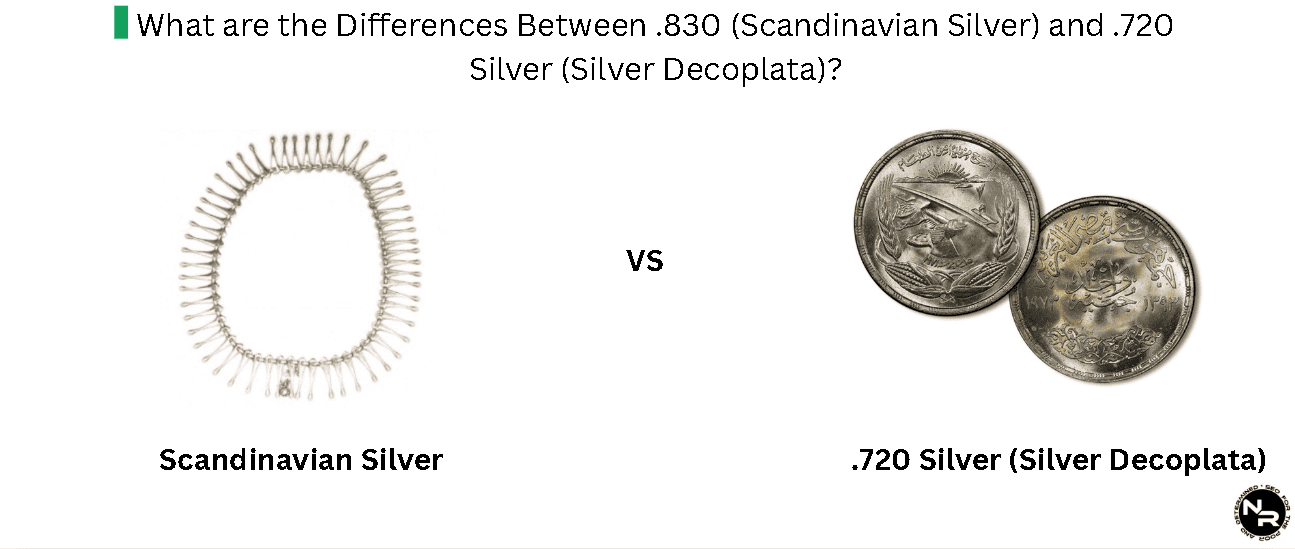
The primary differences between .830 (Scandinavian) silver and .720 silver (Decoplata) lie in their purity, origin, and historical application.
.830 silver is a higher-purity (83% pure) alloy commonly used in Scandinavian jewelry and cutlery. In contrast, .720 silver (Decoplata) is a lower-purity (72% pure) alloy that was primarily used for 20th-century coinage in Mexico, the Netherlands, and other regions.
| Comparison | Silver 830 | Silver Decoplata |
|---|---|---|
| Composition | 83% silver and 17% copper. | 72% silver and 28% copper. |
| Value | .830 silver is more valuable than Silver Decoplata because it contains more pure silver and less copper. | Silver Decoplata is less valuable than silver .830 because it contains less pure silver than it. |
| Tarnishing properties | .830 silver tarnishes slower than Silver Decoplata because it contains less copper than it (copper tarnishes faster than silver). | Silver Decoplata tarnishes faster than silver .830 because it contains more copper than it. |
| Durability | Silver 830 is less durable than Silver Decoplata because it contains less copper (copper is more durable than silver). | Silver Decoplata is more durable than .830 silver because it contains more copper (copper is more durable than silver). |
| Allergenic properties | .830 silver is less allergenic than Silver Decoplata because it contains less copper than it (copper is more allergenic than pure silver). | Silver Decoplata is more allergenic than .830 silver because it contains more copper than it. And copper is considered more allergenic than silver. |
| Common applications | 830 silver was widely used in Scandinavian countries like Norway, Sweden, Finland and Denmark, especially for flatware and jewelry, from the late 19th century until the early 20th century, when it gradually gave way to the Sterling (.925) standard. | Used primarily for minting circulating coinage in various countries during the mid-20th century. |
Hey, being so keenly interested in .830 silver must mean you like genuine, real silver in all shapes and forms.
Right?
Are you also a proud American with a keen eye for economy and investing?
Check this out next if you answered yes!
What are the Differences Between .830 (Scandinavian Silver) and .500 Silver (Half Silver)?
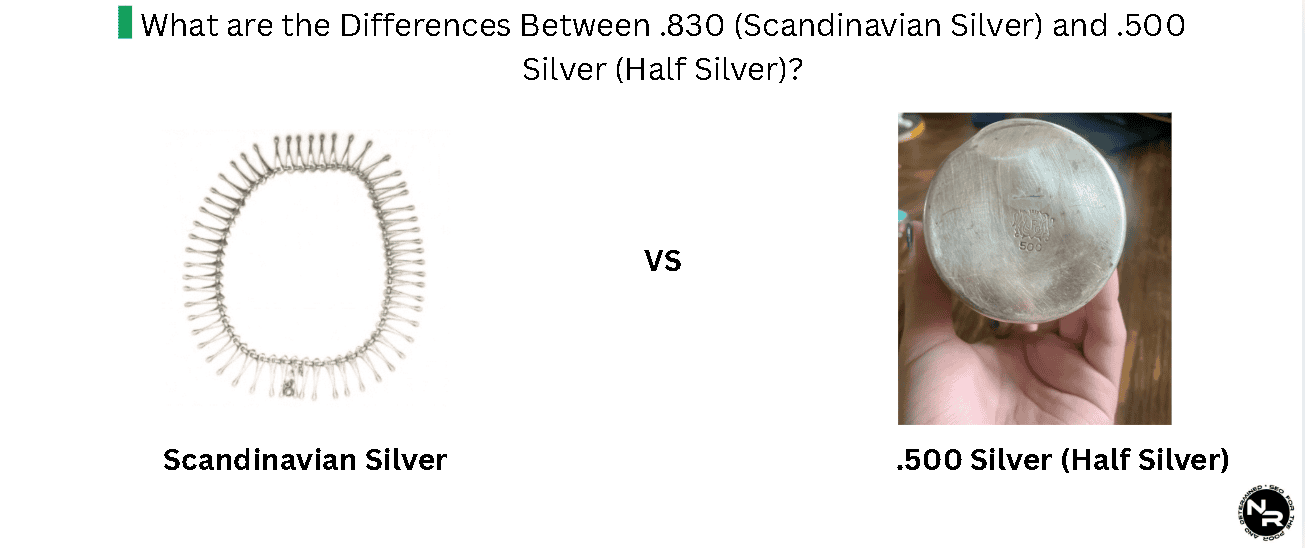
The primary difference between .830 (Scandinavian) silver and .500 (half) silver lies in their purity and intended use.
.830 silver is a high-grade, durable silver alloy (83% silver) used primarily for antique, high-quality Scandinavian jewelry and silverware.
.500 silver is a lower-grade “half” silver (50% silver) primarily used for coinage and, historically, lower-cost silver items.
| Comparison | Silver 830 | Silver 500 |
|---|---|---|
| Composition | 83% silver and 17% copper. | 50% silver and 50% copper. |
| Value | .830 silver is more valuable than silver 500 because it contains more pure silver and less copper. | Silver 500 is less valuable than .830 silver because it contains less pure silver and more copper. |
| Tarnishing properties | .830 silver tarnishes slower than silver 500 because it contains less copper than it (copper tarnishes faster than silver). | Silver 500 tarnishes faster than .830 silver because it contains too much copper compared to its silver content. |
| Durability | Silver 830 is less durable than silver 500 because it contains less copper (copper is more durable than silver). | Silver .500 is more durable than silver .830 because it contains more copper (copper is more durable than silver). |
| Allergenic properties | .830 silver is less allergenic than silver .500 because it contains less copper than it (copper is more allergenic than pure silver). | Silver .500 is more allergenic than Silver 830 because it contains more copper than it. |
| Common applications | 830 silver was widely used in Scandinavian countries like Norway, Sweden, Finland and Denmark, especially for flatware and jewelry, from the late 19th century until the early 20th century, when it gradually gave way to the Sterling (.925) standard. | 500 Silver was commonly used in British coins between 1920 and 1946. Occasionally, it is used in jewelry where cost is a significant concern. |
Hey, being so keenly interested in .830 silver must mean you like genuine, real silver in all shapes and forms.
Right?
Are you also a proud American with a keen eye for economy and investing?
Check this out next if you answered yes!
What are the Differences Between .830 (Scandinavian Silver) and Nickel Silver?
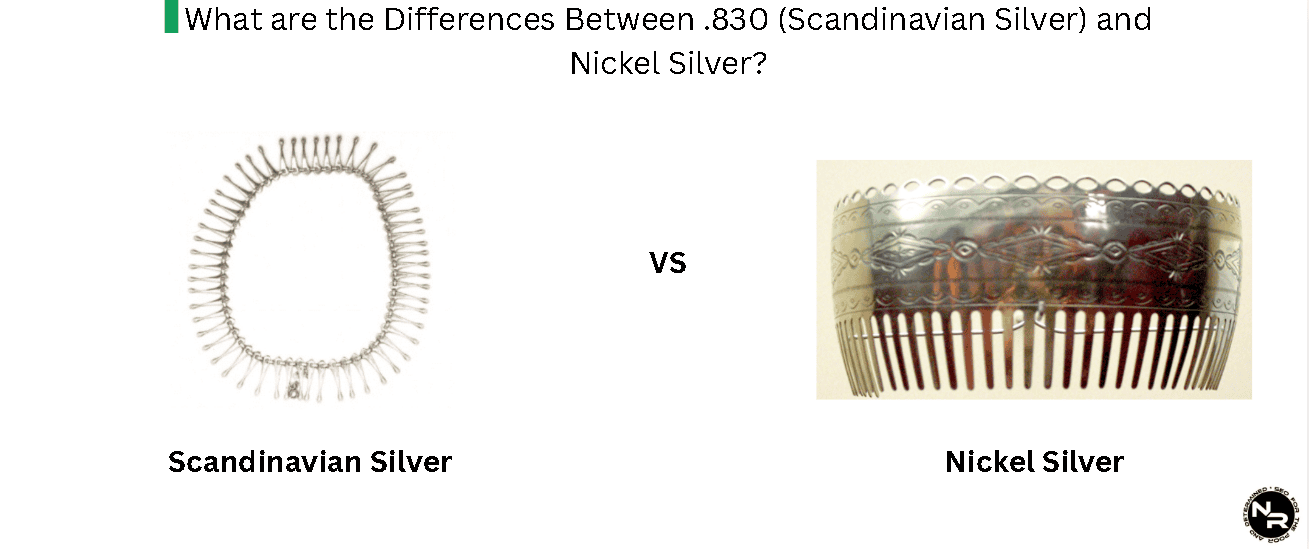
The primary difference between .830 (Scandinavian silver) and nickel silver (German Silver) is that .830 silver is a precious metal alloy containing real silver, while nickel silver has no silver at all.
.830 Silver (Scandinavian Silver) is a genuine silver alloy composed of 83% pure silver and 17% copper or other metals. It is frequently used in Scandinavian jewelry and is considered to be a high-quality and durable silver alloy.
Nickel silver (German Silver/Alpaca) is a base metal alloy composed of copper, nickel, and zinc (typically 60% copper, 20% nickel, 20% zinc). Despite its name, it’s a “false” silver used for inexpensive, hard, and corrosion-resistant items, or as a base for plating.
| Comparison | Silver 830 | Nickel silver |
|---|---|---|
| Composition | 83% silver and 17% copper. | 60% copper, 20% nickel, and 20% zinc. |
| Value | .830 silver is more valuable than nickel silver because it contains more pure silver and less copper. | Nickel silver is less valuable than .830 silver because it contains no pure silver. |
| Tarnishing properties | .830 silver tarnishes slower than nickel silver because it contains less copper than it (copper tarnishes faster than silver). | Nickel silver tarnishes faster than .830 silver because it contains too much copper and no pure silver. |
| Durability | Silver 830 is less durable than nickel silver because it contains less copper (copper is more durable than silver). | Nickel silver is more durable than silver .830 because it contains more copper (copper is more durable than silver). |
| Allergenic properties | .830 silver is less allergenic than nickel silver because it contains less copper than it (copper is more allergenic than pure silver). | Nickel silver is more allergenic than Silver 830 because it contains more copper than it. |
| Common applications | 830 silver was widely used in Scandinavian countries like Norway, Sweden, Finland and Denmark, especially for flatware and jewelry, from the late 19th century until the early 20th century, when it gradually gave way to the Sterling (.925) standard. | Nickel silver is used in decorative items (jewelry, flatware, architectural trim), musical instruments (flutes, saxophones), electronics (contacts, switches, connectors), and precision components (keys, watch parts, springs, ballpoint pen tips). |
Hey, being so keenly interested in .830 silver must mean you like genuine, real silver in all shapes and forms.
Right?
Are you also a proud American with a keen eye for economy and investing?
Check this out next if you answered yes!
What is Scandinavian Silver? Conclusion
Scandinavian silver, also known as “830 silver,” is an alloy composed of 83% pure silver and 17% copper, primarily used for jewelry, tableware, and decorative items across Denmark, Sweden, Norway, and Finland. I
It’s non-magnetic, generally considered hypoallergenic (though copper or trace nickel may cause reactions). It’s distinct from “Norwegian silver,” which is a non-silver white metal alloy.
References:
- Scandinavian Silver Fringe Necklace- https://www.antiquejewellerycompany.com/au/shop/scandinavian-silver-fringe-necklace/
- Norwegian silver- https://www.silver-collector.com/t/norwegian-silver/16937/1
- Norwegian Solid Silver spoon 830s NM Hallmark- https://www.20thcenturyforum.com/t14016-norwegian-solid-silver-spoon-830s-nm-hallmark-use-id-request
- Scandinavian Silver Jewelry- https://www.etsy.com/market/scandinavian_silver_jewelry
- Antique Scandinavian Silver Bonbonnière Box – https://www.etsy.com/listing/4428116068/antique-scandinavian-silver-bonbonniere
- Antique Swedish 830 Silver Cocktail Picks Set, 1900’s- https://www.etsy.com/listing/4441558016/antique-swedish-830-silver-cocktail
- Elegant Danish Silver Candlestick, 830 Silver, c. 1920–1930- https://www.etsy.com/listing/1793785585/elegant-danish-silver-candlestick-830
- Vintage 830 Solid Silver Pendant.- https://www.etsy.com/listing/4435636222/vintage-830-solid-silver-pendant
- Vintage 830 Solid Silver Pendant.- https://www.etsy.com/listing/4435644721/vintage-830-solid-silver-pendant
- Timeless Norwegian Silver Tableware: Mylius 830S Vintage Telesilver Shovel for Stylish Dining Experience- https://www.etsy.com/listing/1593610664/timeless-norwegian-silver-tableware
- 830S Silver Spoon & Fork Set Ringebu David Andersen Norway- https://www.etsy.com/listing/4441324068/830s-silver-spoon-fork-set-ringebu-david
- Set Of 2 Danish 1893 – 1937 C.M. Cohr Silver 830s SALAD FORK & SPOON- https://www.etsy.com/listing/1178459257/set-of-2-danish-1893-1937-cm-cohr-silver
- Set of Nils Hansen Oden 830 Silver Norway Flatware 12 Place Setting (800+ g)- https://www.etsy.com/listing/669698946/set-of-nils-hansen-oden-830-silver
- Nickel silver- https://en.wikipedia.org/wiki/Nickel_silver
- SF Co (500) hallmark – 50% or plate?- https://www.reddit.com/r/Hallmarks/comments/1l5owa5/sf_co_500_hallmark_50_or_plate/
- Decoplata: The History of .720 Silver in World Coinage- https://coinweek.com/decoplata-the-history-of-720-silver-in-world-coinage/
- The Difference between Silver, Sterling Silver, 900 Silver, 800 Silver, Alpaca, Nickel Silver and Silver Plated Jewelry- https://hunterridgeacquisitions.wordpress.com/2014/06/27/the-difference-between-silver-sterling-silver-900-silver-800-silver-alpaca-nickel-silver-and-silver-plated-jewelry/
- What are .830 Silver Hallmarks from Sweden?- https://www.silvercollection.it/DICTIONARYEUHALLMARKSWEDEN.html
- What are .830 Silver Hallmarks from Denmark?- https://www.silvercollection.it/DICTIONARYEUHALLMARKNORWAYKN.HTML
- What are .830 Silver Hallmarks from Denmark?- https://www.cottees.co.uk/catalogue/lots/9352246F4A78DB0203D203E26577739A459F21C51DEF46D6D7CF998E3BFEBA79/9B1FDFADBCFBACC4DAB7CA2AB83DBD43/general-auction-to-include-collectables-silver-and-jeweller-lot-239/
- What are .830 Silver Hallmarks from Finland?- https://www.silvercollection.it/DICTIONARYEUHALLMARKFINLAND.HTML

Nikola Roza
Nikola Roza is a blogger behind Nikola Roza- SEO for the Poor and Determined. He writes for bloggers who don't have huge marketing budget but still want to succeed. Nikola is passionate about precious metals IRAs and how to invest in gold and silver for a safer financial future. Learn about Nikola here.
