
Disclosure: Some of the links you’ll encounter are unique links. Click and buy something and I’ll earn some money, at zero expense to you. Thank you!
As a tech entrepreneur, you’d probably rather deal with code than crunch numbers.
However, ensuring that your financial operations run smoothly is just as critical for long-term success and strong financial performance.
This is why forming a Limited Liability Company (LLC) can come into play. With an LLC, you’ll have a straightforward, flexible structure that can simplify many financial aspects of your business.
In this guide, we’re taking a closer look at how to streamline financial processes with an LLC. We’ll review areas like taxes, profit distribution, and essential tools you’ll need to keep your tech business running efficiently.
Ready to learn more?
Let’s begin.
What is an LLC?
An LLC is a legal business framework that may shield your personal assets from business-related debts or liabilities. This is a core part of sound financial operations management.
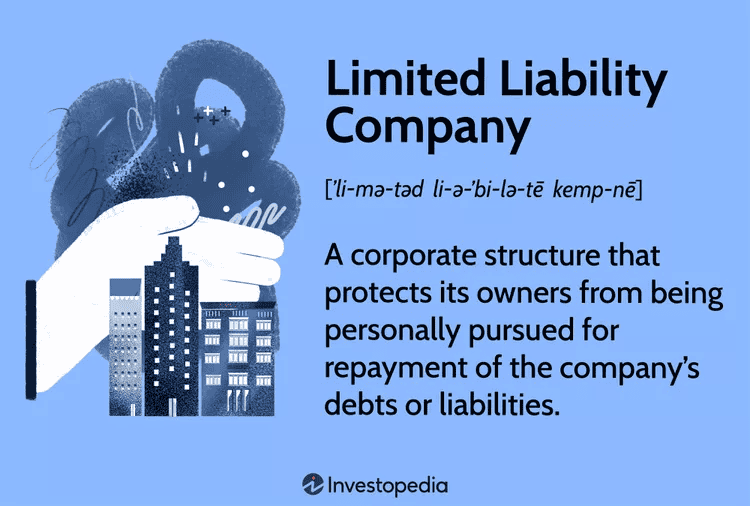
Note: A liability is something your business owes — like debts, loans, or obligations. It’s any financial responsibility you need to pay back or settle.
Having an LLC is like having a protective barrier. If your business encounters legal trouble or incurs debt, your personal finances and assets (usually) remain protected.
Compared to corporations, LLCs offer more flexibility in how you run things. They tend to have fewer rules, making them ideal for busy tech entrepreneurs. Your business might also benefit from tax advantages if you register it as an LLC. (More on this soon.)
Notice we said “usually” and “tend” — and that’s for a reason.
Firstly, there’s no guarantee that anything can protect your personal assets. That’s why it’s important to meet with financial professionals to understand the fine details. Secondly, the regulations and benefits of an LLC aren’t always the same.
Key benefits of an LLC
Starting an LLC can offer several financial efficiency benefits, particularly in terms of:
- Asset protection
- Financial data transparency
- Tax diversification
- Simplified administration
Let’s dig deeper to see how an LLC could streamline your financial operations.
Separating personal and business liability
What is the biggest benefit of an LLC? It keeps your personal assets safe from business liabilities.
Imagine you’re developing groundbreaking biotech software, but something goes wrong — maybe a security flaw leads to a costly lawsuit. If you’ve mixed your personal and business finances, there’s a high risk you’ll lose your savings, home, or other personal assets.
With an LLC and separate accounts for personal and business finances, you’re protected and also have better financial transparency and cash flow visibility. Plus, having separate records simplifies tax preparation. This financial clarity also supports founders in evaluating OKRs vs EOS in business operations to strengthen their LLC’s overall management framework.
This leads us to a common follow-up question. Do LLC requirements differ by state?
Yes, each state has unique rules, business requirements, and advantages when forming an LLC.
For example, LLCs in South Carolina have low filing fees and straightforward regulations. There’s also no franchise tax. This can save you a lot of money (and headaches) compared to other states.
Be sure to research the specific benefits your state offers when forming your LLC. These small advantages can streamline your financial planning.
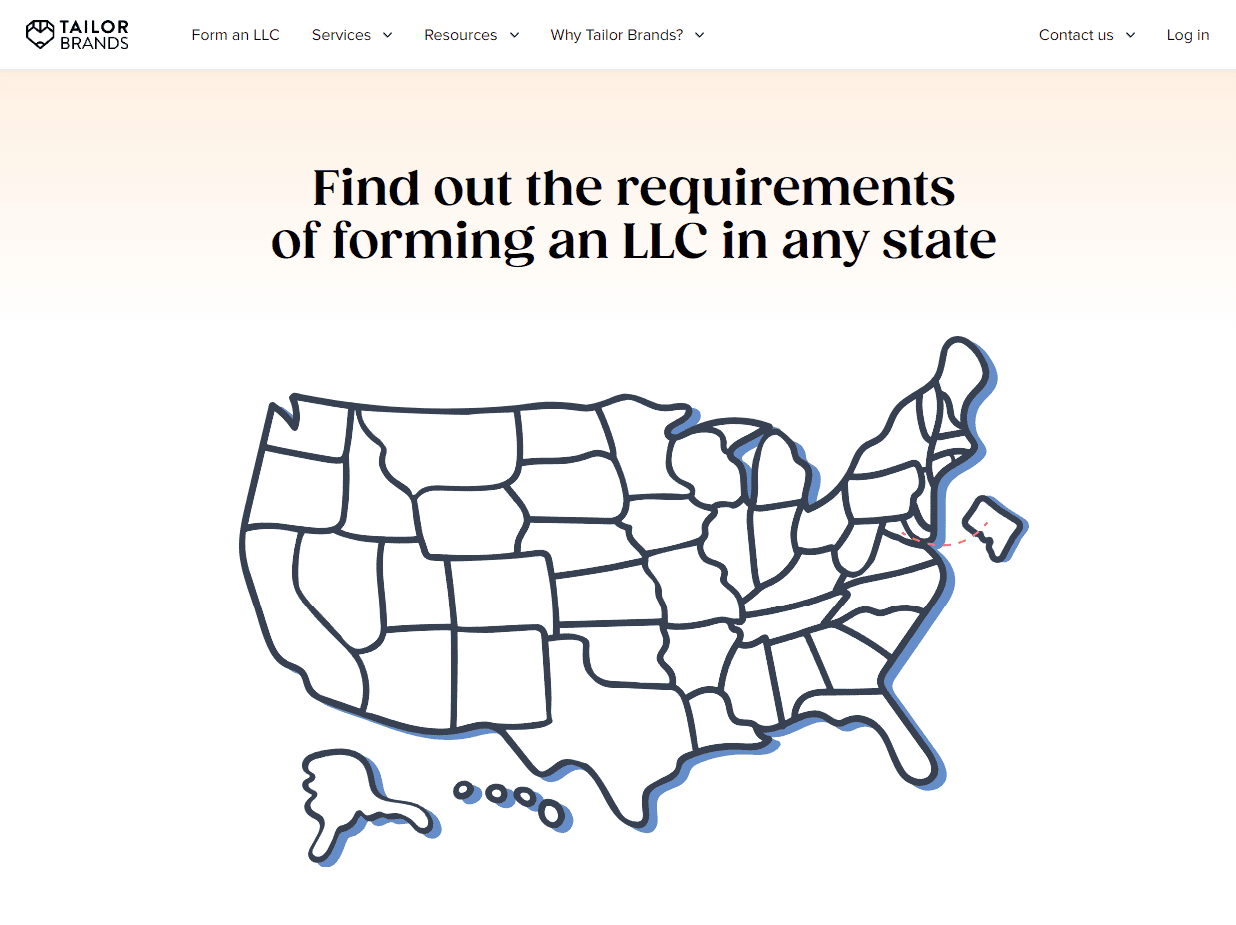
PS: No, franchise taxes aren’t just for franchises! Despite the name, they apply to most businesses, including LLCs and corporations, for the right to operate in a particular state. It’s more of a general business tax, not limited to actual franchises.
Taxes
The tax process is streamlined for LLCs thanks to pass-through taxation. This means you’ll report profits (or losses) on your personal income tax return, thereby avoiding the double taxation that corporations face.
According to IRS data, LLCs make up approximately 72.7 % of all partnership-type tax returns filed in the United States, underscoring how common this structure is for entrepreneurs who want a simple, efficient way to handle their business taxes.
Note: Single-member LLCs file taxes under the owner’s personal return, while multi-member LLCs must file a Form 1065 partnership return.
*Pro Tip: Keep your financial records straight with business accounting software or hire a good accountant. This will also help you reduce human error and take advantage of all eligible deductions.
Flexibility and profit distribution
LLCs give you more flexibility when it comes to splitting up profits. You can share them based on each person’s contribution or other logical formulas aligned with your financial strategy and investment products.
This can help you save on taxes and fuel business growth.
For instance, you might choose to reinvest some of the profits in tech research and development (R&D) and take a smaller cut for yourself. If you’re unsure how to do this, local financial wealth management companies can help keep you on track.
LLC must-haves
Setting up an LLC requires more than just filling out a few standard forms.
Here are some essentials you’ll need to meet regulatory requirements and establish a solid financial foundation.
Business name
Your business name (DBA) defines your startup and builds investor trust. A strong name reflects your company’s focus, which may help attract partners and secure funding. It can even impact your business’s value during fundraising or a sale.
For example, “TechNext Innovations LLC” signals to investors that you’re all about tech and innovation.
Employee Identification Number (EIN)
An EIN is a must-have for LLCs — especially if you’re hiring employees or or handling premium collection and tax reporting.
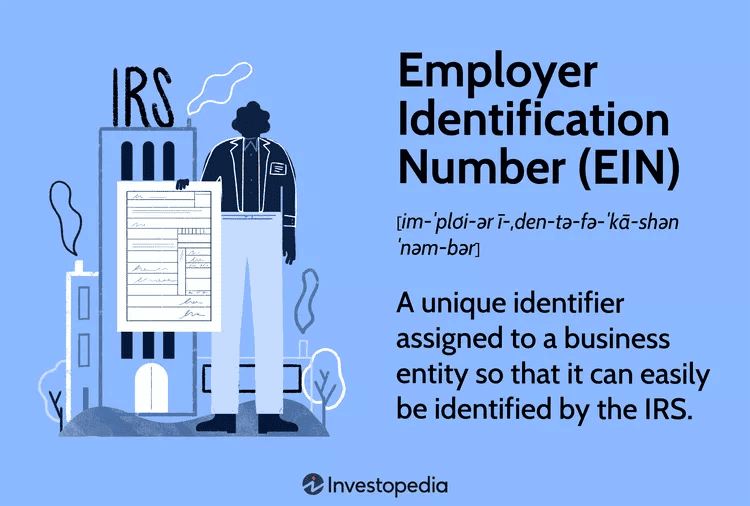
Note: The IRS provides EINs for free, which can be easily applied for online, by mail, or even by fax.
Even if you’re a single-member LLC, having an EIN helps you separate personal and business finances. It also simplifies financial operations management, including AP process, payroll, and tax filing.
An EIN is valuable when seeking hotel financing, real estate investments, or equipment leasing, as lenders use it to assess business creditworthiness and approve funding.
Business bank account
When opening a business bank account, you’re creating a foundation for cash flow management and improved financial efficiency.
It helps you track expenses, manage credit lines, and make data-driven financial decisions.
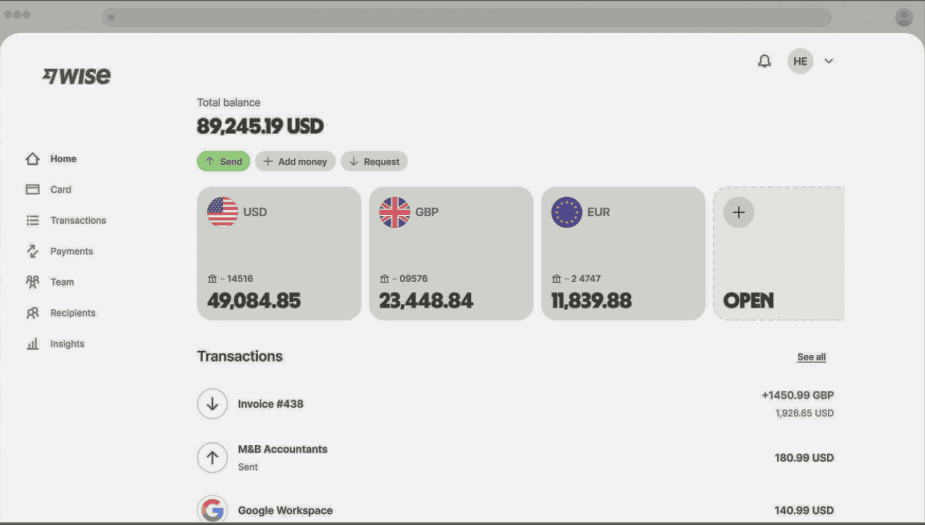
For tech entrepreneurs, using high-limit business credit cards linked to a business bank account can be a huge advantage. These cards let you cover big expenses, like software development or major marketing initiatives. Without draining your cash. They also help with cash flow and often come with perks like travel points or discounts on essential tools. And as your tech business grows and begins generating inbound leads or partner requests, a lead-routing scheduler like Inleado can help automate meeting booking and ensure the right team member handles each conversation.

Business license
Every business, including LLCs, needs the proper licenses to operate legally. A business license ensures compliance and improves credibility with lending institutions and clients alike.
Registered agent
A registered agent is essential for managing legal documents, processing tax forms (such as W-9 and W-8), and handling correspondence. Whether a service or person, this role ensures no missed deadlines or OFAC SDN sanctions issues arise.
Articles of organization
Articles of Organization is the legal document that establishes your LLC’s official structure.
It outlines your LLC’s legal existence and key details, such as management set-up and ownership.
A clear framework helps you align your financial operations with your legal obligations.
Business accounting software
Whether or not you hire an accountant, robust accounting software is vital. It automates data entry, produces balance sheets, and tracks financial statements with the help of AI tools and robotic process automation.
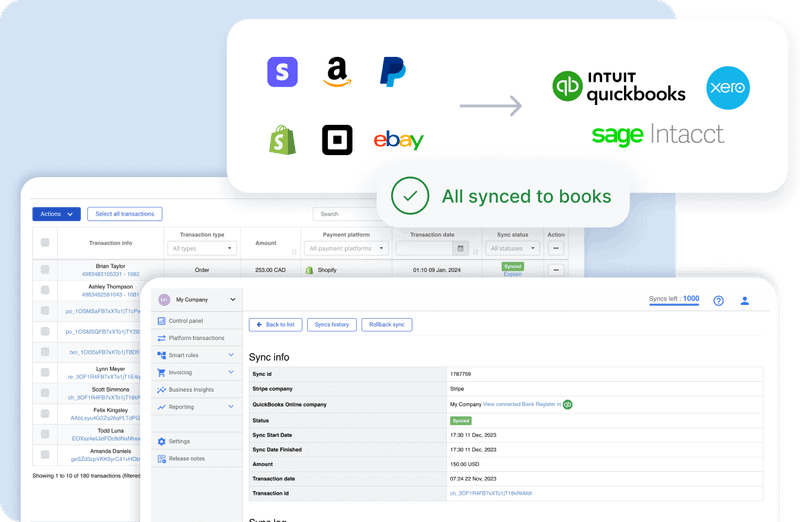
It may also sync with Microsoft 365 tools, digital invoice and purchase order software, and sales invoicing modules. This allows financial professionals to focus on financial strategy instead of repetitive work.
How to set up an LLC
Now that we’ve covered the groundwork, here’s how to form your LLC:
Step 1: Choose a business name or DBA
Pick a business name that reflects your brand and complies with your state’s laws, while adhering to company search criteria.
If your preferred name isn’t available, you can register a Doing Business As (DBA) name. A DBA lets you operate under a different name while keeping your official business name on record.
Be sure to check local regulations to avoid delays.
Step 2: Designate a registered agent
Once you have your business name, designate a Registered Agent. This person or service will handle all legal paperwork for your business.
Step 3: Set up your LLC
Finally, set up the LLC with the help of your agent.
Here’s how:
Choose your LLC structure
Decide on the basic structure of your LLC (either a single-member or multi-member LLC). This will influence your management style and tax treatment.
For example:
- In a single-member LLC, you’ll report all profits and losses on your personal income tax return. While this simplifies tax filing, you’re solely responsible for business debts and taxes. Make sure to keep your financial records in top shape to avoid confusion.
- In a multi-member LLC, you’ll file a Form 1065 partnership tax return and allocate income and deductions among your members. Be sure to manage your internal agreements carefully if you choose this option — otherwise, you’ll risk compliance.
File Articles of Organization
Submit this form to your state’s business filing office to officially create your LLC. This document includes basic details about your LLC, including its name, address, and registered agent.
Create an Operating Agreement
While not always legally required, drafting an operating agreement helps determine how your business will run.
This document describes how your LLC will be managed, how your profits and losses will be distributed, and your members’ roles and responsibilities. (It’s similar to a business plan.)
It’s essentially the internal rulebook for how your LLC will operate.
Obtain necessary licenses and permits
Depending on your business and location, you may need the appropriate licenses or permits to operate legally. Check with your registered agent for more information.
Set up your financial accounts and EIN
Open a business bank account and apply for an EIN (Employer Identification Number). This number is for tax purposes. Consider linking a high-limit business credit card to it so you’ll have more wiggle room in your cash flow.
Conclusion
Forming an LLC can help you take control of your tech business’s financial operations. It offers liability protection, tax advantages, and a clear separation between personal and business finances. All this is essential for long-term growth.
With the right tools, from business accounting software to dedicated financial accounts, you can build a structure that supports smarter decisions and sustained scalability.
Want to keep learning how to grow your business the smart way? Visit Nikola Roza’s blog for more guides, SEO insights, and entrepreneurial resources. These will help you streamline operations, strengthen your online presence, and scale efficiently.
Author Bio:

Ioana Wilkinson
Ioana is a business strategist and content writer for B2B tech and SaaS brands. She also helps aspiring entrepreneurs build remote businesses. Born in Transylvania and raised in Texas, Ioana has been living the digital nomad life since 2016. When she’s not writing, you can catch her snorkeling, exploring, or enjoying a café con leche in Barcelona!

Nikola Roza
Nikola Roza is the owner of Nikola Roza- Everything You Can Learn About Precious Metals. He writes for people who love precious metals and jewelry and who're interested in adding gold, silver platinum and palladium to their retirement portfolios. Nikola is passionate about gold IRAs and investing in multiple asset types for a safer financial future. He also runs a successful online jewelry store where you can buy precious metal jewelry and various replicas of famous coins and bars. Learn about Nikola here.