
Disclosure: Some of the links you’ll encounter are unique links. Click and buy something and I’ll earn some money, at zero expense to you. Thank you!
The line between tech and marketing is gone.
They now run as one system that’s fast, smart, and built for real-time results. So if you’re in marketing, you’re in tech now, too. 😉
Why? Because everything that drives growth today resides in the stack: real-time data flows, AI models, modular tools, content automation, and privacy-protected infrastructure.
Industry shift? More like a complete reset.
AI with clean, unified data as a single source of truth
Marketing teams are investing in customer data platforms (CDPs), data warehouses, and identity resolution technologies to create a single source of truth.
Digital marketing teams rely on data, social media signals,marketing research, and specialized tactics like shopping engine search monitoring to understand consumer behavior and adapt brand strategy in real time.
With clean, reliable AI data in one place, marketers can:
- Personalize messaging across channels based on behavior, preferences, and customer journey stage
- Create experiences based on real customer behavior, not outdated assumptions
- Deliver real-time recommendations that increase engagement and conversions
- Reduce wasted ad spend by targeting the right people at the right moment
- Enable dynamic pricing tailored to individual customer profiles and context
- Respond faster to shifts in customer intent, seasonality, and market trends
When data is unified and accurate, AI acts on facts. This means marketing efforts become more measurable and accountable. You can pinpoint what’s driving results in real-time and adjust quickly when things don’t work.
More on “real-time marketing” in the next section.
Real-time is the new default
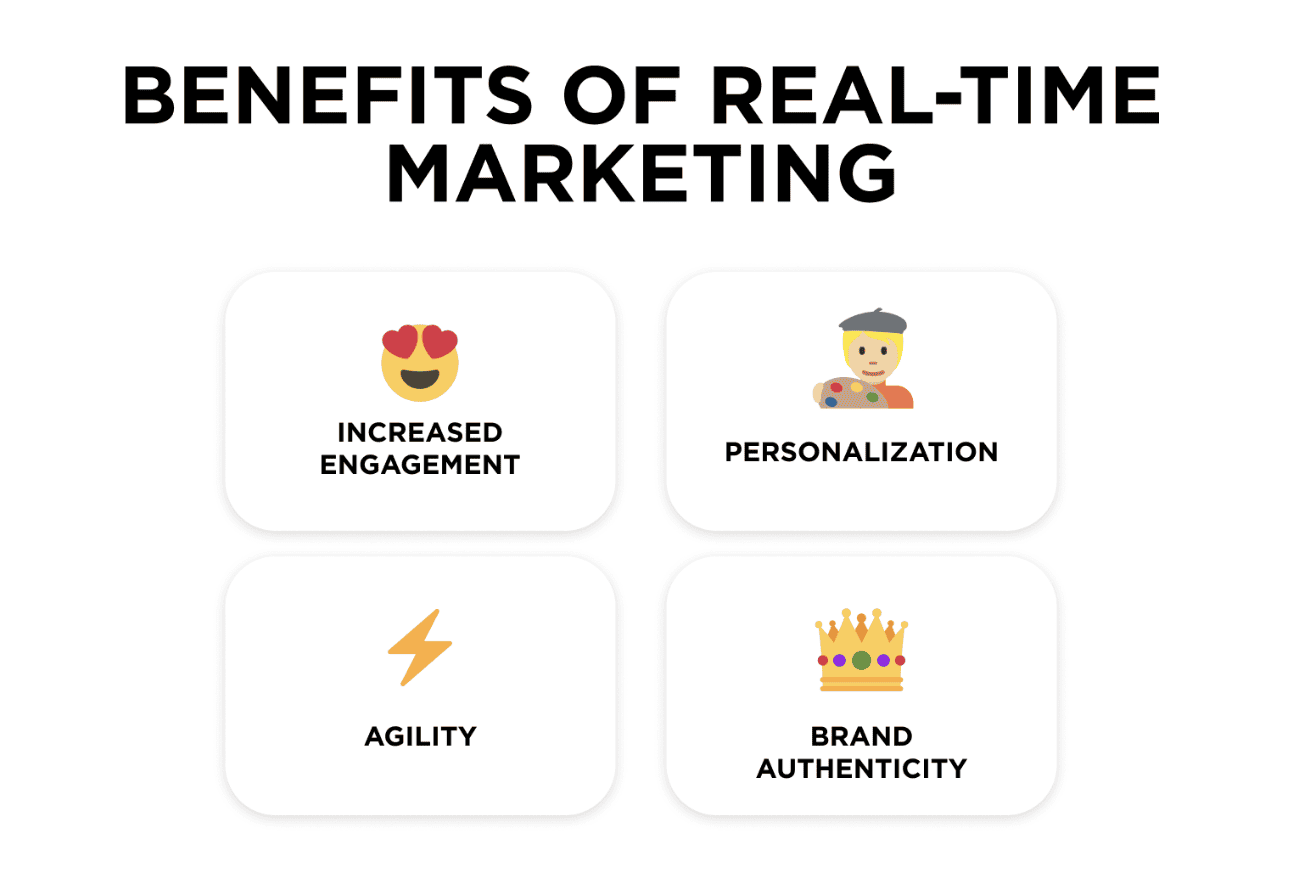
Before real-time tools, marketing relied on static segments and delayed responses. It was slower, less personalized, and based on guesses, rather than live behavior.
Now, the best teams move quickly and act on user behavior in real-time. Everything is a test — and everything updates in seconds.
➜ An abandoned cart can trigger a video marketing email within moments. A click on a blog post can instantly tailor landing pages, social media communications, and online advertising experiences. An A/B testing campaign can publish the winning version as soon as the results come in. These reactions feel personal and, most importantly, they work. According to ResearchGate, real-time marketing improves customer satisfaction and conversion rates.
But this kind of agility depends on the right tools. Teams need cloud-native infrastructure to scale without slowdowns, edge computing to process data closer to users, and event-streaming platforms that capture and deliver data instantly.
This is the secret to maintaining a competitive edge in dynamic markets … indefinitely.
Personalization now starts with consent
Creepy tracking is out. Consent-based personalization is in.
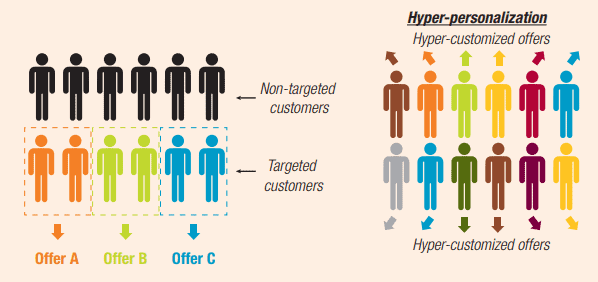
High-performing marketing teams can’t entirely rely on third-party data anymore. Instead, they review guided selling data for contextual behavior, ask customers directly via zero-party data tools, and analyze opt-in segments.
This enables brands to create more effective customer experiences and foster long-term trust.
When customers feel in control, they share more. And this data tends to be more accurate and actionable. Brands can use it to inform product development, refine messaging by segment, and prioritize features based on user preferences. The result is personalization that feels helpful, not invasive.
Composable stacks unlock flexibility
The old way: One giant marketing solution that does everything slowly.
The 2026 way: A stack of best-in-class tools that talk to each other through APIs. You can swap out what’s not working and test new tools without waiting for a vendor roadmap.
This new modular approach helps teams build workflows that match their business. It also future-proofs your stack by making it easy to plug in the next innovation.
You can use an app like Blink to keep cross-functional teams aligned in real time, a dynamic CDP to unify customer data across channels, and a no-code automation tool to streamline repetitive tasks.
Each piece plays its part. And if one stops performing, you just swap it.
Security is now a marketing issue
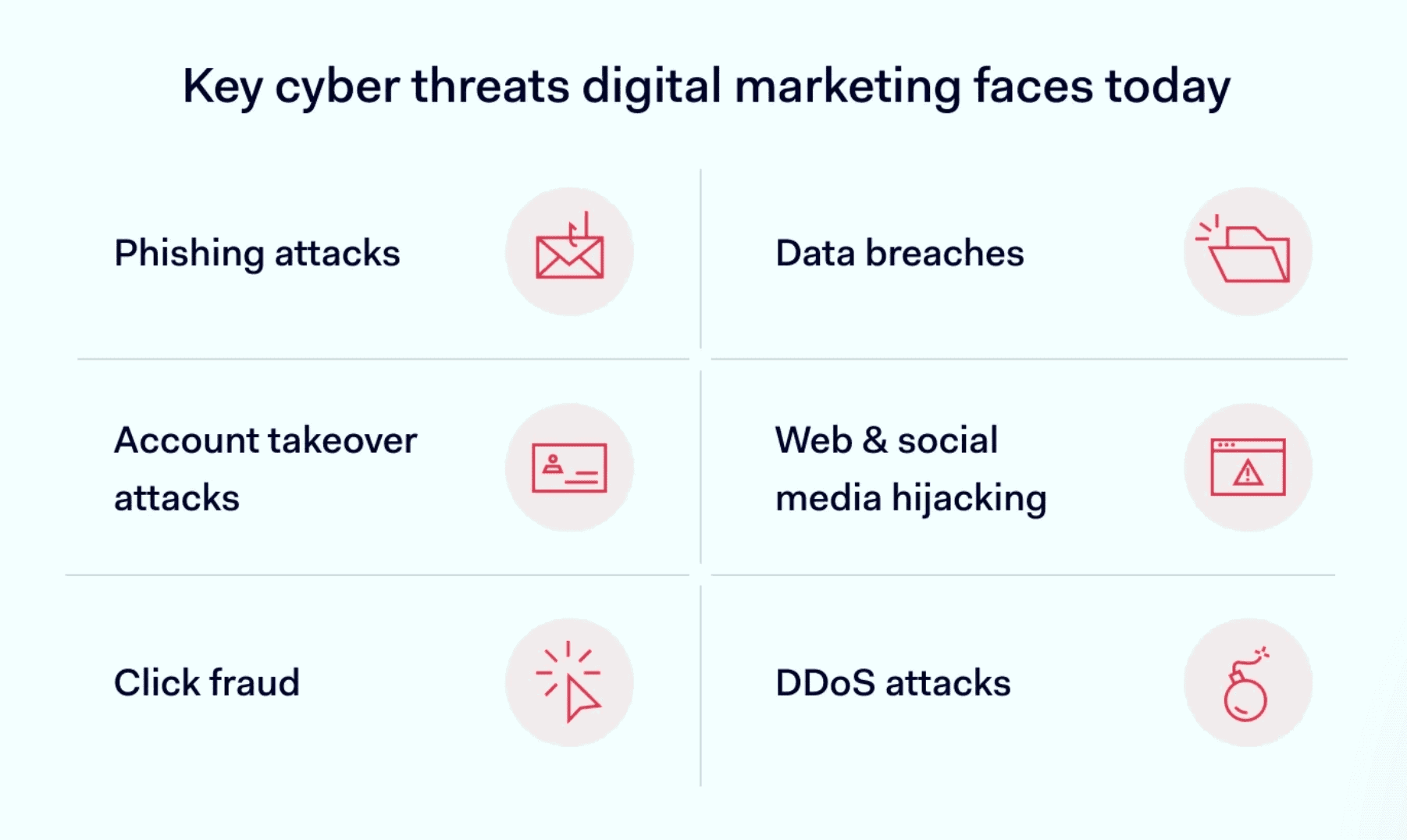
There’s a downside to this promising crossover between tech and marketing. Marketing systems have become high-value targets for cyberattacks. Threats like fake domains, Deepfake ads, and data-sync hacks are on the radar for both IT and CMOs.
A security breach or data mishandling affects operations, but it also erodes customer trust.
➜ Expect more marketing leaders to learn the basics of data management, cloud security, SOC 2 compliance, and threat modeling. A martech stack is only as strong as its weakest unsecured API.
Content scales like code now
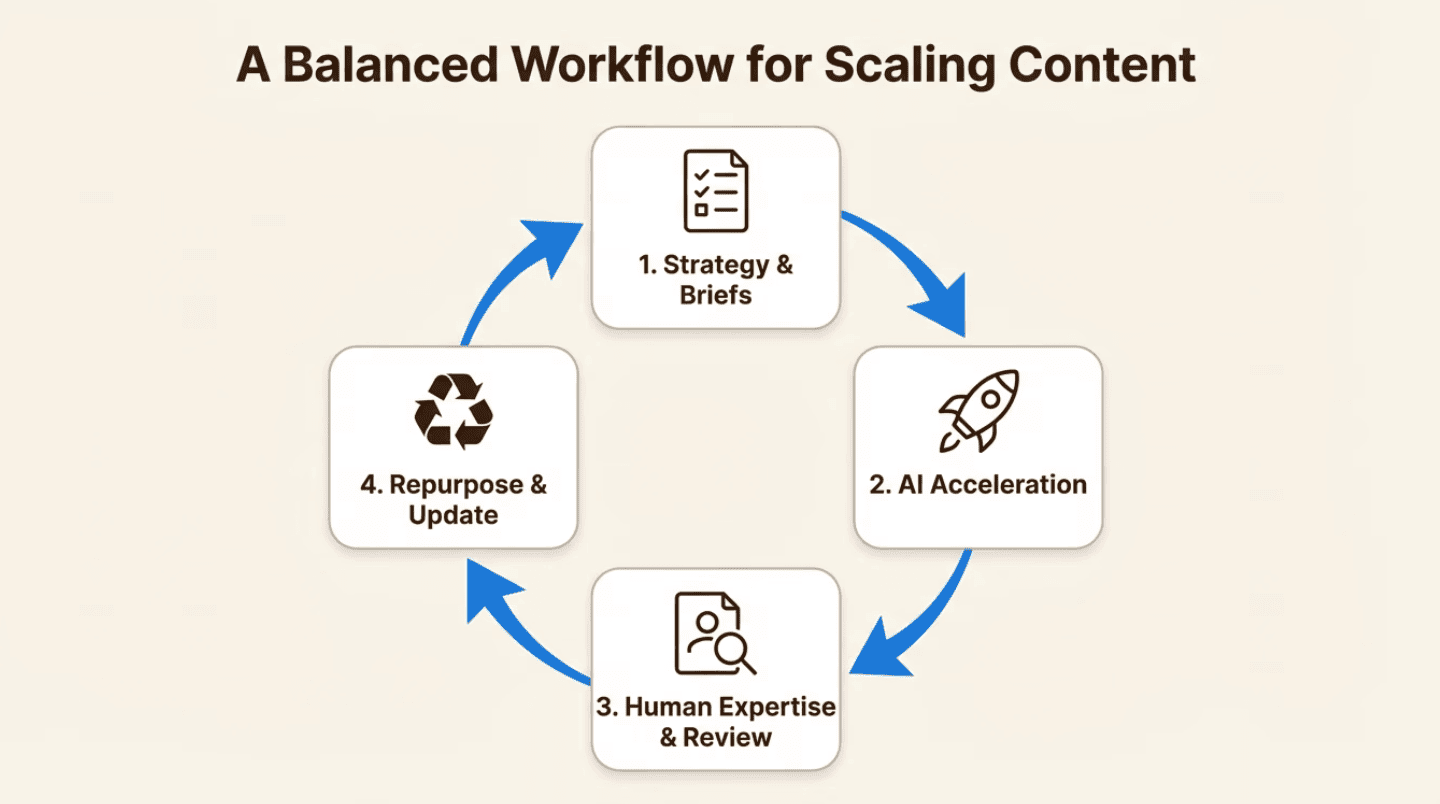
Content teams in 2026 aren’t writing everything from scratch. They utilize modular systems, including templates, AI co-writers, and marketing automation workflows. One idea becomes many with smart repurposing.
Co-writing tools, such as a paraphraser, help teams repurpose content across formats and audiences. A single whitepaper can inspire blog posts, segmented emails, and social content, each tailored to the right channel and audience.
This helps speed up timelines and preserve creative energy for the parts of content marketing that matter most: Expert-driven storytelling.
Customer journeys are shaped, not tracked
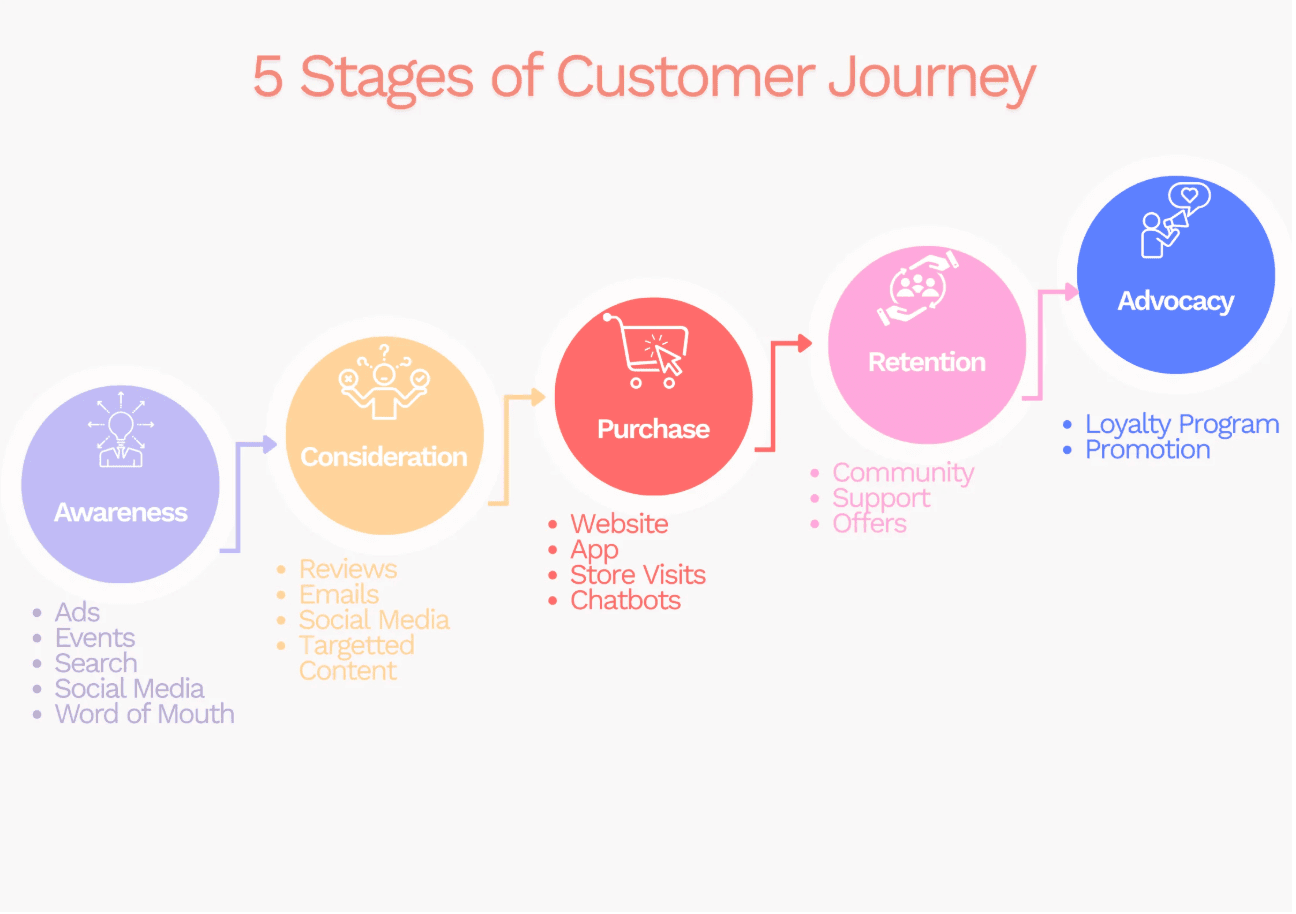
Smart teams are using predictive modeling and synthetic personas to steer users in real-time.
With enough behavioral signals, you can forecast what a user needs before they even ask.
(Think proactive chat prompts, dynamic landing pages, or offers triggered by micro-behaviors.) This strategy, when combined with data from a CRM and a customer data platform, encourages conversions and fosters loyalty.
AdTech is smarter and faster
Modern Adtech has leveled up. Programmatic media buying, real-time audience segmentation, and dynamic creative optimization let marketers deliver hyper-targeted ads with precision.
Marketers can deliver value at the exact moment customers are ready to act.
These technologies plug directly into martech stacks to power full-funnel digital marketing campaigns at scale … from awareness through to post-purchase engagement. They also offer real-time performance data to support faster pivots and smarter bidding.
Attribution gets smarter with probabilistic models
Cookie-based tracking? Again … that’s fading fast.
To safeguard budgets, marketers are turning to uplift modeling, econometrics, and multi-touch attribution systems that reveal which channels influence customer behavior.
Marketing teams often collaborate with media communications specialists and public relations professionals to interpret attribution insights and adjust messaging across channels.
Probabilistic attribution (a method used to estimate which marketing channels or touchpoints likely influenced a customer’s decision) fills in the gaps when users switch across devices, block cookies, or avoid logins. It gives marketers a realistic picture of campaign impact, even when data is incomplete.
With these insights, marketers can protect their budgets and steer spending toward channels that drive results.
Wrap up
Marketing success now depends on how well teams blend creativity with technical fluency.
From real-time automation to verified identity layers, every component of your stack must work together to deliver fast, personalized, and privacy-safe experiences.
Brands that treat marketing as a system built on clean data, modular tools, and secure infrastructure are leading the pack. So what’s your move? Start building your bridge between marketing and technology now. Growth lives where they meet.
Building a modern marketing stack is only half the battle.
If you want to drive real growth through SEO, content marketing, and organic traffic strategies, explore the expert resources and guides available at Nikola Roza. The platform provides practical SEO insights, digital marketing strategies, and actionable tactics for businesses looking to grow online without massive marketing budgets.
FAQs
1. What is agentic AI, and why does it matter for marketers now?
Agentic AI refers to tools that can act independently. For instance, they can set goals, make decisions, and complete complex tasks. Marketers utilize it for tasks such as campaign planning, content workflows, and predictive analytics.
2. How does AI improve customer experience?
AI can help deliver content, offers, and messages tailored to what people want (in real time).
It powers smarter recommendations, faster responses, and smoother customer journeys across marketing channels.
3. How is AI shaping marketing strategy today?
AI marketing tools surface trends, predict customer behavior, and help marketing teams spot what’s working (and what’s not) faster. With the right data, AI can sharpen your marketing strategy from planning to execution.
4. Can AI replace creativity in marketing?
Never. AI handles the heavy lifting on data and automation, but creative storytelling is still a human game.
The best work blends both: using data for insight and relying on people for their subject-matter expertise.
5. What’s tricky about adding AI to your marketing stack?
AI only works well when your data is clean, and your tools play nice. Teams also need to stay transparent, ethical, and aligned on how AI fits into campaign managers, not just bolt it on.
Work with an operations wizard who knows how to connect tools well and keep your data safe. They’ll audit your current setup and help you decide which new tools to add to your stack and which ones to cancel.
6. What’s happening to SEO with all these AI shifts?
Search and SEO platforms are evolving fast. Brands are now also optimizing for AI-driven platforms and using tools to generate, test, and refine content faster. Expect fewer keyword-stuffed answers and more value-driven responses.
However, traditional SEO practices, such as building topic clusters, establishing authority, and gaining niche expertise, will always remain a safe bet.
7. Why are real-time tools such a big deal?
Speed wins in marketing land. Real-time data helps you adapt instantly. Whether it’s triggering email marketing platforms to send a product, swapping out an ad, or adjusting a segment. It’s how modern teams stay ahead of customer intent.
8. How can I future-proof my martech stack?
Go modular. Choose tools that integrate well, offer open APIs, and allow you to test and swap components without breaking the system. That way, you’re ready for whatever’s next.
Author Bio:

Ioana Wilkinson
Ioana is a business strategist and content writer for B2B tech and SaaS brands. She also helps aspiring entrepreneurs build remote businesses. Born in Transylvania and raised in Texas, Ioana has been living the digital nomad life since 2016. When she’s not writing, you can catch her snorkeling, exploring, or enjoying a café con leche in Barcelona!

Nikola Roza
Nikola Roza is the owner of Nikola Roza- Everything You Can Learn About Precious Metals. He writes for people who love precious metals and jewelry and who're interested in adding gold, silver platinum and palladium to their retirement portfolios. Nikola is passionate about gold IRAs and investing in multiple asset types for a safer financial future. He also runs a successful online jewelry store where you can buy precious metal jewelry and various replicas of famous coins and bars. Learn about Nikola here.