Disclosure: Some of the links you’ll encounter are unique links. Click and buy something and I’ll earn some money, at zero expense to you. Thank you!
A counterfeit coin is a fake coin made to imitate genuine currency and deceive collectors or investors. The two primary types are cast counterfeits, created from molds, and struck counterfeits, produced with dies like authentic coins.
Detecting fakes involves checking weight, texture, magnetic properties, and using simple material-specific tests for gold, silver, platinum, or palladium. In the United States, the Morgan Silver Dollar (1878–1921) is the most commonly counterfeited coin, while the 1897 Russian 15 Rubles is considered the world’s most frequently faked coin.
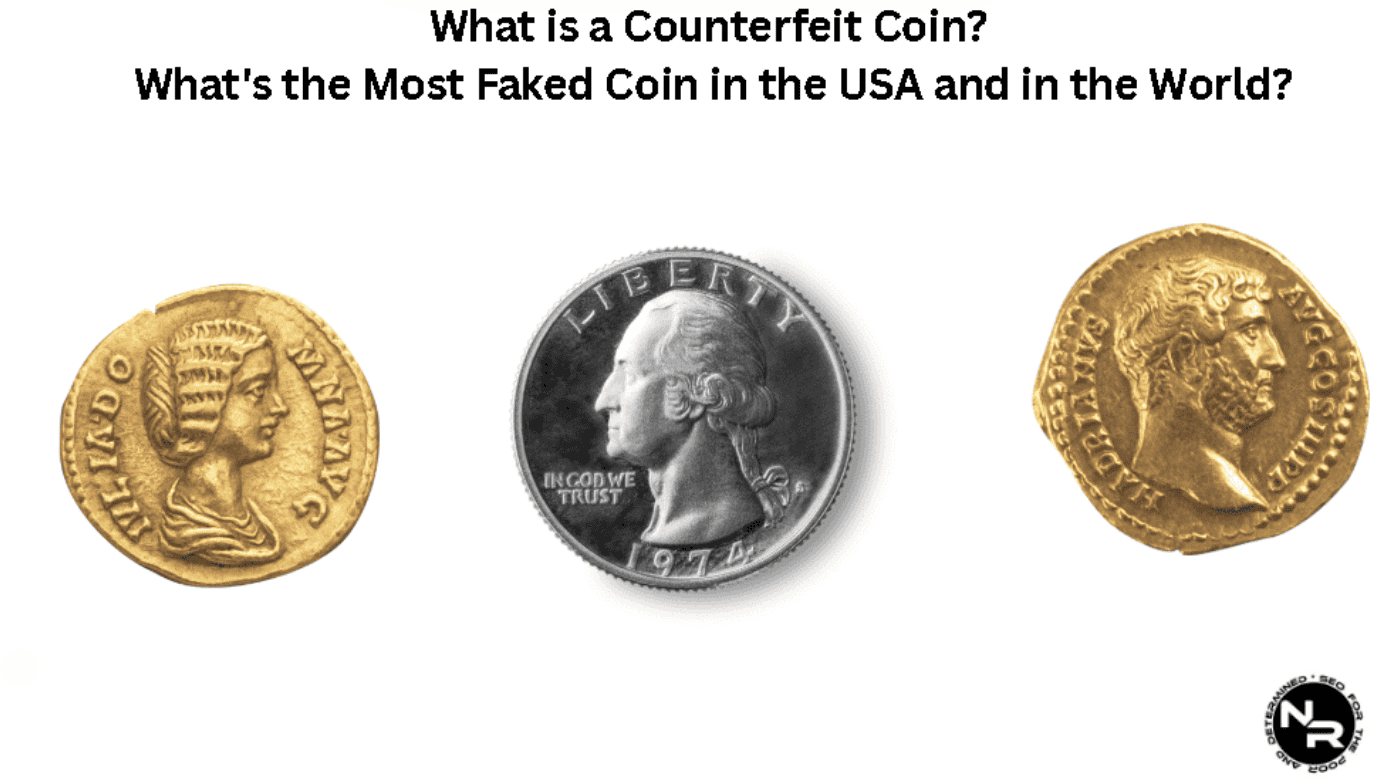
What is a Counterfeit Coin (Meaning and Definition)?
A counterfeit coin is a fake currency piece created to deceive collectors and investors. Counterfeiters manufacture these coins to imitate genuine currency, aiming for and often achieving a 100% realistic appearance. Counterfeit coins often circulate in the marketplace unnoticed for a long time as their creators use different materials and techniques to replicate authentic coins, making detection more challenging.
Understanding the signs of counterfeit coins remains vital for anyone involved in coin collecting or investing.
Check this out next once you’re done reading my coin counterfeiting guide. Especially important if you’re an American citizen with a keen interest in precious metals and investing.
What are the Two Main Types of Counterfeit Coins?
The two main types of counterfeit coins are fake cast coins and struck counterfeit coins.
What are Fake Cast Coins?
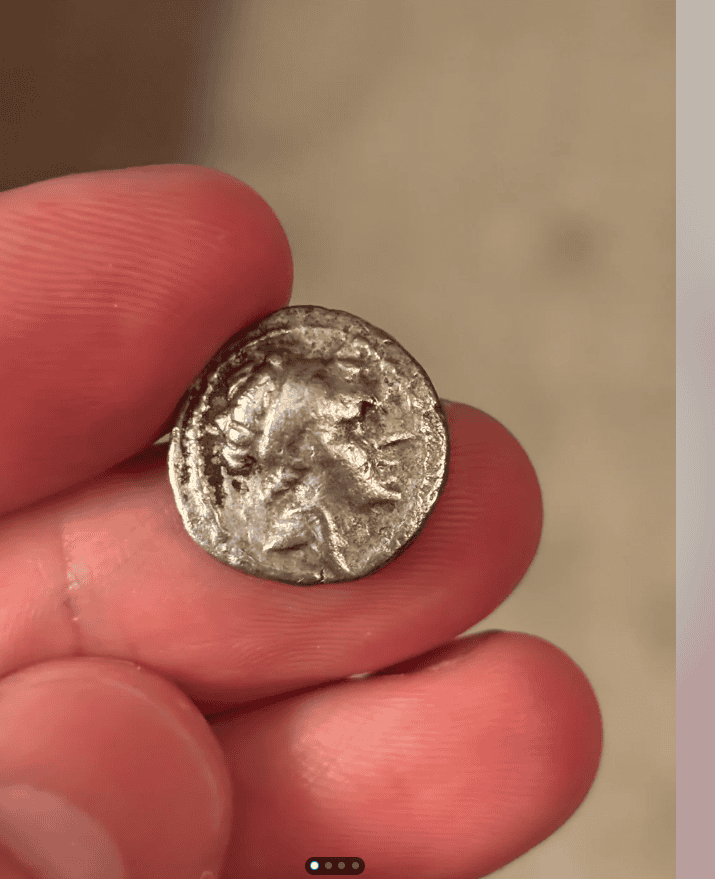
Fake cast coins are counterfeits produced by pouring molten metal into a mold of a genuine coin. It’s a popular method amongst coin counterfeiters as the process is done without any visible damage to the original. These fake coins often look identical to their real counterparts, but, a trained eye can still spot the minuscule differences.
Fake cast coins often have mold marks, rough spots, and uneven thickness compared to genuine, struck coins. They also have a soft, fuzzy texture instead of the sharp detail of a genuine coin.
What are Struck Counterfeit Coins?
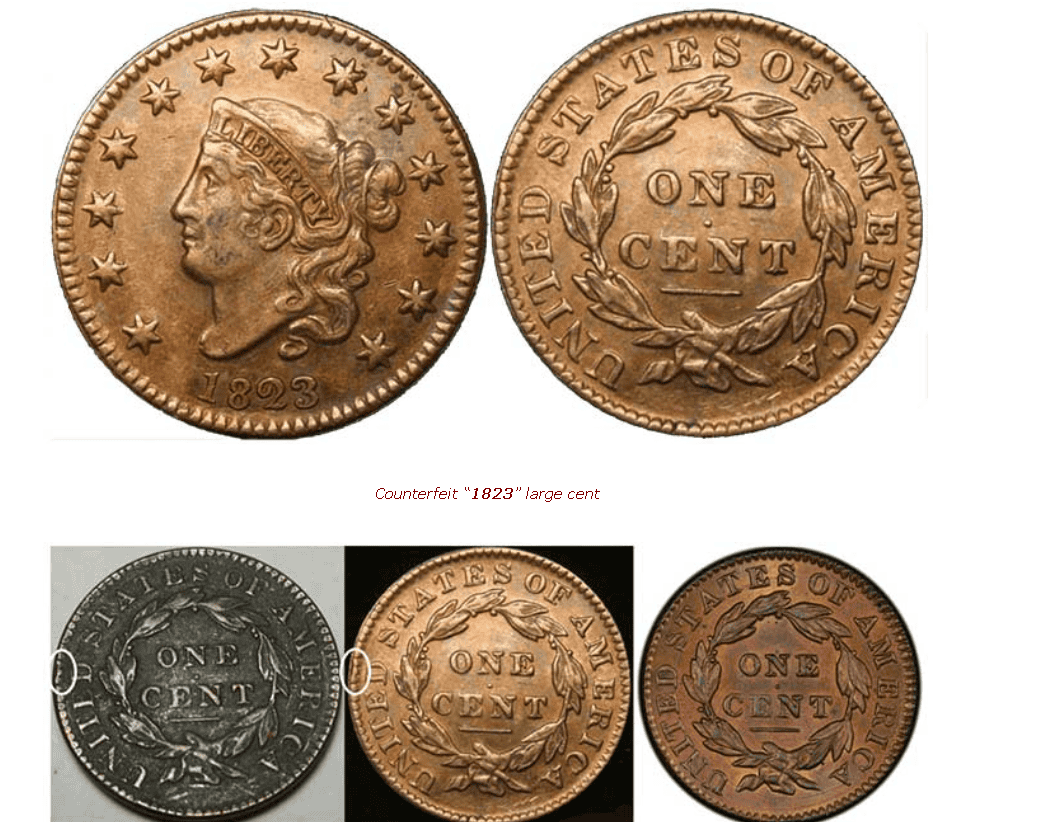
Struck counterfeit coins are fake coins created using dies (molding plates) to press a metal disc (planchet) into the desired coin shape. This process mimics how real coins are made, making struck counterfeits very difficult to detect.
However, while the coins look identical to its genuine counterparts, they’re obviously made with cheaper material and often just touching them is enough to know they’re fake.
Below are a handful of examples of struck counterfeit coins. Notice how they look 99% identical to genuine coins they’re trying to replicate?
Check this out next once you’re done reading my coin counterfeiting guide. Especially important if you’re an American citizen with a keen interest in precious metals and investing.
How to Spot Fake, Counterfeit Coins?
You can spot fake counterfeit coins even if you aren’t experienced as there’re some telltale signs. It also depends on the material the coins are made of.
Testing Gold Coins
You can test gold coins by using water, fire, magnets (real gold is diamagnetic and is never attracted to magnets), bleach, nitric acid, vinegar, baking soda.
Real gold has specific reaction depending on the testing method you use. For a novice I recommend you test gold coins with water.

I have my guide on checking whether gold is real or fake
Silver Coins
You can test silver coins by using water, fire, magnets (real silver is diamagnetic and is never attracted to magnets), bleach, nitric acid, vinegar, baking soda.
Real silver has specific reaction depending on the testing method you use. For a novice I recommend you test silver coins with fire.

I have my guide on checking whether silver is real or fake.
Check this out next once you’re done reading my coin counterfeiting guide. Especially important if you’re an American citizen with a keen interest in precious metals and investing.
Testing Platinum Coins
You can test platinum coins by using water, fire, magnets (real platinum is paramagnetic and is slightly magnetized, but the magnetic effect is invisible to the naked eye), bleach, nitric acid, vinegar, baking soda.
Real platinum has a specific reaction depending on the testing method you use.
For a novice I recommend you test platinum coins with water.

I have my guide on checking whether platinum is real or fake.
Testing Palladium Coins
You can test palladium coins by using water, fire, magnets (real palladium is paramagnetic and is slightly magnetized, but the magnetic effect is invisible to the naked eye), bleach, nitric acid, vinegar, baking soda.
Real palladium has a specific reaction depending on the testing method you use.
For a novice I recommend you test palladium coins with iodine.

I have my guide on checking whether palladium is real or fake.
Check this out next once you’re done reading my coin counterfeiting guide. Especially important if you’re an American citizen with a keen interest in precious metals and investing.
A Unique Way to Test Whether Coins are Real or Fake
A unique way to test whether coins are real or fake is to use your metal allergies to your advantage.
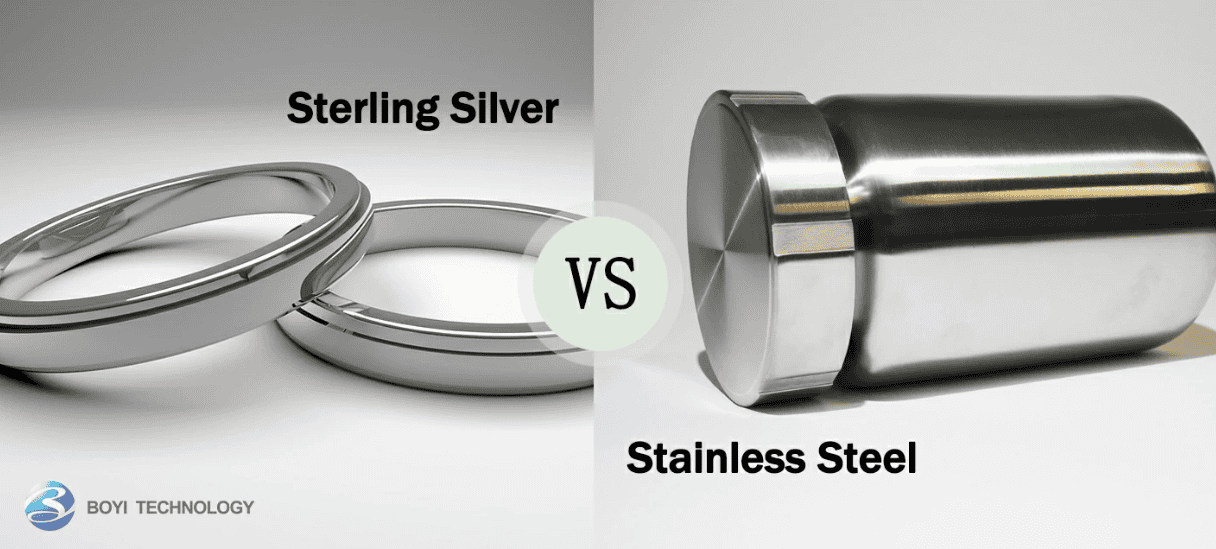
For example, let’s say you’re allergic to stainless steel, but not to silver. Both stainless steel and silver are lustrous, silvery-white metals and visually almost interchangeable.
Lets say you touch a supposed real silver coin and you start to get itchy and red-skinned. It immediately tells you that coin is actually made of stainless steel and not silver. Or it’s made mostly of steel with a tiny bit of silver.
This isn’t a foolproof method but it works depending on your metal sensitivities or lack thereof.
Which is the Most Faked US Coin?
The Morgan Silver Dollar (1878–1921) is the most counterfeited US coin. This coin’s popularity with collectors and its historical relevance contribute to its high counterfeiting rate.
Counterfeiters also focus on gold coins, particularly the Double Eagle.
Fakes in this category usually present weight differences or reveal raised bumps, known as “pimples.” Such features uncover their true nature but novice coin collectors can still be fooled.
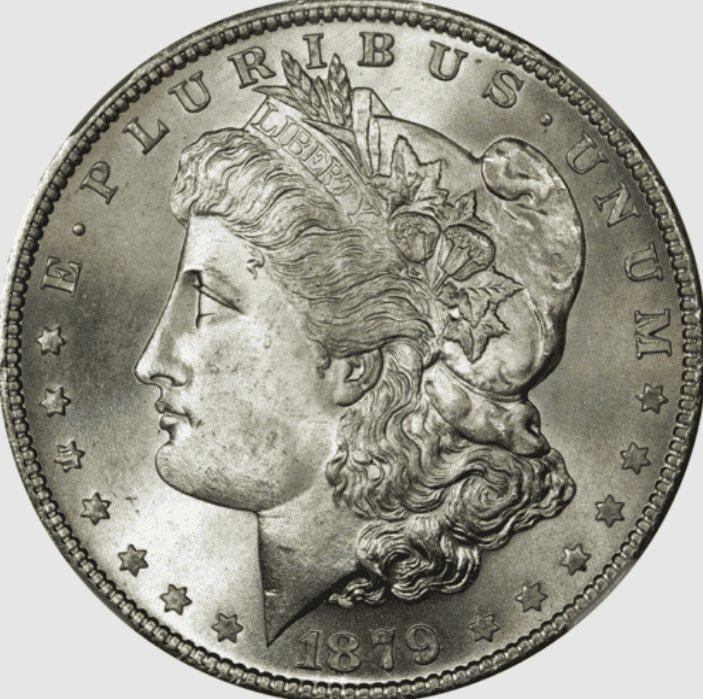
Coin counterfeiters don’t bother with faking U.S. coins made from base metals as the math doesn’t work for them.
For example, no one is going to try and counterfeit Sacagawea Dollars as Sacagawea coins aren’t made from gold or other precious metals and their face value is just $1.
The only exception are Sacagawea Dollar coins with mint errors, but these are nearly impossible to convincingly replicate.
What is the Most Faked Coin in the World?
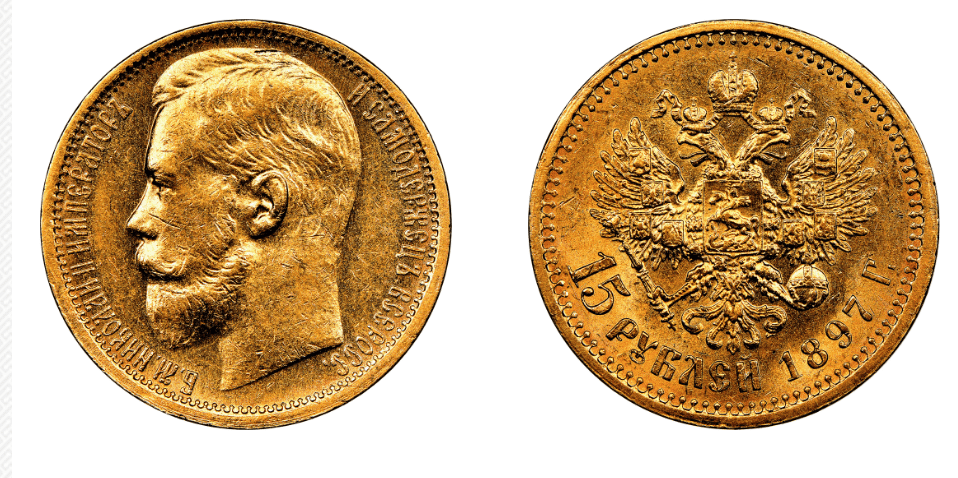
The 1897 Russian 15 Rubles coin is the most frequently counterfeited coin in the world. This is followed by other Russian coins, Korean coins, and various other historical coins from countries like French Indo-China, Great Britain, Vietnam, and Saudi Arabia.
The Numismatic Guaranty Corp (NGC) maintains a list of the top 25 most commonly counterfeited world coins.
Check this out next once you’re done reading my coin counterfeiting guide. Especially important if you’re an American citizen with a keen interest in precious metals and investing.
Can Gold IRA Coins Be Counterfeited?
Yes, gold IRA coins can be counterfeited, and it’s a serious concern for investors.
You want your gold IRA coins to be made of pure gold, silver, platinum and palladium as these are IRA-eligible precious metals.
Counterfeit gold IRA coins that look like originals but are made of base metals like copper or zinc are a huge gold IRA scam and a huge monetary loss for you if you end up buying them. Always work with a reputable precious metal dealers or a legit gold investment company to ensure your money is spent on coins that actually are worth their weight in gold, silver, platinum or palladium.
Take a look at Augusta Precious Metals when you can. They’re my top choice when it comes to safely opening gold IRAs.

- Coin counterfeiting- https://en.wikipedia.org/wiki/Coin_counterfeiting
- Can you spot the counterfeit coins and bars?- https://acefonline.org/can-you-spot-the-counterfeit-coins/
- Top 50 Most Commonly Counterfeited U.S. Coins- https://www.ngccoin.com/resources/counterfeit-detection/top/united-states/
- The Difference Between Counterfeit & Copy Coins According to a Rare Coin Fraud Attorney- https://www.vosslawfirm.com/blog/the-difference-between-counterfeit.cfm
- Cast fake or just poor example?- https://www.reddit.com/r/AncientCoins/comments/1fnze3p/cast_fake_or_just_poor_example/
- Struck Counterfeit Coins: A Family of Struck Fake Large Cents- https://coinweek.com/struck-counterfeit-coins-a-family-of-struck-fake-large-cents/
- Morgan dollar- https://en.wikipedia.org/wiki/Morgan_dollar
- Russia 15 Roubles Y# 65.1- https://www.ngccoin.com/price-guide/world/russia-15-roubles-y-65.1-1897-cuid-1095287-duid-1572653

Nikola Roza
Nikola Roza is the owner of Nikola Roza- Everything You Can Learn About Precious Metals. He writes for people who love precious metals and jewelry and who're interested in adding gold, silver platinum and palladium to their retirement portfolios. Nikola is passionate about gold IRAs and investing in multiple asset types for a safer financial future. He also runs a successful online jewelry store where you can buy precious metal jewelry and various replicas of famous coins and bars. Learn about Nikola here.