Disclosure: Some of the links you’ll encounter are unique links. Click and buy something and I’ll earn some money, at zero expense to you. Thank you!
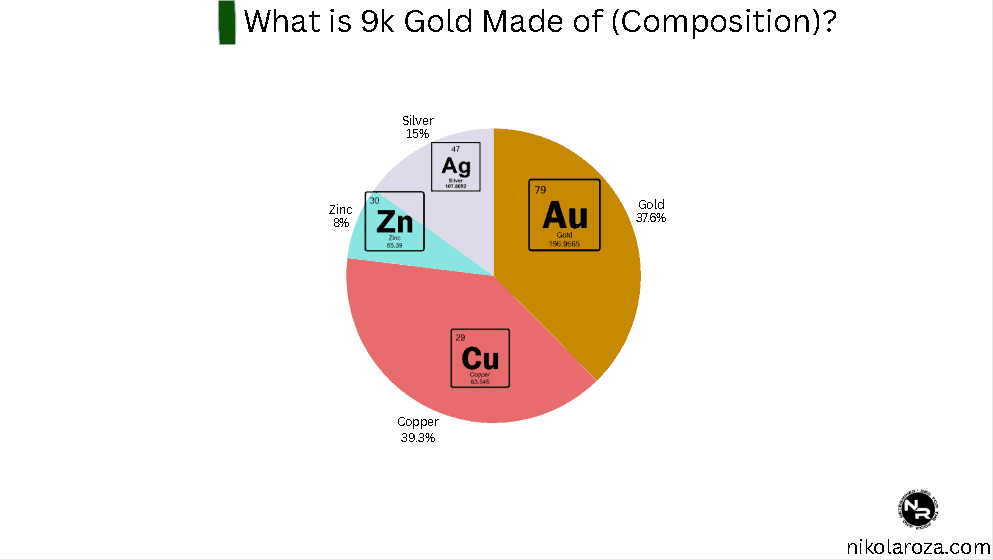
9k gold is a gold alloy containing 37.5% pure gold and 62.5% other metals like copper, silver and zinc. It’s durable and affordable, making it ideal for everyday jewelry. 9k gold is typically non-magnetic unless mixed with ferro-magnetic metals like iron or nickel.
9k gold alloy is allergenic and causes skin allergies and dermatitis in sensitive individuals due to its high content of metals other than pure gold.
No investment-grade bullion is made from 9k gold because the gold content is too low. The hallmark for 9k gold is “375” or “9k,” and its value equals the value of its gold content as per the gold spot price at the moment of selling.
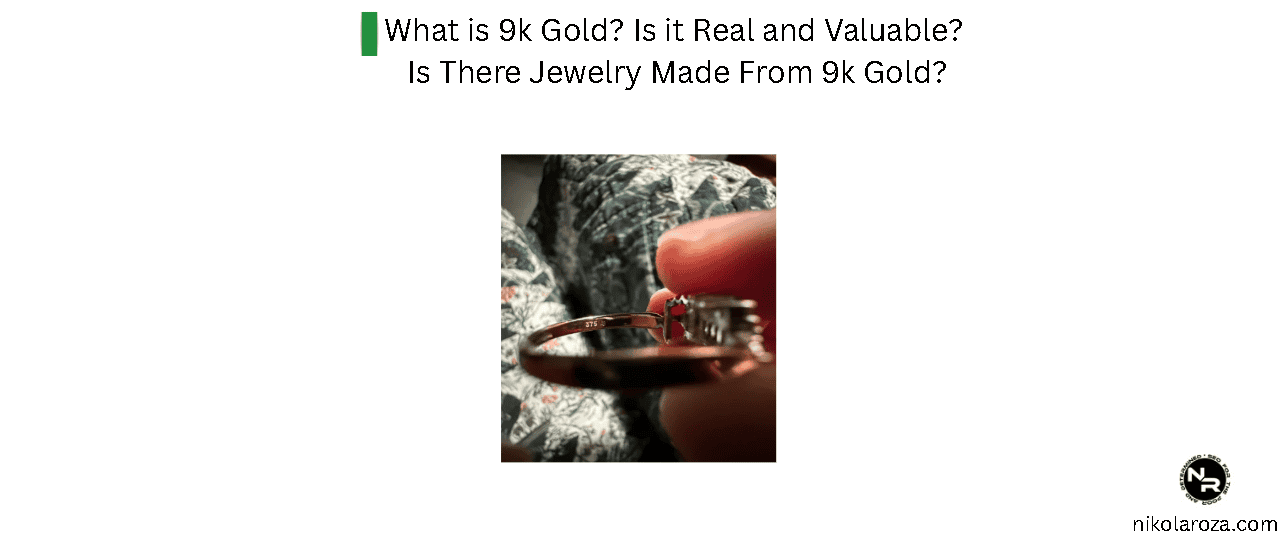
What is 9k Gold (Definition and Meaning)?
9k gold is a gold alloy that contains 37.5% pure gold and 62.5% other metals like copper, silver and zinc. It’s primarily used for creating durable, budget-friendly everyday jewelry.
9k gold is very durable and scratch-resistant because of the high percentage of base metals in the alloy. It’s affordable and ideal for everyday jewelry where you want the prestigious look of gold without paying the hefty price for it.
Check this out next once you’re done reading my 9k gold alloy guide. Especially important if you’re an American citizen with a keen interest in precious metals and investing.
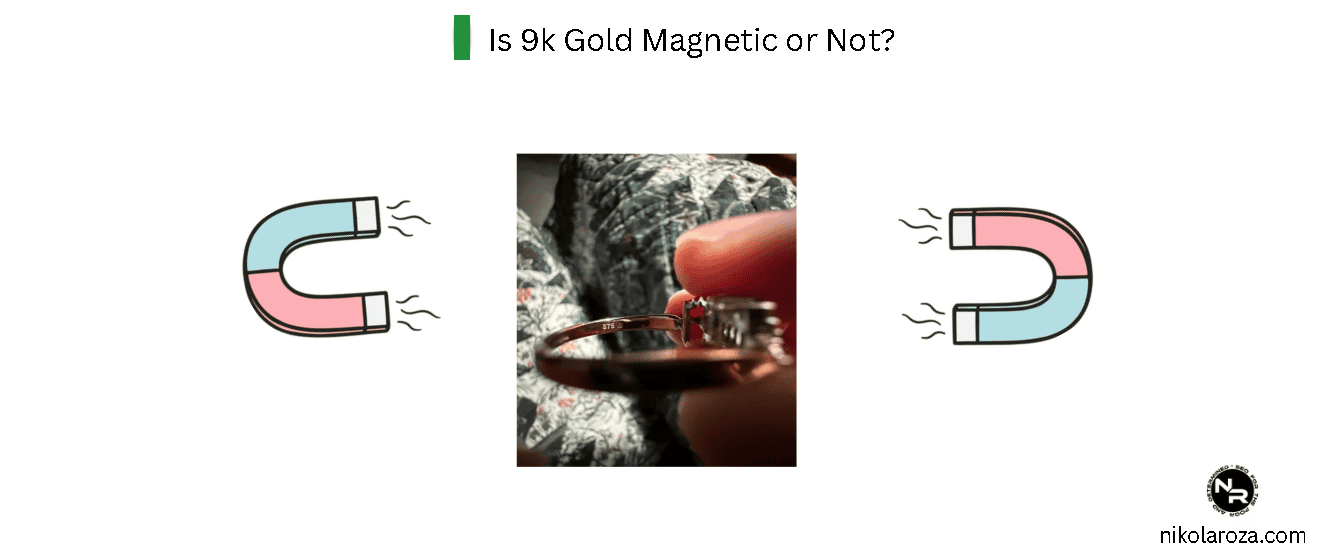
Is 9k Gold Magnetic?
No, 9k gold isn’t magnetic when yellow gold is alloyed with other non-magnetic materials like silver, palladium, platinum and rhodium.
9k gold becomes magnetic when gold is mixed with ferro-magnetic metals like iron, nickel, cobalt and some stainless steel forms.
This means the gold magnet test can’t reliably tell you whether your 9k gold jewelry is real or fake. You’ll have to first learn exactly which metals your 9k gold jewelry is made of.
Is 9k Gold Hypoallergenic or Allergenic?
9k gold isn’t hypoallergenic, it’s allergenic.
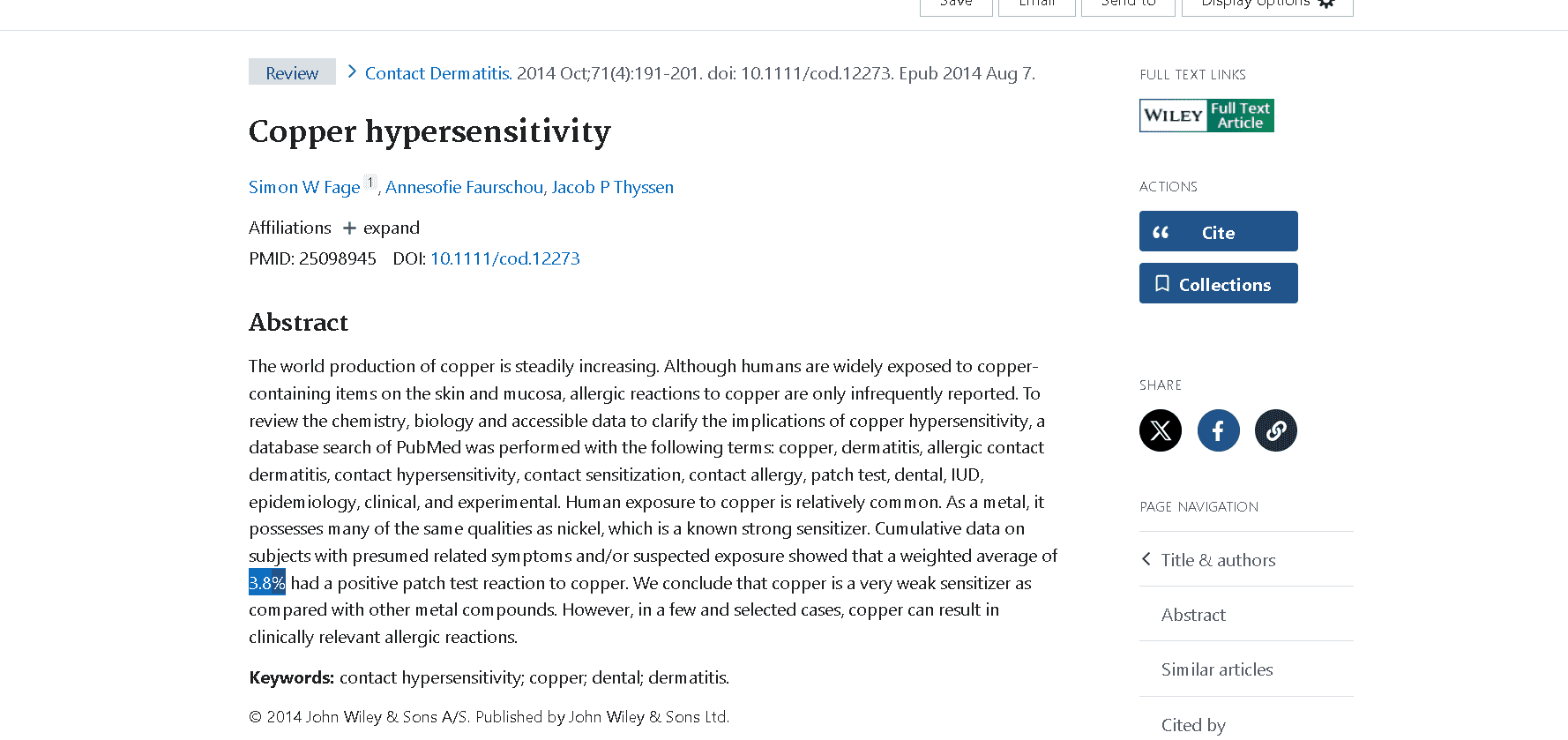
9k gold causes skin allergies because this gold alloy contains too little pure gold and too much other trigger metals for people with sensitive skin. Obvious examples of allergenic metals are copper (moderately allergenic) and nickel (highly allergenic). But even silver causes dermatitis in sensitive individuals.
Bottom line is that 9kt gold isn’t safe for people with known metal allergies.

Does 9k Gold Tarnish and Fade?
Yes, 9k gold tarnishes and fades over time.
9k gold is a low-karat gold alloy with a high percentage of other metals, some of which very susceptible to tarnishing (zinc, nickel and especially copper).
Below are all the potential tarnishing-causing substances and their dangerous effect on 9kt gold jewelry items.
- Bleach. Bleach tarnishes and corrodes 9k gold. As an alkaline solution, bleach attacks the reactive metals within the 9k alloy, degrading both color and structural integrity. 9k gold has a higher gold content than 8k, but its still-substantial base metal proportion makes it noticeably vulnerable.
- Chlorine. Chlorine tarnishes and corrodes 9k gold. Chlorine reacts with the base metal content in the alloy, causing discoloration and structural weakening. Don’t shower or swim in public pools while wearing 9k gold jewelry.
- Toothpaste. Toothpaste tarnishes and corrodes 9k gold. The abrasive particles scratch and react with the base metals in the 9k gold alloy and this dulls the surface’s finish over time.
- Vinegar. Vinegar tarnishes and corrodes 9k gold. Its acids attack the proportion of non-gold metals in the alloy, and undiluted vinegar is particularly damaging, accelerating surface degradation.
- Makeup. Makeup tarnishes 9k gold. The chemicals in cosmetics react with the base metal content and cause surface discoloration. Makeup doesn’t corrode or structurally degrade 9k gold jewelry under brief exposure.
- Hydrogen peroxide. Hydrogen peroxide tarnishes and corrodes 9k gold. It degrades the oxide layer protecting the base metal components, leading to discoloration and weakening of the alloy over time.
- Lemon juice. Lemon juice tarnishes 9k gold. Its acids chemically react with the base metals in the alloy, dissolving the protective surface layer and causing discoloration.
- Alcohol. Alcohol tarnishes 9k gold and corrodes it with repeated, long-term exposure. It reacts with both the gold content and the base metals, gradually dulling the surface finish.
- Water. 9k gold is moderately vulnerable to water due to its base metal content, though more resistant than 8k gold. Prolonged contact leads to tarnishing and loss of luster. Saltwater is especially harmful to 9k gold as chloride ions attack the reactive base metals and cause pitting and surface corrosion.
- Fire. Fire doesn’t tarnish or corrode 9k gold under normal conditions. However, the proportion of base metals in 9k gold makes it more susceptible to heat damage and discoloration at lower temperatures than higher-karat alloys such as 14k or 18k.
- Nitric acid. Nitric acid tarnishes and corrodes 9k gold. It’s highly corrosive, and 9k gold’s relatively low gold content means it degrades quickly upon exposure, though somewhat more slowly than 8k gold due to its marginally higher gold fraction.
Check this out next once you’re done reading my 9k gold alloy guide. Especially important if you’re an American citizen with a keen interest in precious metals and investing.
Is There Bullion Made From 9k Gold?
No, there’s no bullion made from 9k gold. 9k gold has never been used to produce investment grade bullion because the amount of pure gold in this alloy is too low (only 37.5%).
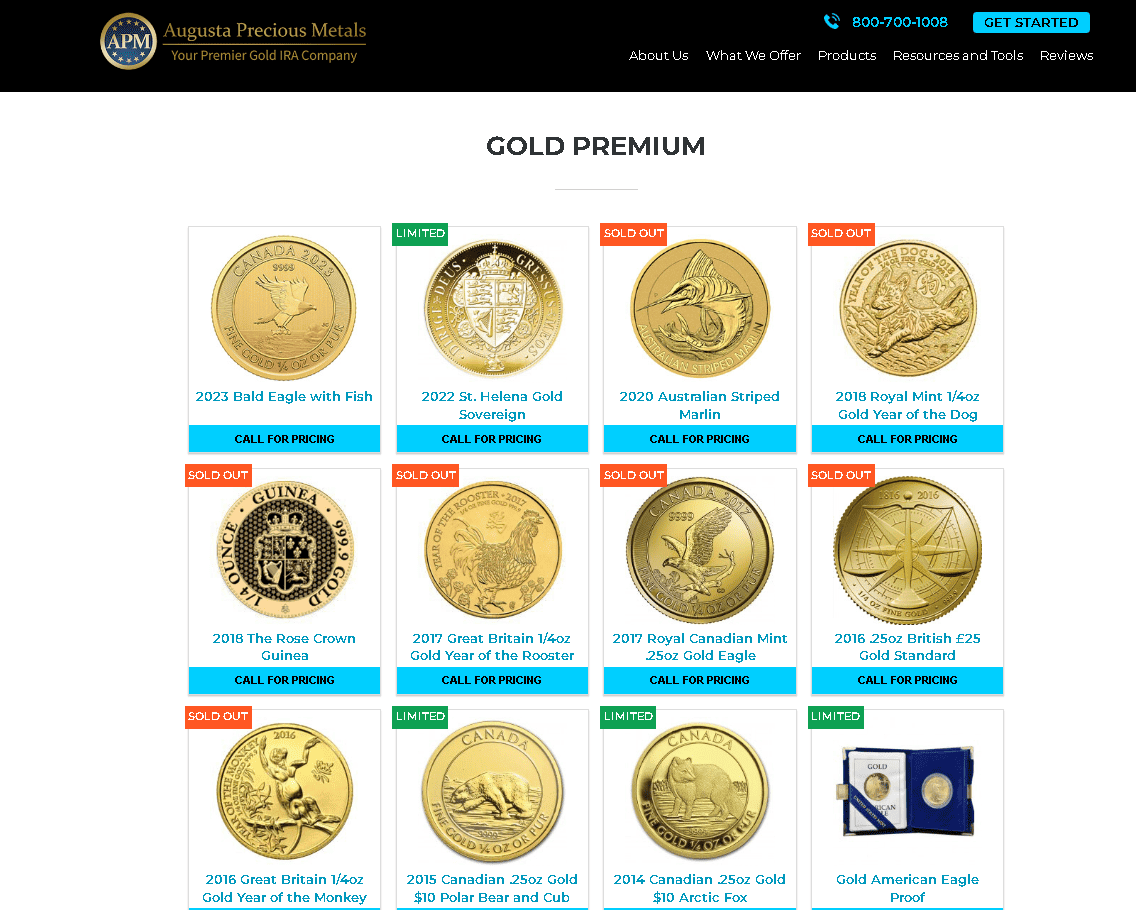
Are you interested in investment-grade gold bars and coins? 24k gold is used to create gold-investment bullion and these are the gold IRA-approved coins and bars you can include in your gold IRA.
For example, check out how many pure gold coins and bars Augusta Precious Metals offers (note: Augusta Precious Metals is the best gold IRA company in the United States. They waive all fees for 10 years for all new customers).
Is There Jewelry Made From 9k Gold?
Yes, there’s jewelry made from 9k gold, though it’s rarer compared to jewelry made from higher karat alloys like 18k and 14k gold.
9k gold jewelry is popular in Europe and in countries like the UK, Ireland, Austria, and Portugal where it’s the lowest legally recognized gold standard. You can find 9k gold jewelry in the US as well, but it’s more of a rarity compared to the ubiquitous 14k and 18k jewelry pieces that dominate the market.
9k gold jewelry in the United States appeals to people shopping on a budget as 9k gold looks nearly identical to 14k and 18k variants, but is much cheaper and harder to scratch and dent. However, 9k gold tarnishes faster than higher karatage gold alloys (14k, 18k, 20k, 22k…)
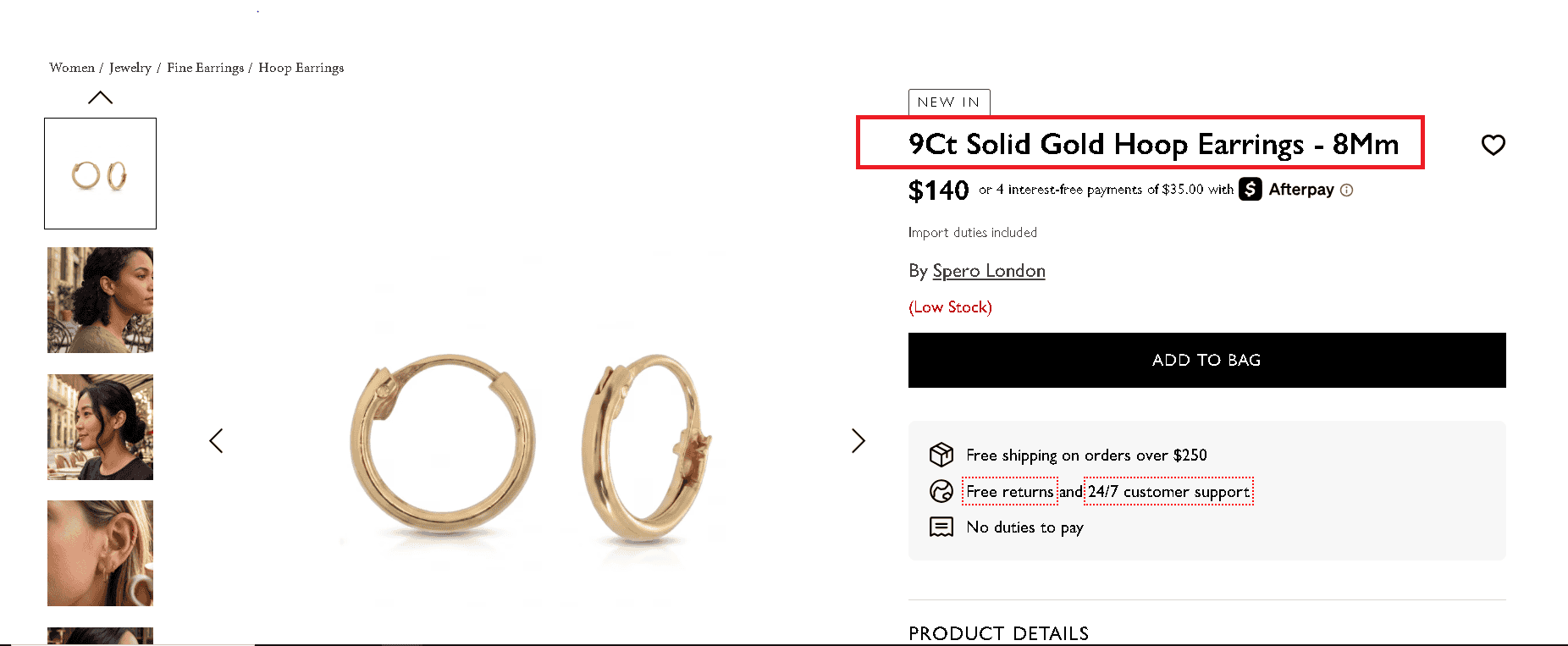
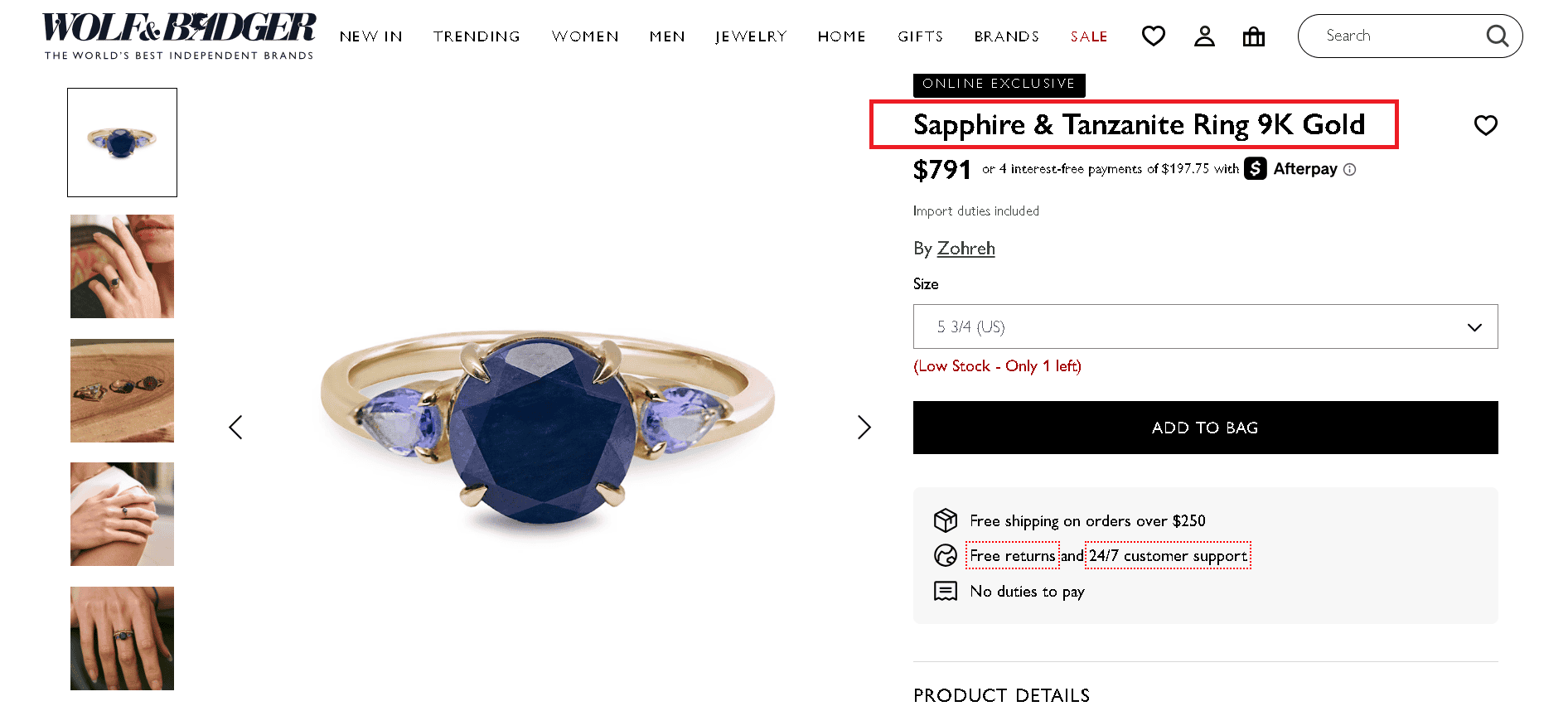
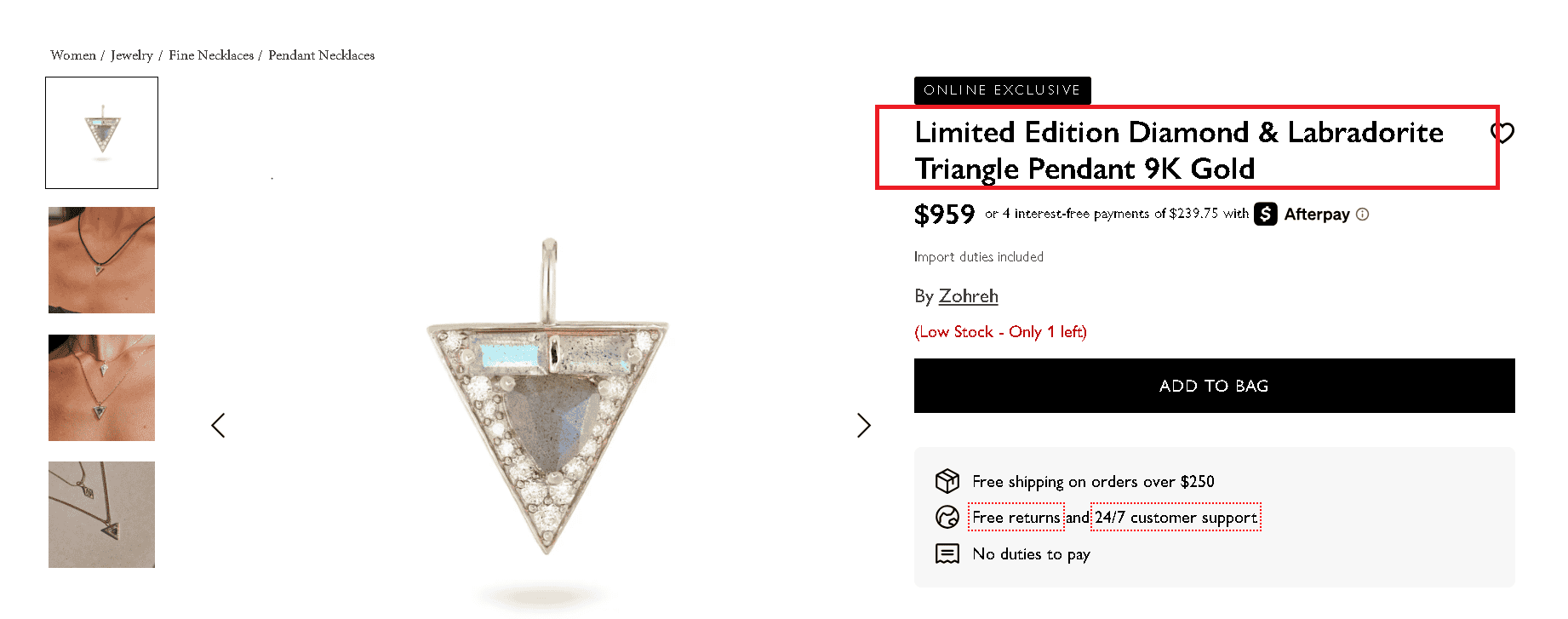
Below are examples of 9k gold jewelry sold online and in physical jewelry stores.

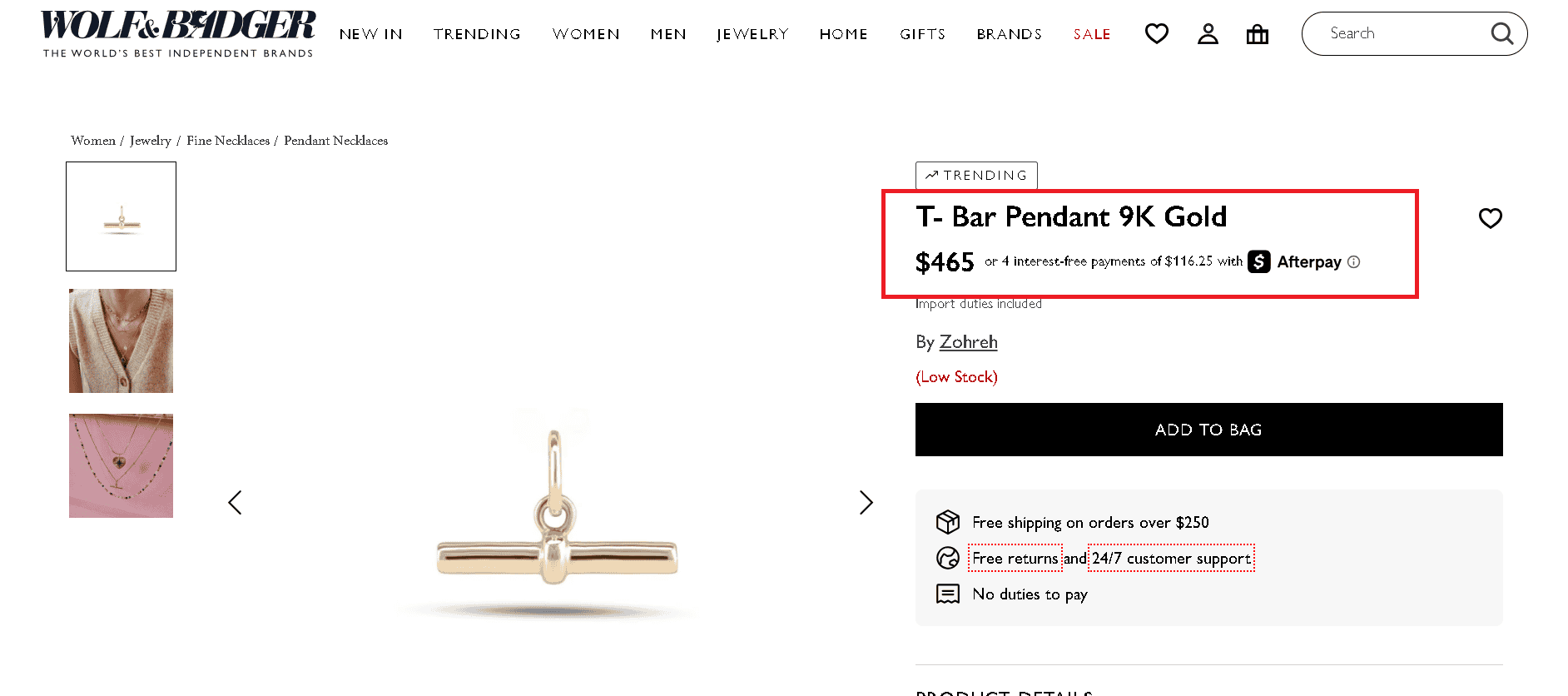
Check this out next once you’re done reading my 9k gold alloy guide. Especially important if you’re an American citizen with a keen interest in precious metals and investing.
What is the Hallmark for 9k Gold?
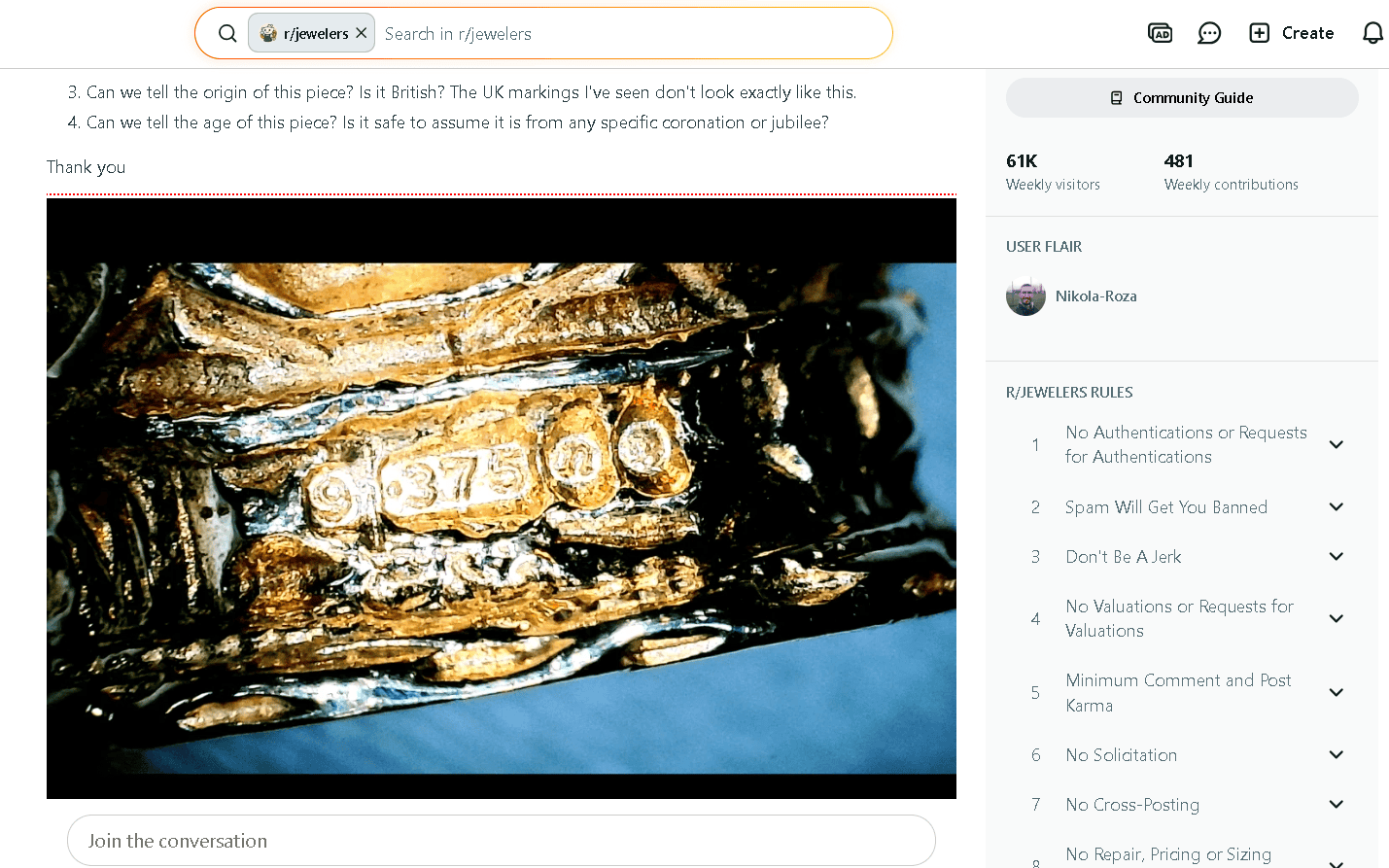
The hallmark for 9k gold is either a “375” stamp, or “9k” indicating 37.5% pure gold. The “375” and “9k” marks are common across the globe in countries with established hallmarking systems.
In many countries, including the United Kingdom, the “375” fineness mark is the most common indicator used on 9-carat gold jewelry.
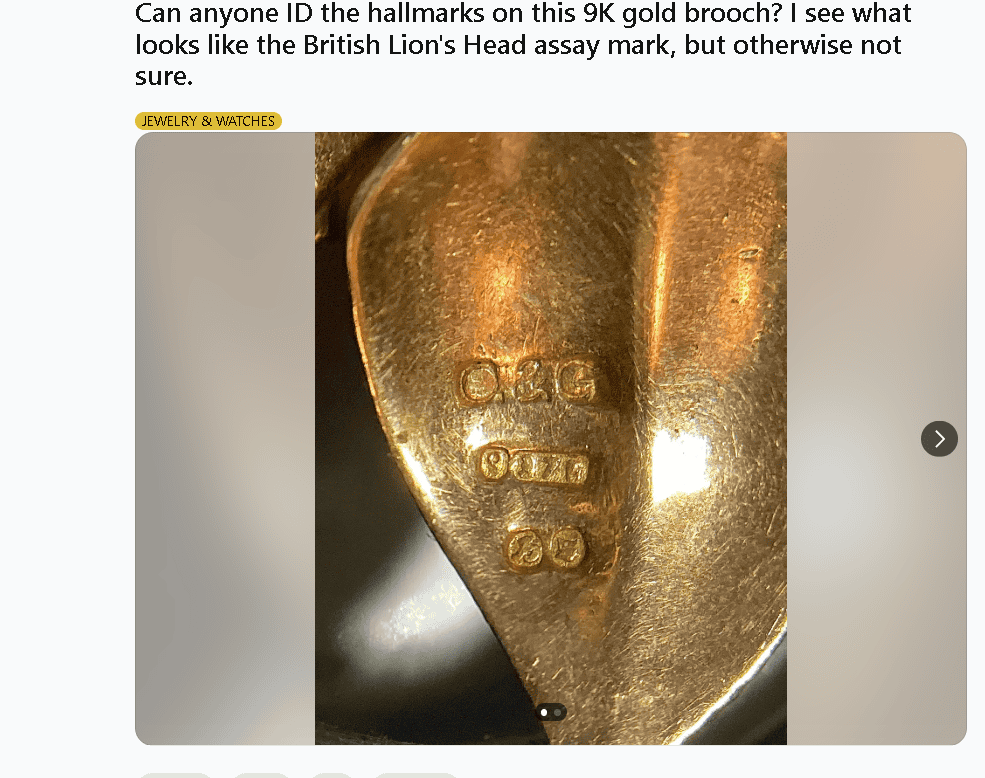
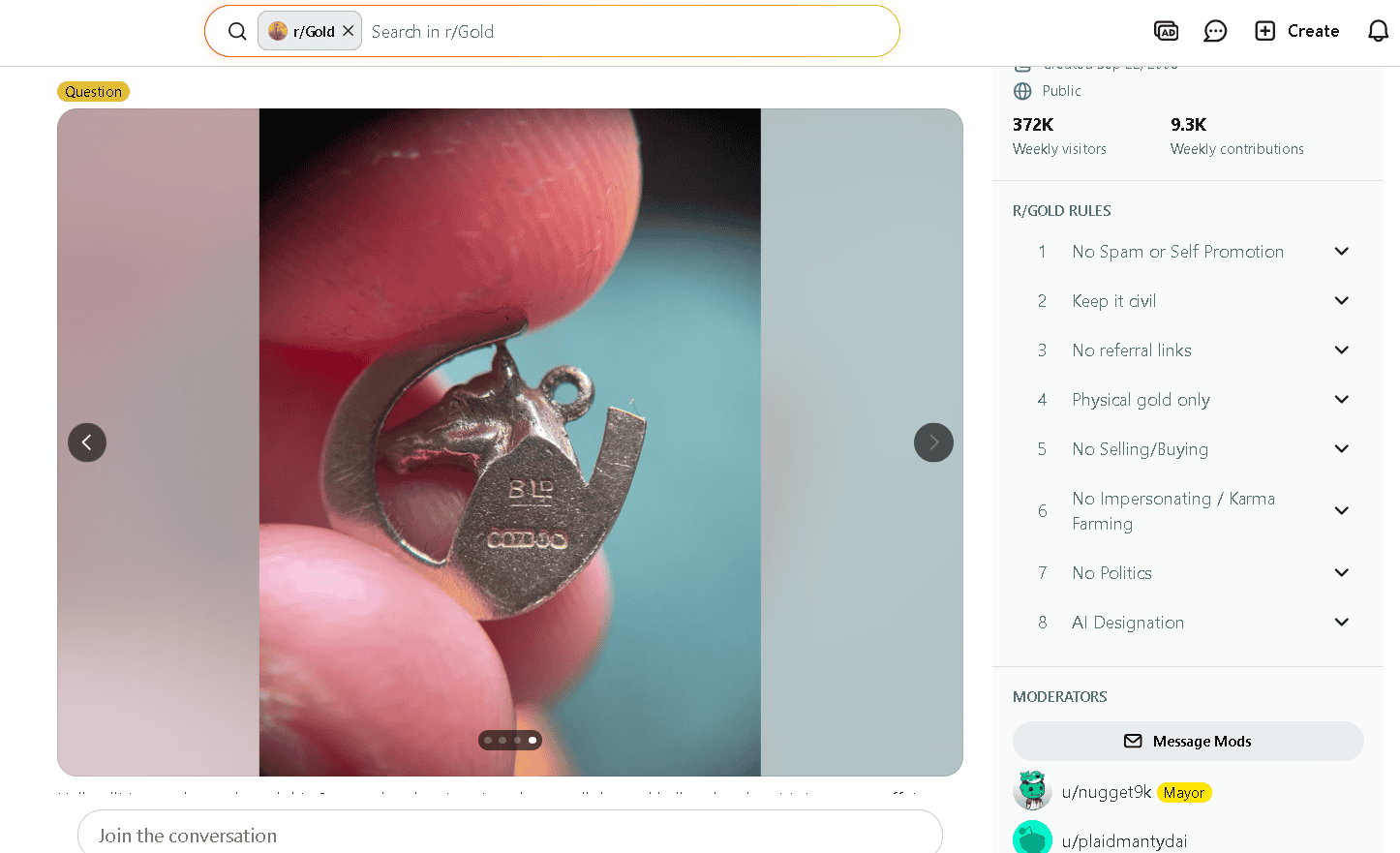
Besides the purity mark, a gold hallmark for 9k gold often include an assay center mark and a manufacturer’s mark to certify the item’s authenticity. Additional hallmark components include a sponsor’s mark, date letter, and traditional assay office symbols from locations such as London, Birmingham, Sheffield, or Edinburgh.
These markings help verify 9k gold’s fineness, trace the responsible maker, and support the authentication of gold jewelry, rings, necklaces, bracelets, and other precious metal items made from 9k gold alloy.
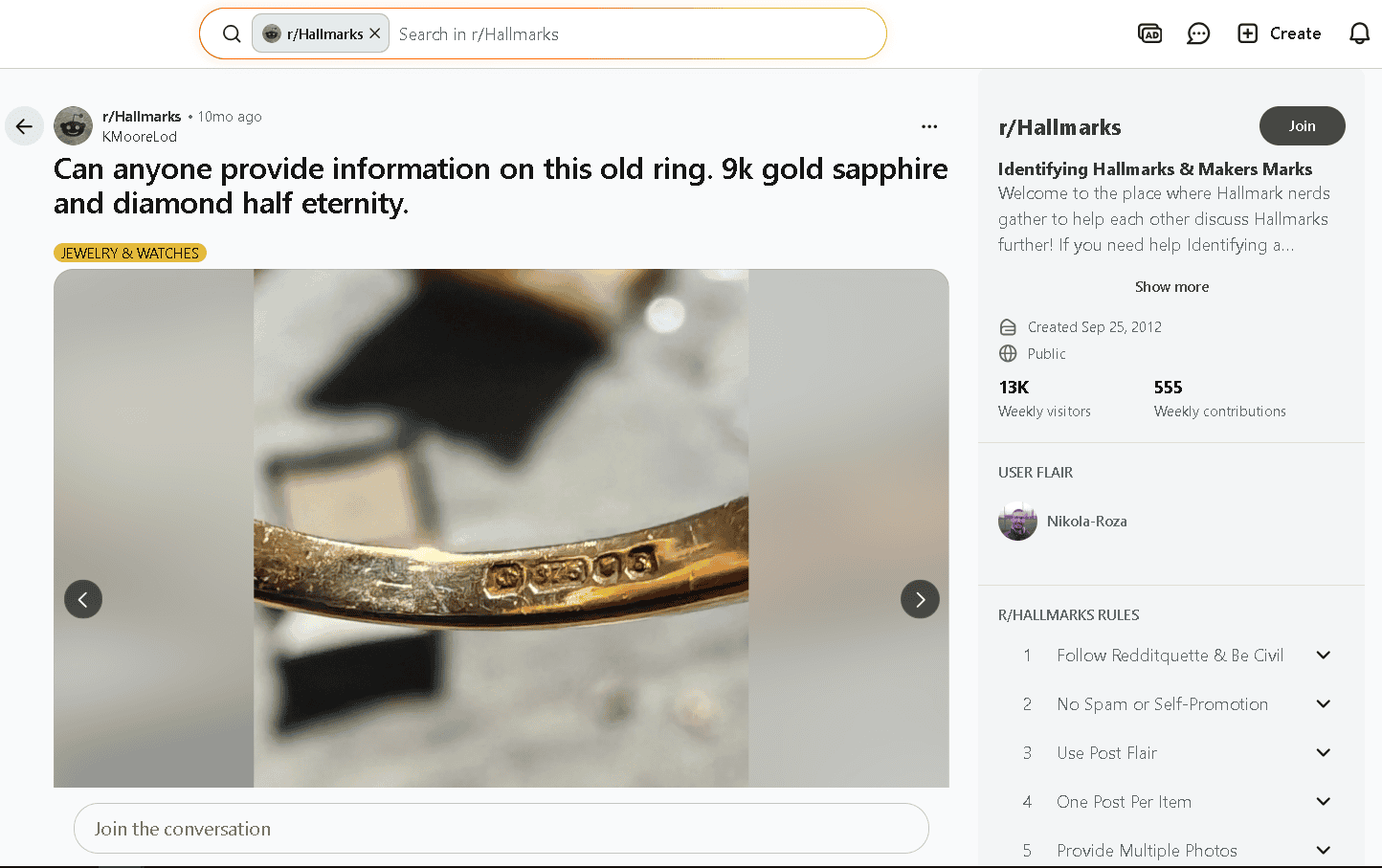
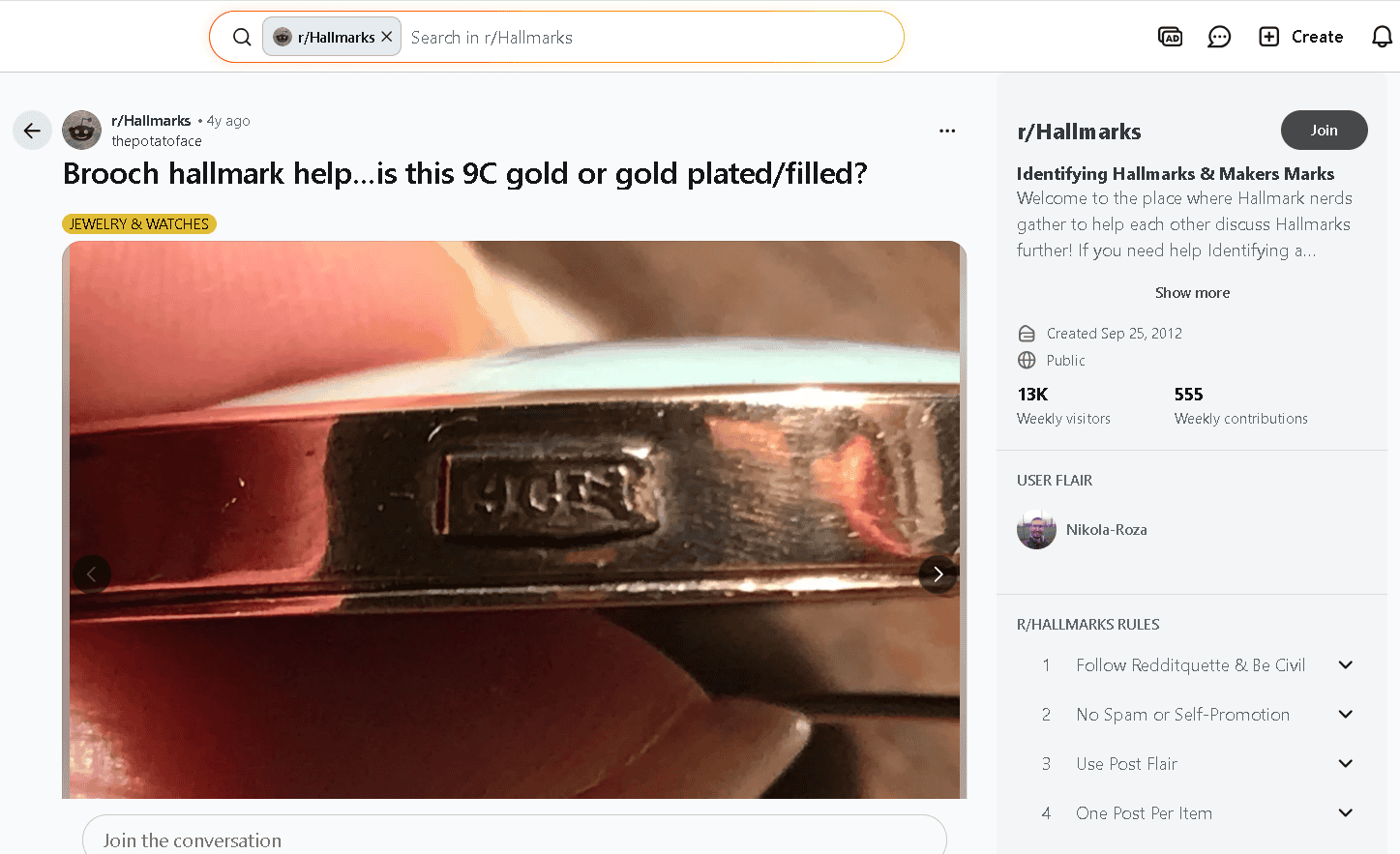
Check this out next once you’re done reading my 9k gold alloy guide. Especially important if you’re an American citizen with a keen interest in precious metals and investing.
What is 9k Gold’s Melt Value? Is it Worth Anything and What is its Worth Per Gram?
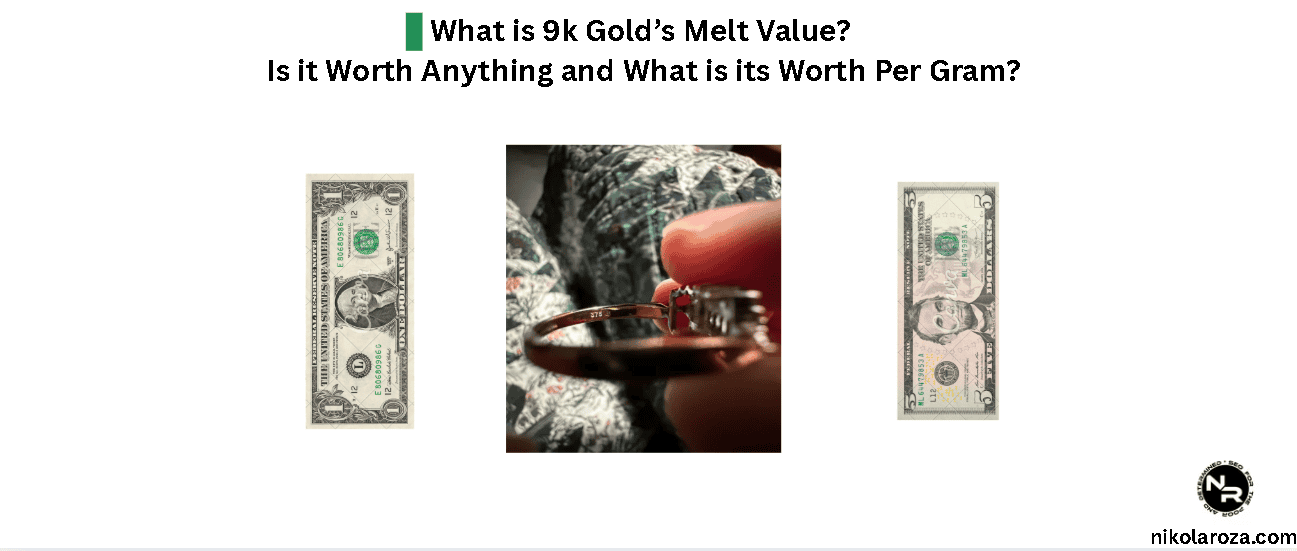
The worth of 9k gold depends on the current gold market price which fluctuates from moment to moment based on supply and demand interplay.
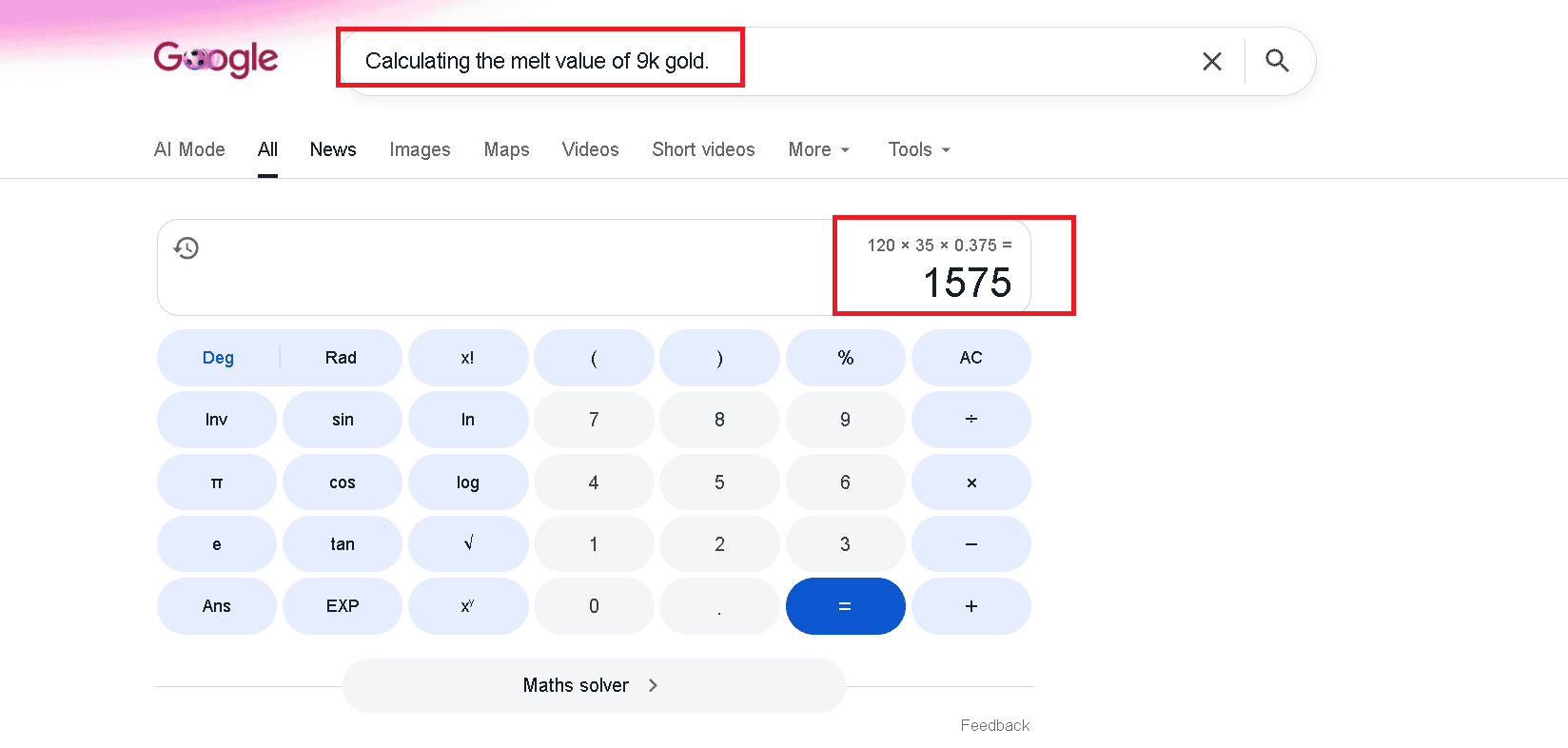
To determine the worth of a 9k gold item first you need to measure its weight. Next, multiply the item’s weight in grams with the current gold price per gram, and then multiply that by 0.375 (the amount of gold in 9k gold).
For example, let’s say the current price of gold is $120 per gram, and you have a 9k gold item that weighs 35 grams. The exact worth of that 9k gold item would be $120 x 35 x 0.375=$1575.
9k gold alloy contains roughly 15% of pure silver. Silver is a precious metal, but far less valuable than pure gold. In small 9k gold objects the amount of silver is minuscule and so is its melt value.
Check this out next once you’re done reading my 9k gold alloy guide. Especially important if you’re an American citizen with a keen interest in precious metals and investing.
- Can anyone ID the hallmarks on this 9K gold brooch? I see what looks like the British Lion’s Head assay mark, but otherwise not sure.- https://www.reddit.com/r/Hallmarks/comments/ufn75y/can_anyone_id_the_hallmarks_on_this_9k_gold/

Nikola Roza
Nikola Roza is the owner of Nikola Roza- Everything You Can Learn About Precious Metals. He writes for people who love precious metals and jewelry and who're interested in adding gold, silver platinum and palladium to their Gold IRAs and retirement portfolios.