Disclosure: Some of the links you’ll encounter are unique links. Click and buy something and I’ll earn some money, at zero expense to you. Thank you!
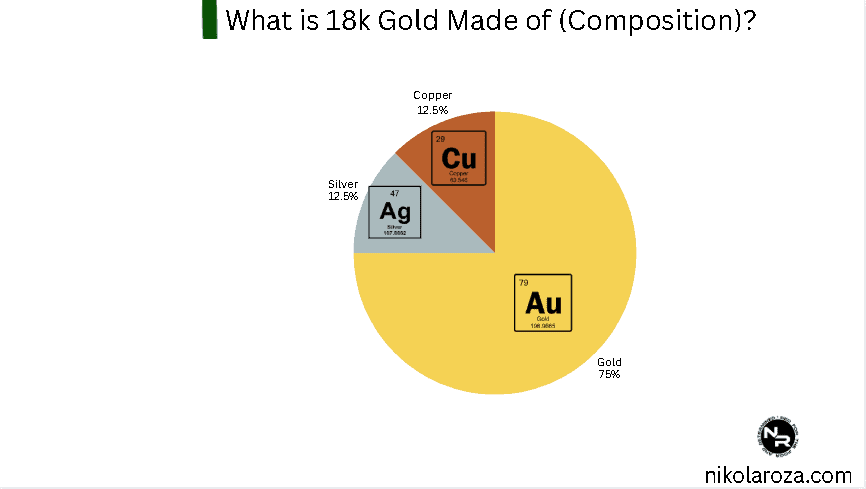
18k gold is a high-quality jewelry alloy containing 75% pure gold mixed with 25% other metals (copper, silver, or nickel) for improved strength and durability.
It has a rich yellow color and is hypoallergenic due to its high gold content, though those sensitive to copper or nickel should choose certified nickel-free 18k gold varieties.
To calculate 18k gold’s melt value, multiply the item’s weight by current gold price per gram, then by 0.75. The primary hallmark for 18k gold is “750” (750 parts per thousand gold) or stamps like “18K/18kt.”
While 18k gold can tarnish due to its 25% base metal content, it’s more resistant than lower karat golds. No bullion is made from 18k gold; investment-grade gold requires .999+ purity.
Compared to 14k gold (58.3% pure), 18k offers richer color and hypoallergenic properties but is softer and more expensive, making it ideal for luxury jewelry rather than daily wear.
What is 18k Gold (Definition and Meaning)? Is it Real Gold?
18k gold is a high-quality jewelry alloy made up of 75% pure gold mixed with 25% other metals (silver and copper, sometimes nickel) to improve strength and durability.
It offers a rich, deep yellow color, high hypoallergenic properties, and is commonly used for luxury jewelry across the world.
Why?
Because 18k gold’s metal composition lends itself to creating premier jewelry boasting both the classic look of gold and sturdiness and durability to withstand daily wear and tear.
18k gold is one of the most popular gold alloys because of the reasons I enumerated above.
Hey, you’re reading about 18k gold, whether this gold alloy is real, affordable, beautiful and practical.
Check this out next when you’re done reading!
It’s crucial info you must have, especially if you’re a proud American curious about investing in gold and other precious metals.
How Much is 18k Gold Worth Per Gram? What is its Melt Value?
The worth of 18k gold depends on the current gold market price which fluctuates from moment to moment based on the interplay of demand and supply.
To determine the worth of a 18k gold jewelry item first you need to measure its weight.
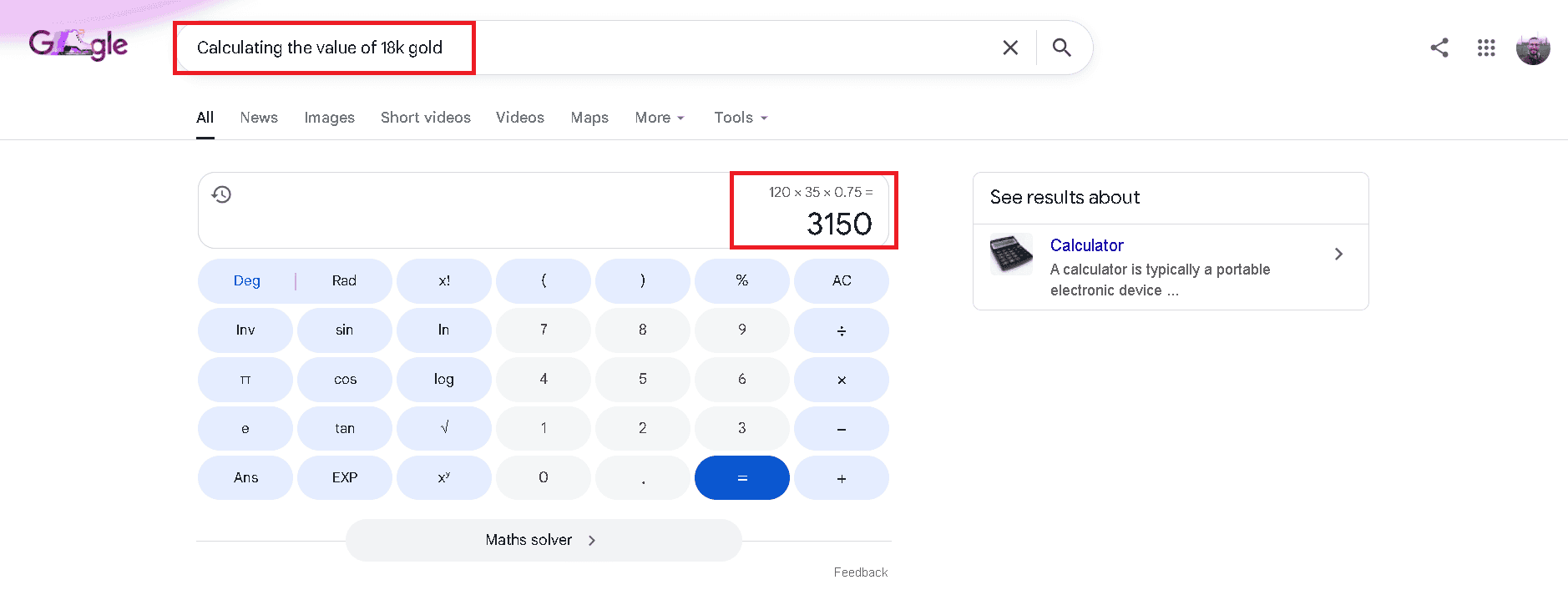
Next, multiply the item’s weight in grams with the current gold price per gram, and then multiply that by 0.75 (the percentage of pure gold in 18k gold).
For example, let’s say the current price of gold is $120 per gram, and you have an 18k gold item that weighs 35 grams (roughly one ounce+ 7 grams).
The exact worth of that 18k gold item would be $120 x 35 x 0.75=$3150.
Note: 18k gold items are sometimes valued not for their pure gold content, but for their rarity and historical significance.
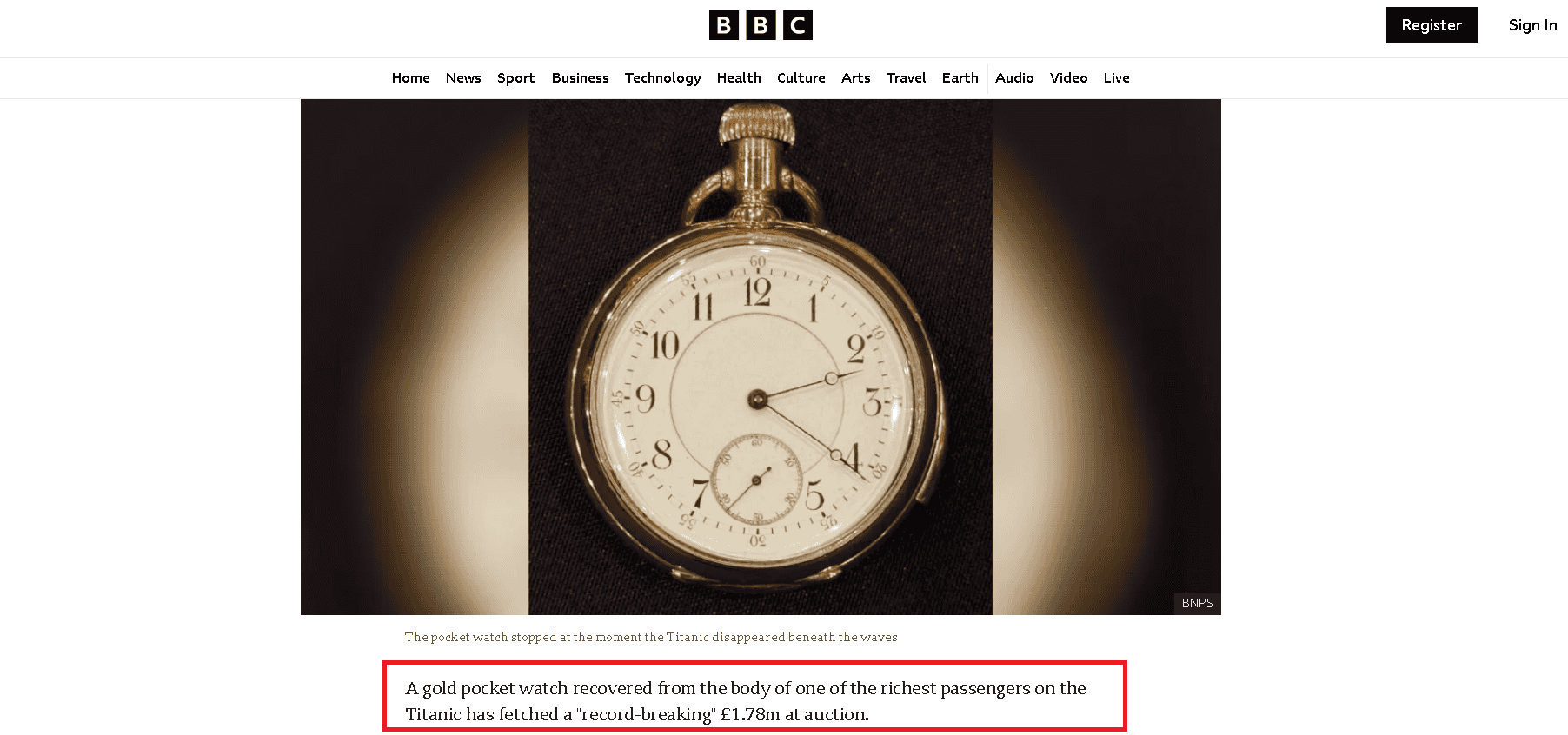
For example, an 18k gold watch that belonged to a person who drowned on the Titanic and whose body was later recovered (along with the watch) recently sold for £1.78m at auction.
I’m not saying you’ll get that kind of money for an antique 18k gold item you posses. Instead I’m saying you should take it for a professional valuation if you suspect it might have some historical significance and value to its name.
Hey, you’re reading about 18k gold, whether this gold alloy is real, affordable, beautiful and practical.
Check this out next when you’re done reading!
It’s crucial info you must have, especially if you’re a proud American curious about investing in gold and other precious metals.
Is There Bullion Made From 18k Gold?
No, there’s no bullion made from 18k gold. 18k gold has never been used to produce gold bullion (coins, ingots and bars) because the amount of pure gold in this alloy is too low (only 75%).
And because nearly all investment grade bullion is produced with pure gold (24k gold or .999 gold).
Are you interested in purchasing gold coins and bars for yourself?
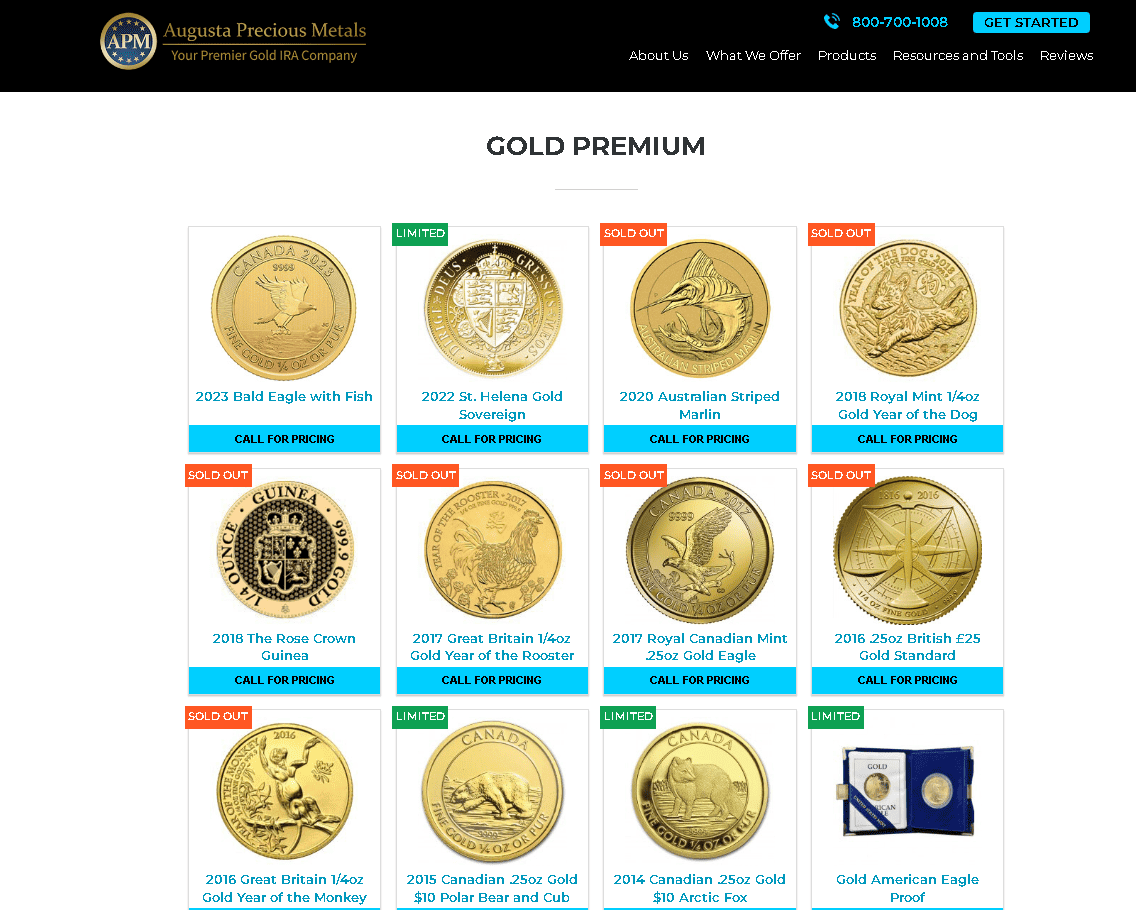
You can buy 24k gold coins and bars from a reputable U.S. company like Augusta Precious Metals.
This company has been in business for 10+ years and they have a spotless reputation among the public and their customers as you can see if you browse various consumer watchdog websites.
Read my Augusta Precious Metals review to learn more, including how to open a gold IRA with them.
Pro tip: Augusta Precious Metals is the best gold IRA company in the United States. They waive all fees for 10 years for all new customers and they give the correct information which will protect you from common gold IRA scams.
Hey, you’re reading about 18k gold, whether this gold alloy is real, affordable, beautiful and practical.
Check this out next when you’re done reading!
It’s crucial info you must have, especially if you’re a proud American curious about investing in gold and other precious metals.
Is 18k Gold Hypoallergenic or Allergenic?
Yes, 18k gold is hypoallergenic. It’s not allergenic.
18k gold is unlikely to cause skin allergies because it contains a high amount of non-allergenic yellow gold content (75%) and a (relatively) low percentage (25%) of potentially-allergenic other metals.
These allergenic metals are copper and nickel. Copper is a moderately allergenic base metal which means some people are sensitive to it, though not many.
To them 18k gold is possibly problematic. I say possibly because not everyone who has a copper sensitivity will react to 18k gold.
Nickel is much more allergenic than copper. Approximately 10% to 20% of the general population is allergic to nickel. So 18k gold made with nickel will be allergenic to everyone who is sensitive to this base metal.
Be careful if you’re one of these people and pick certified nickel-free 18k gold when shopping for new jewelry.
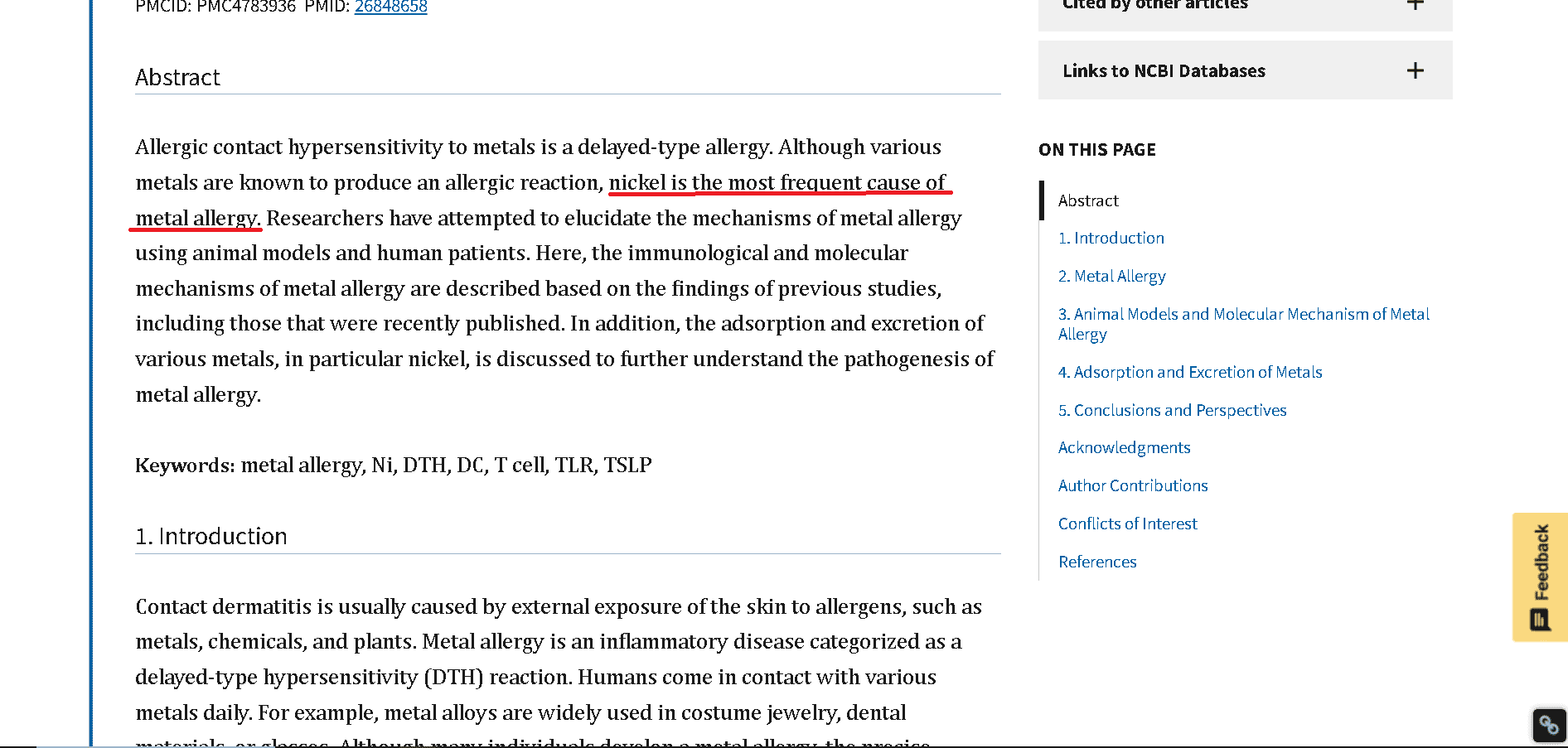
Note: 18k gold also often contain silver which is a substitute metal for nickel due to their similar color. Silver is hypoallergenic LINK to most people. This means you won’t react to it in 18k gold f you don’t have silver allergies.
Does 18k Gold Tarnish?
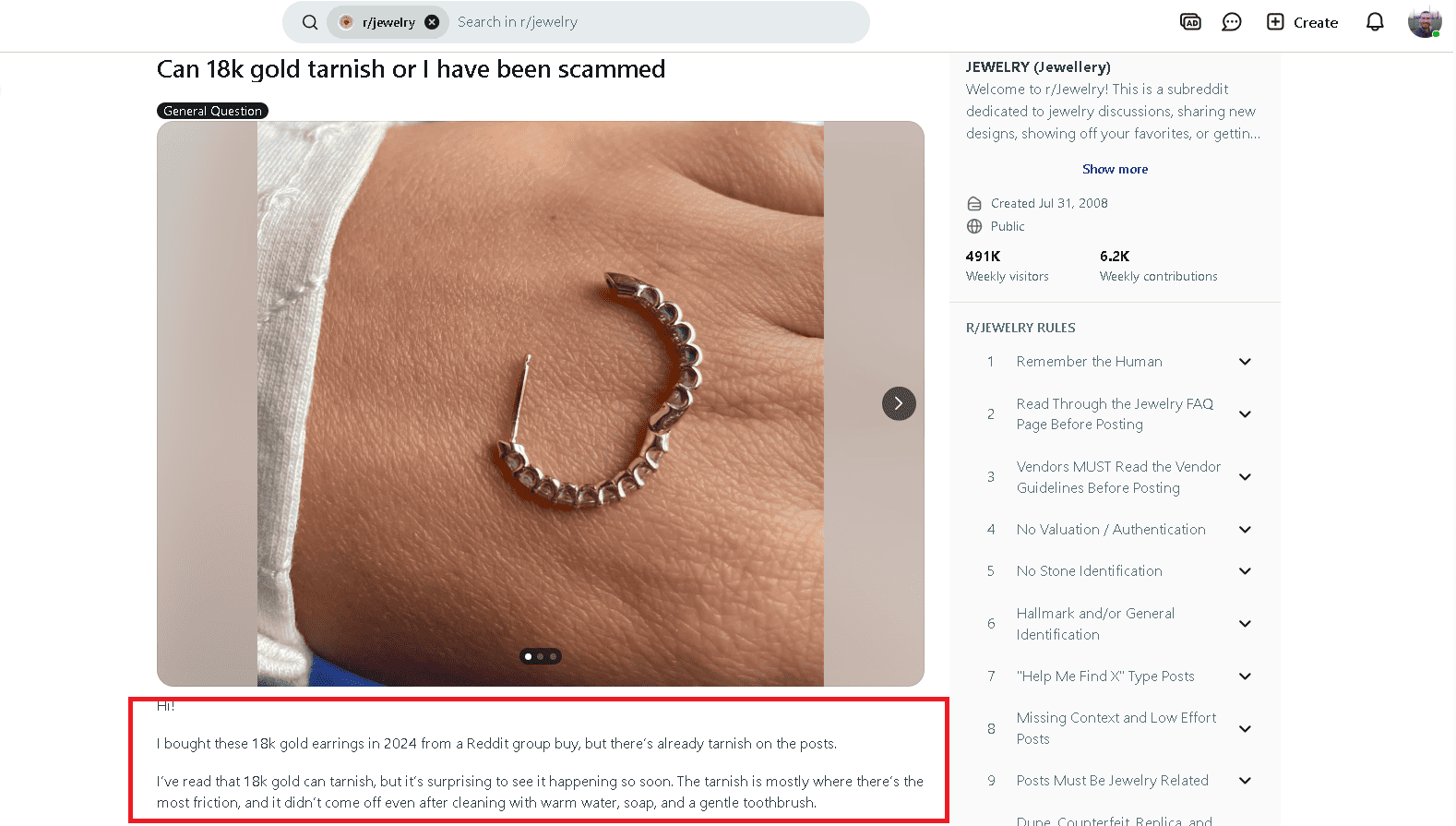
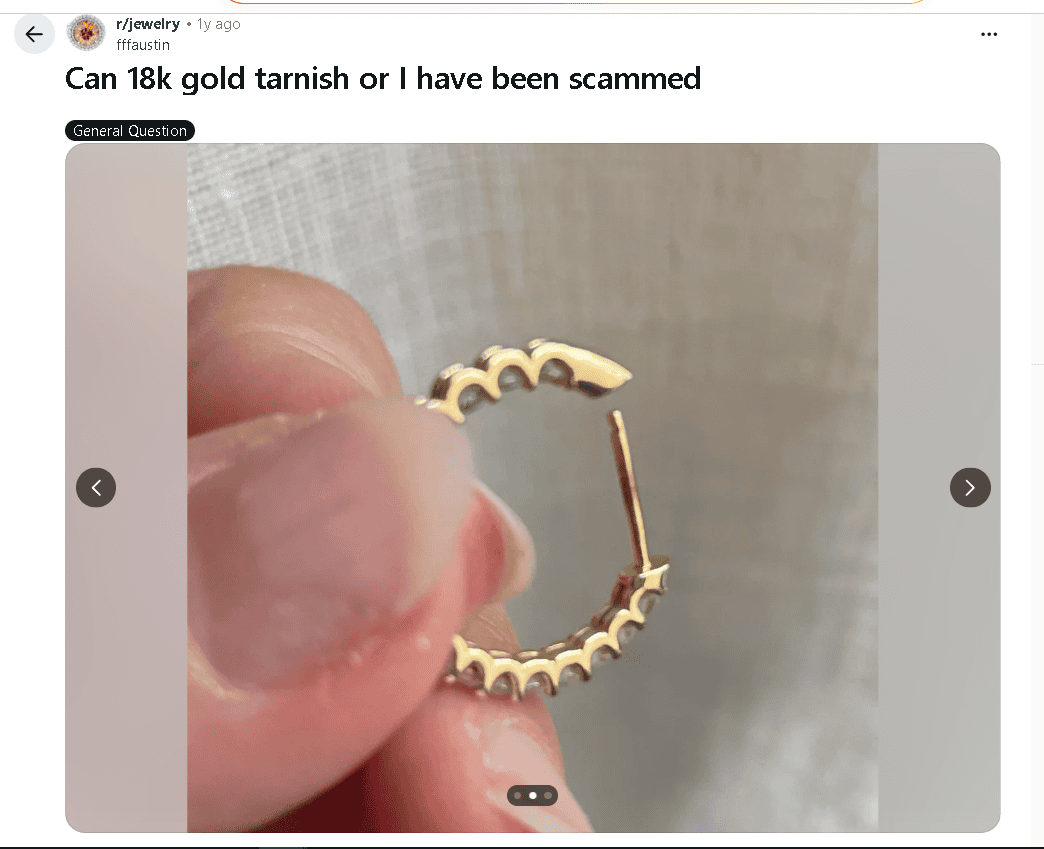
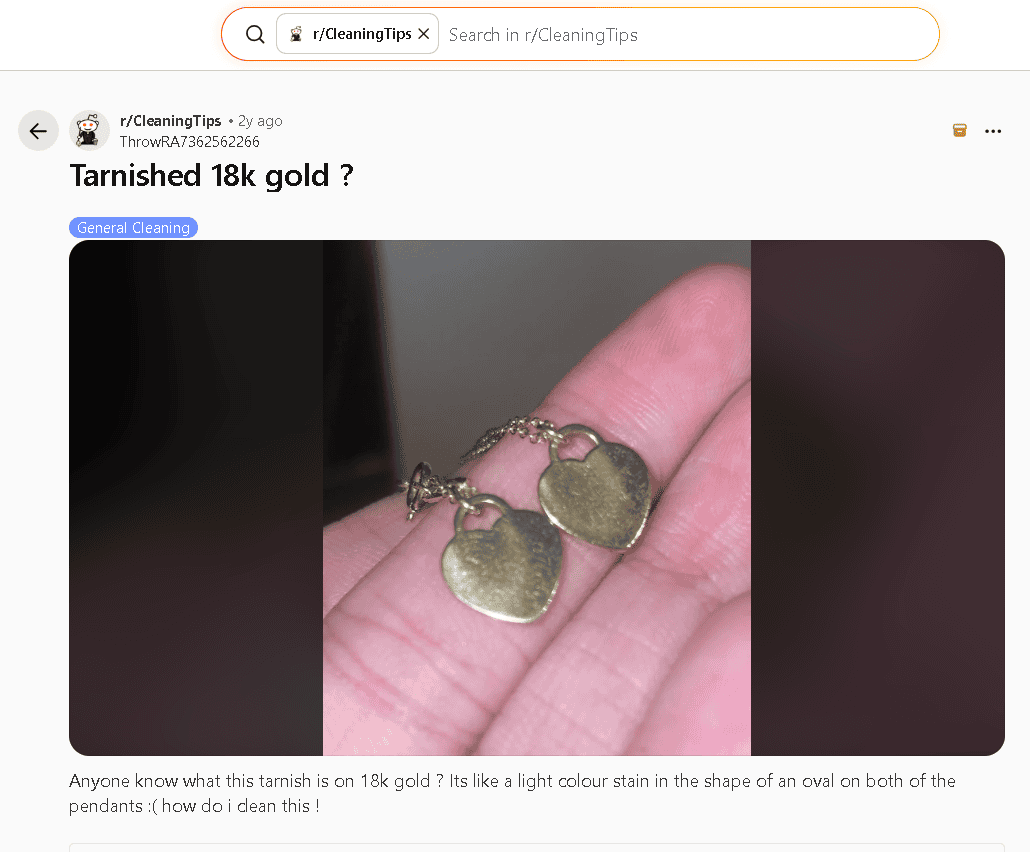
Yes, 18k gold tarnishes and isn’t immune to that effect. 18k gold tarnishes and discolors because it contains 25% of other metals (copper, silver, or nickel), and these other metals cause gradual tarnishing of 18k gold jewelry.
See below what tarnished 18k gold looks like along with tips on how to prevent it from happening to your 18k gold jewelry.
| Substance | Tarnish (Yes/No) |
|---|---|
| Fire | Fire doesn't tarnish 18k gold. However, extreme heat can temporarily discolor or create firestain on the copper and silver within the 18k gold alloy. |
| Bleach | Bleach doesn't tarnish 18k gold, as pure gold is chemically inert and resistant to bleach. However, bleach can damage or discolor the other metals alloyed with gold in 18k pieces (such as copper, silver, or nickel), weakening solder joints and causing structural damage over time. |
| Chlorine | Chlorine doesn't tarnish 18k gold, but it weakens and damages it by reacting with the copper and other base metals in the alloy. |
| Water | Water doesn't tarnish 18k gold. Pure water is harmless to 18k gold, though repeated exposure to water containing chemicals, minerals, or combined with soaps can gradually affect the luster and cause minor buildup on the surface. |
| Toothpaste | Toothpaste doesn't tarnish 18k gold, but it scratches the surface due to its abrasive particles. |
| Vinegar | Vinegar doesn't tarnish 18k gold, as pure gold is resistant to weak acids. However, prolonged exposure to vinegar affects the copper and other base metals in the 18k gold alloy, causing slight discoloration or weakening over time. |
| Lemon juice | Lemon juice doesn't tarnish 18k gold, as pure gold resists the citric acid. However, prolonged or repeated exposure affects the copper and other base metals in the 18k gold alloy and causes slight discoloration and surface dulling. |
| Hydrogen peroxide | Hydrogen peroxide doesn't tarnish solid 18k gold because gold is highly resistant to oxidation. 3% hydrogen peroxide is sometimes used to clean solid gold. |
| Baking soda | Baking soda doesn't tarnish 18k gold, but its abrasive nature causes micro-scratches that dull 18k gold's shine over time. |
| Makeup | Yes, makeup can tarnish 18k gold. This is because 18k gold contains 25% alloy metals, such as copper or silver, which can react with chemicals found in cosmetics, leading to surface discoloration and a diminished shine. |
| Alcohol | Alcohol doesn't tarnish 18K gold because gold doesn't react to alcohol. Rubbing alcohol is considered safe for cleaning gold jewelry, including 18K gold, and can effectively remove grease and grime without leaving residue or causing tarnishing. |
| Nitric acid | Nitric acid doesn't tarnish or harm 18k gold. However, base metals alloyed with gold in lower-karat gold like 18K may react slightly during testing, causing a faint fizz or discoloration in the exposed area, though the gold remains unaffected. |
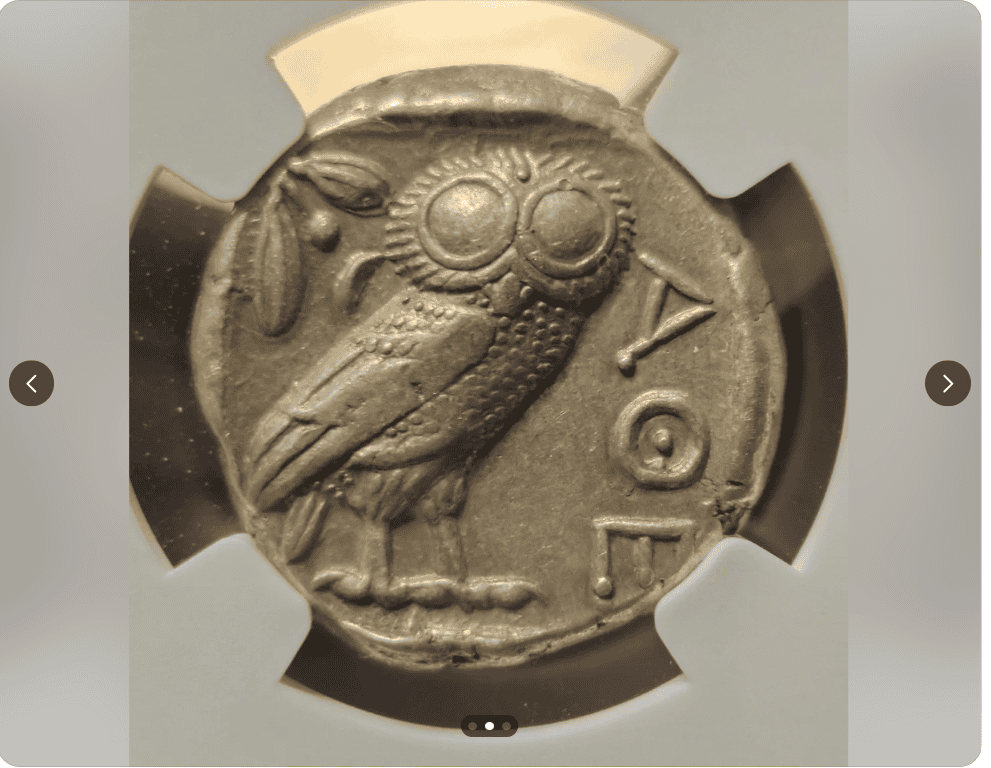
Note: don’t confuse gold patination with tarnish.
Gold patination is mild discoloration that occurs on gold item either due to natural oxidation of metals within the alloy or due to tarnish-inducing chemical treatments.
Up to a point patination makes gold look ancient, mysterious and vintage, all desirable qualities for a piece of jewelry.
But after that point beautiful patination quickly turns into ugly tarnish.
Here’s an example of a patinated ancient gold coin.
Hey, you’re reading about 18k gold, whether this gold alloy is real, affordable, beautiful and practical.
Check this out next when you’re done reading!
It’s crucial info you must have, especially if you’re a proud American curious about investing in gold and other precious metals.
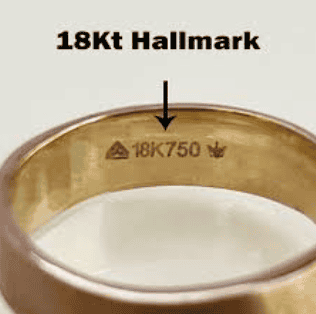
What is the Hallmark for 18k Gold?
The primary hallmark for 18k gold is the number ‘750″, which signifies that the alloy contains 75% pure gold (750 parts per thousand) and 25% other metals (such as copper or silver) for added strength.
Other common 18k gold stamps are 18K (or 18Kt, 18k, 18ct). These directly show the karatage and the gold purity percentage if you know that 24k gold is pure gold. 18k gold is 75% of 24k, hence .750 gold.
18k Gold vs 14k Gold- What are the Differences?
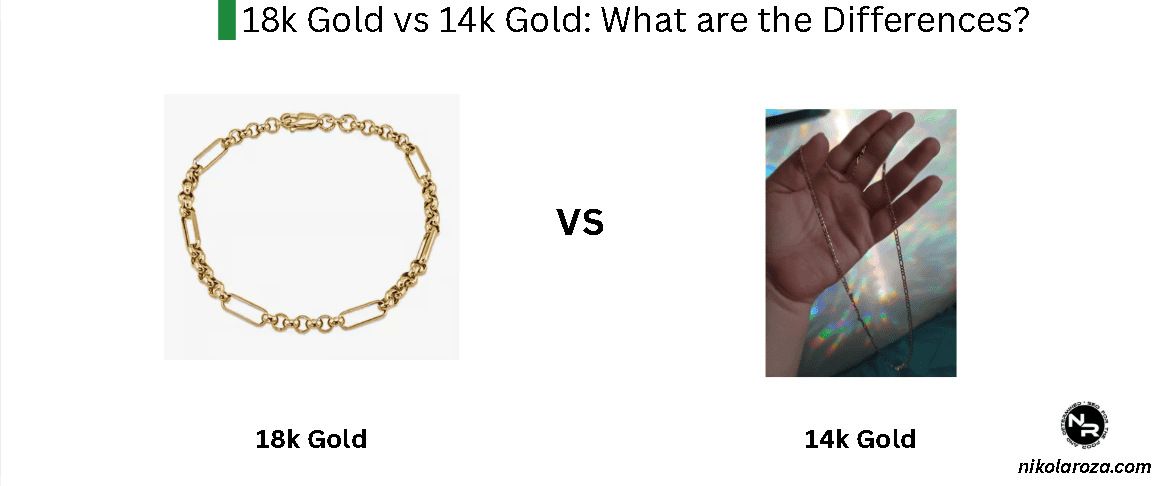
18k gold is 75% pure gold. It offers a richer, deeper yellow color and is more hypoallergenic but softer, due to the higher presence of pure gold within the alloy. 14k gold is 58.3% pure gold. It’s more durable, scratch-resistant, and affordable due to higher copper content and lower gold content.
18k is ideal for luxury or sensitive skin, whereas 14k is better suited for daily wear.
| Comparison | 18k Gold | 14k Gold |
|---|---|---|
| Composition | 75% pure gold and 25% other metals | 58.3% pure gold and 41.7% other metals. |
| Color and tarnish resistance | 18k gold tarnishes less and slower than 14k gold due to higher gold content. | 14k gold tarnishes more and faster than 18k gold due to lower gold content. |
| Durability and scratch resistance | 18k gold is less durable than 14k gold due to higher gold content (pure gold is very malleable). | 14k gold is more durable than 18k gold due to lower gold content (pure gold is very malleable) and higher copper content. |
| Cost | 18k gold is more expensive than 14k gold due to higher gold content. | 14k gold is less expensive than 18k gold due to lower gold content. |
| Skin tone compatibility | 18k yellow gold best complements warm, tan, and olive skin tones, as its rich, high-purity yellow hue enhances natural warmth and provides a luxurious, radiant glow. | 14k yellow gold best complements warm, tan, and olive skin tones, as its rich, high-purity yellow hue enhances natural warmth and provides a luxurious, radiant glow. |
| Hypoallergenic properties | 18k gold is less hypoallergenic than 14k gold due to lower copper content, and higher gold content. | 14k gold is more allergenic than 18k gold due to higher copper content, and lower gold content. |
Hey, you’re reading about 18k gold, whether this gold alloy is real, affordable, beautiful and practical.
Check this out next when you’re done reading!
It’s crucial info you must have, especially if you’re a proud American curious about investing in gold and other precious metals.
18k Gold vs 18k Gold Vermeil- What are the Differences?
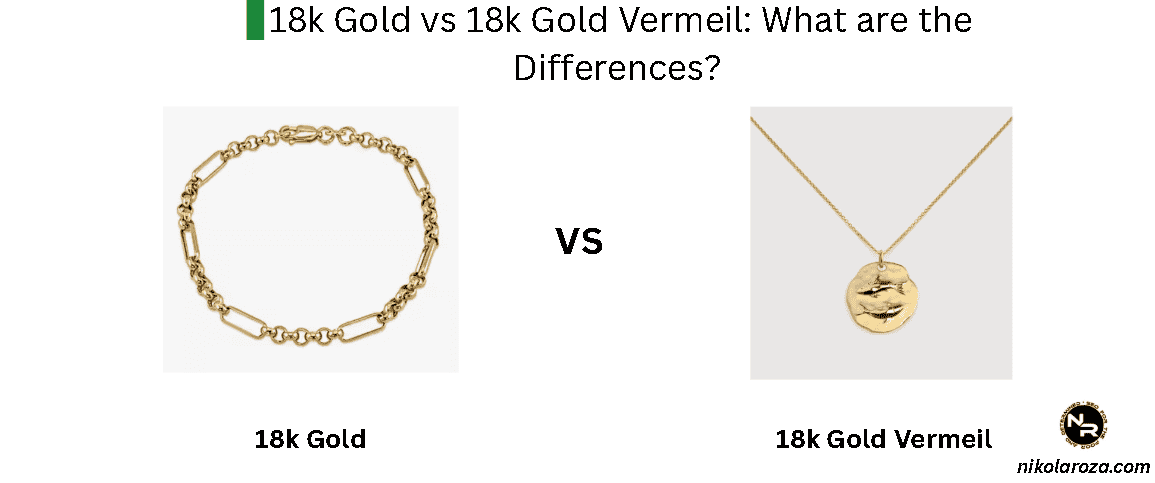
18k gold is solid, expensive, and durable (75% gold), while 18k gold vermeil is a thick layer of 18k gold bonded over sterling silver.
Vermeil offers a luxurious, hypoallergenic look at a lower price point than solid gold, but requires gentler care to avoid wear and chipping.
Solid 18k gold is waterproof and holds long-term value. With proper care it can last you a lifetime.
| Comparison | 18k Gold | 18k Gold Vermeil |
|---|---|---|
| Composition | 75% pure gold and 25% other metals | Sterling silver base+ 18k gold vermeil on top. |
| Color and tarnish resistance | 18k gold tarnishes less than 18k gold vermeil because it has no sterling silver base. | 18k gold vermeil tarnishes faster and more than solid 18k gold because the sterling silver base is prone to tarnishing, and the vermeil layer inevitably chips and wears off. |
| Durability and scratch resistance | 18k gold is more durable than 18k gold vermeil because solid gold is harder than gold plated over sterling silver. | 18k gold vermeil is less durable than 18k gold because the gold plating isn't as hard as solid gold. |
| Cost | 18k gold vermeil is more valuable than 18k gold vermeil as the latter is only partially gold with most of value taken up by sterling silver. And sterling silver is less valuable than gold. | 18k gold vermeil is less valuable than 18k gold because it contains much less gold than it. |
| Skin tone compatibility | 18k gold looks best on warm, olive, and brown skin tones, where it enhances natural warmth. It also provides a beautiful, high-contrast look on darker skin tones. | 18k gold vermeil looks best on warm, olive, and brown skin tones, where it enhances natural warmth. It also provides a beautiful, high-contrast look on darker skin tones. |
| Hypoallergenic properties | 18k gold is less allergenic than 18k gold vermeil. | 18k gold vermeil is more allergenic than 18k gold because it contains silver in addition to all the metals in solid 18k gold. More different metals= higher chance of an allergic reaction in a sensitive individual. |
Hey, you’re reading about 18k gold, whether this gold alloy is real, affordable, beautiful and practical.
Check this out next when you’re done reading!
It’s crucial info you must have, especially if you’re a proud American curious about investing in gold and other precious metals.
- ILIANA 18K Yellow Gold Hollow Figabelcher Albert Bracelet 7.5 Inch- https://www.tjc.co.uk/bracelets/18k-yellow-gold-hollow-figabelcher-albert-bracelet-7.5-inch-7193222.html
- Can 18k gold tarnish or I have been scammed- https://www.reddit.com/r/jewelry/comments/1hklrwm/can_18k_gold_tarnish_or_i_have_been_scammed/
- Tarnished 18k gold?- https://www.reddit.com/r/CleaningTips/comments/19erysq/tarnished_18k_gold/
- Titanic passenger’s watch fetches record price at auction- https://www.bbc.com/news/articles/c70930781r8o
- Is this 14k necklace ok for everyday use, or more of a “special occasion” situation?- https://www.reddit.com/r/jewelry/comments/17op0ci/is_this_14k_necklace_ok_for_everyday_use_or_more/
- Seller wants USD$740 for this brushed athenian owl tetradrachm graded Ch Vf by ngc. Is that a good price for it and should I buy it? If it isn’t, what would be a good price for it? https://www.reddit.com/r/AncientCoins/comments/1il7y3w/seller_wants_usd740_for_this_brushed_athenian_owl/

Nikola Roza
Nikola Roza is the owner of Nikola Roza- Everything You Can Learn About Precious Metals. He writes for people who love precious metals and jewelry and who're interested in adding gold, silver platinum and palladium to their retirement portfolios. Nikola is passionate about gold IRAs and investing in multiple asset types for a safer financial future. He also runs a successful online jewelry store where you can buy precious metal jewelry and various replicas of famous coins and bars. Learn about Nikola here.