Is Osmium Toxic and Dangerous to Humans, Yes or No? Is it Radioactive? Can Osmium Jewelry and Bullion Cause Body Harm and Toxicity?

Is Osmium Toxic and Dangerous to Humans, Yes or No? Is it Radioactive? Can Osmium Jewelry and Bullion Cause Body Harm and Toxicity?

Solid osmium is safe and non-toxic to humans and is used in jewelry and bullion without health risks. All commercial osmium jewelry and bullion are made from solid crystalline osmium, which is chemically inert and safe. Osmium can’t be eaten as it oxidizes with air or heat and osmium allergies are rare and distinct from … Read more
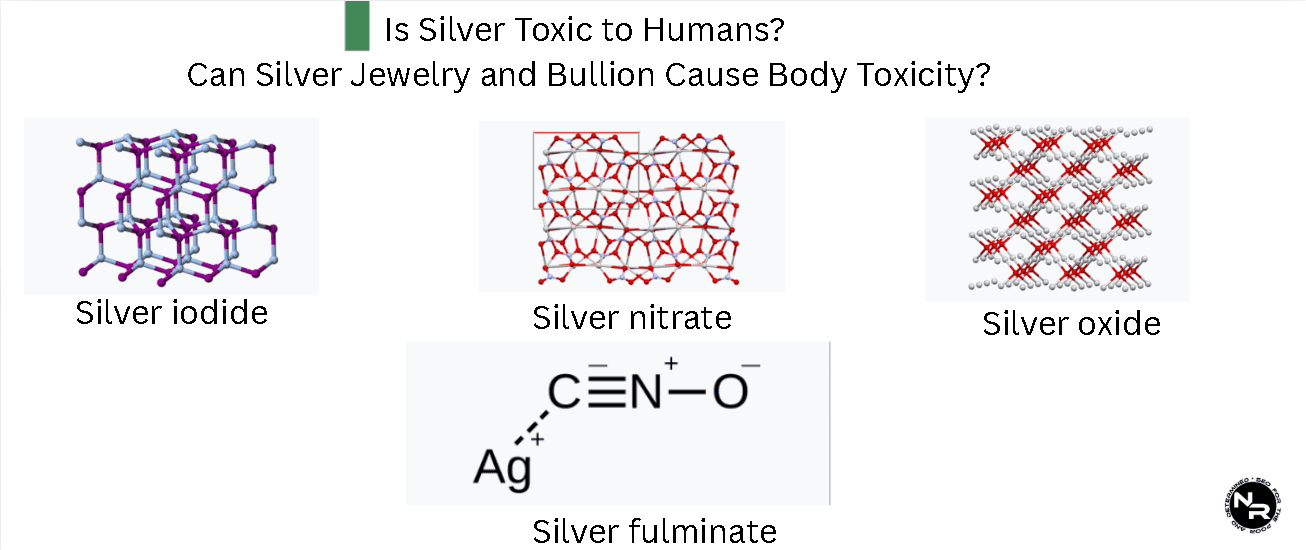
Is Silver Toxic to Humans? Is it Radioactive and Harmful? Can Silver Jewelry and Bullion Cause Body Toxicity?

Is Silver Toxic to Humans? Can Silver Jewelry and Bullion Cause Body Toxicity?

Silver’s safety depends on its form. Solid metallic silver found in jewelry and bullion is safe for humans because it’s biologically inert and doesn’t interact with body tissue. It is also non-radioactive, as natural silver consists of two stable isotopes. Certain silver compounds are highly toxic. Silver nitrate, silver iodide, silver fulminate, and silver oxide … Read more

Is Ruthenium Hypoallergenic or Allergenic?

Ruthenium is hypoallergenic and one of the least likely jewelry metals to cause allergic reactions. This means ruthenium isn’t toxic in its solid form as used in jewelry. However, while ruthenium is hypoallergenic, it’s often alloyed with allergenic metals which then make it allergenic. Ruthenium is also used to thinly coat allergenic base metals (like … Read more

What is 875 Silver? What is its Value and What are the Common Hallmarks for this Silver Alloy?

Silver 875 is a silver alloy containing 87.5% pure silver and 12.5% other metals, typically copper. It was historically used in Russia and Eastern Europe and was called “84 Zolotnik Silver” from the Russian purity system where 84/96 zolotniks equals 87.5% silver. This silver alloy is non-magnetic and generally hypoallergenic, though copper sensitivity happen occasionally. … Read more

What is 5k Gold? Is it Real and Valuable? Is There Jewelry Made From 5k Gold?

5k gold is a low-karat gold alloy that contains 20.85% pure gold and 79.15% other metals like silver, copper, and zinc. This minimal gold content makes 5k gold unappealing to investors and jewelry enthusiasts. 5k gold isn’t magnetic when gold is alloyed with non-magnetic metals, but becomes magnetic when non-magnetic metals are replaced with ferromagnetic … Read more

Platinum Iridium Alloy- What is it? How and When is Platinum/Iridium Used?

Platinum-iridium alloy combines 90-95% platinum with 5-10% iridium, creating a material prized in jewelry for its enhanced hardness, strength, and durability while maintaining platinum’s luster and chemical stability. This platinum alloy is paramagnetic (weakly attracted to magnets) and generally hypoallergenic, though rare allergic reactions can occur. It’s commonly used in wedding rings and high-end jewelry … Read more

What is 18k Gold? Is it Real Gold? What is its Worth and How Does it Compare to 14k Gold and 18k Gold Plated?

18k gold is a high-quality jewelry alloy containing 75% pure gold mixed with 25% other metals (copper, silver, or nickel) for improved strength and durability. It has a rich yellow color and is hypoallergenic due to its high gold content, though those sensitive to copper or nickel should choose certified nickel-free 18k gold varieties. To … Read more

Is Ruthenium Magnetic? Can Ruthenium Be Magnetized Under Certain Circumstances or Not?

Ruthenium isn’t magnetic. It’s paramagnetic. This means ruthenium isn’t strongly attracted to a magnet but is still slightly influenced by magnetic fields. Ruthenium is paramagnetic because its electronic structure contains unpaired electrons, specifically in its 4d orbitals, and these unpaired electrons are weakly attracted to external magnetic fields. So, pure ruthenium is paramagnetic, but ruthenium … Read more