Silver Hallmarks: What Do These Stamps Mean and How to Identify Them?

Silver hallmarks/stamps

Silver hallmarks are stamped markings on silver items that guarantee purity, maker, and origin. Not all silver (like bullion or some jewelry) is hallmarked, and legal requirements vary by country. Common marks indicate purity: 999 (fine silver), 958 (Britannia), 925 (Sterling), and lower grades like 900, 875, and 800. The “Winged Unicorn” mark identifies modern … Read more

What is Reverse (Tails) in a Coin- What Does it Mean?

What is reverse in coin (meaning)?

Coin reverse is the back side of a coin, opposite the obverse, and is commonly known as “tails.” It typically features designs that complement the obverse, such as national symbols, commemorative themes, or informative inscriptions. Some coins depict historical figures on both sides, adding visual interest. A coin’s condition matters greatly on the reverse, since … Read more

Russian Silver Hallmarks Guide- How to Read and Identify Them? Including Info on the 84 “Zolotnik” Silver Marks!

Russian Silver Hallmarks Guide- How to Read and Identify Them? Including Info on the 84 "Zolotnik" Silver Marks!

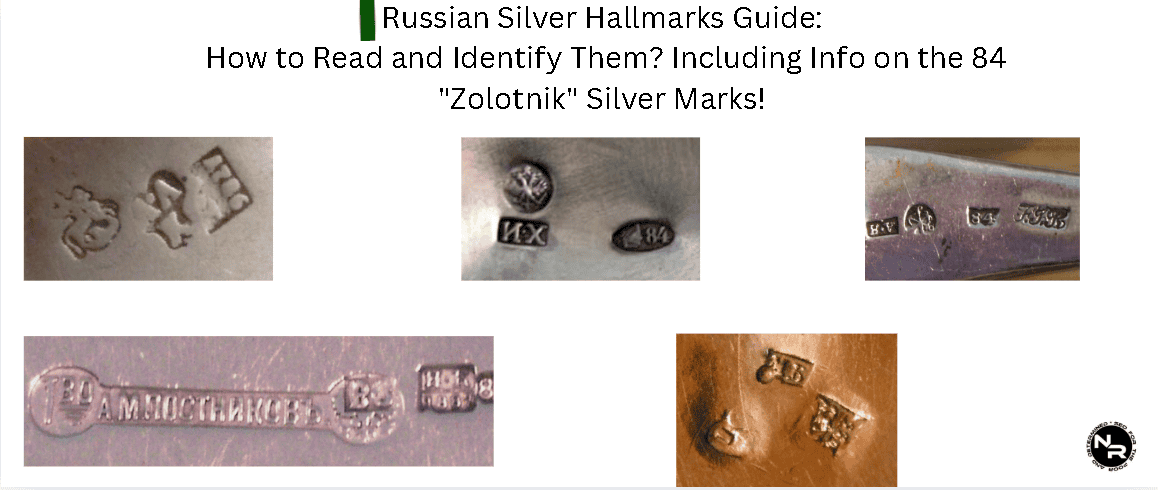
Russian silver hallmarks certify purity, date, and origin using the Zolotnik system (in use from 10th century-1927). Common Russian silver standards include 84 zolotniki (.875 fineness, most common), 88 (.916), 90 (.937), 91 (.947), and 96 (.999 pure). Russian hallmarking system included four main assay offices: St. Petersburg (crossed anchor and scepter), Riga, Vilnius, and … Read more

What is a Coin Rim- A Quick and Easy Guide!

What is a coin rim?

A coin rim is the raised border encircling both sides of a coin, protecting the design from wear while adding visual appeal. It’s distinct from the coin edge, which refers to the coin’s thickness and can be plain, reeded, or lettered. Wide-rim coins have thicker borders for durability and counterfeit deterrence. Not all circulating coins … Read more

What are Silver Rounds? And What are the Best Silver Rounds to Buy​?

What are Silver Rounds? And What are the Best Silver Rounds to Buy​?

Silver rounds are privately minted, coin-shaped silver bullion pieces made from .999 fine silver, designed for investment and collection rather than circulation. They carry no legal tender value, which means lower premiums over spot price. This makes silver rounds a cost-effective way to maximize silver ownership. The most popular silver rounds include Buffalo, Sunshine Mint, … Read more

Native American Silver Hallmarks- Indian Silver Stamps Explained (+Simple Identification Guide)

Native American Silver Hallmarks- Indian Silver Stamps Explained (+Simple Identification Guide)

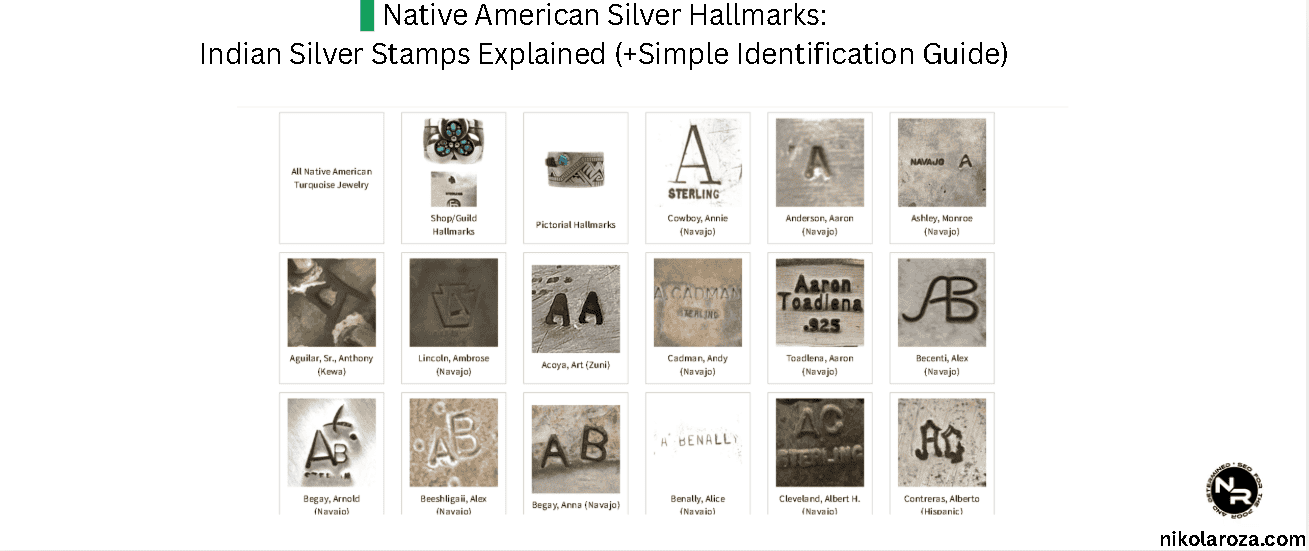
Native American silver hallmarks are unique signatures, symbols, or initials Native American artists stamp to identify their silver jewelry work. These markings appear on silver items backs, ranging from artist names and initials to complex designs featuring sacred objects and totem animals. Common stamps include “STERLING,” “SS,” and tribe-specific marks like the Hopi Silvercraft Guild … Read more

Palladium Hallmarks: What Do These Stamps Mean?

Palladium hallmarks are stamps on palladium jewelry and bullion that verify the metal’s purity and origin. These markings show you palladium content as 500, 950, or 999 parts per thousand, typically placed in a pentagonal shape. Not all palladium items are hallmarked. For example, investment-grade bullion often lacks marks, and jewelry may be exempt if … Read more

British Platinum Hallmarks: How to Read and Recognize Them?

British platinum hallmarks are legally required stamps on platinum items over 0.5g sold in the UK, guaranteeing their purity, origin, and date. Platinum hallmarking became mandatory in 1975 in the UK with the first items officially stamped on January 2 of that year. The original mark was an orb and cross, though following the 1999 … Read more

Is Ruthenium Toxic and Dangerous to Humans, Yes or No? Is it Radioactive? Can Ruthenium Jewelry and Bullion Cause Body Harm and Toxicity?

Solid ruthenium metal is safe and non-toxic for humans, making it suitable for jewelry and bullion creation. However, certain ruthenium compounds are highly dangerous. Ruthenium tetroxide is extremely toxic when inhaled, causing severe respiratory problems and respiratory failure. Standard ruthenium used in commercial products contains seven stable, non-radioactive isotopes. Radioactive ruthenium isotopes (like Ruthenium-106 and … Read more