Disclosure: Some of the links you’ll encounter are unique links. Click and buy something and I’ll earn some money, at zero expense to you. Thank you!
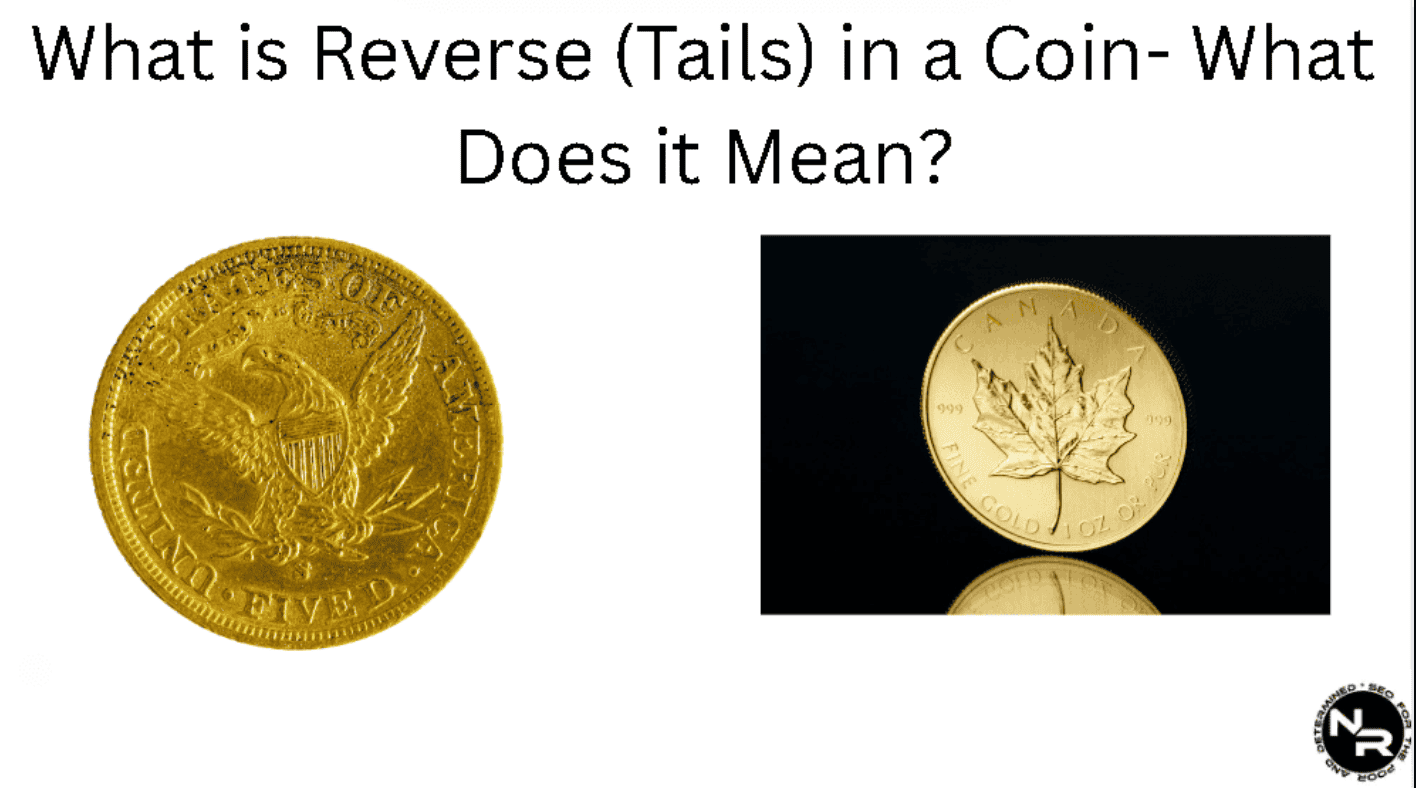
Coin reverse is the back side of a coin, opposite the obverse, and is commonly known as “tails.” It typically features designs that complement the obverse, such as national symbols, commemorative themes, or informative inscriptions.
Some coins depict historical figures on both sides, adding visual interest. A coin’s condition matters greatly on the reverse, since wear there can significantly affect its overall value and desirability.
Gold IRA coins generally follow the same design conventions as regular coins on their reverse. Regulatory standards for IRA eligibility govern purity and composition, not the reverse imagery itself.
What is Reverse on a Coin (Definition and Meaning)?
Reverse is the back or tail side of a coin, opposite the obverse (head) side. Reverse is commonly known as the “tails” side of a coin.
The reverse of a coin features designs or inscriptions that are related to obverse and complement it. Coin tails usually displays national symbols, commemorative themes, or informative inscriptions. But some coins feature unique reverse designs that have little to do with the obverse on the opposite side.
US quarter’s reverse is a good example of an effective reverse as it shows an eagle, symbolizing pride, independence and strength.
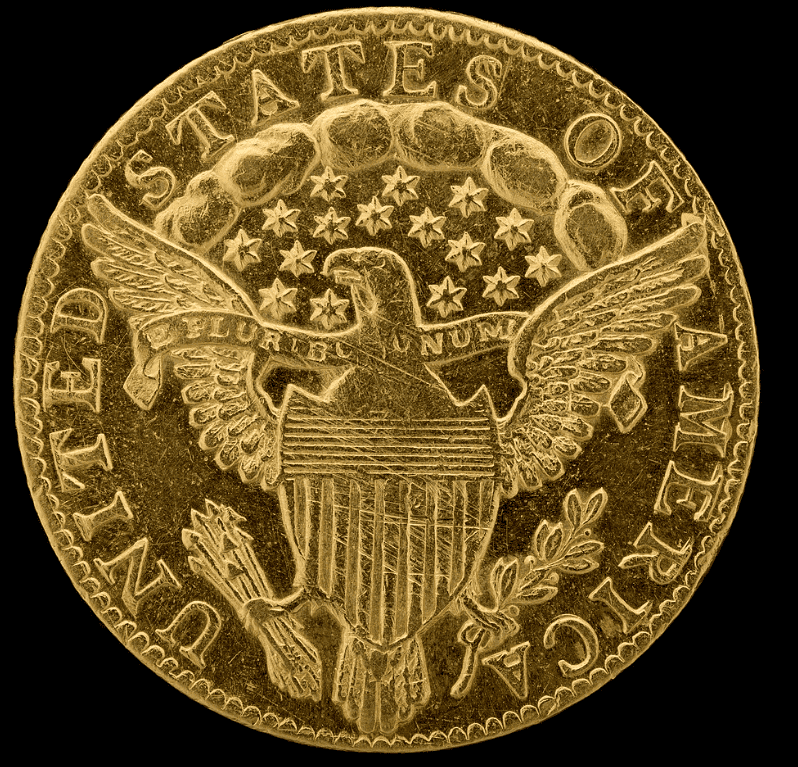
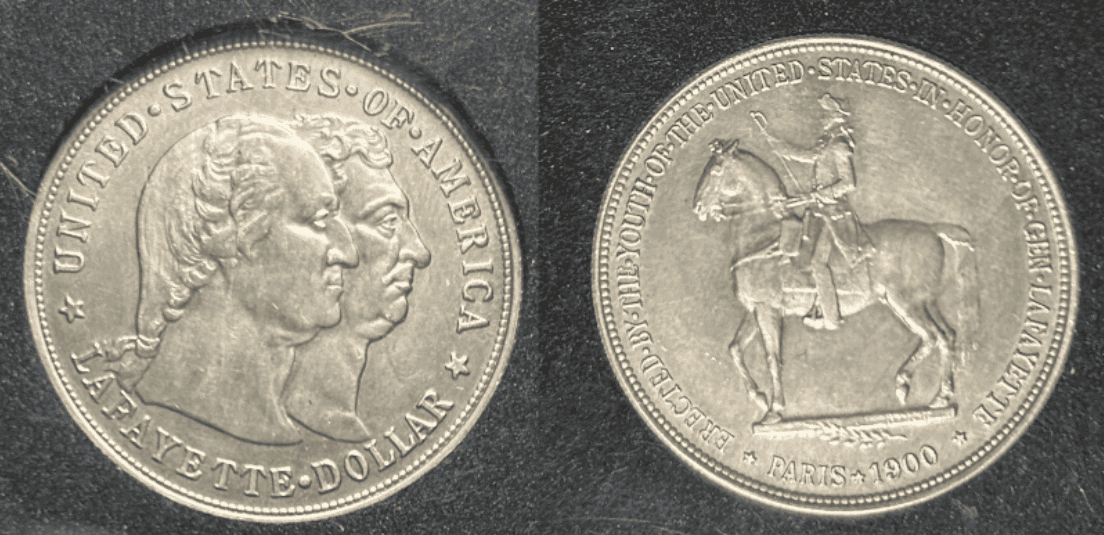
There’re no strict rules about what constitutes a coin reverse. Some coins depict historical figures on both the obverse and reverse thus adding an interesting twist to their design.
Lafayette dollar is a good example of such a coin. It features the busts of Lafayette and George Washington on the obverse and the Bartlett statue of Lafayette on horseback on the reverse.
Condition matters greatly on the reverse side. A well-preserved reverse boosts a coin’s value and desirability whereas a damaged reverse lowers its value.
Check this out next once you’re done reading my coin reverse guide. Especially important if you’re an American citizen with a keen interest in precious metals and investing.
Which Side of the US Coin is Reverse?
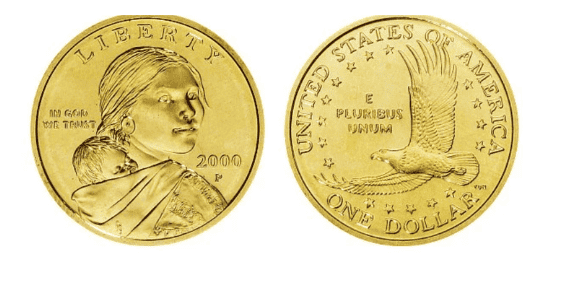
The reverse side of a US coin is the back side, and is commonly referred to as the tails side. It’s the side opposite the obverse (also known as the heads side).
For example, the reverse of the Sacagawea Dollar features a soaring eagle, whereas the obverse displays Sacagawea carrying her infant son on her back.
Do Gold IRA Coins have Radically Different Reverse Compared to Regular Coins?
No, gold IRA coins don’t have radically different reverse compared to regular coins.
Gold IRA coins follow standard numismatic conventions for their reverse designs. Most of them feature significant national symbols or designs that align closely with traditional coins.
For example, American Gold Eagle’s reverse shows an American Bald Eagle or a family of American Bald Eagles. Whereas the Canadian Gold Maple Leaf’s reverse features a detailed depiction of a maple leaf, Canada’s national symbol.
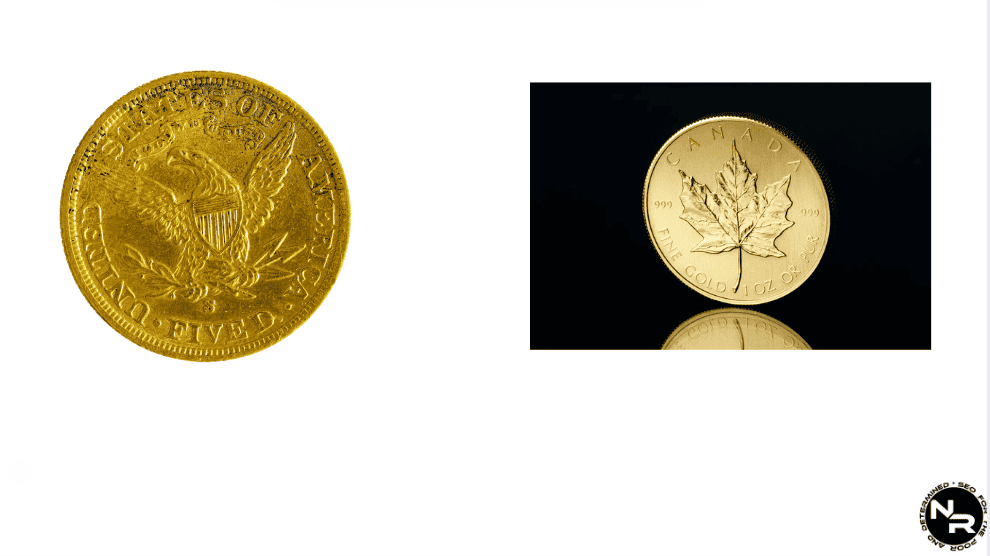
Gold IRA coins must adhere to specific regulatory standards that ensure purity and design approval. These regulations affect the coin’s composition but not the reverse design which remains consistent with non-IRA coins.
Gold IRAs allow you to add IRA-eligible silver, IRA-approved gold, IRA-eligible palladium and IRA-approved platinum to them. Augusta Precious Metals is the safest gold investment company in the USA if you want to open a gold IRA account.
Get your free gold IRA guide here!
| Precious Metals | Purity Standard |
|---|---|
| Gold | .995 purity or higher |
| Silver | .999 purity or higher |
| Platinum | .9995 purity or higher |
| Palladium | .9995 purity or higher |
Check this out next once you’re done reading my coin reverse guide. Especially important if you’re an American citizen with a keen interest in precious metals and investing.
- How to Read a Coin – Components of a Coin: Obverse, Reverse, Edge and Inscriptions- https://stonexbullion.com/en/blog/how-to-read-a-coin-components-of-a-coin-obverse-reverse-edge-and-inscriptions/
- Anatomy of a Coin- https://www.usmint.gov/learn/collecting-basics/anatomy-of-a-coin?srsltid=AfmBOor6r0erCS0eu4QKLoPS8rt5AyfATCLVJp_igl7GqTQ9vLSvCrbQ
- Obverse and reverse- https://en.wikipedia.org/wiki/Obverse_and_reverse
- Quarter eagle- https://en.wikipedia.org/wiki/Quarter_eagle
- A Most Unique Commemorative Coin – The “1900” Lafayette Dollar- https://victor-li.com/lafayettedollar/
- 2000-W 22-Karat Gold Sacagawea Dollars- https://sacagaweadollarguide.com/2000-w-22-karat-gold-sacagawea-dollars/

Nikola Roza
Nikola Roza is the owner of Nikola Roza- Everything You Can Learn About Precious Metals. He writes for people who love precious metals and jewelry and who're interested in adding gold, silver platinum and palladium to their retirement portfolios. Nikola is passionate about gold IRAs and investing in multiple asset types for a safer financial future. He also runs a successful online jewelry store where you can buy precious metal jewelry and various replicas of famous coins and bars. Learn about Nikola here.