Disclosure: Some of the links you’ll encounter are unique links. Click and buy something and I’ll earn some money, at zero expense to you. Thank you!
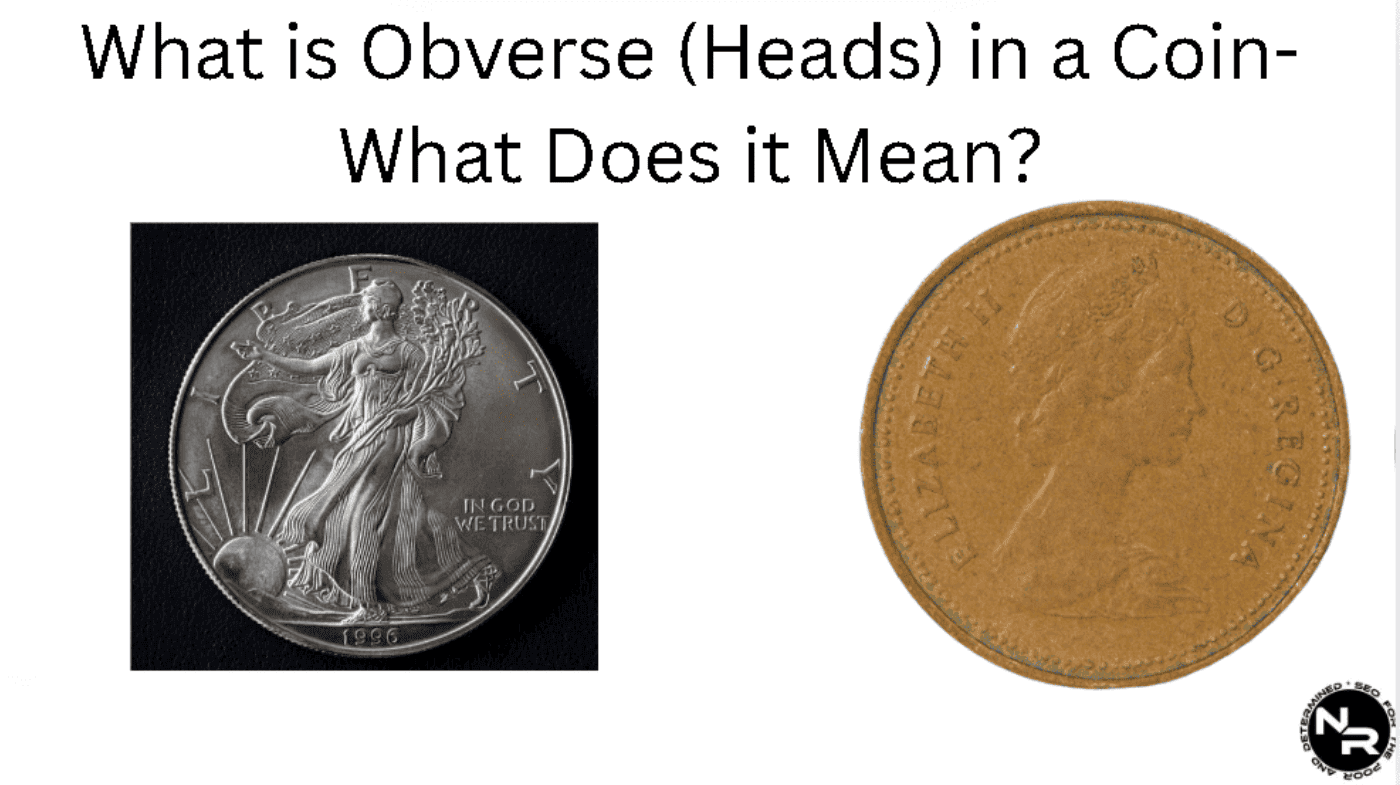
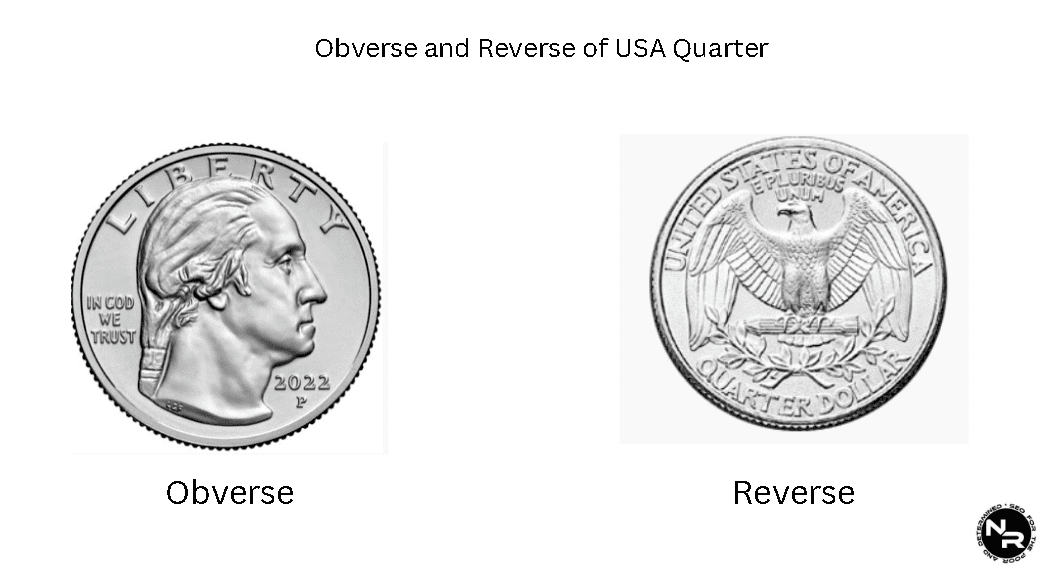
The obverse of a coin is its front side, commonly called “heads”, usually featuring a portrait, national symbol, or other prominent design. On U.S. coins, the obverse typically carries the date and often depicts presidents or notable figures, while the reverse (“tails”) shows the denomination, an eagle, or other secondary imagery.
A notable minting flaw is the Double Die Obverse, where a misaligned or repeated die strike causes doubling or distortion in details such as the date, mint mark, or portrait. These coin obverse error coins are prized by collectors for their rarity and added value compared to standard pieces.
What’s the Obverse Side of a Coin (Definition and Meaning)?
The obverse side of a coin is the front of a coin, typically having a prominent design. Coin obverse usually bears a portrait of a famous person, national symbols, or other significant imagery. This is especially true in mintage of monarchies where the ruler’s head appears regularly.
Here’s an example of obverse and reverse of a gold coin depicting King Charles III.

The obverse of U.S. coins carries the date, regardless of other features. However, some commemorative coins don’t follow this convention. Understanding coin obverses helps you understand the coin’s meaning and appreciate its beauty and value.
The other part of a coin is the reverse (tails). Coin reverse is more ornate than reverse and features secondary designs and inscriptions. For instance, the U.S. quarter displays George Washington on the obverse, and an eagle on the reverse.
Check this out next once you’re done reading my coin obverse guide. Especially important if you’re an American citizen with a keen interest in precious metals and investing.
What’s a Double Die Obverse on a Coin?
A Double Die Obverse (DDO) is a coin minting error occurring on the obverse side of a coin. This error results from the die used to strike the coin being misaligned or struck more than once. Certain design elements on the obverse appear doubled or distorted as a consequence.
Examine the obverse design closely to identify DDO. Commonly, the date, mint mark, and portrait will show noticeable distortion.
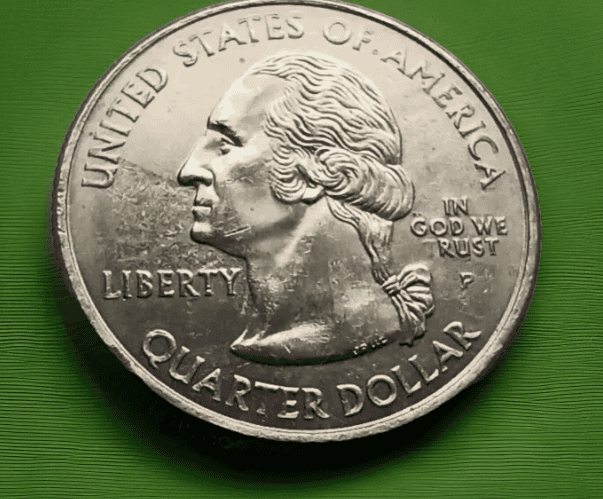
Coin collectors often seek out DDO coins for their rarity, distinct appearance and much higher value compared to normal coins. A good example of a DDO on a coin is the 2005 Kansas State Quarter with “In God We Rust” error. This error occurred due to grease getting into the die during minting, causing the “T” in “TRUST” to disappear.
Check this out next once you’re done reading my coin obverse guide. Especially important if you’re an American citizen with a keen interest in precious metals and investing.
Which Side of the US Coin is Obverse?
The obverse side of a US coin is the front of the coin. Front of the US coins is also called “Heads”. US coins commonly feature portraits of former presidents or important national symbols.
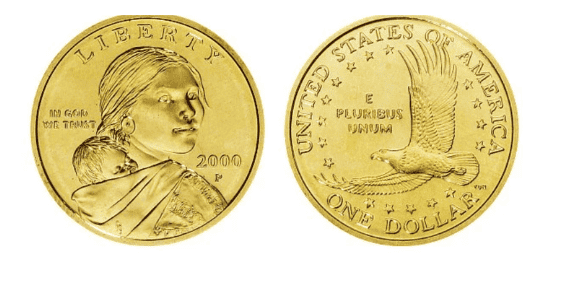
US coin’s reverse shows the denomination of the coin, an eagle, or other imagery. For example, the obverse of the Sacagawea coin features Sacagawea carrying her infant son on her back. The reverse features a soaring eagle.
Is the Obverse of a Gold IRA Coins Different than the Obverse of Regular Coins?
No, the obverse of gold IRA coins isn’t different than the obverse of regular coins.
Precious metal purity is what determines whether a coin is IRA-approved or not. Not the obverse size and looks.
Gold IRAs allow you to add IRA-approved gold, IRA-eligible silver, IRA-approved platinum and IRA-eligible palladium to them. This bullion (coins and bars) is exceedingly pure.
| Precious Metals | Purity Standard |
|---|---|
| Gold | .995 purity or higher |
| Silver | .999 purity or higher |
| Platinum | .9995 purity or higher |
| Palladium | .9995 purity or higher |
P.S.
Augusta Precious Metals is the best and safest gold investment company in the USA.
Get your free gold IRA guide here!

Check this out next once you’re done reading my coin obverse guide. Especially important if you’re an American citizen with a keen interest in precious metals and investing.
- Obverse and reverse- https://en.wikipedia.org/wiki/Obverse_and_reverse
- Parts of a Coin- https://kids.usmint.gov/coins-life/parts-of-a-coin
- What Is The Obverse Of A Coin?- https://www.usgoldbureau.com/news/post/what-is-the-obverse-of-a-coin
- King Charlese gold coin obverse and reverse- https://www.bradfordexchange.com/products/924036_king-charles-iii-commemorative-proof-coins.html
- 2005 P Kansas DD/ IN GOD WE RUST/ State Quarter Error coin- https://www.ebay.com/itm/235697163745
- 2000-W 22-Karat Gold Sacagawea Dollars- https://sacagaweadollarguide.com/2000-w-22-karat-gold-sacagawea-dollars/

Nikola Roza
Nikola Roza is the owner of Nikola Roza- Everything You Can Learn About Precious Metals. He writes for people who love precious metals and jewelry and who're interested in adding gold, silver platinum and palladium to their retirement portfolios. Nikola is passionate about gold IRAs and investing in multiple asset types for a safer financial future. He also runs a successful online jewelry store where you can buy precious metal jewelry and various replicas of famous coins and bars. Learn about Nikola here.