Platinum Industry Statistics, Facts Trends and Data for 2026

Global platinum production reached 227.7 metric tons in 2025, expected to grow to 400 metric tons by 2032. South Africa dominates production with 120-150 metric tons annually (50% of global output) and holds the largest reserves at 63,000 tons. Russia, Zimbabwe, USA, and Canada are other major producers. It takes 12 tons of ore to … Read more
What is Coin Clipping? Is it the Same as Coin Shaving?

What is coin clipping?

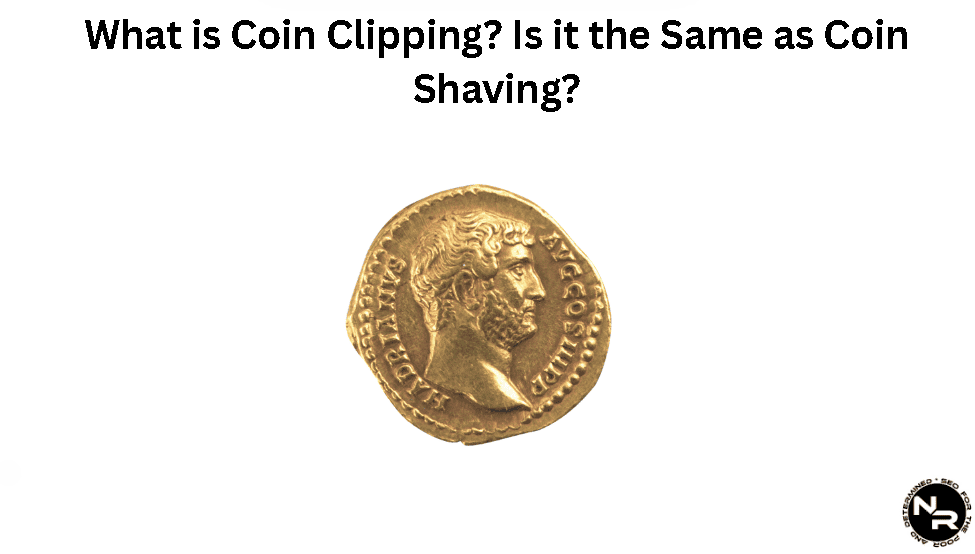
Coin clipping is a historical currency debasement method where small amounts of precious metal were shaved or clipped from coin edges to be accumulated for profit. This reduced the coin’s intrinsic weight and value. This practice is also known as coin shaving and it was illegal as it undermined trust in currency and led to … Read more

Ruthenium Industry Statistics, Facts Trends and Data for 2026

The global ruthenium market was valued at $5.1 billion in 2023, projected to reach $7.7 billion by 2032. Annual production is approximately 30 metric tons (1,058,218 ounces), primarily as a byproduct of platinum mining. Current demand stands at 1 million ounces yearly, expected to reach 2.3 million ounces by 2032. South Africa dominates with 2,500 … Read more

Coin Debasement- The Why and How Behind This Controversial Tactic!

What is coin debasement?

Coin debasement is the practice of reducing a coin’s intrinsic value while maintaining its face value, traditionally by lowering its precious metal content. Historically, governments used methods such as alloy mixing, weight reduction, coin clipping, plugging, and sweating to stretch limited gold and silver reserves. Famous examples include England’s Great Debasement and the Roman denarius, … Read more

What is a Coin Field (Meaning and Definition)?

What is a coin field?

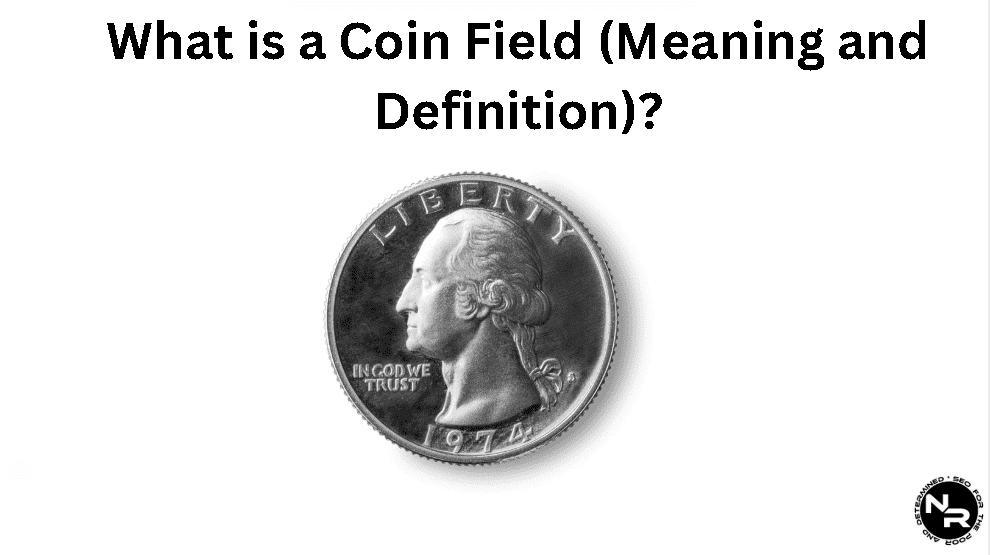
A coin field is the flat, blank surface area surrounding a coin’s main design, distinct from raised reliefs and inscriptions. It contrasts with the design to enhance visual impact, and is different from both the obverse (front) and reverse (back) sides. Coin field refers specifically to the background area on either side. Coin fields are … Read more

What is a Coin Exergue? Meaning and Details you Don’t Know!

What is a coin exergue?

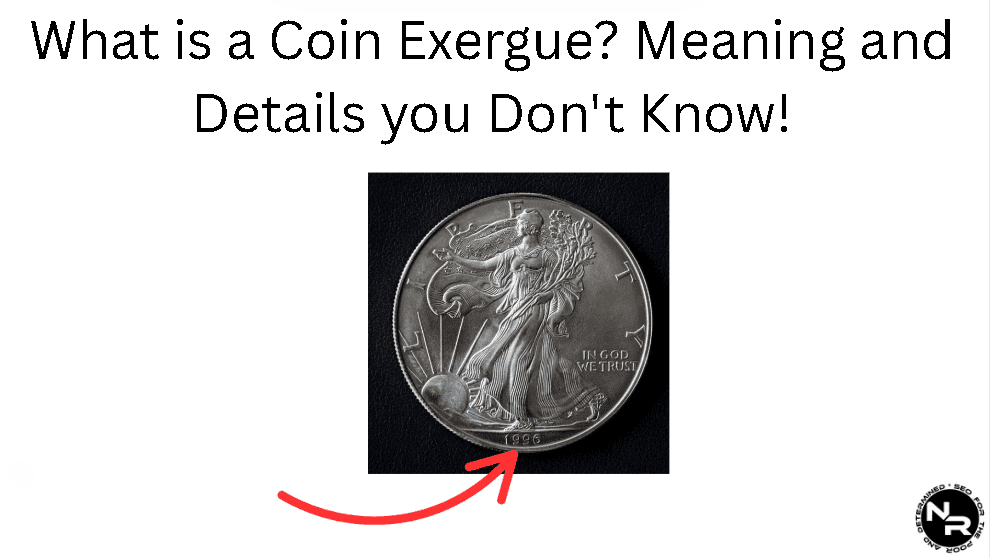
A coin exergue is a specific area on a coin, typically on the reverse side below the main design, used for inscriptions or markings. Coin exergues serves as space for dates, mint marks, privy marks, and other informative details. Three types exist: supraexergue (located at the top), bowed exergue (with curved lettering), and double exergue … Read more

How To Tell If Platinum is Real or Fake? Simple Home Tests to Test Platinum Coins, Bars and Jewelry (Rings, Earrings, Necklaces, Chains, Bracelets…)

Several reliable home tests can verify platinum authenticity. The most effective methods include nitric acid testing (authentic platinum won’t react), hydrogen peroxide testing (real platinum causes vigorous bubbling), and magnet testing (pure platinum is non-magnetic). Ice testing also works because platinum’s high thermal conductivity melts ice rapidly, while water testing confirms genuine platinum won’t tarnish. … Read more

Rhodium Coins and Bars- Do These Exist or Not?

Rhodium coins and bars

Rhodium is a rare silver-white precious metal belonging to the platinum group, roughly 100 times rarer than gold. Around 80–90% of global supply comes from South Africa, with smaller contributions from Russia and Canada. Its primary uses are in automotive and jewelry manufacturing, with only a small share going toward bullion production. Rhodium coins and … Read more

How To Tell If Silver is Real or Fake? Simple Home Tests to Test Silver Coins, Bars and Jewelry (Rings, Earrings, Necklaces, Chains, Bracelets, Cufflinks…)

You need to know whether silver is real or fake before you start buying (supposed) silver objects. You simply can’t afford to lose your money and get scammed.  So go and read my article below as it’ll tell you how to test silver coins, bars and jewelry (rings, earrings, necklaces, watches, bracelets, chains, pendants, broches, … Read more

Does Palladium Tarnish or Not? How to Prevent it from Happening?

Does palladium tarnish?

Palladium doesn’t tarnish because it doesn’t react with oxygen at normal temperatures. Palladium is a tarnish-resistant metal that retains its shine well, even with wear and scratches. Below are all the questions people ask about tarnishing palladium (jewelry) + quick answers to them. What is Palladium Tarnish? Palladium tarnish is actually a patina that develops … Read more