Disclosure: Some of the links you’ll encounter are unique links. Click and buy something and I’ll earn some money, at zero expense to you. Thank you!
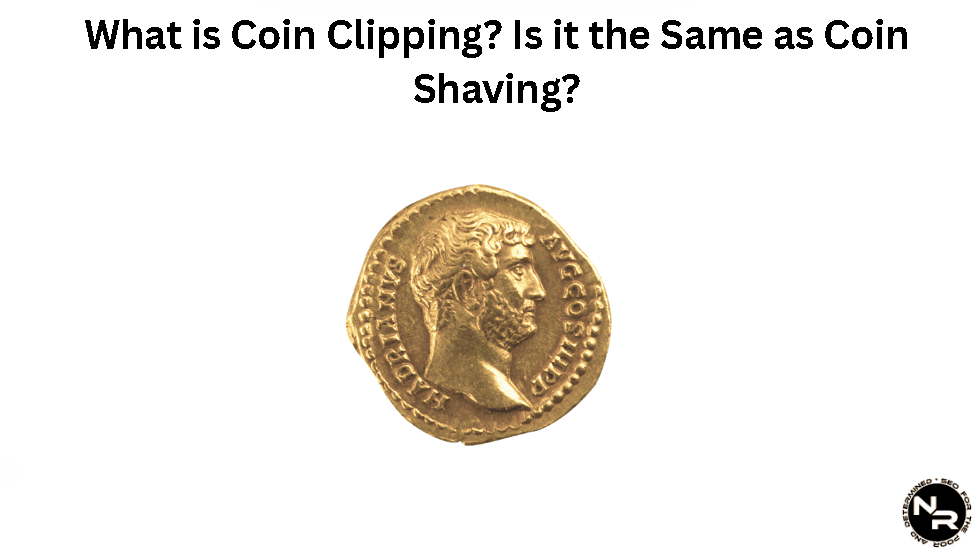
Coin clipping is a historical currency debasement method where small amounts of precious metal were shaved or clipped from coin edges to be accumulated for profit. This reduced the coin’s intrinsic weight and value. This practice is also known as coin shaving and it was illegal as it undermined trust in currency and led to economic instability.
Coin clipping was later countered by security features like reeded (ridged) edges on coins, which is why it’s not widespread today.
What is Coin Clipping (Meaning and Definition)?
Coin clipping is a coin debasement method where small metal pieces are physically removed from the edges of precious metal coins.
Precious metal coins were common in the past and individuals used tools like knives or shears to shave off material, aiming to accumulate enough precious metal for profit. Coin clipping reduced the weight of the coin while maintaining its face value, allowing individuals to exploit the currency system.
Many modern coins feature ridged edges to counteract coin clipping attempts. Reeded coin edges retain their original value and modern coins aren’t made with precious metals so that’s a key deterring factor too.
Coin clipping isn’t common today but discussions around currency debasement continue, particularly regarding the creation of additional paper or digital currency that devalues existing holdings.
Check this out next once you’re done reading my coin clipping guide. It’ll satisfy your thirst for real, non-clipped precious metal coins:).
Especially important if you’re an American citizen who worries about the economy and is considering investing in precious metals to hedge against the inflation.
Who Started Coin Clipping? And Where (Brief History)?
The names of first coin clippers are forever lost to time. But we know civilizations that first used precious metal coins as currency faced this problem.
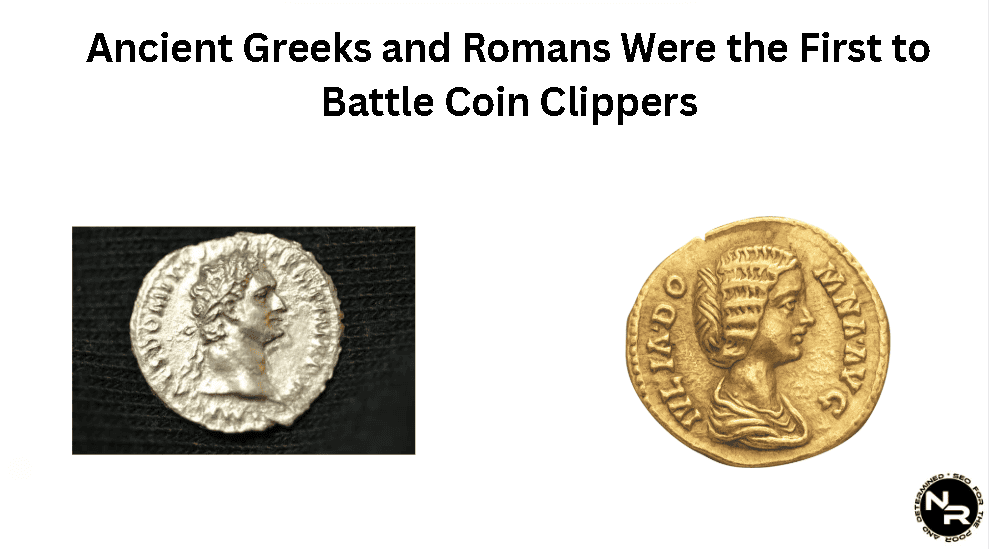
Greeks and Romans encountered systemic coin shaving, creating a cycle of devaluation and coin clipping likely spread as trade flourished and the use of precious metals in coins became common.
Coin clipping thrived in Medieval Europe. Standardized coinage allowed for easier identification, prompting individuals to exploit this system. The practice became rampant by the 17th century in Britain, crippling the trust in official currency.
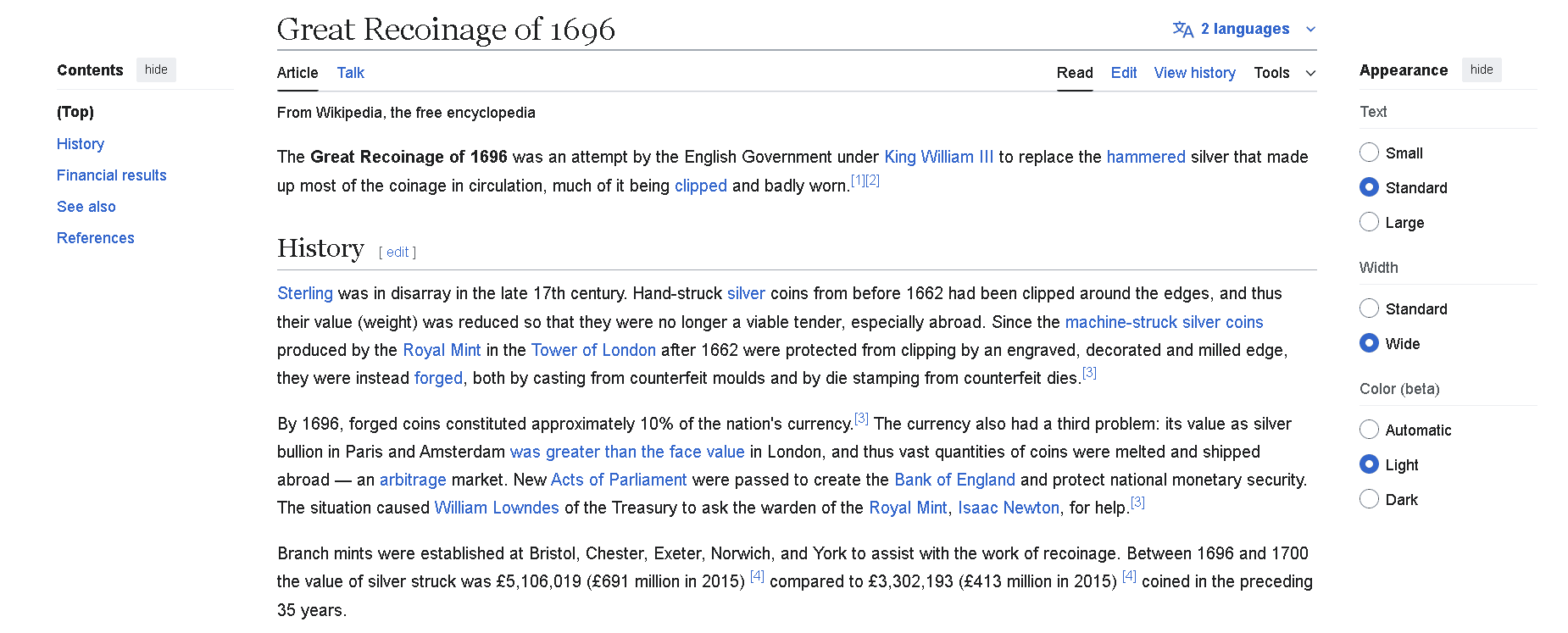
Economic instability from clipped coins sparked efforts for reform, evident in the Great Recoinage of 1696, where worn out and clipped coins were replaced with milled coins designed to prevent clipping.
Check this out next once you’re done reading my coin clipping guide. It’ll satisfy your thirst for real, non-clipped precious metal coins:).
Especially important if you’re an American citizen who worries about the economy and is considering investing in precious metals to hedge against the inflation.
Why is Coin Clipping Illegal?
Coin clipping is illegal because of its significant negative economic impact. Clipping undermines the inherent value of currency, leading to inflation.
Clipped coins in circulation distort market trust and create trade instability. And the reduction of intrinsic value damages both individual transactions and larger economic systems.
Think of coin clipping as fraud and theft. Scammers present debased coins as genuine value, effectively stealing from individuals and governments.
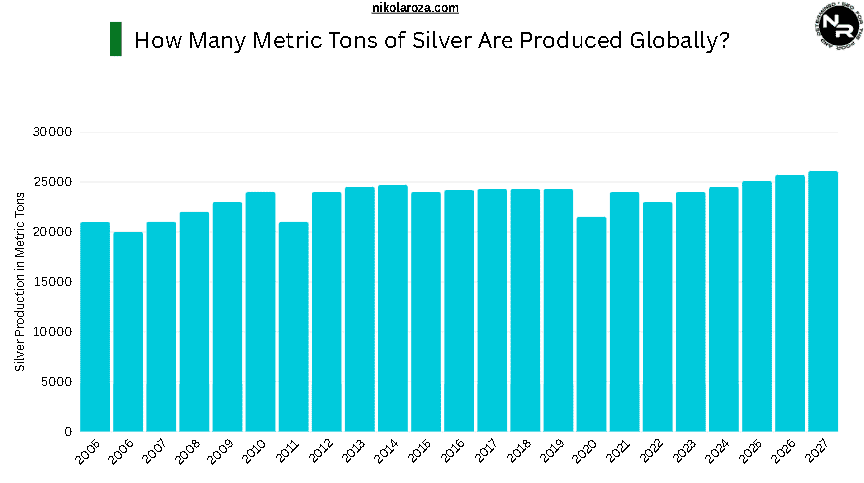
And you know how rare precious metals are. For example, silver used to be a popular metal for coins in circulation. Nowadays roughly 40 000 metric silver tons are produced per year. That’s a lot compared to a thousand or fifteen hundred years ago when silver mines were rare and mining technology was primitive.
Check this out next once you’re done reading my coin clipping guide. It’ll satisfy your thirst for real, non-clipped precious metal coins:).
Especially important if you’re an American citizen who worries about the economy and is considering investing in precious metals to hedge against the inflation.
How Does Coin Clipping Work?
Coin clipping involves removing small amounts of metal from the edges of coins.
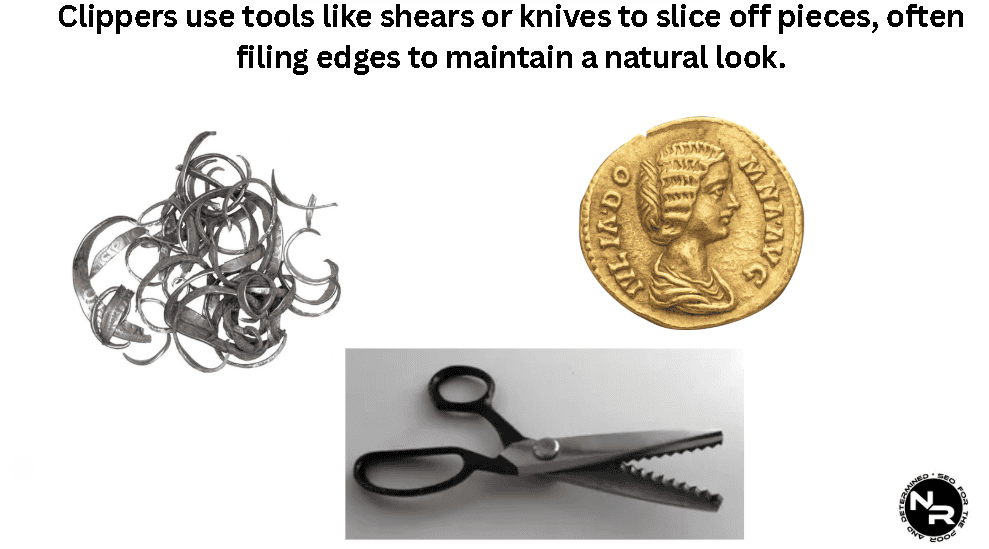
Clippers use tools like shears or knives to slice off pieces, often filing coin edges to maintain a natural look. This method lets clippers extract metal without altering the coin’s visible appearance.
Is Coin Shaving the Same as Coin Clipping?
Yes, coin shaving is the same as coin clipping. The two terms are interchangeable.
Is Coin Reeding Effective Against Coin Clipping?
Yes, coin reeding is an effective countermeasure against coin clipping.
Reeded coin edges enhance security by making alterations more visible because it’s easy to detect tampering when a coin’s edge has noticeable ridges.
Governments introduced coin reeding to reduce the incentive for clipping., and reeding promotes trust in currency systems by making it clear when coins have been compromised.
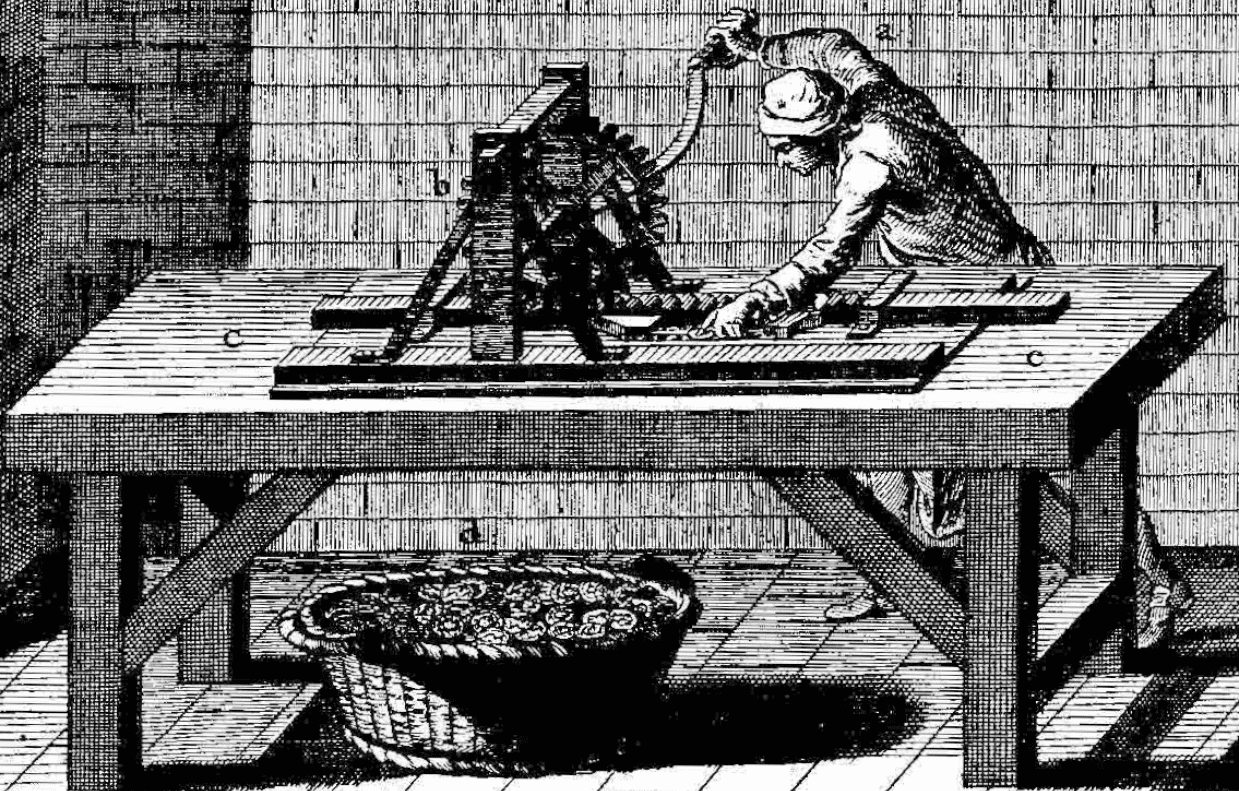
Coin reeding became widespread with the invention of Castaing machine and during times when clipping was a significant threat to nation’s monetary integrity.
Are Rimless Coins More or Less Vulnerable to Coin Clipping?
Yes, rimless coins are more vulnerable to coin clipping than regular coins. It’s because reeds on a coin’s edge help protect it from being clipped. And clipped coin with a reeded edge is easily discovered.
How Widespread is Coin Clipping Today?
Coin clipping isn’t widespread in modern society. Current coins consist of base metals instead of precious metals, making the practice less appealing. And advanced security features on a coin help prevent alterations further decreasing the likelihood of clipping occurring.
Coin Clipping vs Coin Weight Reduction- What’s the Difference?
Coin clipping and coin reduction are different.
Coin clipping is the act of individuals who shave coins for their precious metals content. Coin weight reduction is the process where the amount of precious metal in a coin is systematically reduced, while the coin’s face value remains the same.
Coin clipping is done by greedy individuals. And coin weight reduction is done by financial institutions to improve their countries’ economies.
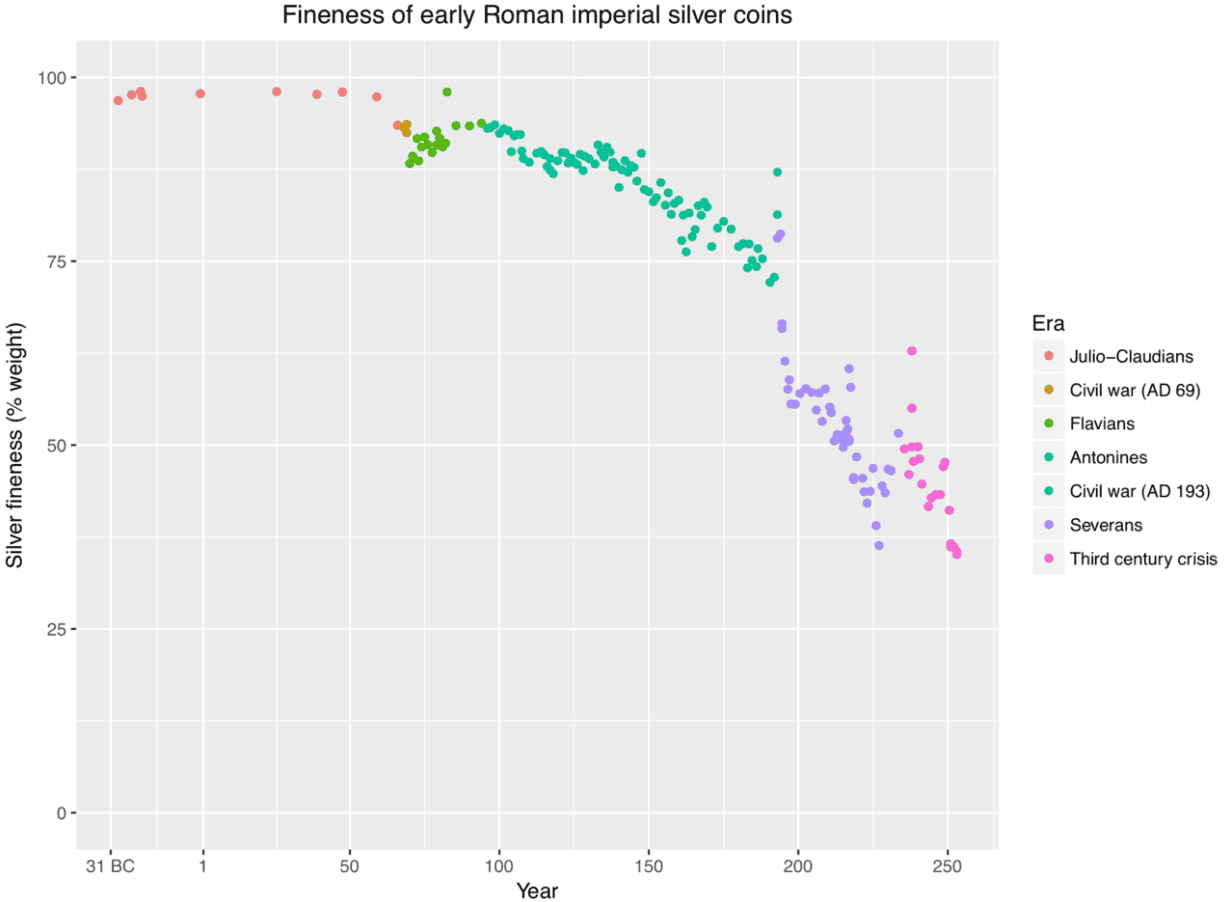
For example, Rome’s denarius once contained approximately 4.5 grams of silver; by the 3rd century, it fell to around 2% silver content.
Coin weight reduction no longer happens with modern circulated coins. Modern coins aren’t made of precious metals. Instead, they’re made of base metals and sometimes modified to look like they’re made of gold and silver.
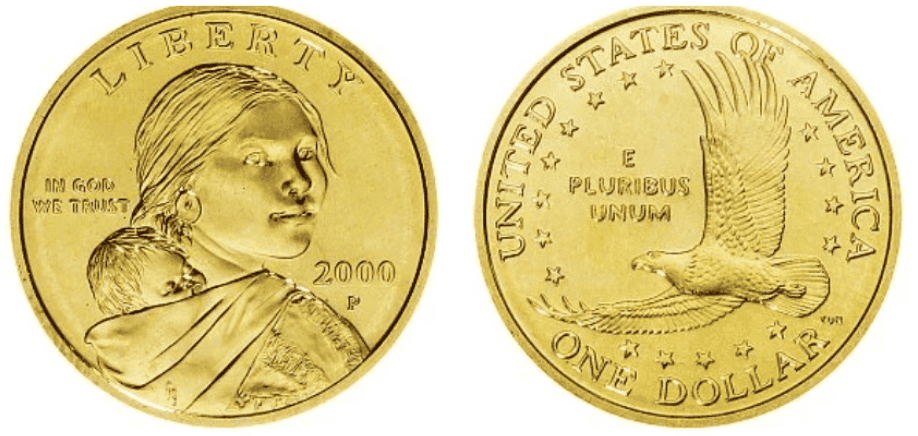
A good example is the Sacagawea Dollar coin. Sacagawea dollars are made from 88.5% copper, 6% zinc, 3.5% manganese, and 2% nickel. This exact metal composition makes the coin look like it’s made of gold, when it fact it isn’t.
Coin Clipping vs Coin Sweating- What’s the Difference?
Coin clipping and coin sweating are different.
Coin clipping is the act of individuals who shave coins for their precious metals content. Coin sweating is a coin debasement method that involves shaking coins in a container to remove small amounts of precious metals from their edges.
Coin clipping leaves more visible marks on affected coins, whereas coin sweating takes away the value from entire surface of coins making the affected coins visually indistinguishable from unaffected pieces.
Check this out next once you’re done reading my coin clipping guide. It’ll satisfy your thirst for real, non-clipped precious metal coins:).
Especially important if you’re an American citizen who worries about the economy and is considering investing in precious metals to hedge against the inflation.
Coin Clipping vs Coin Plugging- What’s the Difference?
Coin clipping and coin plugging are different.
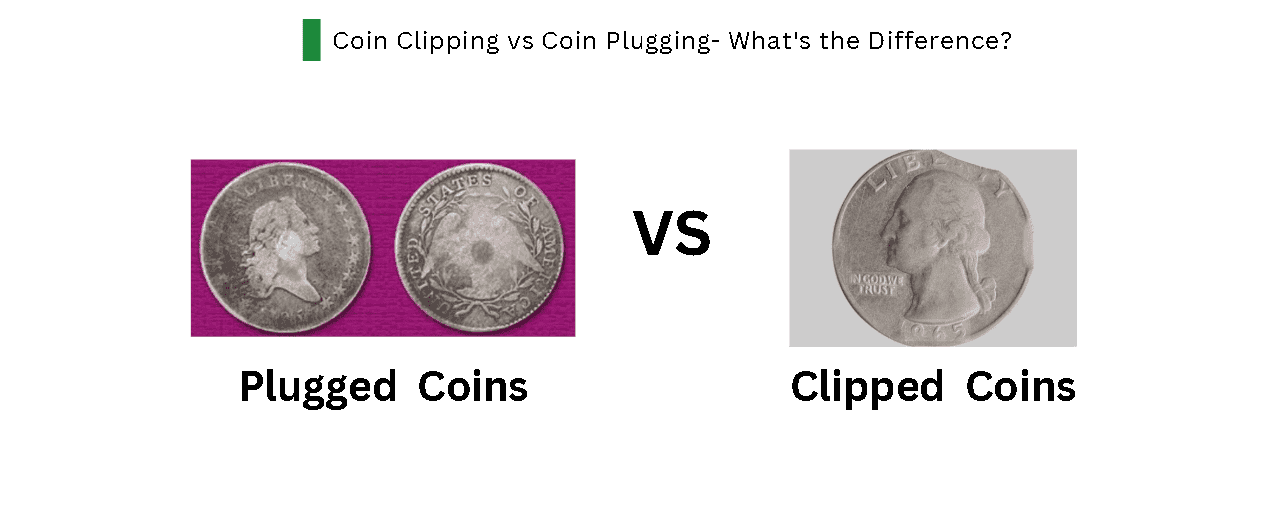
Coin clipping is the act of individuals who shave coins for their precious metals content. Coin plugging is a coin debasement method where a hole gets punched into the center of a coin to remove its precious metal content.
Plugged coins have their holes filled to fool inexperienced people, but the damage is still visible and more visible than in (moderately) clipped coins.
Hey, check this out next once you’re done reading my coin clipping guide. It’ll satisfy your thirst for real precious metal coins:)
Can Gold IRA Coins Be Clipped?
No, gold IRA coins can’t be clipped. It’s because gold IRA bullion is always held in secured gold IRA depositories and never with their owners at their homes. These coins are insured and safe from being shaved while stored in a depository.
Are you looking to get a gold IRA or silver IRA? Check out Augusta Precious Metals next. They’re the best gold IRA investment company in the USA and they can help you with every step of the process.
Get Augusta’s free gold IRA guide here!

- An Introduction to Coin Clipping- https://atkinsonsbullion.com/news/may-2024/an-introduction-to-coin-clipping
- What is Coin Clipping? An Introduction- https://tavexbullion.co.uk/what-is-coin-clipping-an-introduction/
- Clippers and Counterfeiters- https://www.royalmint.com/globalassets/the-royal-mint/pdf/clippers-and-counterfeiters-notes-for-teachers.pdf
- TIL In the middle ages, some people used to “clip” coins, Coins in medieval Europe were based on gold or silver. The purpose of clipping was to remove slivers of this material from the edge of the coin. Do this enough times and you have enough for a new coin, if caught punishment was death.- https://www.reddit.com/r/todayilearned/comments/hw6od1/til_in_the_middle_ages_some_people_used_to_clip/
- Great Recoinage of 1696- https://en.wikipedia.org/wiki/Great_Recoinage_of_1696
- Denarius- https://en.wikipedia.org/wiki/Denarius
- How to identify a genuine ‘clip’ coin: Collectors’ Clearinghouse- https://www.coinworld.com/news/us-coins/how-to-identify-a-genuine-clip-coin–collectors–clearinghouse.html
- 2000-W 22-Karat Gold Sacagawea Dollars- https://sacagaweadollarguide.com/2000-w-22-karat-gold-sacagawea-dollars/

Nikola Roza
Nikola Roza is the owner of Nikola Roza- Everything You Can Learn About Precious Metals. He writes for people who love precious metals and jewelry and who're interested in adding gold, silver platinum and palladium to their retirement portfolios. Nikola is passionate about gold IRAs and investing in multiple asset types for a safer financial future. He also runs a successful online jewelry store where you can buy precious metal jewelry and various replicas of famous coins and bars. Learn about Nikola here.