2000-P Sacagawea Wounded Eagle- What Makes this Dollar Coin Special and Valuable?

2000-P Sacagawea Wounded Eagle- What Makes this Dollar Coin Special and Valuable?
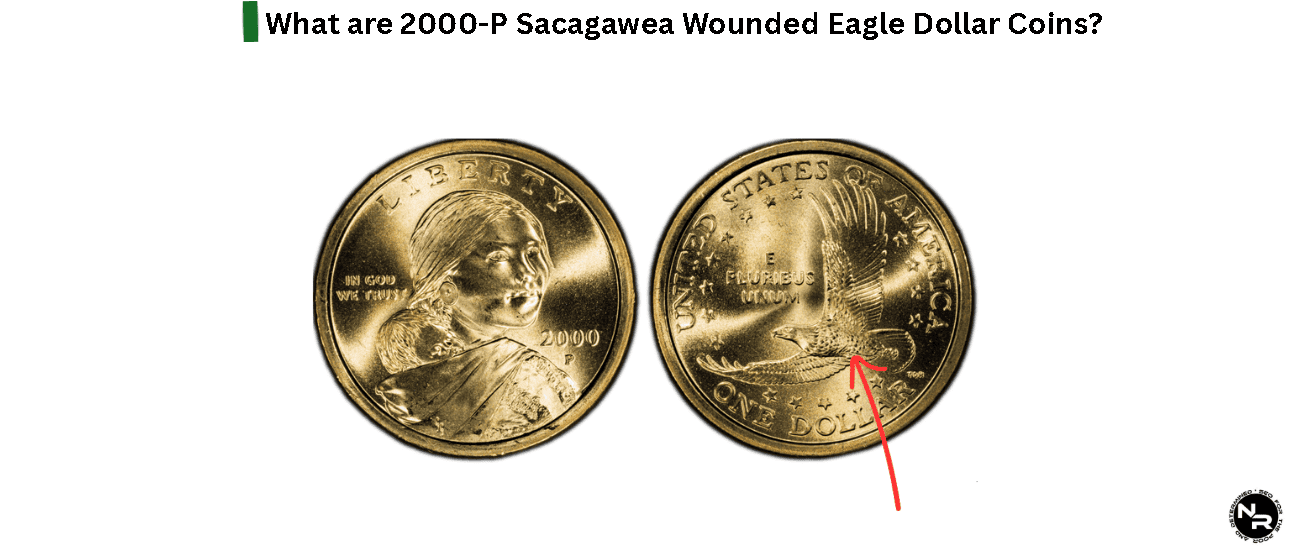
The 2000-P “Wounded Eagle” Sacagawea Dollar is a rare mint error coin from the Philadelphia Mint. It’s distinguished by a raised line or die gouge across the eagle’s belly on the reverse, resembling a spear wound. Only a few hundred coins like this are known, and it’s identifiable by the raised line under magnification. This … Read more
Rare 2000 P Sacagawea Cheerios Dollar Coins- How To Identify Them and Everything Else You Need to Know (Value, Rarity, Different Mint Versions…)

2000 P Sacagawea Cheerios Dollar Coins- How To Identify Them and Everything Else You Need to Know (Value, Rarity, Different Mint Versions...)

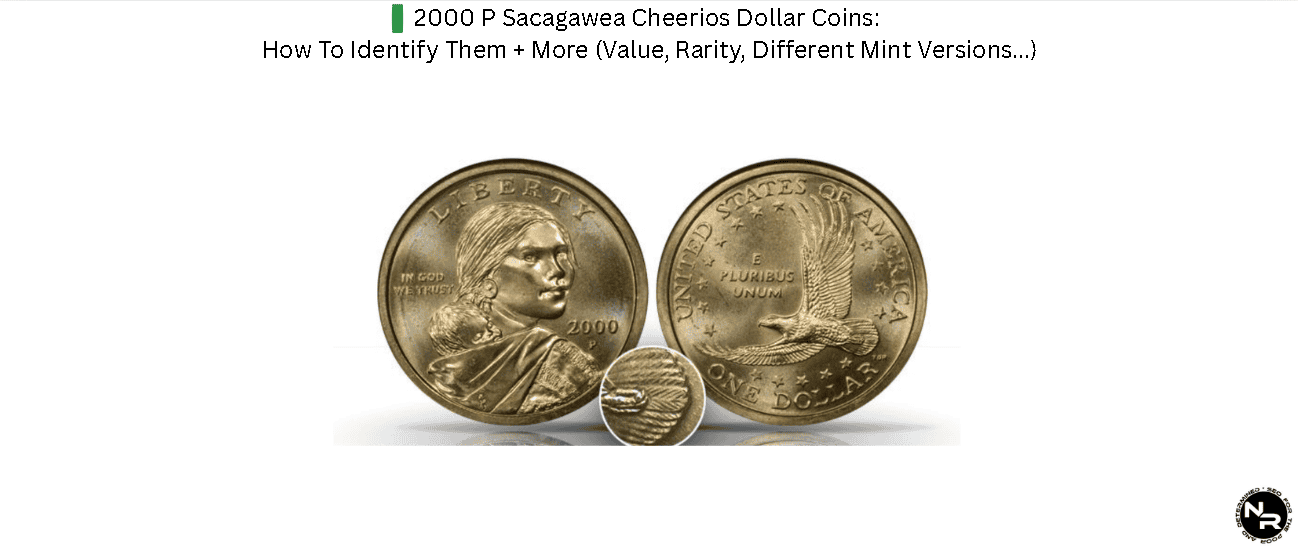
The Sacagawea Cheerios Dollar is a rare 2000-P dollar coin distributed in 5,500 Cheerios boxes as part of a U.S. Mint promotion. These coins are valuable because of their scarcity and because of one key distinctive feature- highly detailed eagle tail feathers on the reverse side, with raised central shafts. The worth of these coins … Read more

Coin Rim Errors- What Do These Mean and How Many of These Mistakes are There?

Coin rim errors

Coin rim errors are design mistakes that affect the outer edges of a coin. These mistakes happen during the minting process. These coin rim anomalies aren’t the same as damage caused by wear or mishandling. Recognizing them requires careful observation, as many damaged coins don’t qualify as coins with an erroneous rim. The common types … Read more

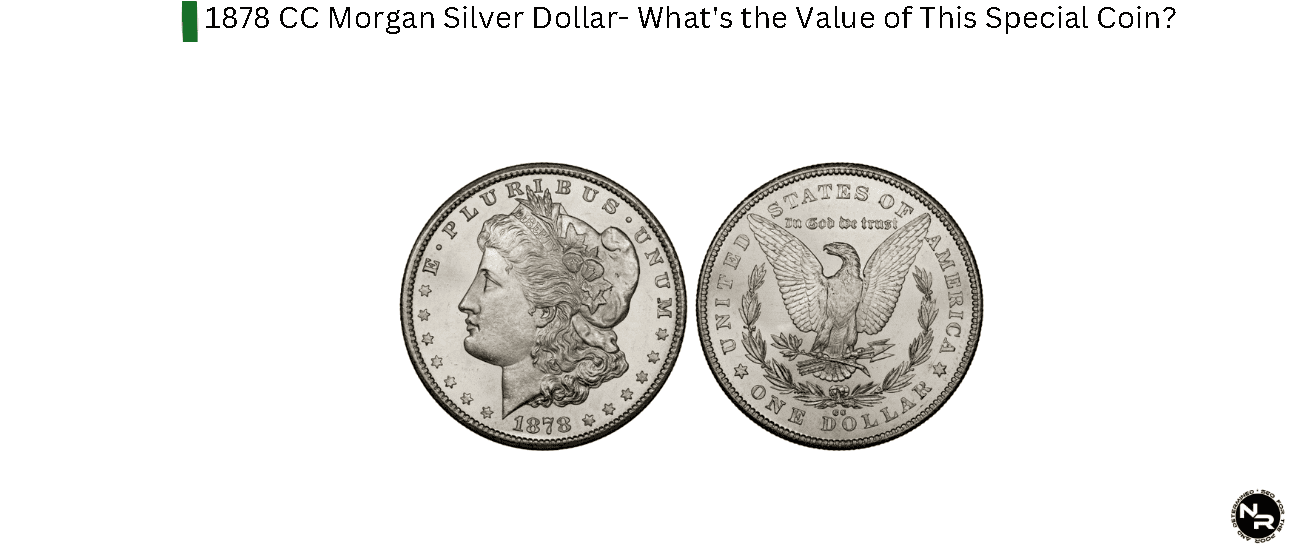
1878 CC Morgan Silver Dollar- What’s the Value of This Special Coin?

1878 CC Morgan Silver Dollar- What's the Value of This Special Coin?

The 1878-CC Morgan Silver Dollar is a highly collectible first-year coin from the Carson City Mint, featuring Lady Liberty and a heraldic eagle. Of the 2,212,000 originally minted, only about 295,000 survive today. These coins contain 90% silver and 10% copper, weighing 26.73 grams with 0.7734 troy ounces of pure silver. The 1878 CC Silver … Read more

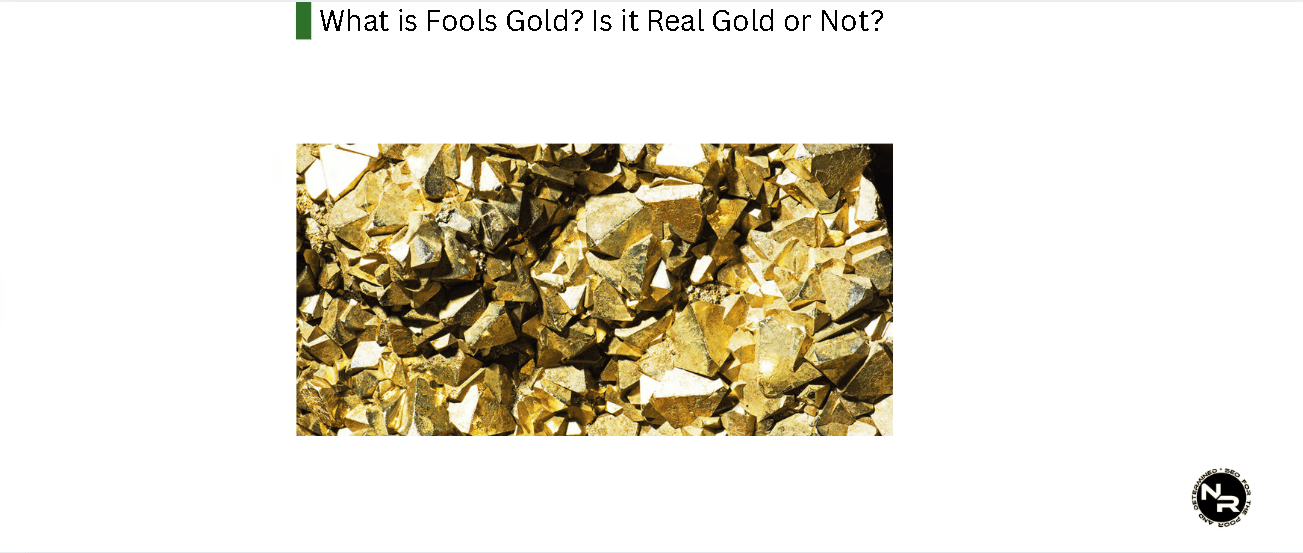
What is Fools Gold? What Does it Mean? Is it Real? Is it Magnetic and Hypoallergenic? Does it Tarnish, Corrode and Rust?

What is fool's gold?

Fool’s gold, scientifically known as pyrite (iron sulfide, FeS₂), is a naturally occurring mineral that resembles real gold but holds minimal value. While real gold costs over $100 per gram, pyrite sells for approximately $12 per gram. Pyrite is non-magnetic in pure form and hypoallergenic. It’s distinguished from real gold by its greater weight, brassy … Read more

What is Black Gold? Is it Real? Is it Magnetic and Hypoallergenic? Does it Tarnish, Corrode and Rust?

Black gold is real but human-made gold that doesn’t occur naturally. It’s created through electroplating yellow gold with black rhodium or ruthenium, alloying gold with metals like cobalt (75% gold, 25% cobalt), laser treatment, or oxidation processes. Available primarily in 14k and 18k variants, black gold is used exclusively for jewelry applications. Black gold is … Read more

How to Tell if Gold is Real or Fake at Home? Test Your Gold Coins, Bars and Jewelry (Rings, Necklaces, Chains and any Type of Unmarked Gold)

Seven effective home tests can verify gold authenticity. The gold float test checks if items sink (real gold) or float (fake). Magnet testing confirms authenticity as real gold won’t magnetize. Examining hallmarks reveals purity: stamps like “GF” (gold filled), “GP” (gold plated), or “GEP” (gold electroplate) indicate non-solid gold. Karat markings (10K-24K) or numbers (.000-1.000) … Read more

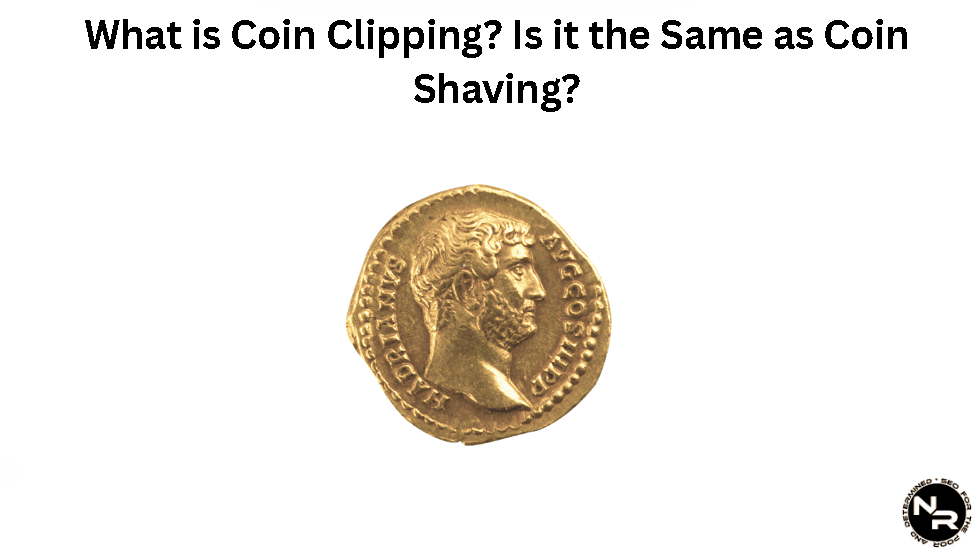
What is Coin Clipping? Is it the Same as Coin Shaving?

What is coin clipping?

Coin clipping is a historical currency debasement method where small amounts of precious metal were shaved or clipped from coin edges to be accumulated for profit. This reduced the coin’s intrinsic weight and value. This practice is also known as coin shaving and it was illegal as it undermined trust in currency and led to … Read more