Disclosure: Some of the links you’ll encounter are unique links. Click and buy something and I’ll earn some money, at zero expense to you. Thank you!
Red gold is a real gold alloy created by combining yellow gold with copper and trace amounts of silver.
The high copper content (higher than rose gold) gives red gold its distinctive pinkish-red hue and increases its hardness and durability. Red gold is available in 10k, 12k, 14k, and 18k variants, with 14k and 18k being most popular for jewelry.
Red gold is non-magnetic, diamagnetic, and generally hypoallergenic, though some individuals with copper sensitivity may experience reactions.
The copper content makes red gold more susceptible to tarnishing when exposed to chlorine, bleach, vinegar, and acidic substances compared to other gold alloys.
Red gold doesn’t occur naturally and must be manufactured. While red gold jewelry exists, it remains relatively rare compared to rose gold. No red gold coins, bars, or bullion exist commercially, and such bullion can’t be included in gold IRA accounts.

What is Red Gold? Is it Real? What is it Made of (Composition)?
Red gold is an alloy of yellow gold and copper+ trace amount of silver and other metals. Red gold is real gold.
Copper adds hardness and durability to red gold and also gives it its pinkish-red hue. The copper content determines the color intensity with higher copper content leading to deeper shades of red.
Raw red gold isn’t real and doesn’t exist. Red gold ores don’t exist because red gold isn’t mined anywhere. Gold and copper are mined separately and then alloyed in later stages to make exquisite red gold jewelry.
Red gold is visually similar to rose gold, but clearly different when these metal alloys are compared side by side.
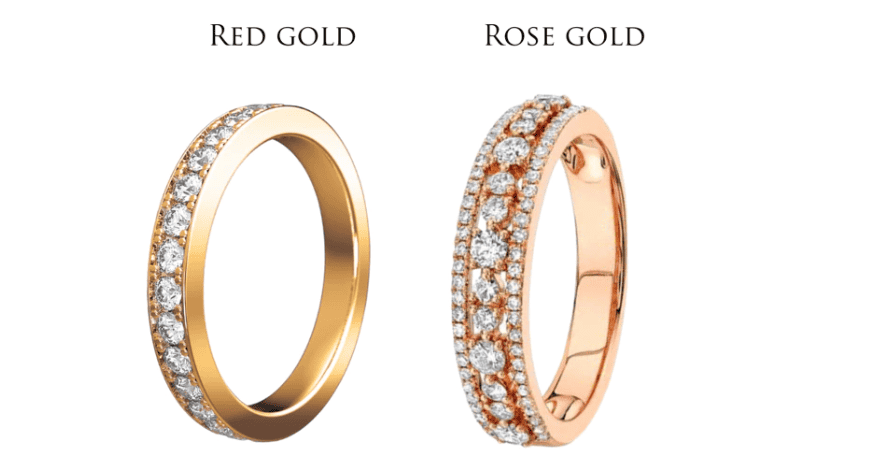

Red gold is available in 10k, 12k, 14k, and 18k varieties, with 14k and 18k being the most popular choices. 14k and 18k red gold are the most popular choices in jewelry design because they still give off a reddish hue without the red being overpowering.
For instance, 10k red gold is so red it looks like it contains more copper than pure gold. Most jewelry aficionados don’t like that.
| Gold purity | Composition |
|---|---|
| 18k | 75% gold and 25% copper. |
| 14k | 58.5% gold and 41.5% copper. |
| 12k | 50.% gold and 50% copper. |
| 10k | 41.7% gold and 58.3% copper |
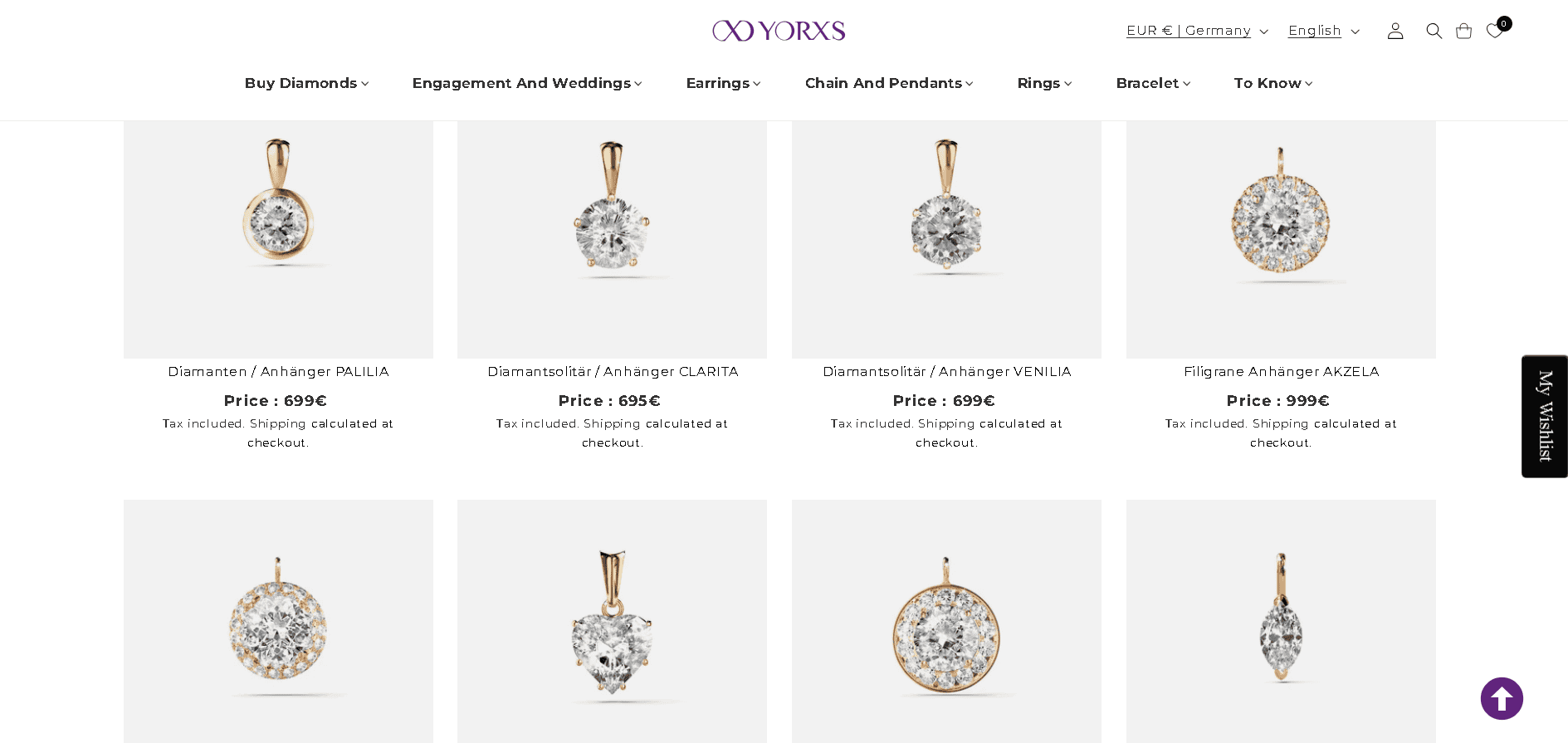
Here’re some examples of red gold jewelry I found online.


What is Red Gold Vermeil? Is it Real?
Red gold vermeil is a type of jewelry where a thick layer of solid red gold is bonded to a sterling silver base.
Think of red gold vermeil as form of gold plating, but with a thicker layer and a high-quality silver base, making it more durable and valuable than typical gold-plated jewelry.
The gold layer must be at least 2.5 microns (0.0025mm) thick, and the base metal is sterling silver (925).
Red gold vermeil is rare. It’s much rarer than rose gold vermeil and rose gold vermeil is also rare in jewelry design. Most popular gold vermeils are yellow gold vermeil and white gold vermeil.
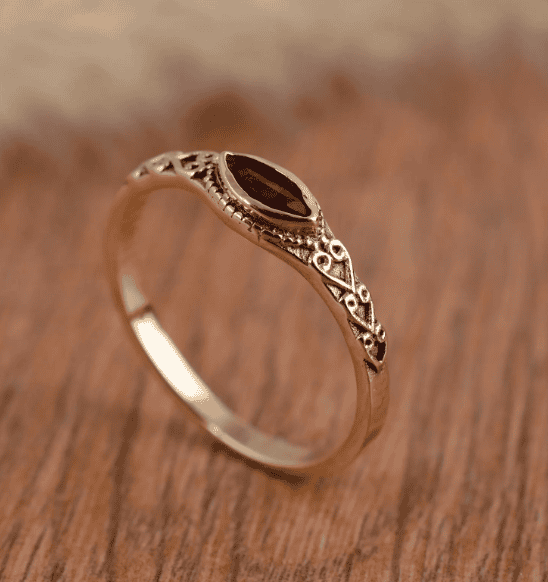
Here’s an example of a red gold vermeil ring.
You like red gold which means you probably like real, yellow gold as well, right? Check this out next if you answered yes!
Is Red Gold Magnetic? Does Red Gold Jewelry Magnetize?
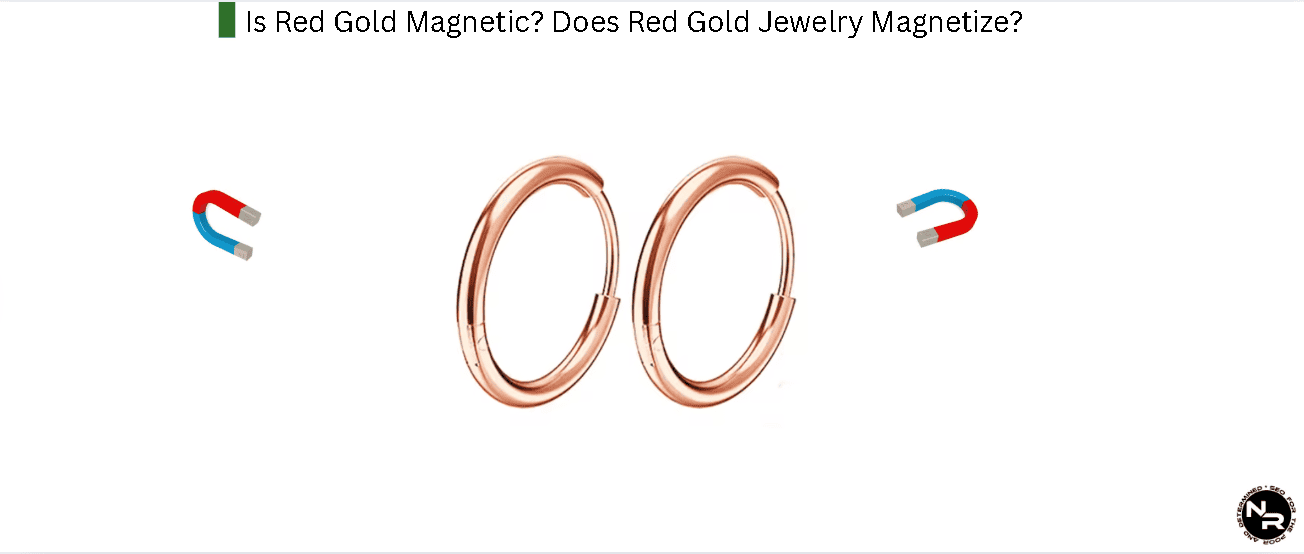
No, red gold isn’t magnetic. it’s diamagnetic. Red gold is an alloy of yellow gold, copper and small silver amounts. Copper isn’t magnetic and pure yellow gold doesn’t magnetize. Silver isn’t magnetic too.
Therefore, a piece of red gold jewelry won’t ever be attracted to a magnet. You have fake red gold jewelry if you try to magnetize your jewelry item and it works. Bring your red gold jewelry to a professional jeweler for a thorough reevaluation in that case.
Does Red Gold Tarnish and Fade? Does it Corrode, Rust and Oxidize?
No, red gold doesn’t tarnish. The yellow gold portion of red gold’s alloy is tarnish-resistant.
However, the copper within red gold chemically changes which then changes the shine and luster of red gold jewelry.
Below are all the potential tarnishing-causing substances and their effect on red gold jewelry items.
- Chlorine. Chlorine tarnishes and corrodes red gold because it reacts with the copper in the alloy and causes discoloration and structural weakening. Red gold’s high copper percentage makes it more susceptible to chlorine damage compared to other, low-copper gold alloys.
- Bleach. Bleach tarnishes and corrodes red gold. It causes discoloration and deterioration of copper within the red gold alloy and this negatively affects the looks of the entire jewelry item.
- Toothpaste. Toothpaste doesn’t tarnish and corrode red gold. The abrasive particles in toothpaste make tiny, microscopic scratches on the alloy’s surface. Over time this degrades the metal’s surface and diminishes red gold’s amber hue.
- Vinegar. Vinegar tarnishes red gold due to its acidity reacting with the copper content. Vinegar doesn’t corrode red gold because its acids are too weak to cause structural changes in the alloy, especially with brief exposure. Avoid long term, repeated exposure of red gold jewelry to vinegar.
- Hydrogen peroxide. Hydrogen peroxide doesn’t tarnish and corrode red gold. However, red gold is affected by hydrogen peroxide over time. Red gold’s copper reacts with hydrogen peroxide and gets slightly discolored. And the more you expose copper to hydrogen peroxide, the worse red gold changes.
- Lemon juice. Lemon juice tarnishes red gold over time. The citric acid in lemon juice reacts with the copper in the red gold alloy and causes discoloration.
- Makeup. Makeup doesn’t tarnish, corrode, oxidize or rust red gold jewelry items. However, some makeup products contain harsh chemicals that affect the copper content in red gold over time.
- Alcohol. Alcohol doesn’t tarnish or corrode red gold. You can use it to clean your red gold jewelry. However, I don’t recommend frequent cleanings as alcohol dries out the metal and affects the copper content over time. Your red gold will develop an unpleasant and overpowering patina sooner if you regularly clean it with alcohol.
- Water. Red gold doesn’t tarnish in water. Pure water has zero effect on red gold and can’t tarnish or corrode it. However, saltwater negatively affects red gold jewelry. Saltwater over time corrodes and chemically disintegrates copper within the red gold alloy.
- Nitric acid. Nitric acid tarnishes and corrodes red gold by reacting with the copper content in the alloy. Yellow gold within the red gold alloy is safe from nitric acids.
- Fire. Strong flames and fires don’t tarnish and corrode red gold as it’s heat resistant. Moreover, extreme temperatures cause the copper to oxidize and give red gold a darker reddish hue. Lower-karat red gold is especially vulnerable to fire because of its extremely high copper content.
You like red gold which means you probably like real, yellow gold as well, right? Check this out next if you answered yes!
Is Red Gold Hypoallergenic or Allergenic?
Red gold is hypoallergenic.
Red gold alloy is composed of yellow gold, copper and small amounts of silver. Yellow gold isn’t allergic and copper is hypoallergenic for most people.
I say most people because a small subset of people have copper sensitivity and these people can’t wear red gold jewelry without developing rashes and skin irritation.
Higher-karat red golds like 18k and 14k are safer than 10k and 12k golds, but even a small amount of copper is enough to cause a reaction in sensitive individuals.

You like red gold which means you probably like real, yellow gold as well, right? Check this out next if you answered yes!
Is it Possible to Include Red Gold as Part of a Gold IRA Account?
No, it isn’t possible to include red gold as part of a gold IRA account.
Gold IRA accounts can only contain IRA approved gold coins and bars. Other IRA-approved precious metals are silver, platinum and palladium.
Augusta Precious Metals is where you can buy genuine IRA-approved gold without worrying about a multitude of gold IRA scams. Augusta is the best gold investment company in the US and working with them is safe, secure and fast.
They also waive all fees for 10 years for all new customers.
Read my Augusta Precious Metals review next!
Or download their free gold investment guide here!

Do Red Gold Coins and Bars Exist? Is That Bullion Real?
No, red gold coins and bars don’t exist. Red gold bullion isn’t real.
The closest thing to a red coin is this rose coin 2019 Tuvalu 2 oz Rose Gold 60th Anniversary Barbie™ Proof. This rose gold coin was the second release in an exclusive series celebrating 60 years since Barbie’s debut. Only 60 of these rose coins were ever minted so you wouldn’t be able to buy one of them even if you could afford it.

You like red gold which means you probably like real, yellow gold as well, right? Check this out next if you answered yes!
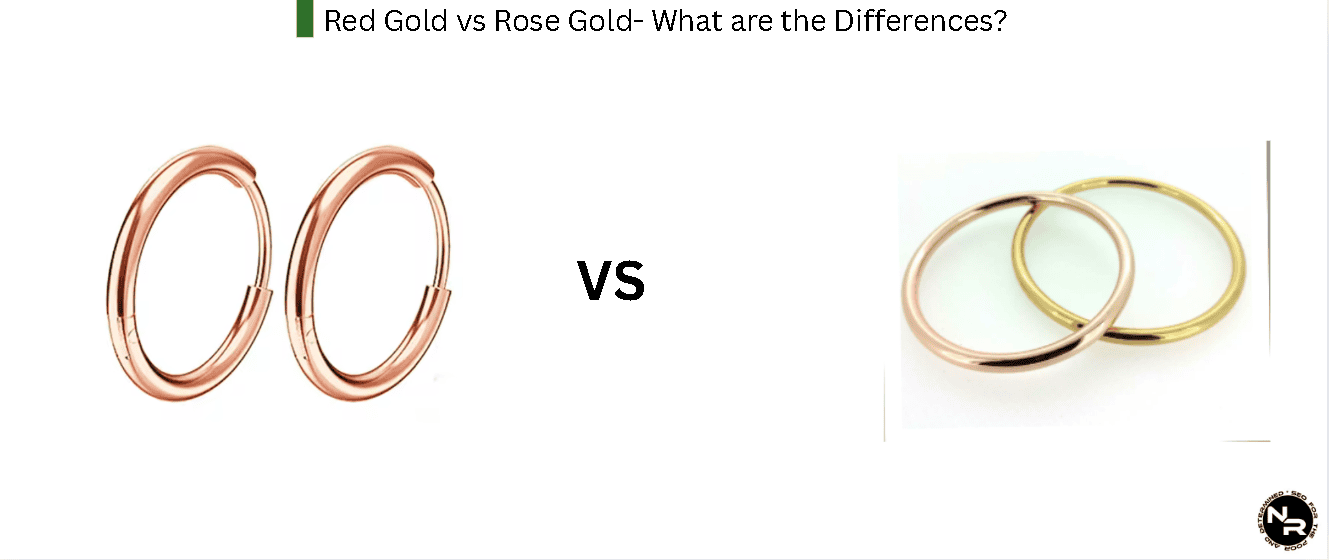
Red Gold Vs Rose Gold- What are the Differences?
The main difference between red and rose gold come from their different alloy composition and copper content. Red gold has a higher percentage of copper than rose gold. This makes red gold redder than rose gold and also harder and more durable.
Rose gold has a lighter, pinkish hue due to a more balanced mixture of yellow gold, copper and silver. The copper provides the pinkish color, while the silver helps to refine the shade.
Red gold is relatively rare on the market while rose gold is one of the most popular types of colored gold.
Think of red gold as more of a curiosity in the jewelry world rather than a staple.
| Comparison | Red Gold | Rose Gold |
|---|---|---|
| Composition | Yellow gold + copper + a negligible amount of silver. | Yellow gold + copper + a small amount of silver. |
| Color and tarnish resistance | Red gold tarnishes because of oxidizing copper. It tarnishes faster than rose gold because it contains more copper. | Rose gold tarnishes because of oxidizing copper, but slower than red gold because it has lower copper content. |
| Durability and scratch resistance | Red gold is more durable and scratch resistant than rose gold because of higher copper content. | Rose gold is less durable and scratch resistant because of lower copper content. |
| Cost | Red gold is slightly more expensive than rose gold. | Rose gold is slightly less expensive than red gold. |
| Skin tone compatibility | The best skin tone for red gold is a warm skin tone or neutral undertone. | The best skin tone for rose gold is a warm skin tone or neutral undertone. |
| Hypoallergenic properties | Red gold is hypoallergenic to people without copper sensitivities, and allergenic to people sensitive to copper. | Rose gold is hypoallergenic to people without copper sensitivities, and allergenic to people sensitive to copper. |
Red Gold vs Yellow Gold- What are the Differences?
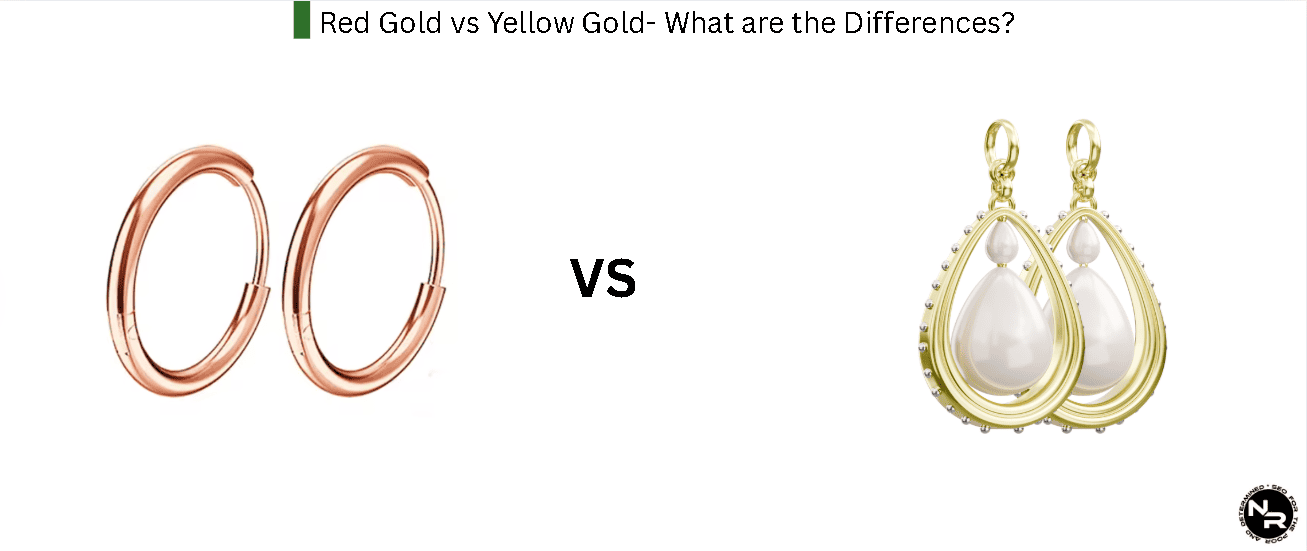
There are many massive differences between red gold and yellow gold.
The main difference is the alloy composition, which dictates the color. Red gold contains more copper for a pinkish to reddish hue, while yellow gold is a mix of gold, silver, and copper for a classic yellow color.
This difference in metal content also affects durability and skin sensitivity; red gold’s higher copper content makes it significantly more prone to tarnishing and causes reactions for those with copper allergies.
| Comparison | Red Gold | Yellow Gold |
|---|---|---|
| Composition | Yellow gold + copper + a negligible amount of silver. | Yellow gold+ white metals such as nickel, palladium, and silver. |
| Color and tarnish resistance | Red gold tarnishes faster than yellow gold because it contains more copper. | Yellow gold tarnishes slower than red gold. |
| Durability and scratch resistance | Red gold is a durable and scratch resistant gold alloy, but is weaker than yellow gold. | Very durable and scratch resistant, especially when plated with stronger metals like rhodium, palladium and platinum. |
| Cost | Red gold is less expensive than red gold. | Yellow gold is more expensive than red gold as the metals in a yellow gold alloy are more valuable than metals in red gold alloy. |
| Skin tone compatibility | The best skin tone for red gold is a warm skin tone or neutral undertone. | Yellow gold best suits warm and olive skin tone. |
| Hypoallergenic properties | Red gold is hypoallergenic to people without copper sensitivities, and allergenic to people sensitive to copper. | Yellow gold is hypoallergenic if the pure gold content is high enough and there's no nickel in the alloy. |
You like red gold which means you probably like real, yellow gold as well, right? Check this out next if you answered yes!
Red Gold vs Purple Gold- What are the Differences?
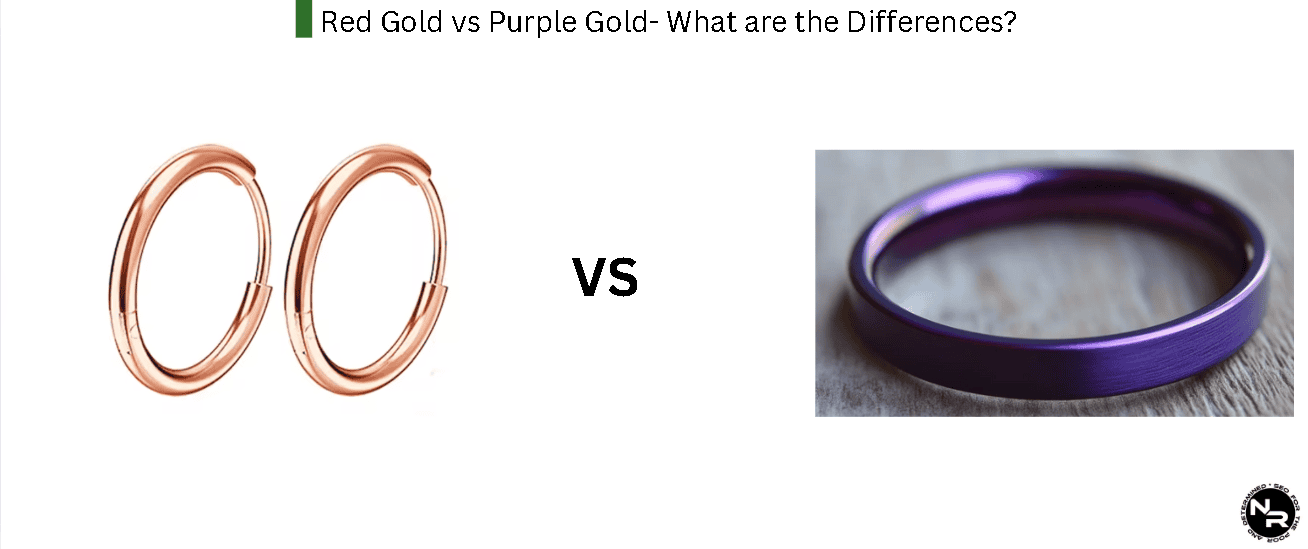
There are many massive differences between red gold and purple gold.
Red gold is a reddish alloy primarily made from gold and a high copper percentage. Purple gold is an alloy of gold and aluminum, creating a unique, but brittle, violet-colored metal.
The key difference lies in their composition and resulting properties. Red gold is a common, durable jewelry metal, whereas purple gold is rare, extremely brittle, and impractical for most jewelry.
| Comparison | Red Gold | Purple Gold |
|---|---|---|
| Composition | Yellow gold + copper + a negligible amount of silver. | Yellow gold + aluminum. |
| Color and tarnish resistance | Red gold tarnishes because of oxidizing copper. Red gold tarnishes faster than purple gold. | Purple gold tarnishes because of the presence of aluminum. |
| Durability and scratch resistance | Red gold is more durable and scratch resistant than purple gold. | Purple gold is extremely brittle and not very durable and scratch resistant. |
| Cost | Red gold is significantly less expensive than purple gold. | Purple gold is more expensive than red gold because it's a harder gold alloy to make. |
| Skin tone compatibility | The best skin tone for red gold is a warm skin tone or neutral undertone. | The best skin tone for purple gold is a cool skin tone or a neutral undertone. |
| Hypoallergenic properties | Red gold is hypoallergenic to people without copper sensitivities, and allergenic to people sensitive to copper. | Purple gold is allergenic because aluminum is a known allergenic metal. |
Red Gold vs Blue Gold- What are the Differences?
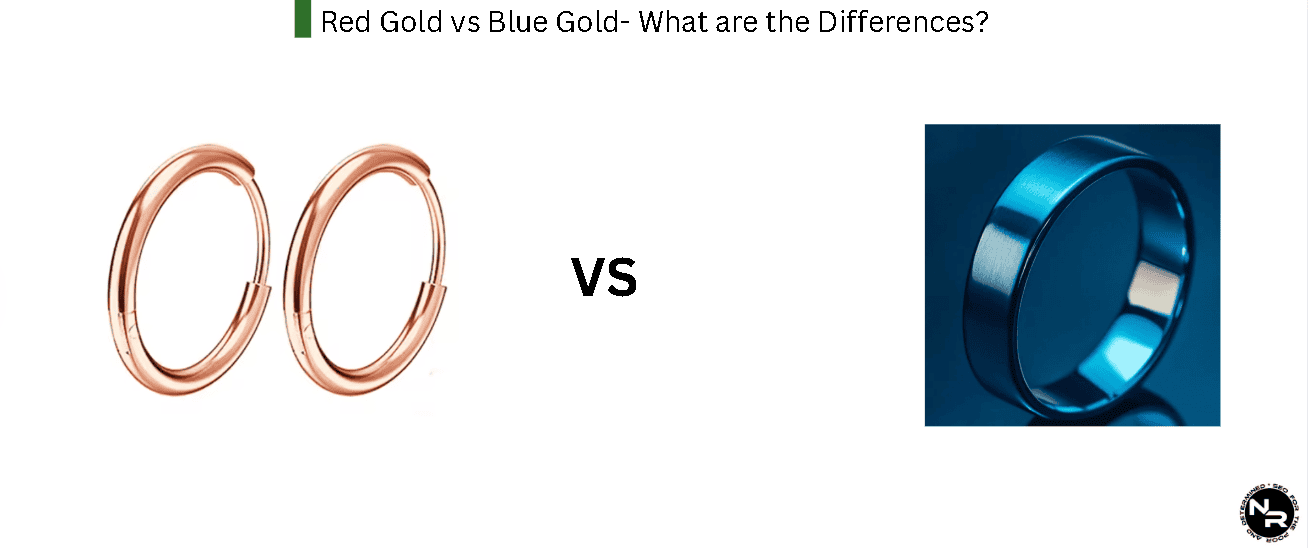
There are many massive differences between red gold and blue gold.
Red gold and blue gold are both alloys created by mixing pure gold with other metals, but they differ significantly in their color, composition, and durability.
Red gold is a reddish-pink alloy valued for its warmth and strength, while blue gold is a rare, brittle, and subtle-hued alloy that requires specialized techniques to produce.
Both red gold and blue gold jewelry are rare on the market, but blue gold is a true novelty gold alloy made for testing purposes rather than commercial ones.
| Comparison | Red Gold | Blue Gold |
|---|---|---|
| Composition | Yellow gold + copper + a negligible amount of silver. | Yellow gold +gallium or indium |
| Color and tarnish resistance | Red gold tarnishes because of oxidizing copper. Red gold tarnishes faster than blue gold. | Blue gold tarnishes when blue gold is made from yellow gold and gallium. Blue gold doesn't tarnish when it's made from yellow gold and indium. |
| Durability and scratch resistance | Red gold is more durable and scratch resistant than blue gold. | Blue gold is extremely brittle and not very durable and scratch resistant. |
| Cost | Red gold is significantly less expensive than blue gold. | Blue gold is more expensive than red gold due to uniqueness of this gold alloy and its constituent parts. |
| Skin tone compatibility | The best skin tone for red gold is a warm skin tone or neutral undertone. | The best skin tone for blue gold is a cool skin tone or a neutral undertone. |
| Hypoallergenic properties | Red gold is hypoallergenic to people without copper sensitivities, and allergenic to people sensitive to copper. | Blue gold is hypoallergenic to most people. Allergies to indium and gallium are rare, but possible. |
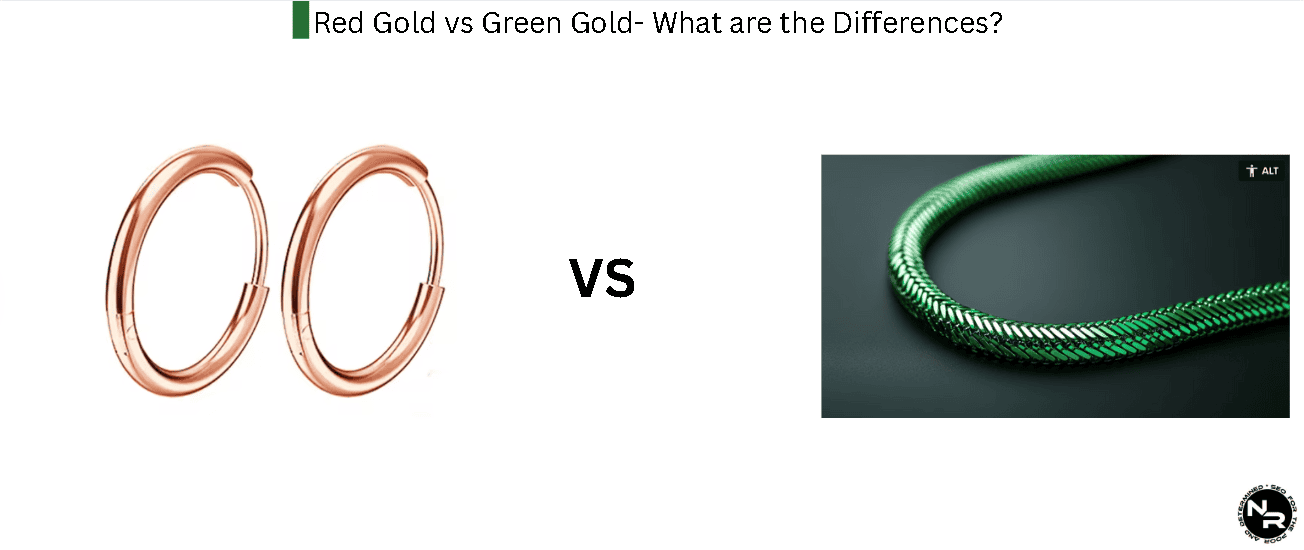
Red Gold vs Green Gold- What are the Differences?
There are many massive differences between red gold and green gold.
The main difference is that red gold is made by adding copper to pure gold, giving it a reddish hue. And green gold is made by adding silver to pure gold, resulting in a greenish tint.
Red gold is known for its warm, reddish color and increased hardness, while green gold is a unique color that ranges from pale green to a greenish-yellow.
Red gold is a handmade gold alloy, while green gold is both a human made gold alloy, and a naturally occurring one (natural green gold is called “Electrum”).
| Comparison | Red Gold | Green Gold |
|---|---|---|
| Composition | Yellow gold + copper + a negligible amount of silver. | Yellow gold +silver+ low amounts of zinc, nickel and copper. |
| Color and tarnish resistance | Red gold tarnishes because of oxidizing copper. Red gold tarnishes faster than green gold. | Green gold doesn't tarnish as both of its main constituent parts (pure gold and pure silver) don't tarnish. |
| Durability and scratch resistance | Red gold is more durable and scratch resistant than green gold. | Green gold is durable, strong, scratch resistant and suitable for jewelry applications. |
| Cost | Red gold is significantly less expensive than green gold. | Green gold is more expensive than red gold because a combination of gold and silver is more expensive than the combination of yellow gold and copper. |
| Skin tone compatibility | The best skin tone for red gold is a warm skin tone or neutral undertone. | The best skin tone for green gold is the warm skin undertone, characterized by green or yellowish veins on the wrist and a tendency to tan rather than burn. |
| Hypoallergenic properties | Red gold is hypoallergenic to people without copper sensitivities, and allergenic to people sensitive to copper. | Green gold is hypoallergenic to most people. Allergies to silver within the green gold alloy are rare, but possible. |
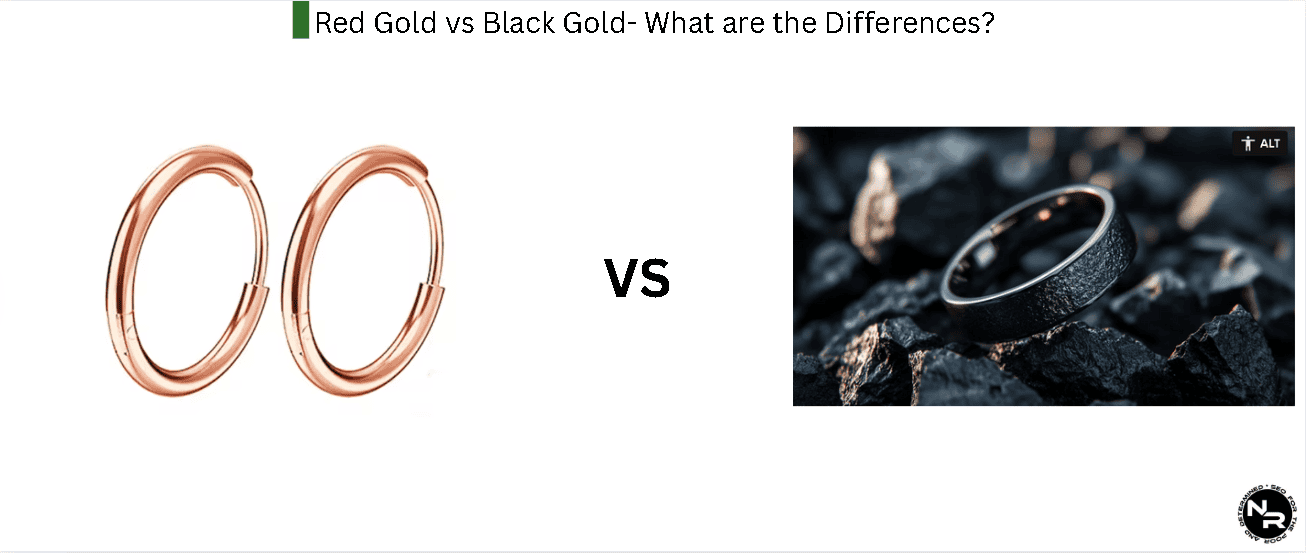
Red Gold vs Black Gold- What are the Differences?
There are massive differences between red gold and black gold.
Red gold is an alloy of gold and copper with reddish hue. Black gold can be a gold alloy (75% gold+ 25% cobalt) but is typically achieved through surface treatments like patination to create a black finish.
Red gold gets its color from copper content, which makes it more susceptible to tarnish, whereas black gold’s finish fades over time leading to metal replating costs.
| Comparison | Red Gold | Black Gold |
|---|---|---|
| Composition | Yellow gold + copper + a negligible amount of silver. | Yellow gold coated with with a thin layer of a dark metal like rhodium or ruthenium. |
| Color and tarnish resistance | Red gold tarnishes because of oxidizing copper. Red gold tarnishes faster than black gold. | Black gold doesn't tarnish because its core is real gold, which doesn't tarnish. |
| Durability and scratch resistance | Red gold is a durable and scratch resistant gold alloy, but is weaker than black gold plated with rhodium or ruthenium. | Black gold that has rhodium or ruthenium plating is exceptionally strong, durable and scratch resistant. Electroplated black gold scratches easily. |
| Cost | Red gold is less expensive than black gold. | Black gold is more expensive than red gold because of the typically higher yellow gold content and expensive rhodium and ruthenium coatings. |
| Skin tone compatibility | The best skin tone for red gold is a warm skin tone or neutral undertone. | The best skin tone for black gold is natural warm, cool, or neutral undertones. |
| Hypoallergenic properties | Red gold is hypoallergenic to people without copper sensitivities, and allergenic to people sensitive to copper. | Black gold is hypoallergenic. Yellow gold as base is hypoallergenic and both rhodium and ruthenium as coating are non-allergenic. |
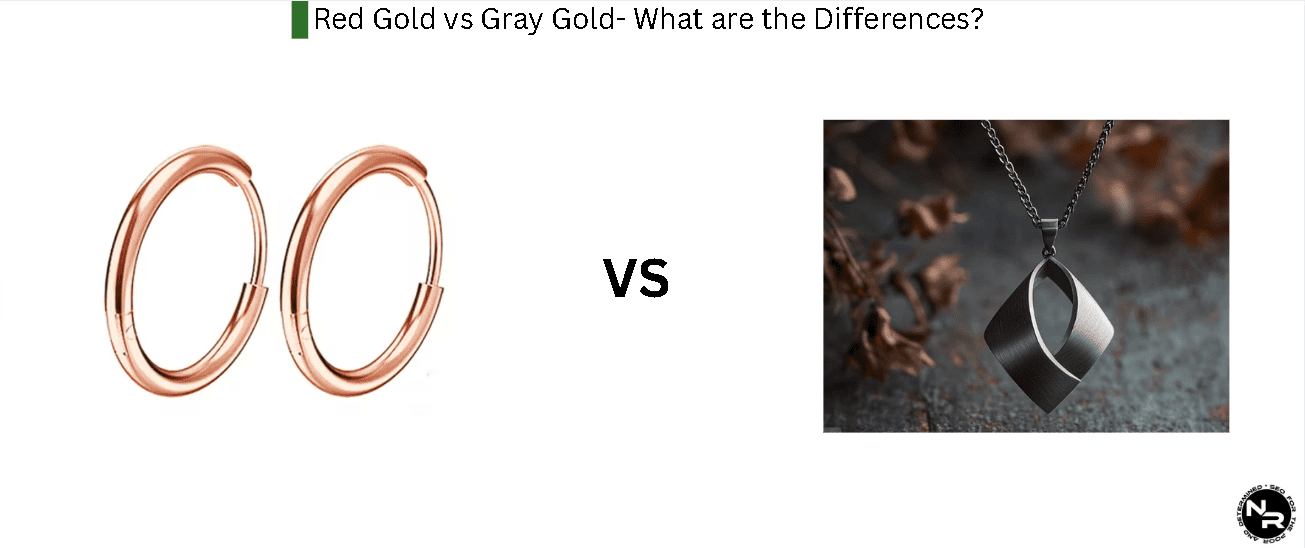
Red Gold vs Gray Gold- What are the Differences?
There are many massive differences between red gold and gray gold.
Red gold gets its color from a high copper content, creating a warm, reddish hue, while gray gold is typically made by alloying gold with palladium or, in cheaper versions, with silver, manganese, and copper to achieve a cool, muted gray tone.
The primary difference is the metals used for alloying: copper for red gold versus palladium, silver, or manganese for gray gold, resulting in vastly different colors.
| Comparison | Red Gold | Gray Gold |
|---|---|---|
| Composition | Yellow gold + copper + a negligible amount of silver. | Yellow gold +palladium+ low amounts of manganese and copper. |
| Color and tarnish resistance | Red gold tarnishes because of oxidizing copper. Red gold tarnishes faster than gray gold. | Gray gold is highly resistant to tarnishing because both yellow gold and palladium are tarnish resistant. |
| Durability and scratch resistance | Red gold is a durable and scratch resistant gold alloy, but weaker than gray gold. | Gray gold is moderately durable and scratch resistant. |
| Cost | Red gold is significantly less expensive than black gold. | Gray gold is more expensive than red gold because the combination of yellow gold +palladium (gray gold) is worth more that yellow gold+ copper. |
| Skin tone compatibility | The best skin tone for red gold is a warm skin tone or neutral undertone. | The best skin tone for gray gold is natural warm, cool, or neutral undertones |
| Hypoallergenic properties | Red gold is hypoallergenic to people without copper sensitivities, and allergenic to people sensitive to copper. | Gray gold is hypoallergenic because all constituent parts of gray gold alloy are hypoallergenic. |
Does Red Gold Contain Nickel?
No, red gold doesn’t contain nickel.
Red gold’s reddish hue comes from its copper content mixed with yellow gold in just the right proportions. Nickel has no place in a true red gold alloy.
Nickel can be present in fake red gold and that’s a problem for people sensitive to nickel who think they own real red gold.
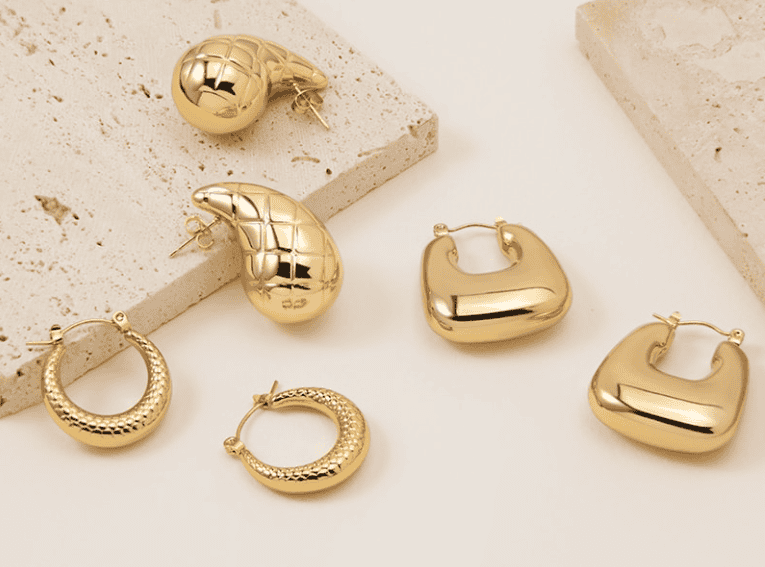
Brass is superficially similar to red gold because it too contains a lot of copper. And brass-made jewelry often contains a small amount of nickel added to improve its quality, strength, or appearance.
Take a look below to see what brass jewelry looks like and how similar it’s to red gold.
What is Red Gold’s Melt Value? Is it Worth Anything and What is its Worth Per Gram?
Red gold’s melt value depends on the current gold market prices which fluctuate from moment to moment based on the demand/supply interplay.
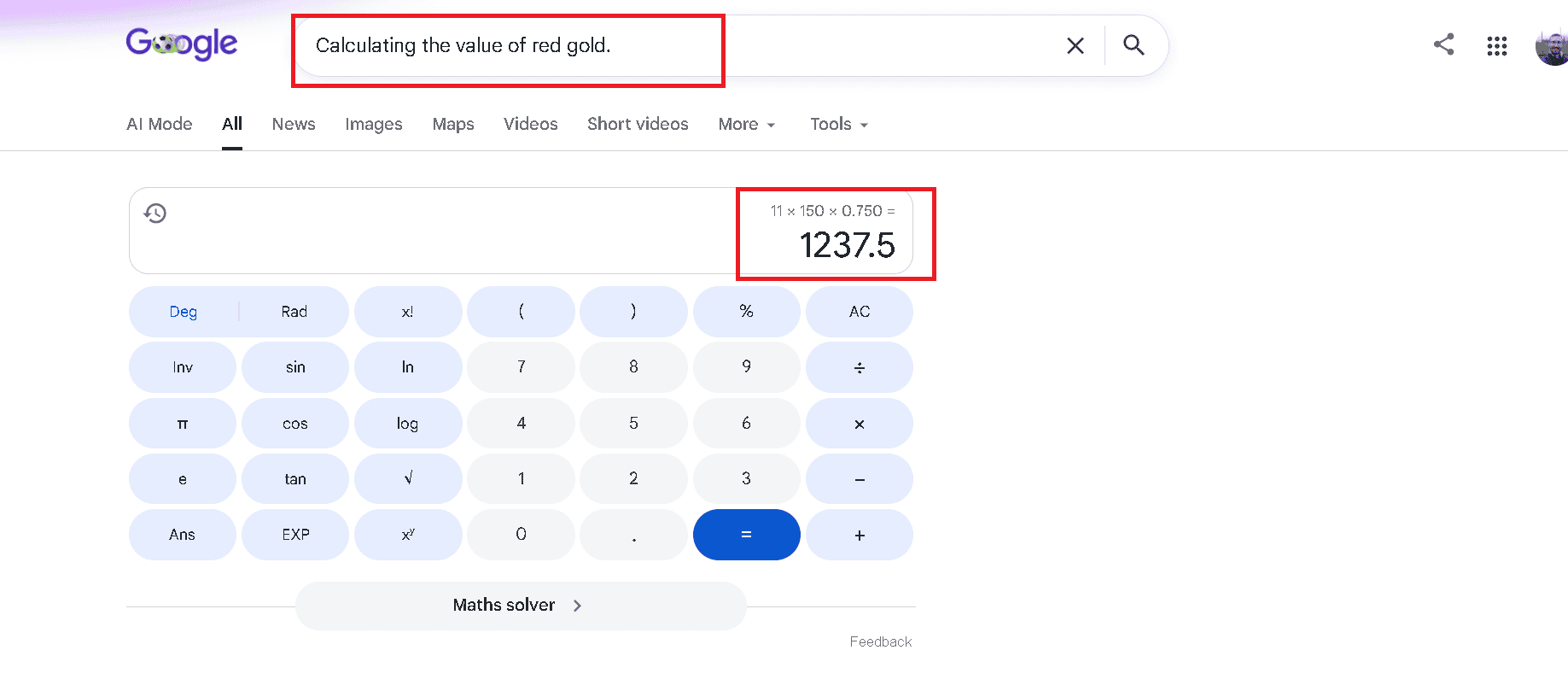
To determine the worth of your red gold item first you need to measure its weight. Second, determine the amount of pure gold in your red gold item. Third, multiply the weight of gold by the gold spot price and then by 0.750 (for 75% gold purity) to get the melt value.
For example, let’s say the current price of gold is $150 per gram. And there’s 11 grams of gold in your red gold jewelry item. That’s 11 x 150 x 0.750= 1237.5.
You like red gold which means you probably like real, yellow gold as well, right? Check this out next if you answered yes!
What is Bangladesh Red Gold (Bengal Red Gold)?
Bangladesh red gold (also called Bengali red gold) is a red alloy used in imitation gold jewelry, made from plastic and acrylic and often gold-plated.
It’s an affordable jewelry type that’s relatively expensive due to having a gold plate made either from 14k or 18k gold.

- Everything you need to know about red gold and rose gold- https://tavex.se/en/red-gold-and-rose-gold/
- https://www.aliexpress.com/item/1005006713442677.html
- What’s the difference between red gold and rose gold?- https://www.baunat.com/en/difference-between-red-gold-and-rose-gold
- Everything You Need To Know About Red Gold And Rose Gold- https://tavexbullion.co.uk/everything-you-need-to-know-about-red-gold-and-rose-gold/
- 12k red gold?- https://www.reddit.com/r/jewelry/comments/f3umi9/12k_red_gold/
- What is the difference between red gold and yellow gold?- https://www.quora.com/What-is-the-difference-between-red-gold-and-yellow-gold
- Red Gold- https://www.thejewellershop.com/en/section/encyclopedia/red-gold
- Rose Gold, Red Gold, Pink Gold – What’s The Difference?- https://jackforster.substack.com/p/rose-gold-red-gold-pink-gold-whats
- 12k red gold?- https://www.reddit.com/r/jewelry/comments/f3umi9/12k_red_gold/
- 2019 Tuvalu 2 oz Rose Gold 60th Anniversary Barbie™ Proof- https://www.apmex.com/product/188264/2019-tuvalu-2-oz-rose-gold-60th-anniversary-barbie-proof
- Red gold earrings- https://yorxs.de/en/collections/earrings
- Red gold bracelets- https://yorxs.de/en/collections/bracelet
- Red gold rings- https://yorxs.de/en/collections/rings
- Red gold chains and pendants- https://yorxs.de/en/collections/chain-and-pendants
- https://www.luciteria.com/bullion/rhodium-9995-1-oz-bar
- https://www.luciteria.com/bullion/ruthenium-9995-1-oz-bar
- https://www.luciteria.com/bullion/osmium-ounce-bar
- What Is Grey Gold: Your Ultimate Guide- https://www.nobbier.com/blogs/editorial/what-is-grey-gold/
- What Is Black Gold: Your Ultimate Guide- https://www.nobbier.com/blogs/editorial/what-is-black-gold/
- What Is Green Gold: Your Ultimate Guide- https://www.nobbier.com/blogs/editorial/what-is-green-gold/
- What Is Blue Gold: Your Ultimate Guide- https://www.nobbier.com/blogs/editorial/what-is-blue-gold/
- What Is Purple Gold: Your Ultimate Guide- https://www.nobbier.com/blogs/editorial/what-is-purple-gold/
- Is Brass Jewelry Good? The Honest Answer & Characteristics- https://zearrow.com/is-brass-jewelry-good/
- Bengali Red Gold- https://www.etsy.com/market/bengali_red_gold
- Marquise Red Garnet Gold Ring: Embossed Boho Band, January Birthstone-
- 2019 Tuvalu 2 oz Rose Gold 60th Anniversary Barbie™ Proof- https://www.apmex.com/product/188264/2019-tuvalu-2-oz-rose-gold-60th-anniversary-barbie-proof

Nikola Roza
Nikola Roza is the owner of Nikola Roza- Everything You Can Learn About Precious Metals. He writes for people who love precious metals and jewelry and who're interested in adding gold, silver platinum and palladium to their retirement portfolios. Nikola is passionate about gold IRAs and investing in multiple asset types for a safer financial future. He also runs a successful online jewelry store where you can buy precious metal jewelry and various replicas of famous coins and bars. Learn about Nikola here.