
Disclosure: Some of the links you’ll encounter are unique links. Click and buy something and I’ll earn some money, at zero expense to you. Thank you!
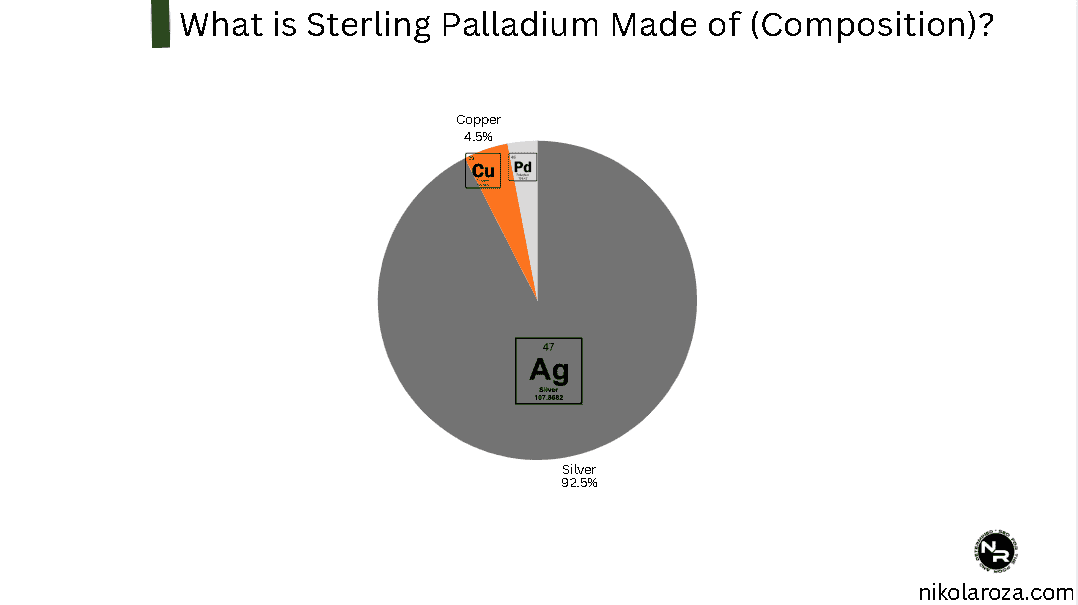
Sterling Palladium is a modern silver alloy containing 92.5% silver, 3% palladium, and 4.5% copper, created by replacing some copper in traditional sterling silver with palladium.
This substitution makes the metal harder, more durable, and more tarnish-resistant than regular sterling silver while maintaining a similar appearance. Sterling palladium is hypoallergenic for most people, though those with platinum group metal sensitivities may still react.
The alloy is diamagnetic (not magnetic) and tarnishes less than sterling silver due to reduced copper content. It’s used exclusively for jewelry, not bullion, and carries the hallmark “Sterling Palladium.”
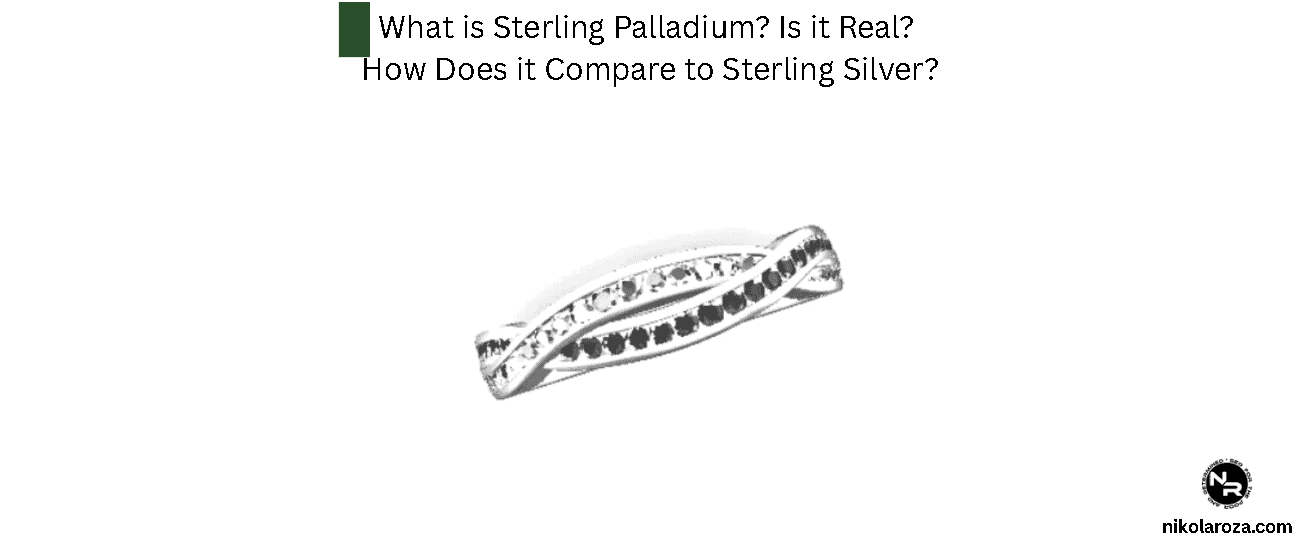
What is Sterling Palladium?
Sterling palladium is a type of sterling silver where part of the copper within the sterling silver alloy is replaced with palladium. This results in an alloy that’s 92.5% silver, 3% palladium and 4.5% copper.
Adding palladium to the mix makes sterling palladium harder and more durable than regular sterling silver. It also makes it hypoallergenic and tarnish resistant while looking nearly identical to regular sterling silver.
Sterling palladium is fascinating to read about. But you should check this out next, especially if you’re an American with a strong interest in the economy and a worry or two about the future.
Is There Jewelry Made from Sterling Palladium?
Yes, there’s jewelry made from sterling palladium, though it’s rare.
Sterling palladium jewelry has a bright, white-silver tone that resists yellowing far better than standard sterling silver. Its tarnish resistance is notably superior, meaning it maintains its luster with less maintenance.
The partial swapping of copper with palladium makes the metal harder and more durable than conventional .925 sterling, while also reducing nickel content, making it a more hypoallergenic option for those with sensitive skin.
Sterling palladium is lighter in weight than platinum or gold alloys, yet still suitable for fine, detailed jewelry work. It’s more expensive than standard sterling but considerably more affordable than platinum sterling.
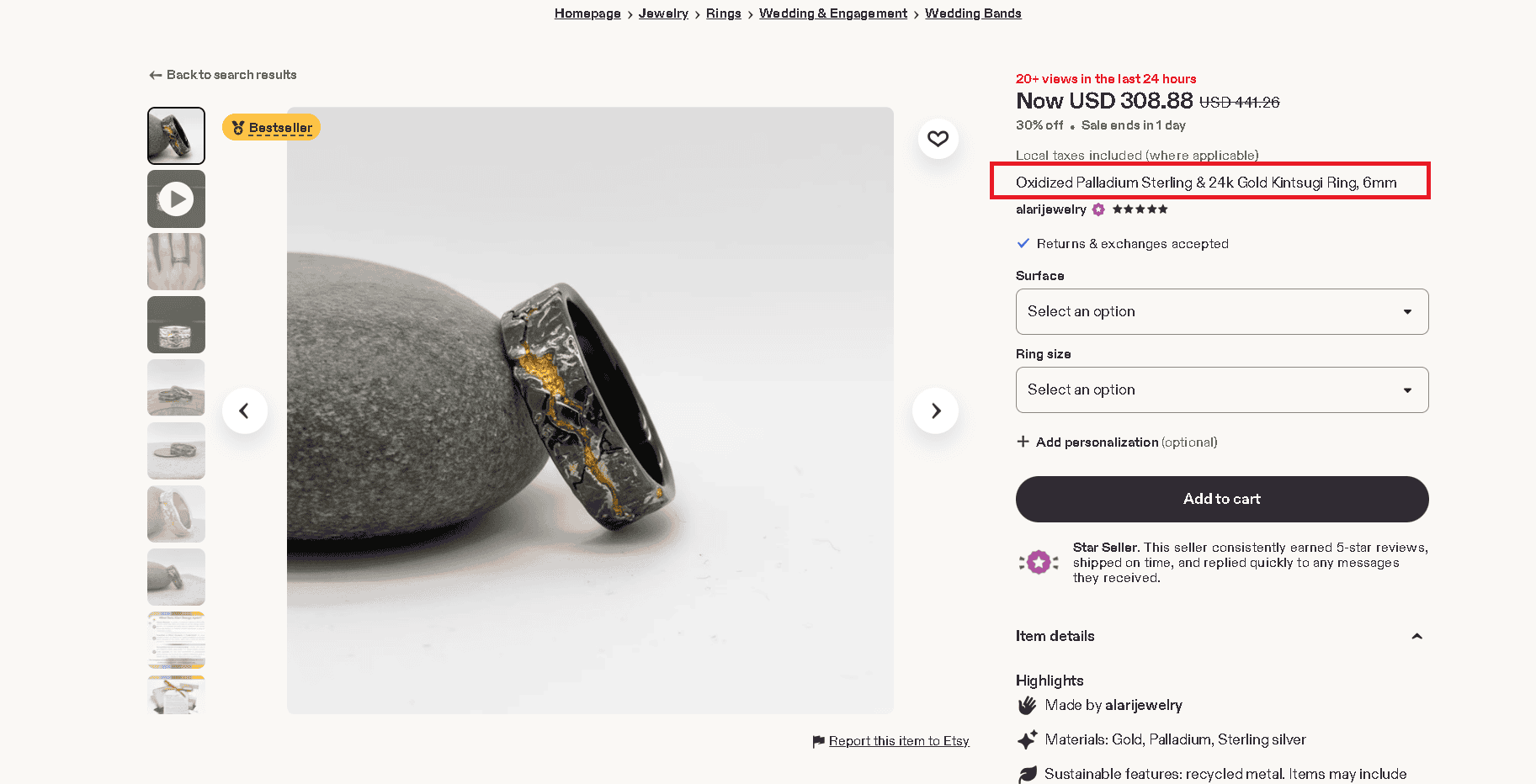
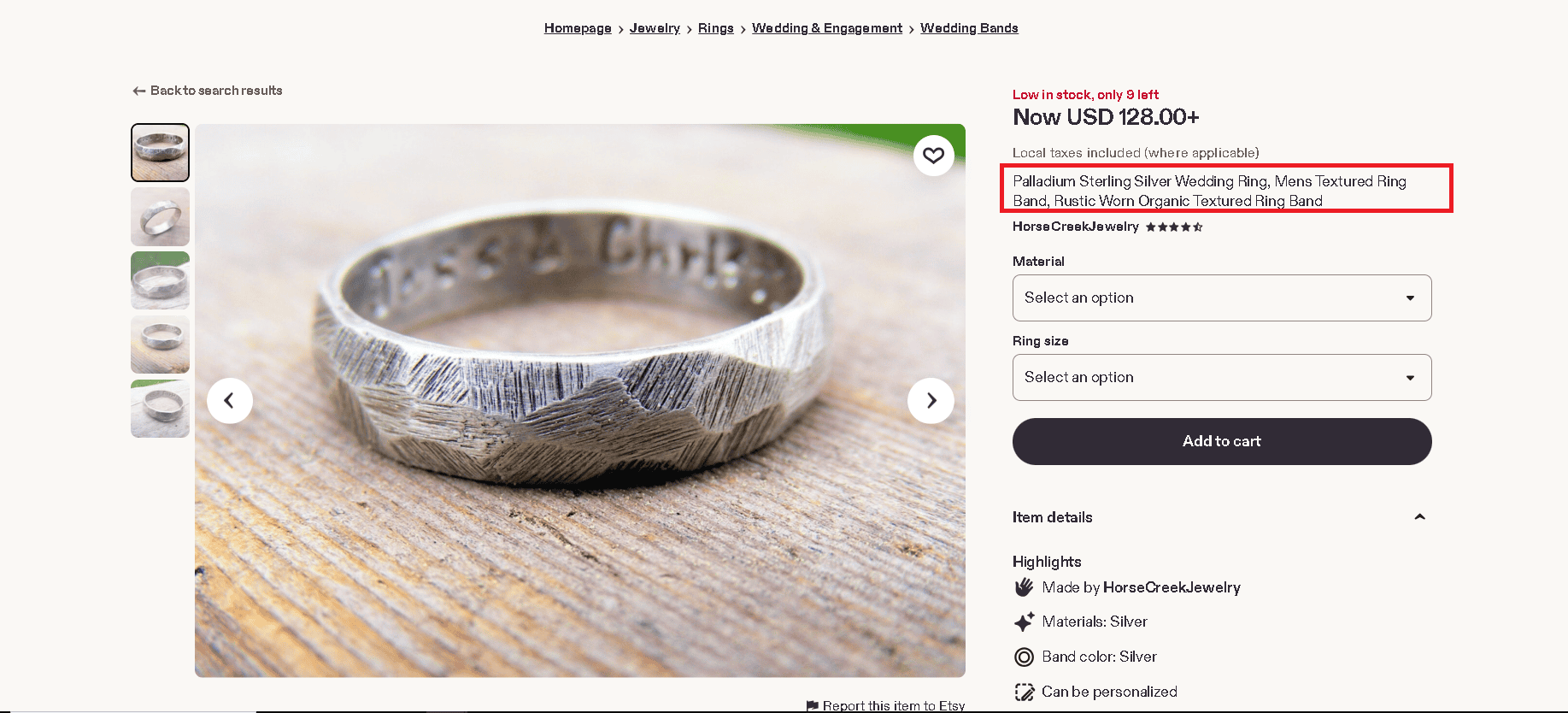
See examples of sterling palladium jewelry below, with sterling palladium rings being represented the most.
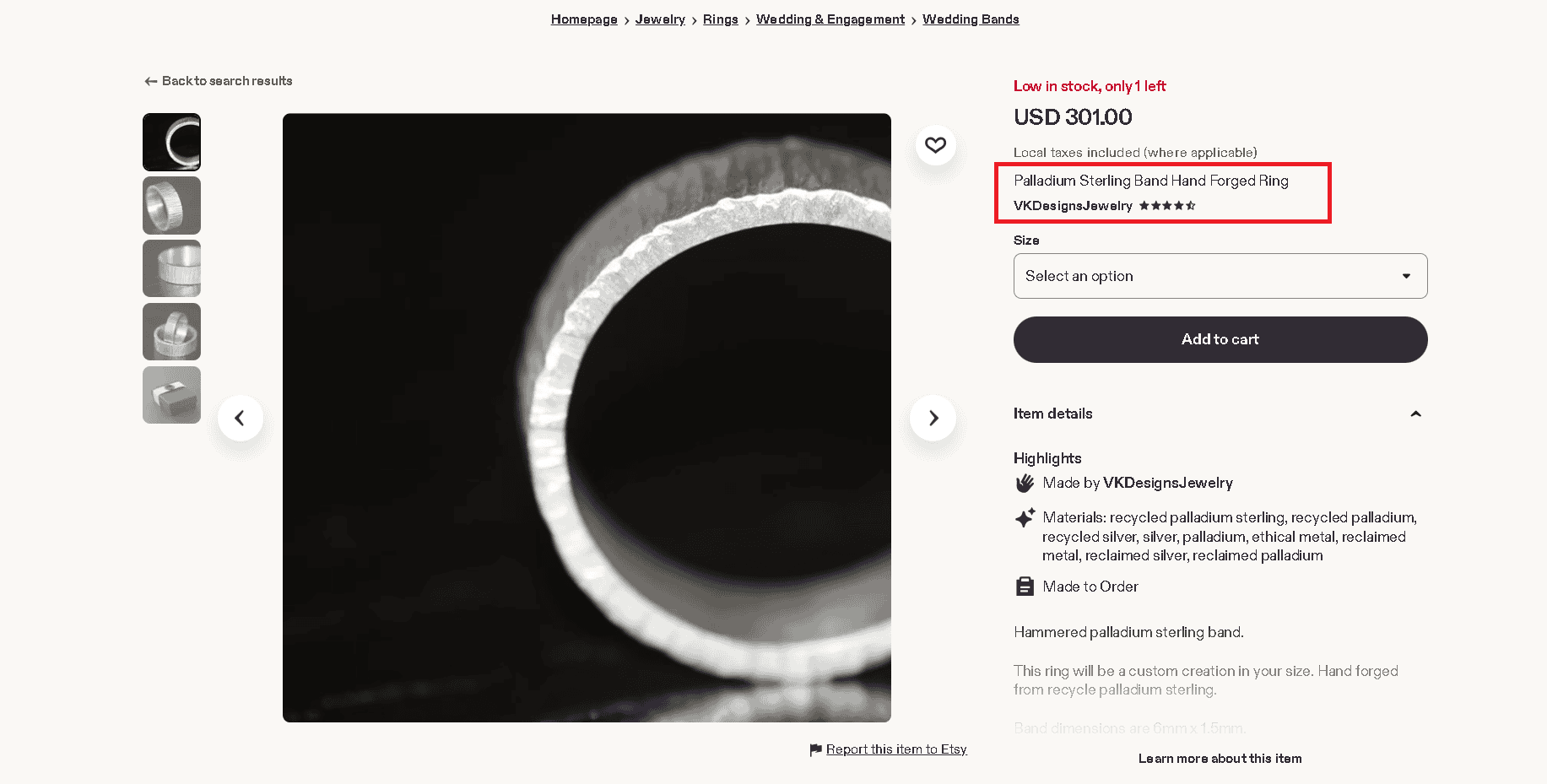
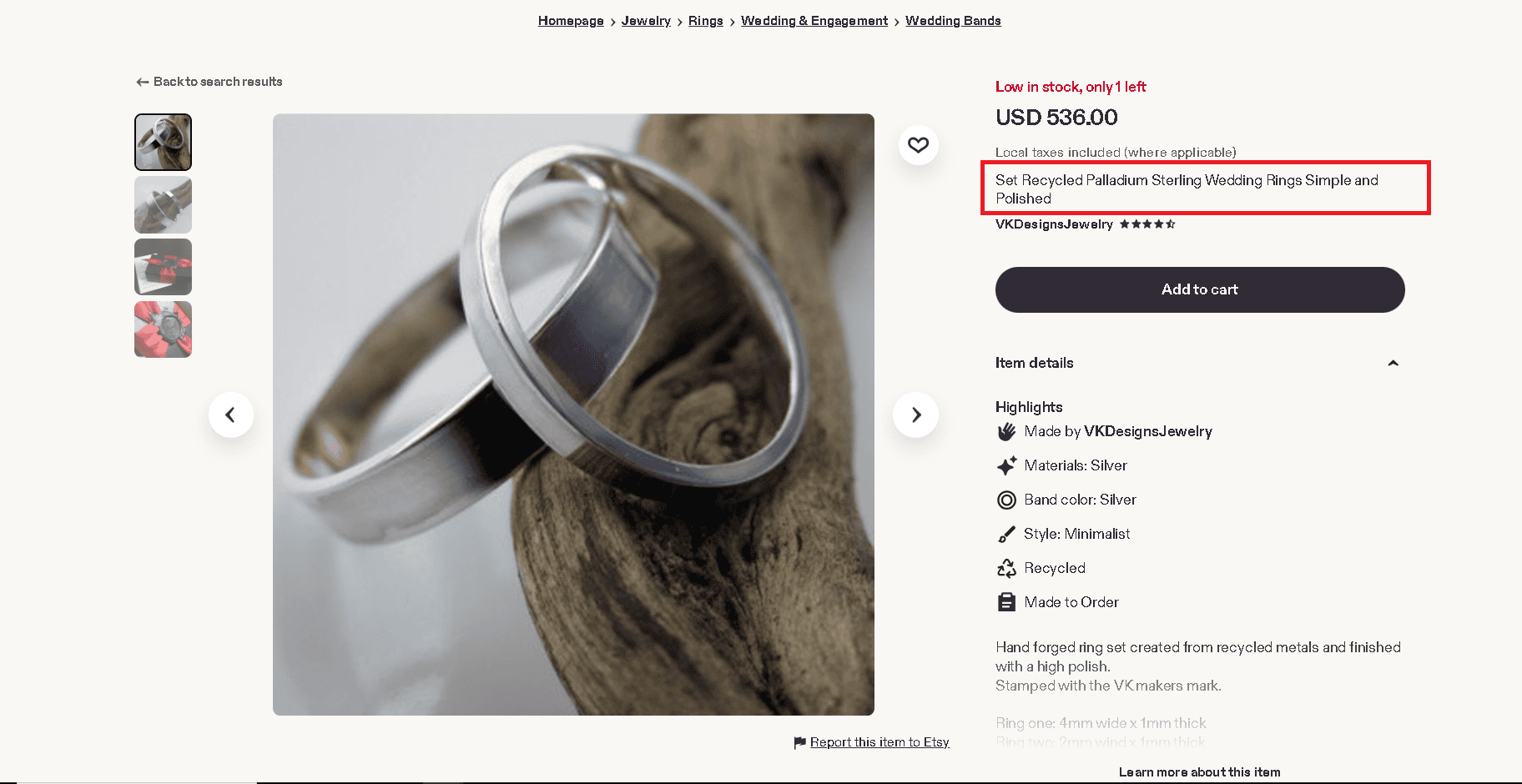
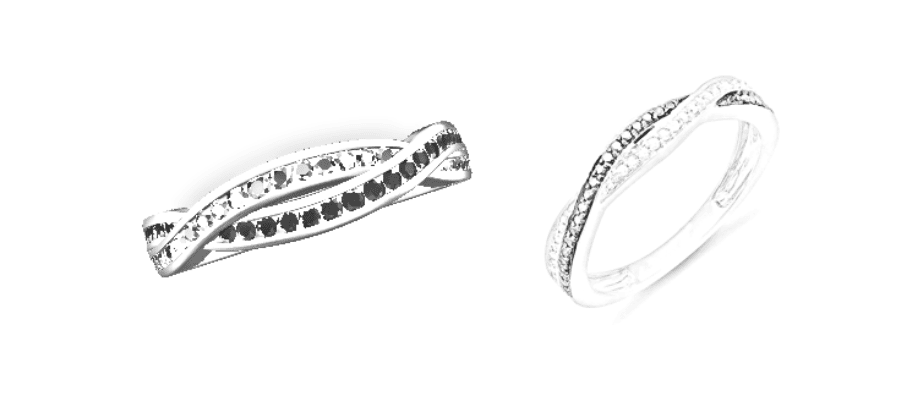
What is Sterling Palladium’s Melt Value? Is it Worth Anything and What is its Worth Per Gram?
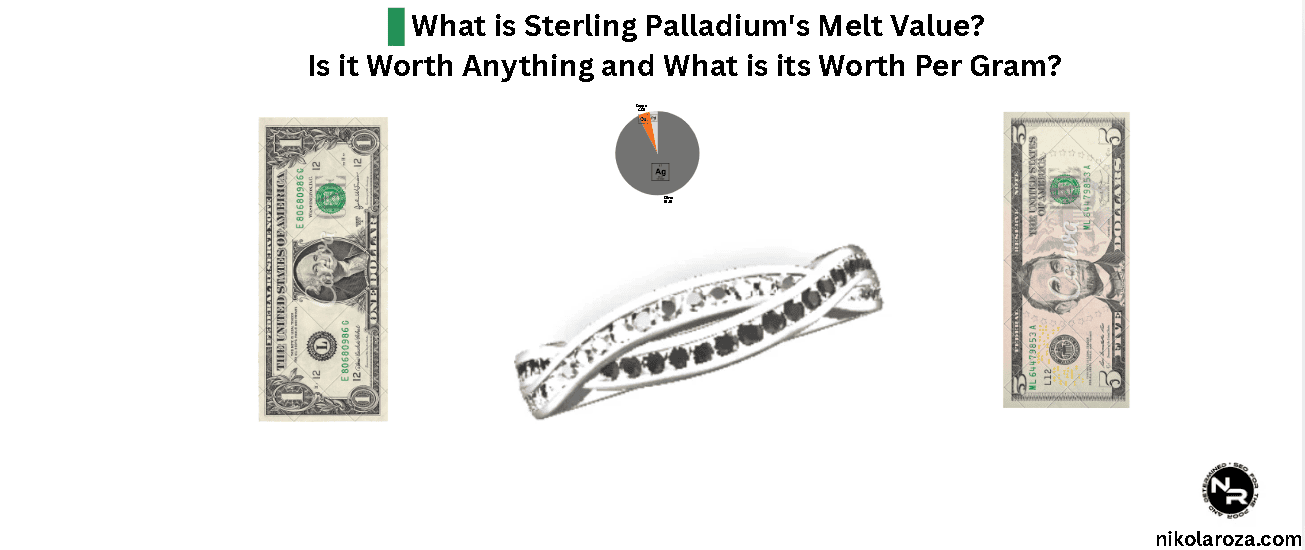
Sterling palladium’s melt value depends on the current silver market price which fluctuates from moment to moment based on the demand/supply interplay.
To determine the worth of your sterling palladium item first you need to measure its weight. Second, determine the amount of pure silver in it. For example, you have a 20-gram sterling palladium brooch. 92.5% of 20gr is 18.5gr of pure silver.
Next, multiply the weight of silver by the silver spot price to get the melt value. For example, let’s say the current price of silver is $4 per gram. 18.5 x 4=$74.
There’s also 3% palladium in sterling palladium alloy, and it’s worth calculating its value as pure palladium is much more expensive than pure silver.
20-gram sterling palladium item would have 0.6 grams of palladium. Take the value of 1 gram of palladium and calculate 60% of it which is what you have. For example, let’s say a gram of palladium is worth $100. 0.6 grams would be worth $60.
Combine the worth of pure silver and pure palladium to get your sterling palladium’s melt value.
Is Sterling Palladium Hypoallergenic or Allergenic?
Sterling palladium is hypoallergenic and it isn’t allergenic.
Regular sterling silver is hypoallergenic for most people, but not for all because some people have copper sensitivities. Sterling palladium is less allergenic than sterling silver because part of the copper in the alloy is replaced with palladium, another hypoallergenic precious metal.
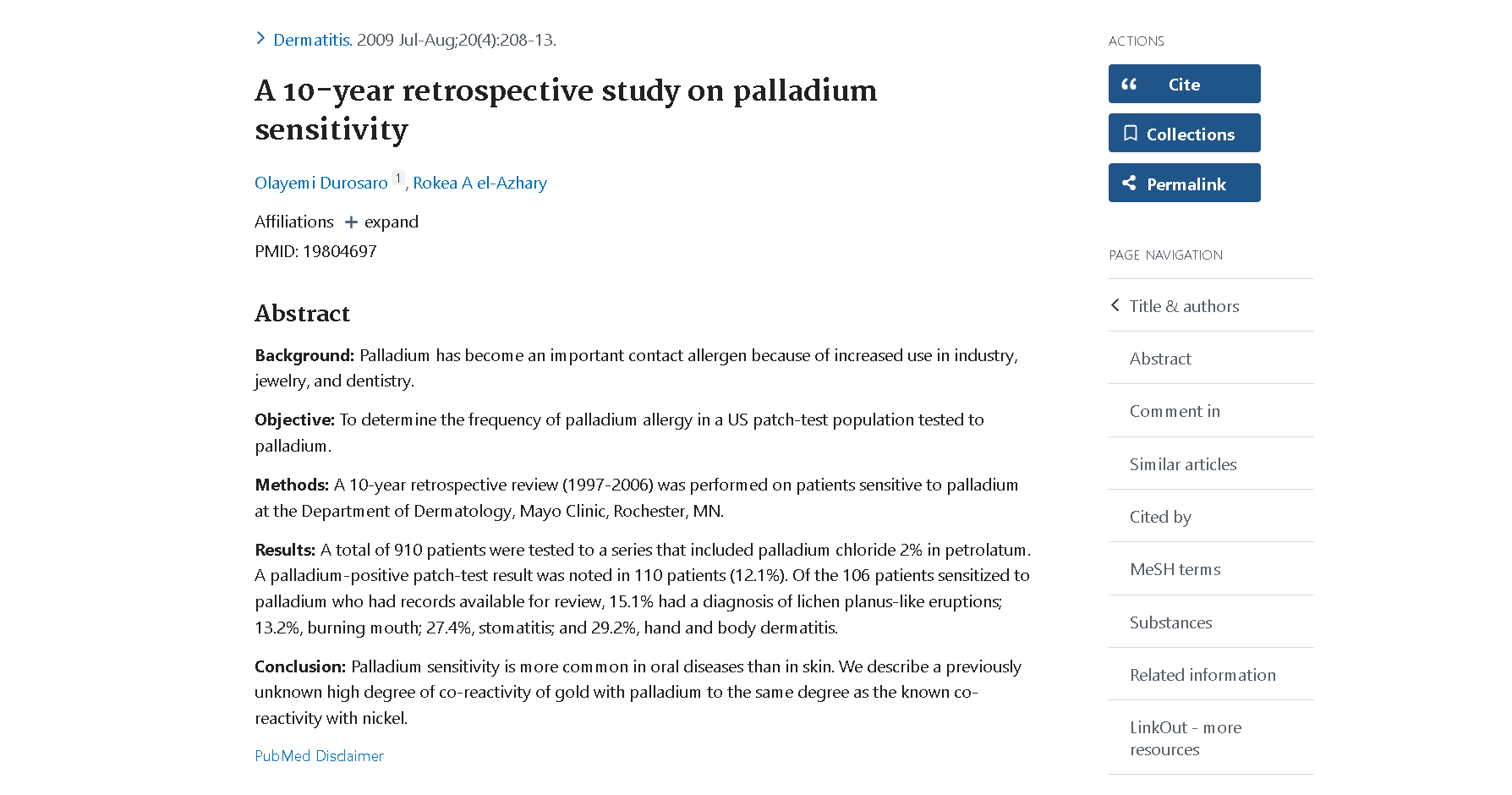
However, people with sensitivities to palladium and other metals from the platinum group are likely to also be sensitive to sterling palladium.
Sterling palladium is fascinating to read about. But you should check this out next, especially if you’re an American with a strong interest in the economy and a worry or two about the future.
Is Sterling Palladium Magnetic?
No, sterling palladium isn’t magnetic, it’s diamagnetic. Sterling palladium is diamagnetic because sterling silver and copper are both diamagnetic metals, whereas pure palladium is paramagnetic.
Sterling palladium’s diamagnetism means this silver alloy repels magnets and doesn’t magnetize at all.
Does Sterling Palladium Tarnish?
Yes, sterling palladium tarnishes, but to a lesser extent than sterling silver. Sterling silver tarnishes because of the 7.5% copper within the alloy which oxidizes upon air exposure. Sterling palladium has 3% copper replaced with palladium, so there’s less copper to oxidize and tarnish the metal.
- Chlorine. Chlorine tarnishes and corrodes sterling palladium. It reacts with the silver component in the alloy, causing discoloration and surface degradation. You shouldn’t shower or swim in pools while wearing sterling palladium jewelry.
- Bleach. Bleach tarnishes and corrodes sterling palladium. As an alkaline solution, bleach attacks the silver content, accelerating oxidation and weakening the alloy’s structural integrity over time.
- Toothpaste. Toothpaste tarnishes sterling palladium. Its abrasive particles scratch the surface, dulling the bright white finish and making it more susceptible to further tarnishing.
- Vinegar. Vinegar tarnishes and corrodes sterling palladium. Acetic acid attacks the silver in the alloy, and undiluted vinegar is particularly damaging, accelerating surface disintegration.
- Hydrogen peroxide. Hydrogen peroxide tarnishes sterling palladium. It oxidizes the silver component, leading to gradual discoloration and dulling of the metal’s natural luster over time.
- Lemon juice. Lemon juice tarnishes sterling palladium. Citric acid reacts with the silver in the alloy, dissolving the surface layer and causing discoloration with repeated exposure.
- Makeup. Makeup tarnishes sterling palladium. Chemicals in cosmetics react with the silver content and cause surface discoloration, though they are unlikely to cause significant structural corrosion.
- Alcohol. Alcohol tarnishes sterling palladium with repeated, long-term exposure. It gradually reacts with the silver component, dulling the bright finish over time.
- Water. Sterling palladium does not tarnish significantly under brief water exposure. However, prolonged contact dulls its luster. Saltwater is especially harmful, as chloride ions attack the silver component and cause pitting and surface corrosion.
- Nitric acid. Nitric acid tarnishes and corrodes sterling palladium. It’s highly corrosive and the silver content degrades rapidly upon exposure.
- Fire. Fire doesn’t tarnish or corrode sterling palladium under normal conditions. Both silver and palladium have sufficiently high melting points to withstand typical heat exposure without significant discoloration.
Sterling palladium is fascinating to read about. But you should check this out next, especially if you’re an American with a strong interest in the economy and a worry or two about the future.
Is There Bullion Made from Sterling Palladium?
No, there’s no bullion made from sterling palladium. Sterling palladium is a modern silver alloy used exclusively in jewelry, and not for making investment-grade bullion.
You can get investment-grade palladium bullion (IRA-approved palladium) from Augusta Precious Metals, the best US gold IRA company. This is the bullion type you can add to your palladium IRA.

What is the Hallmark for Sterling Palladium?
The hallmark for sterling palladium is simply “Sterling Palladium”. The hallmark for sterling palladium is neither an official silver hallmark nor palladium hallmark.
Sterling palladium is fascinating to read about. But you should check this out next, especially if you’re an American with a strong interest in the economy and a worry or two about the future.
Sterling Palladium vs Sterling Silver- What are the Differences?
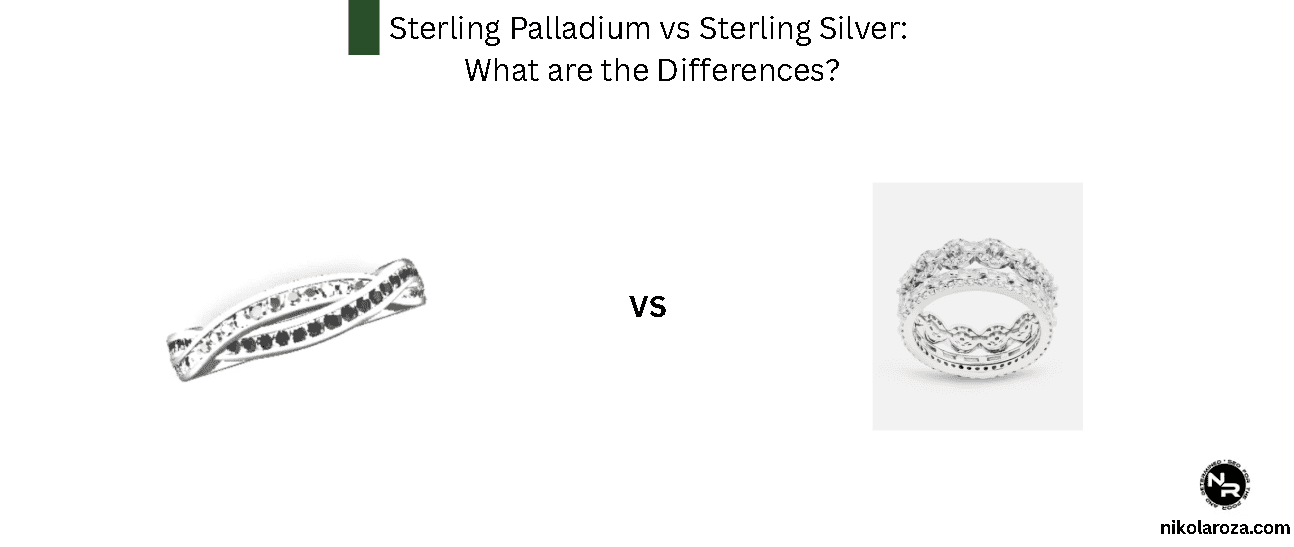
Sterling palladium is composed of 92.5% silver, 3% palladium, and 4.5% copper, while sterling silver contains 92.5% silver and 7.5% copper. The key difference lies in that partial copper substitution. Replacing some copper with palladium makes the alloy harder, more durable, and more tarnish-resistant than regular sterling silver.
Sterling palladium is also less allergenic than sterling silver, as the reduced copper content lowers sensitivity risks. However, sterling silver has bullion applications, whereas sterling palladium is used exclusively for jewelry.
Sterling palladium is the pricier option of the two.
| Comparison | Sterling palladium | Sterling silver |
|---|---|---|
| Composition | 92.5% silver, 3% palladium, and 4.5% copper. | 92.5% silver and 7.5% copper. |
| Color and tarnish resistance | Sterling palladium is visually identical to sterling silver, but tarnishes less and slower than it due to lower copper content. | Sterling silver is visually identical to sterling palladium, but tarnishes more and faster than it due to higher copper content. |
| Durability and scratch resistance | Sterling palladium is more durable and scratch resistant than sterling silver due to higher palladium content and lower copper content. | Sterling silver is less durable and scratch resistant than sterling palladium due to having no palladium content and having higher copper content. |
| Cost | Sterling palladium is more expensive than sterling silver due to its palladium content. | Sterling silver is less expensive than sterling palladium due to the lack of palladium. |
| Skin tone compatibility | Sterling palladium is best for cool skin tones. This includes complexions with pink, blue, or rosy/red undertones, as well as fair complexions. | Sterling silver is best for cool skin tones. This includes complexions with pink, blue, or rosy/red undertones, as well as fair complexions. |
| Hypoallergenic properties | Sterling palladium is slightly less hypoallergenic than sterling silver due to lower copper content. | Sterling silver is slightly more allergenic than sterling palladium due to higher copper content. |
- Palladium Sterling Silver – another option- https://www.davidtaylor.com.au/blog/2018/3/30/palladium-silver-another-option
- A 10-year retrospective study on palladium sensitivity- https://pubmed.ncbi.nlm.nih.gov/19804697/

Nikola Roza
Nikola Roza is the owner of Nikola Roza- Everything You Can Learn About Precious Metals. He writes for people who love precious metals and jewelry and who're interested in adding gold, silver platinum and palladium to their retirement portfolios. Nikola is passionate about gold IRAs and investing in multiple asset types for a safer financial future. He also runs a successful online jewelry store where you can buy precious metal jewelry and various replicas of famous coins and bars. Learn about Nikola here.
